Why Eastern And Western States Own Water Completely Differently
In the eastern United States, if a river runs through your property, you can generally dip into it. In the West, that same river might legally belong to a rancher 200 miles away who started using it in 1885, even as it flows right past your front door. This is not a minor regional quirk. The eastern and western halves of the country operate on two nearly opposite legal systems for who owns water, and the line between them was drawn by one simple thing: rain, or the lack of it. Here is how American water ownership splits down the middle.
The Eastern Way: Riparian Rights

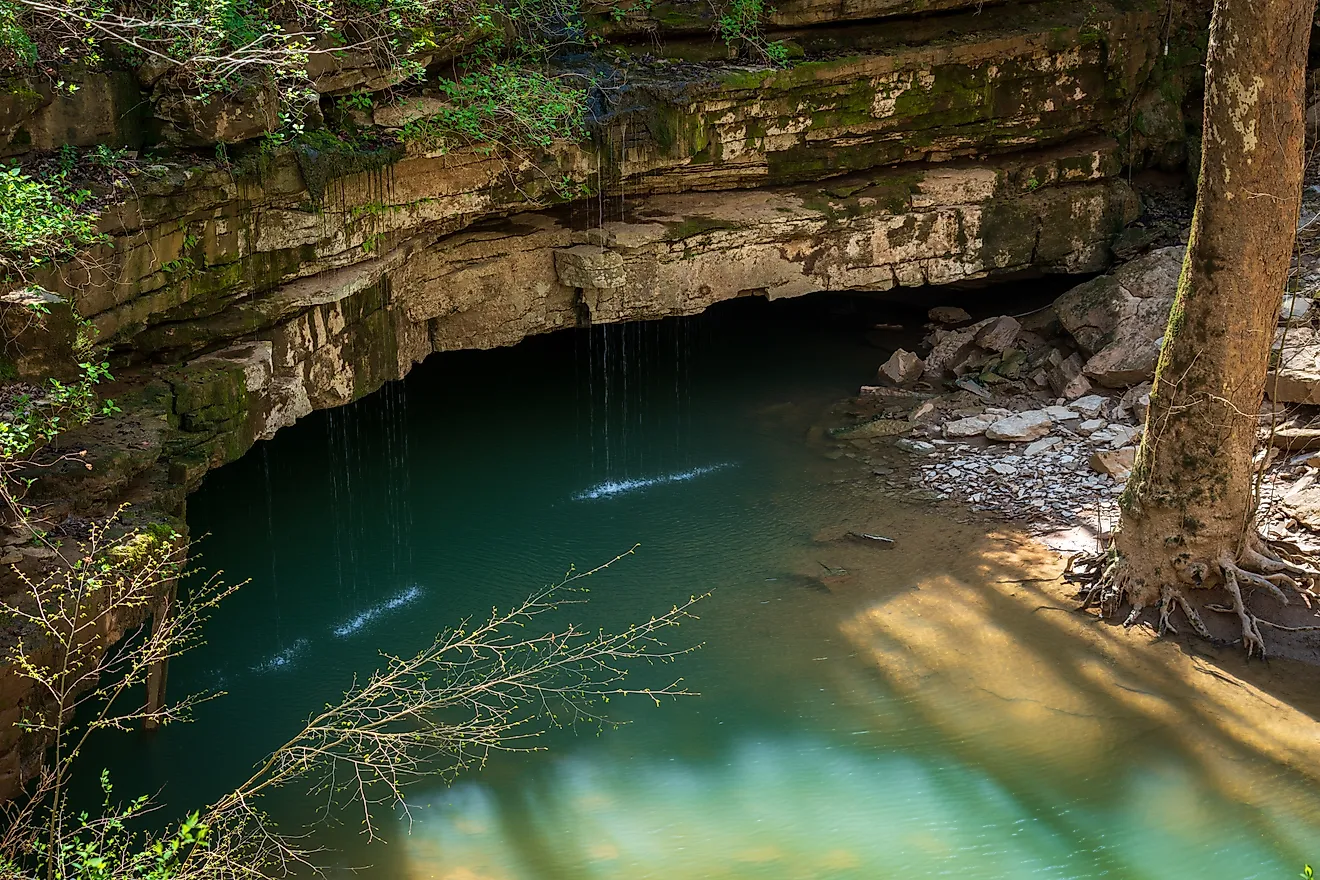
Most eastern states follow the "riparian" doctrine, a system inherited from English common law that fits a rainy, river-laced landscape. The core idea is that water rights belong to whoever owns land touching the water. If your property borders a river, stream, or lake, you are a riparian owner and may make "reasonable use" of that water, so long as you do not unreasonably harm the other landowners sharing it, especially those downstream. Crucially, this right comes bundled with the land and stays with you whether or not you actually use the water. The flip side is just as important: if your land does not touch a watercourse, you generally have no right to it at all. It is a system of shared, sensible use that works precisely because, in the East, water is almost everywhere.
The Western Way: Prior Appropriation

The West threw the riparian rulebook out entirely in favor of a doctrine called "prior appropriation," best summed up by its famous motto: "first in time, first in right." Under this system, water rights have nothing to do with owning land beside the water. Instead, the first person to divert water and put it to a "beneficial use," such as irrigation, mining, or supplying a town, earns the senior right to that water, even if their land sits miles from the source. Every right is then ranked strictly by date. In a drought, the most senior right holder gets their entire allotment before a junior holder receives a single drop, with no requirement to consider the newcomer's needs. There is also a catch that shapes everything: "use it or lose it." Fail to use your full allocation for several years and you can forfeit it. Because these rights are treated as property, they can be bought, sold, and moved, turning water itself into a tradable commodity.
Why the Split? Follow the Rain

So why did the country develop two completely different systems? Geography, plain and simple. The eastern United States is wet, threaded with rivers and blessed with reliable rainfall, so a system that shares abundant water among streamside owners works beautifully. The West is arid. Water is scarce, unpredictable, and frequently located nowhere near the places people actually wanted to farm, mine, or build. In that world, riparian rights fall apart, because your land probably does not touch any water, and splitting a trickle equally among everyone leaves no one with enough to survive. Prior appropriation solved both problems by letting people divert water and carry it to where it was needed, while giving them the certainty of a guaranteed, seniority-based supply. The rough boundary between the two systems famously tracks the 100th meridian, the north-south line that geographer John Wesley Powell identified as the divide between the humid East and the dry West.
The Gold Rush Wrote the Western Rules

The western system did not spring from an act of Congress. It was improvised in the mud of the California Gold Rush. Starting in 1848, miners needed water to work their claims, and those claims were often far from the nearest stream. Borrowing the same logic they used for staking mineral claims, they adopted a simple rule: whoever got to the water first had first rights to it, land ownership be damned. Courts blessed the practice in cases like the 1855 dispute Irwin v. Phillips, and the doctrine, with roots also reaching back to Spanish and Mexican law, spread across the region. Colorado embraced it so completely, rejecting riparian rights outright, that pure prior appropriation is still nicknamed the "Colorado Doctrine," while states like California kept a blend of both systems known as the "California Doctrine." Today, roughly 17 western states run on some form of prior appropriation.
Why It Still Matters Today

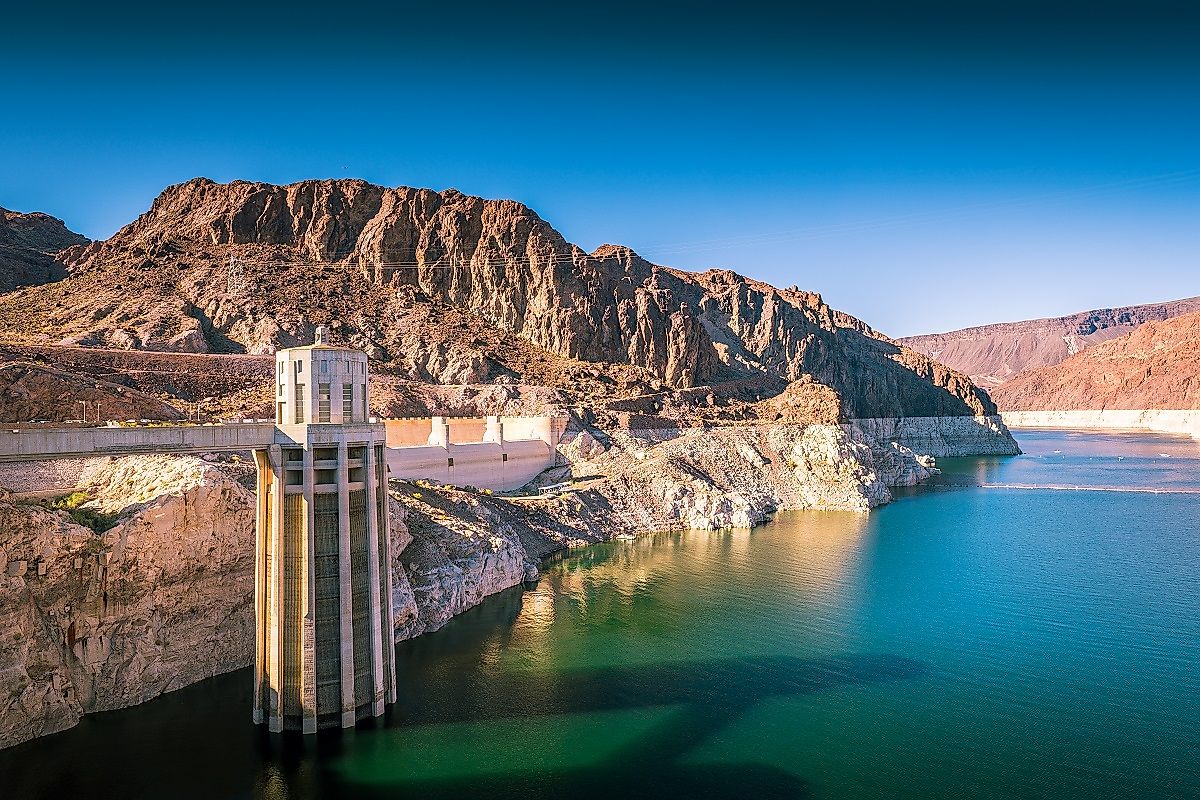
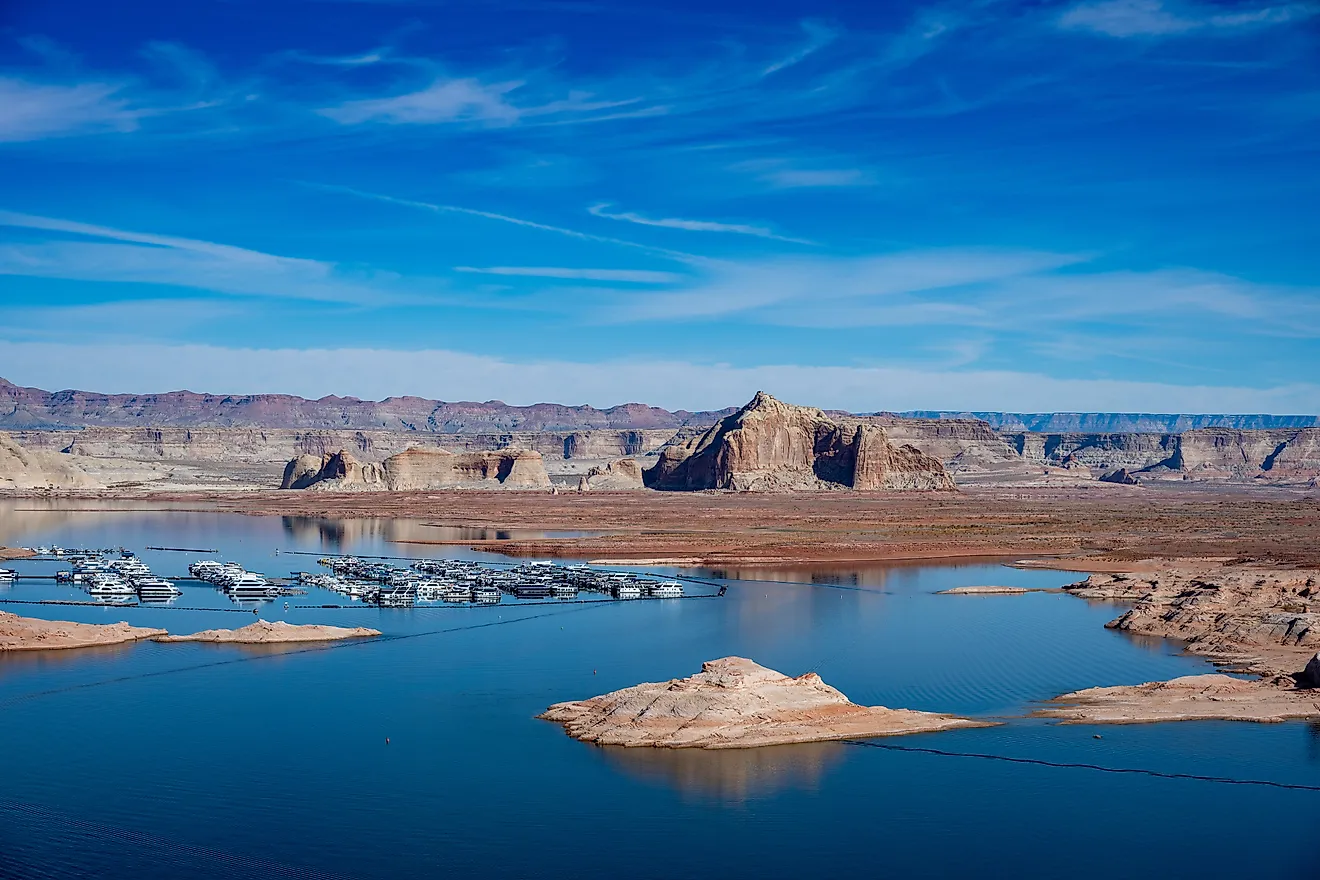
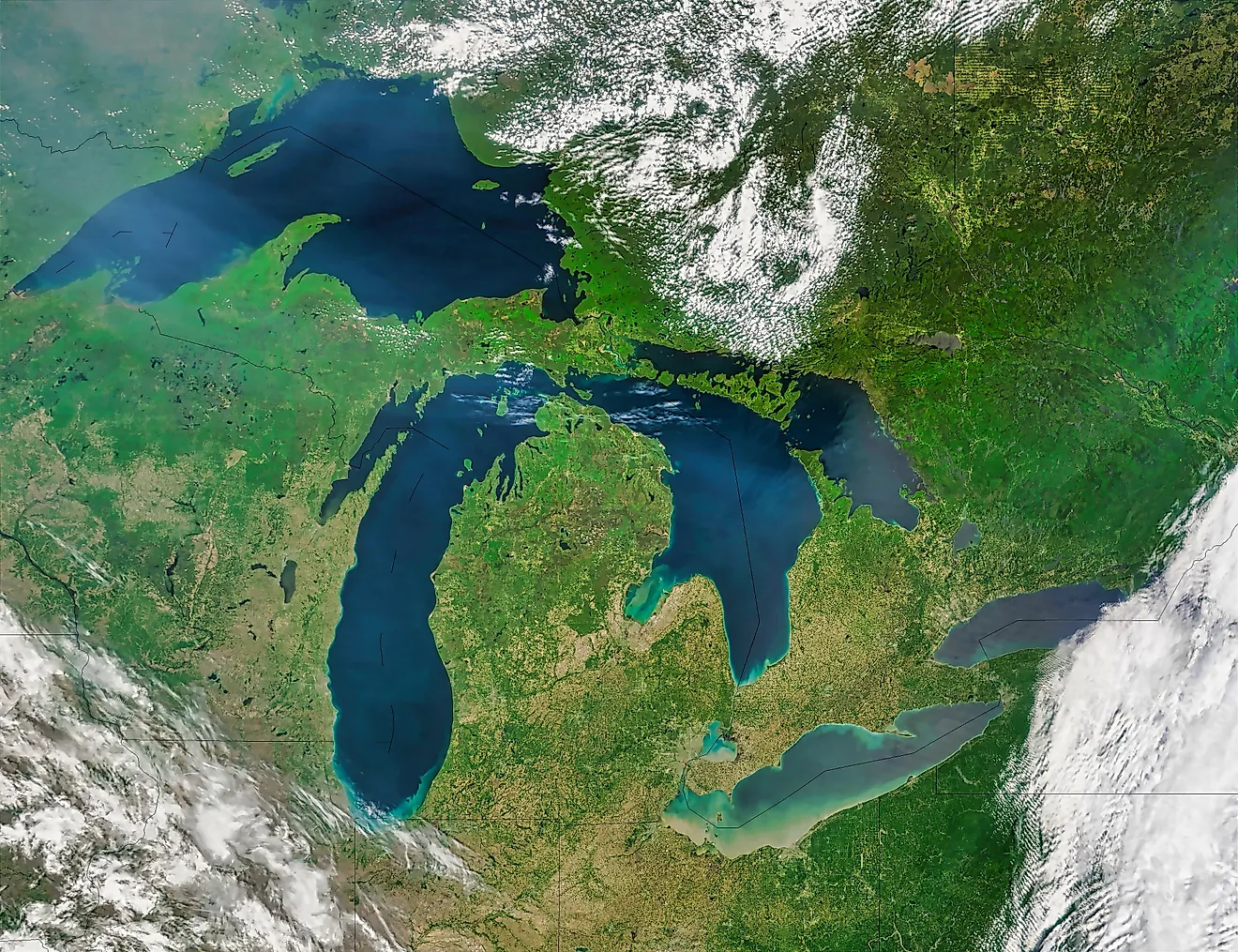
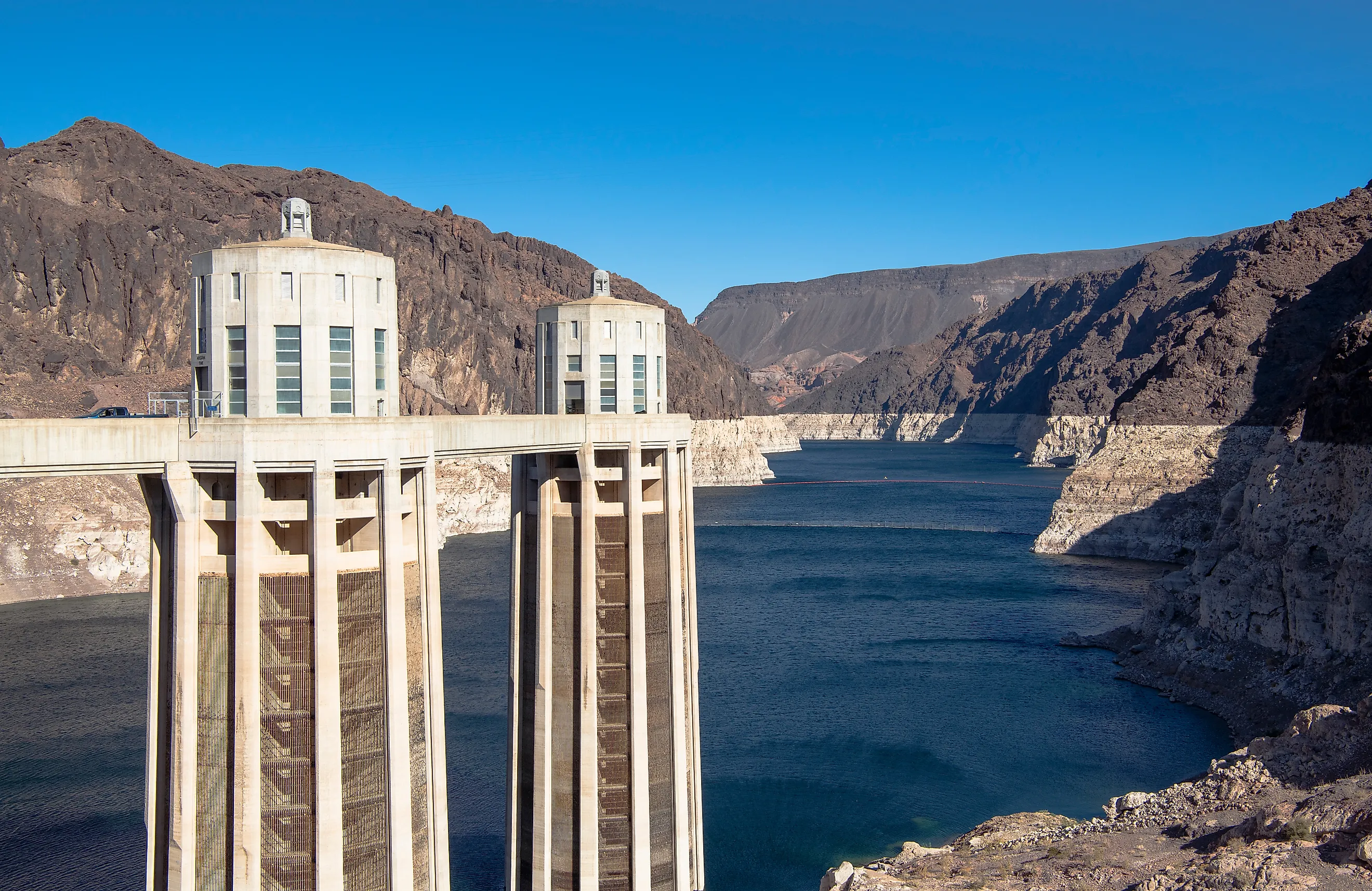
This centuries-old split still drives some of the biggest fights in the country. In the West, a cattle ranch holding a water right from the 1880s can legally outrank a booming modern city during a shortage, and the entire high-stakes battle over the shrinking Colorado River plays out under a combination of prior appropriation and the 1922 Colorado River Compact that governs how Lake Mead and its water get divided. The "use it or lose it" rule even pushes farmers to flood their fields with water they do not need, simply to avoid forfeiting the right, a perverse incentive to waste in the driest part of the country. Meanwhile, the humid East is discovering that its gentle, sharing-based system strains under modern droughts and population growth, sparking bitter interstate lawsuits over rivers from the Southeast to the Great Lakes. As dry spells creep eastward and demand keeps rising, the neat old line between the two Americas of water is only getting blurrier.