The Native Western Fish Making A Comeback
The native fish of the American West have taken a brutal beating. A century of dams, water diversions, drought, and introduced species pushed dozens of them toward oblivion, and the region's trout, chub, and salmon are among the most imperiled fish on the continent. But conservation is not a lost cause, and the past few years have delivered some genuine, hard-won victories, from a species officially declared recovered to salmon swimming past dams that no longer exist. Below are the specific native Western fish clawing their way back, followed by the sobering cases of the ones that may not make it at all.
Apache Trout

The clearest success story of them all belongs to Arizona's state fish. The Apache trout, a golden-flanked native of the cold streams in the White Mountains, was one of the very first species protected under early endangered species law back in 1967, when only a few isolated populations remained. After more than five decades of work led by the White Mountain Apache Tribe alongside state and federal agencies and Trout Unlimited, involving the removal of non-native trout and the construction of barriers to block their return, the fish recovered. In September 2024, the U.S. Fish and Wildlife Service formally removed the Apache trout from the endangered species list, making it the first sportfish and the first trout ever delisted due to recovery. It is a landmark moment for Western conservation.
Humpback Chub

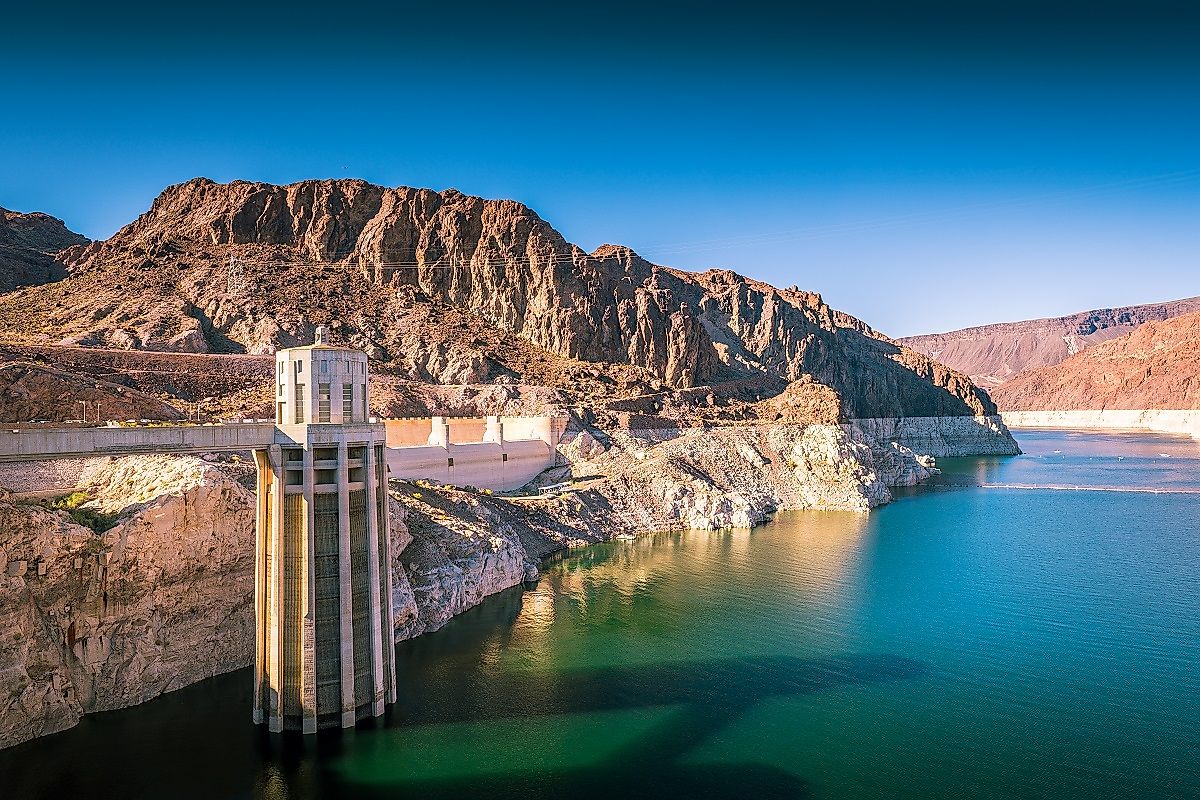
The humpback chub is a genuinely strange-looking big-river minnow, sporting a pronounced fleshy hump that helps it hold position in the churning whitewater of the Grand Canyon. Listed as endangered in 1967 after dams chilled and reordered its river, it clung on largely in the warm waters of the Little Colorado River. Then things turned around: in October 2021, the species was downlisted from endangered to threatened, and a newer study estimated that adult humpback chub in the western Grand Canyon increased roughly 160-fold between 2010 and 2024. There is a strange irony here, since the cold water released by Glen Canyon Dam, so harmful in some ways, has also helped by keeping out the invasive warmwater predators that would otherwise have finished the chub off.
Lahontan Cutthroat Trout

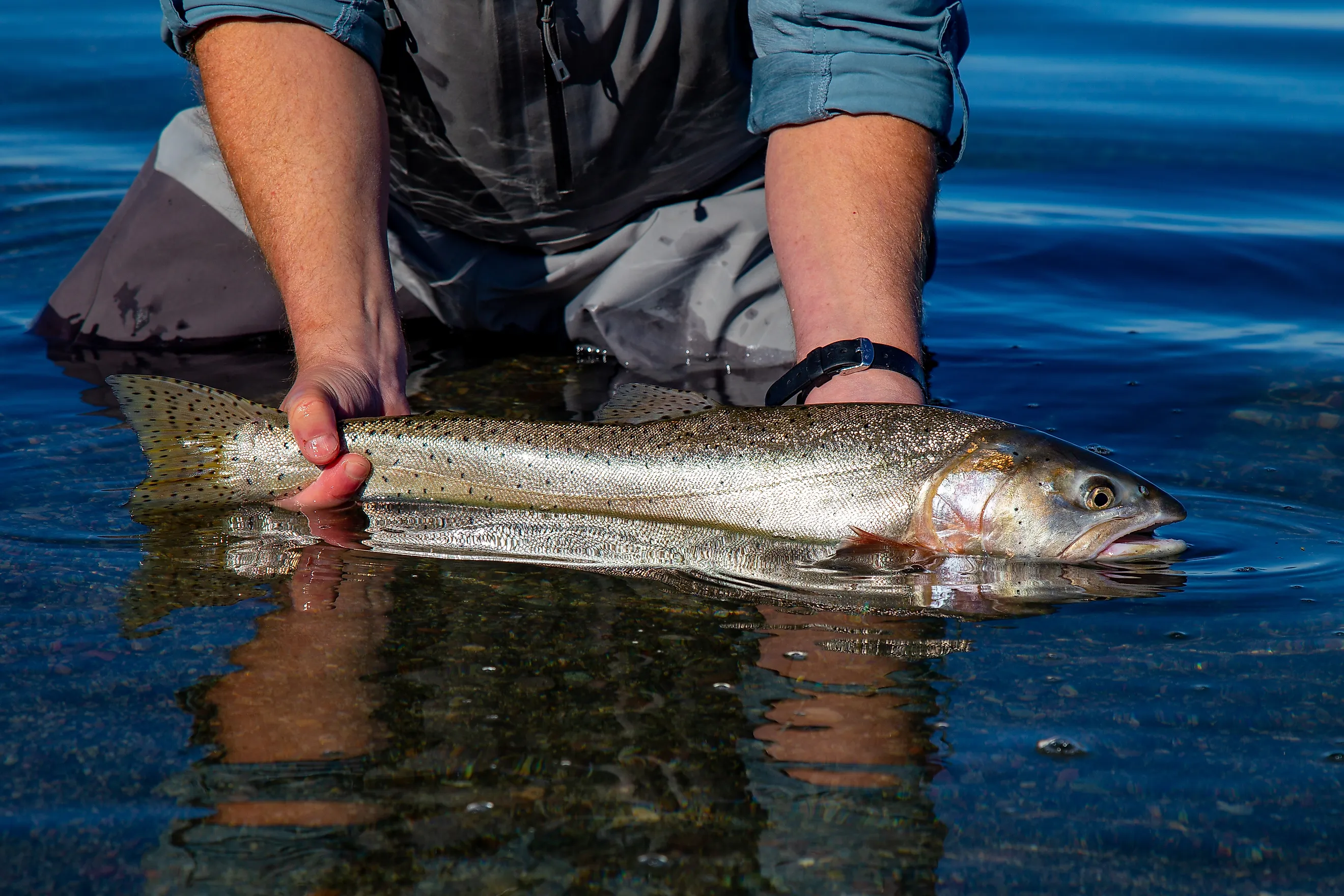
This one is the stuff of legend. The Lahontan cutthroat is the largest cutthroat trout on Earth, and the giant strain that once grew to 40-plus pounds in Nevada's Pyramid Lake was wiped out there by the 1940s after a dam on the Truckee River cut off its spawning run. For decades it was considered gone. Then, remarkably, the original Pyramid Lake strain was rediscovered surviving in a tiny, obscure creek on the Nevada-Utah border near Pilot Peak, where it had been transplanted generations earlier. Genetically confirmed as the real thing, this "Pilot Peak strain" was propagated and returned to Pyramid Lake, where the monster trout are once again being caught, including fish topping 20 pounds. It is one of the most improbable resurrections in American fisheries.
Greenback Cutthroat Trout

Colorado's state fish has had a rollercoaster existence. The greenback cutthroat trout was declared extinct in 1937, then rediscovered, then "recovered" using fish that later, embarrassingly, turned out to be the wrong lineage. The real breakthrough came in 2012, when genetic detective work revealed that the only genuinely pure greenback cutthroats left on Earth were a single population living in a four-mile stretch of Bear Creek, near Colorado Springs, descended from trout stocked there in the 1800s. That tiny remnant has become the seed for the entire species. Biologists now raise greenback offspring in hatcheries and reintroduce them into carefully chosen high-country streams, slowly rebuilding a fish that twice appeared to be lost for good.
Klamath River Salmon

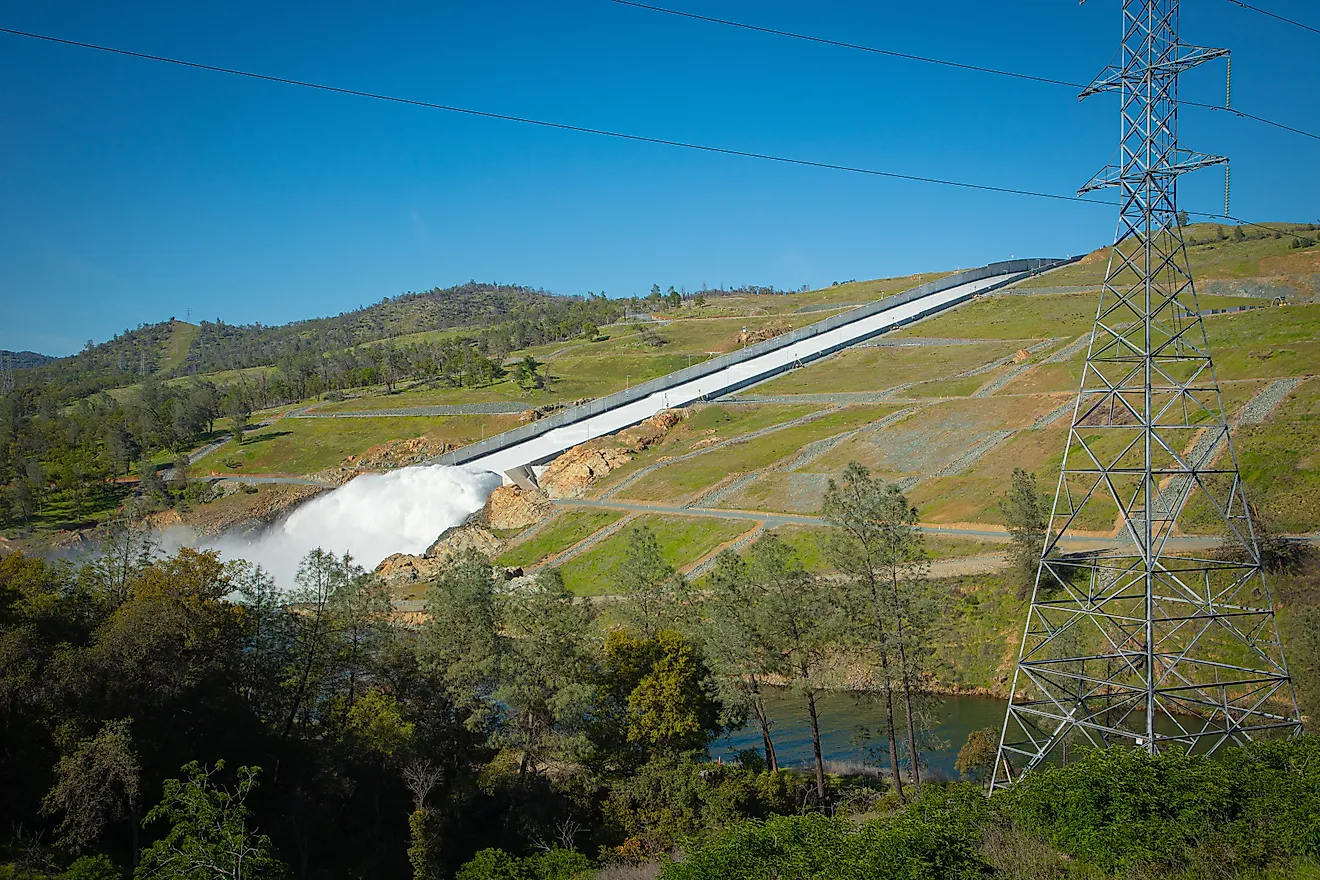
Perhaps the most dramatic comeback of all is still unfolding on the Klamath River, which straddles the California-Oregon border. In 2024, four hydroelectric dams on the Klamath were dismantled in the largest dam-removal project in United States history, reopening more than 400 miles of river to migrating fish that had been blocked for over a century. The results were almost immediate and genuinely moving: within weeks of the dams coming down, fall-run Chinook salmon were documented spawning in stretches of the upper river and its tributaries where no salmon had swum in generations. It is a powerful, real-time demonstration that when you remove the barrier, native fish will often find their way home on their own.
The Colorado River Giants: Bonytail and Pikeminnow

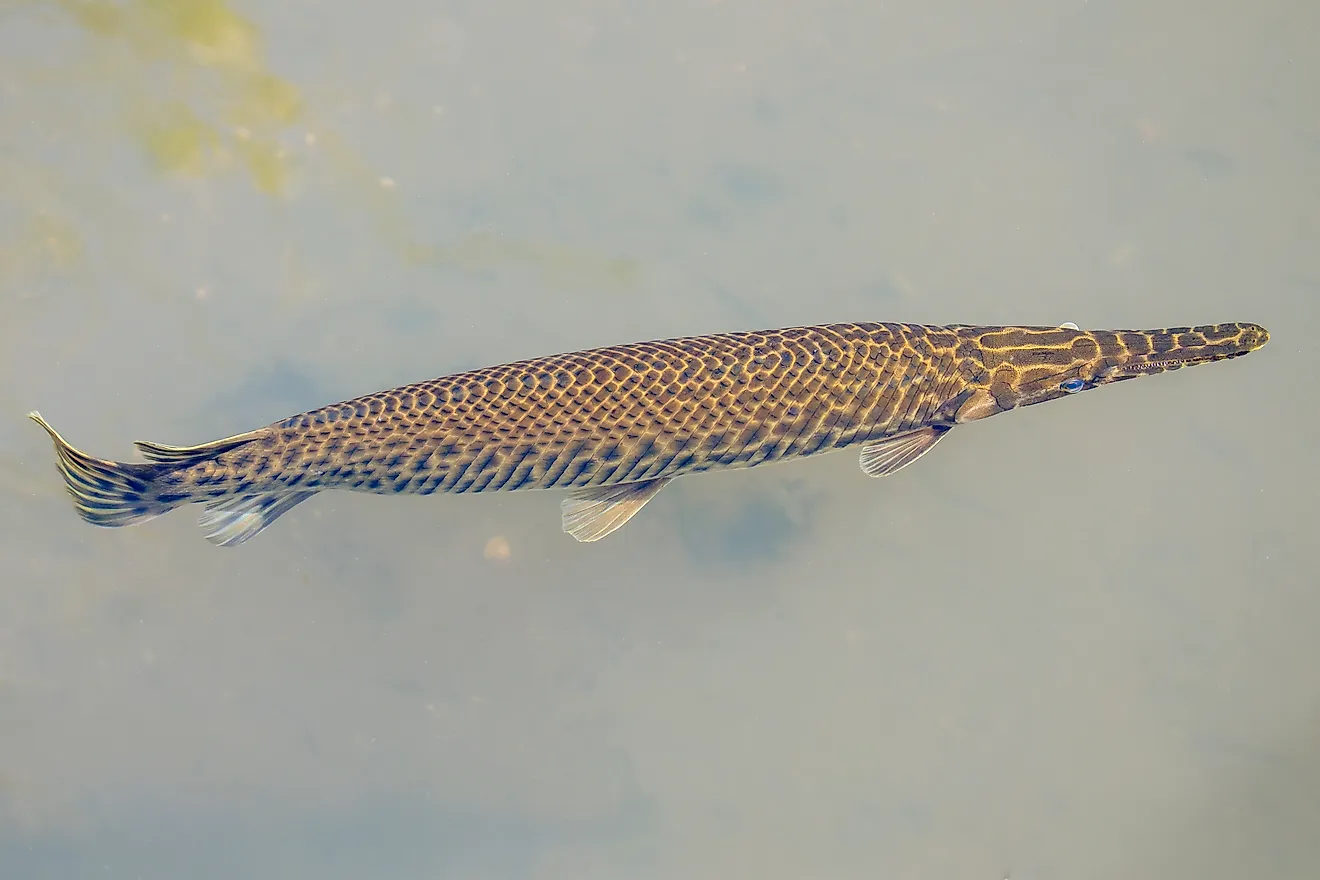
Now for the hard truth. For all these victories, some Western fish are quietly running out of road, and the Colorado River holds two of the bleakest cases. The bonytail, a streamlined big-river minnow, is the rarest of the basin's four endangered fish, and wild self-sustaining populations essentially no longer exist. The few bonytail that swim today survive only because hatcheries keep stocking them, making the species functionally extinct in the wild. Its neighbor, the Colorado pikeminnow, is even more haunting: North America's largest native minnow once grew to six feet long and was called the "white salmon" for the way it migrated in huge numbers. Today it is endangered, entirely gone from the Grand Canyon, and struggling to reproduce in a river so dammed, warmed, and stocked with non-native predators that its old way of life may simply no longer be possible.
Rio Grande Silvery Minnow

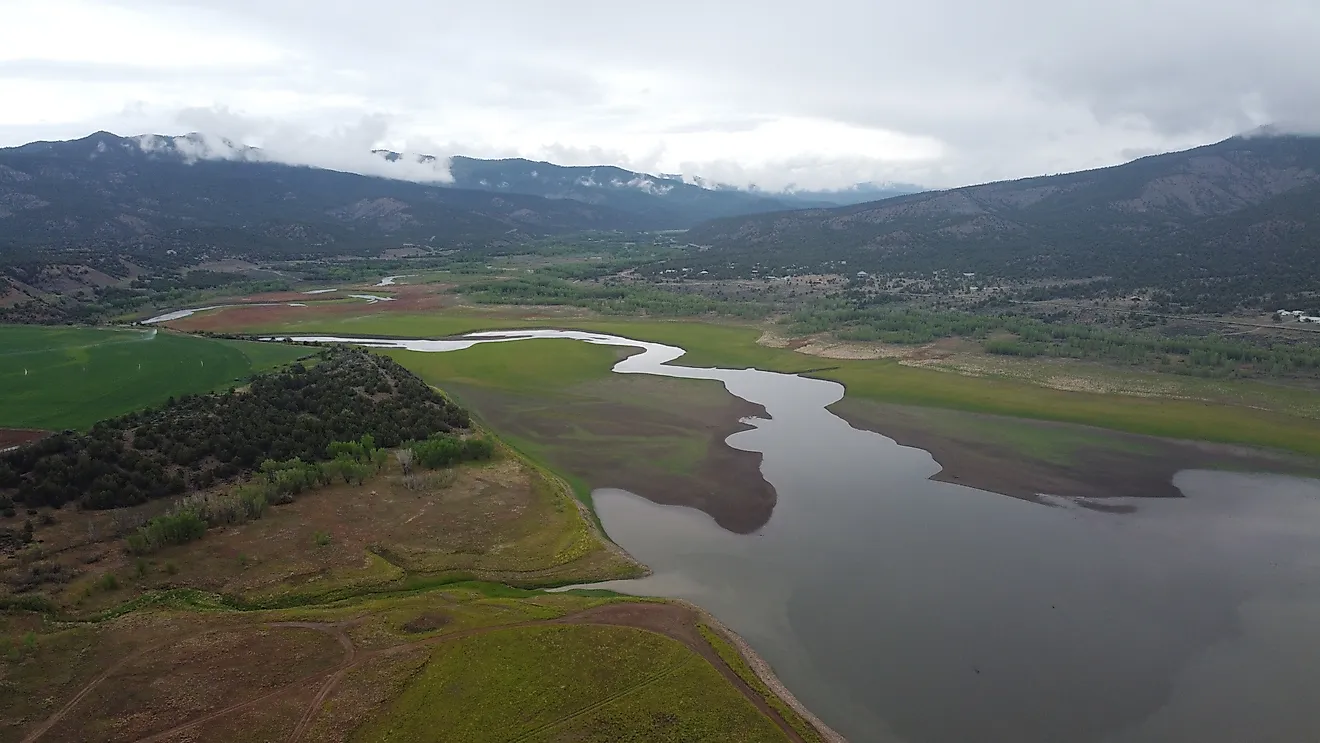
Once one of the most abundant fish in the American Southwest, the Rio Grande silvery minnow now hangs on in less than five percent of its historic range, confined to a single stretch of the middle Rio Grande in New Mexico. Its problem is painfully simple: its river keeps drying up. As water is pulled off for cities and farms and drought deepens, whole reaches of the Rio Grande go dry in summer, stranding and killing the minnow's eggs and young. The species survives largely through emergency rescues and hatchery releases, and in a river that may fail to reach the sea more and more often, its long-term future is genuinely uncertain.
Snake River Sockeye

Finally, there is the heartbreaking case of the Snake River sockeye. These salmon undertake one of the most grueling migrations of any fish on the planet, swimming roughly 900 miles inland and climbing nearly a mile in elevation to reach Redfish Lake in central Idaho, all while navigating eight massive dams along the Snake and Columbia rivers. The toll has been catastrophic. In 1992, a single male sockeye nicknamed "Lonesome Larry" was the only one to return to the lake that year. A desperate captive-breeding program has kept the run from blinking out entirely, but returns remain painfully small, and many biologists believe the fish cannot truly recover unless some of those dams come down. It is a stark reminder that not every native fish gets a comeback, and that for some, the window is closing fast.