The Pacific Coast Where Sea Otters Have Come Back
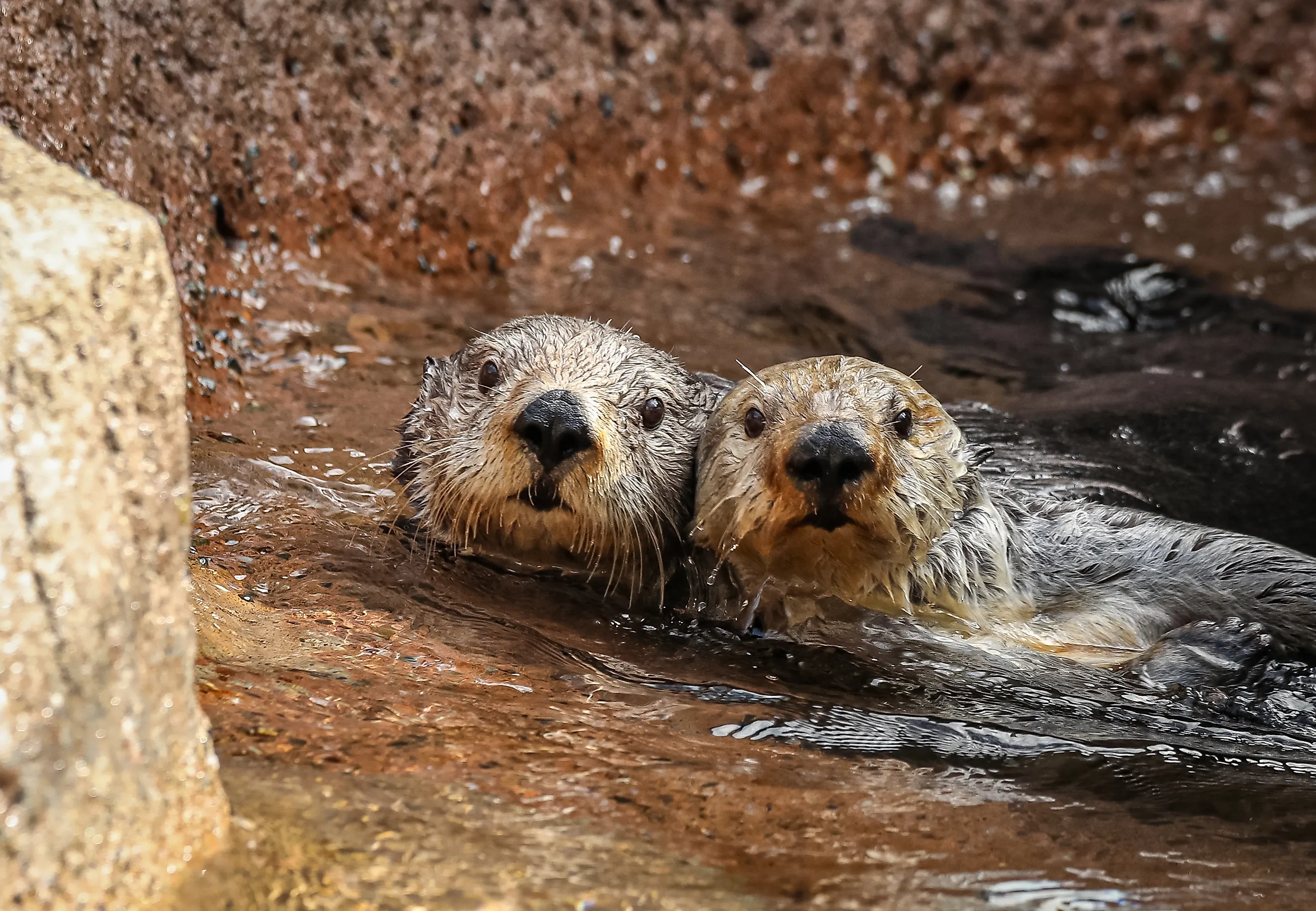
A little over a century ago, the sea otter was all but gone. Because it wears the densest fur of any animal on Earth, with up to a million hairs packed into a single square inch, it was hunted with a ruthlessness that borders on the absurd, and the fur trade methodically vacuumed the species off the coast from Japan to Baja California. By the time an international treaty finally called off the slaughter in 1911, perhaps a thousand or two animals clung on in a scattering of tiny, isolated colonies. What has happened since is one of the great wildlife comeback stories on the continent, and it is far weirder and more uneven than you would expect. Here are the stretches of Pacific coast where the otter has clawed its way back, and the one big gap where it stubbornly has not.
Central California

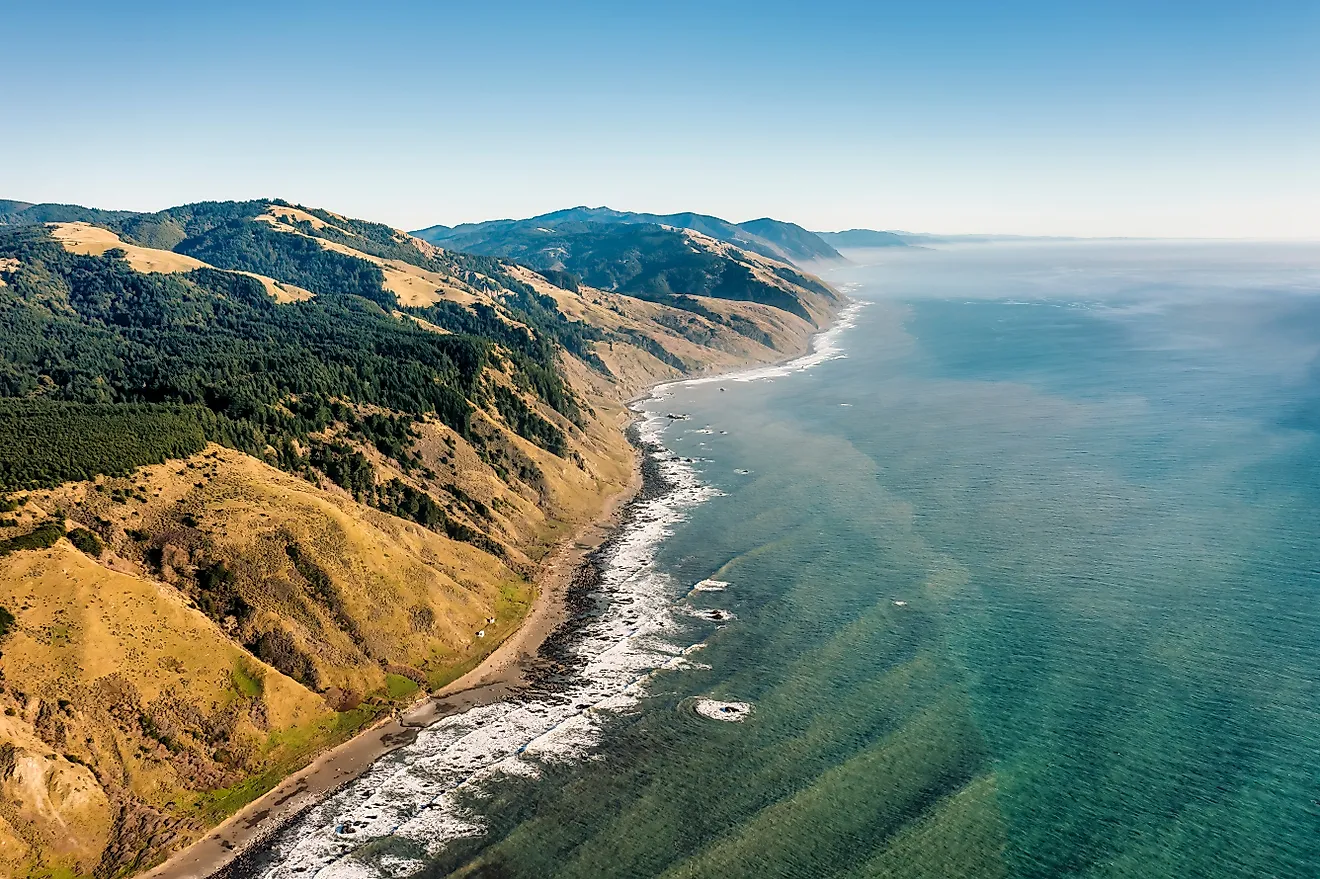
The most famous comeback of all began with a jaw-dropping surprise. Southern sea otters were flat-out presumed extinct in California, gone for good, until 1938, when a startled observer spotted a small raft of roughly 50 survivors bobbing near the mouth of Bixby Creek along the wild Big Sur coast. Here is the staggering part: every single one of the roughly 3,000 southern sea otters swimming off California today descends from that one tiny group. It is a genetic bottleneck the size of a rowboat. They have spread along the central coast, with Monterey Bay and its Elkhorn Slough estuary becoming a beloved otter stronghold. But their expansion has hit a wall, quite literally, as great white sharks patrolling the range edges pick off any pioneers that try to push farther north or south, pinning the population into a sliver of its former territory.
Southeast Alaska

If California is the sentimental comeback, Alaska is the outright powerhouse. The state is the global capital of the northern sea otter, home to the overwhelming majority of the roughly 100,000 that now inhabit U.S. waters. Southeast Alaska especially has turned out to be, in one researcher's blunt phrase, otter nirvana, its numbers climbing relentlessly year after year. And these animals earn their keep, because with no blubber to insulate them, sea otters have to eat around a quarter of their body weight every single day just to stay warm, making them voracious, nonstop foraging machines. The recovery is not flawless everywhere, since the otters of the far-flung Aleutian Islands crashed hard, apparently gobbled up by killer whales that ran short of other prey. But across the sheltered southeast, the rebound has been rock solid.
The Olympic Coast, Washington

Washington's sea otters were hunted into total oblivion by the early 1900s, so their return is a pure, deliberate act of human repair. In 1969 and 1970, wildlife crews scooped up 59 otters at Amchitka Island in Alaska, loaded them onto planes, and released them along the wild outer coast of the Olympic Peninsula, essentially rolling the dice on a fresh start. It worked. Against genuinely long odds, those 59 gambled-upon transplants took root and multiplied into an established population now approaching 2,800 animals. An entire thriving colony, rebuilt from a single planeload of pioneers, though they still cluster along the northern half of the state's coastline rather than spreading out.
Vancouver Island, British Columbia

British Columbia tells the same tale with an even bigger payoff. The province's native otters were one of the remnant colonies that ultimately winked out completely, so the animals had to be imported from square one. Between 1969 and 1972, 89 otters from the Aleutian Islands were set loose on the west coast of Vancouver Island, and they did not just survive, they exploded. That small founding band flourished in the cold, kelp-choked waters until several thousand sea otters once again worked the island's rugged Pacific shoreline. As reintroductions go, it is about as close to a slam dunk as conservation ever gets.
Why Their Return Matters: Kelp Forests

This is where the story stops being merely adorable and becomes genuinely important, because sea otters are a keystone species that quietly hold whole ecosystems together. Their favorite food is the sea urchin, and when otters vanish, urchin armies explode and chainsaw their way through kelp forests until nothing is left but bleak, lifeless "urchin barrens" of bare rock. Bring the otters back, and they mow down the urchins, letting the kelp rocket upward again into towering underwater jungles that shelter fish, lock away carbon, and blunt the force of incoming storms. The link is so tight that sea otter density is the single strongest predictor of kelp cover along the entire Pacific coast. In estuaries like Elkhorn Slough, otters have pulled off the same trick with seagrass by feasting on crabs, setting off a chain reaction of recovery that scientists are still marveling at. Not bad for an animal whose main hobby is floating on its back.
The Missing Coast: Oregon

And then there is Oregon, the glaring hole in the middle of the map. When otters were being reintroduced up and down the coast in the late 1960s and early 1970s, Oregon got its share too, 93 animals released in 1970 and 1971. They vanished. The reintroduction failed outright, and to this day nobody can fully explain why it flopped when nearly identical efforts just north and south succeeded. The result is a gaping dead zone of more than 840 miles, running all the way from central California to Washington, with essentially no resident sea otters at all. That empty corridor leaves a long stretch of coastline ecologically weaker than it should be, which is exactly why conservation groups and wildlife agencies are now seriously weighing whether to give Oregon another shot. The great otter comeback, in other words, still has one very big chapter left to write.