7 Snake-Infested State Parks In Montana
Montana has a diverse geography, ranging from the Great Plains to the Rocky Mountains, resulting in many state parks frequented by both people and snakes, of which Montana has 10 species. Montana’s hot and semiarid climate in the Great Plains and dry valley bottoms makes for a hotbed of snake activity within the state, specifically for the only venomous snake, the Prairie Rattlesnake (Crotalus viridis). These are the seven most snake-infested state parks in Montana.
Makoshika State Park

Makoshika State Park is Montana’s largest state park, nestled along the Yellowstone River and outside the town of Glendive. It spans 11,531 acres of Badlands terrain with key features including caprocks, hoodoos and natural bridges. The park is popular for botany, with over 100 different wildflowers in the park; birding, with prime birdwatching season between May and June; and hiking. It is also home to many species of wildlife, including Montana’s largest snake, the bull snake (Pituophis catenifer), which can attain lengths of seven feet. These snakes are closely related to dry habitats, and while nonvenomous, they are known to wiggle their tail in an attempt to mimic rattlesnakes and ward off potential threats.
Pictograph Cave State Park

Pictograph Cave State Park has three caves on site, with the largest cave being Pictograph Cave at 45 feet deep and 160 feet wide. The cave was listed as a National Historic Landmark in 1964 due to its historic and archaeological significance. The caves were carved by water and wind out of Eagle sandstone cliffs and were used as homes by prehistoric hunters. In the late 1930s, around 30,000 artifacts including stone tools, weapons, and pictographs were discovered and are today viewable at the visitor center. The oldest pictograph is believed to be over 2,000 years old. Visitors of the park can enjoy a three-quarter mile-long trail leading to the cave that has interpretive signs.

Prairie rattlesnakes inhabit the park, and have even been observed fighting for dominance. These combat rituals occur between males of the species who fight to earn mating rights for females in the area. They will raise their heads and part of their bodies off the ground and attempt to throw each other down to secure dominance and mating rights.
First Peoples Buffalo Jump State Park

First Peoples Buffalo Jump State Park is the site of one of the largest buffalo jump sites in the United States, and possibly even North America. The buffalo jump site is a mile-long sandstone cliff with up to 18 feet of compacted buffalo remains at the bottom of the cliff. There is an on-site visitor center which features a buffalo culture exhibit, a storytelling circle, a classroom, a gallery, and a bookstore. Prairie rattlesnakes are often observed in the park, sunning themselves on south-facing rocks and slopes. They use these rocky outcrops as dens where they will gather communally, having been observed in the park in groups of between 20 and 25 individuals. They will also hibernate together in these dens over the colder winter months.
Lewis and Clark Caverns State Park

Lewis and Clark Caverns State Park is Montana’s first state park and is the site of one of the largest limestone caves in the northwest. The key attraction of the park is the cave, which is accessible only by guided tours. Other features of the park include a visitor center, interpretive displays, a gift shop, food and beverage concessions, and hiking and biking trails. However, it is advised to hike in groups due to some of the wildlife in the park, including black bears, mountain lions, and prairie rattlesnakes. If you unknowingly approach a rattlesnake, it will most likely sound the rattle on the end of its tail that warns potential predators of its presence.
Tongue River Reservoir State Park

Tongue River Reservoir State Park is the site of the 12-mile-long Tongue River Reservoir in southeast Montana. The park offers water lovers ample opportunities to enjoy the reservoir through fishing, swimming, and boating. Like many of the State Parks on this list, the Tongue River Reservoir State Park is home to prairie rattlesnakes, particularly during the warmer months. The park’s rural location results in cell phone service being inconsistent or nonexistent and therefore caution should be exercised by downloading maps and navigation tools ahead of time in the event of a rattlesnake bite. Prairie rattlesnakes contain hemotoxic and cytotoxic properties which destroys tissue at the area around the bite.
Giant Springs State Park

Giant Springs State Park has 14 miles of shoreline of the Missouri River and is a haven for outdoor enthusiasts with many recreational activities, including hiking, biking, picnicking, photography, fishing, hunting, boating, and bird watching. The Giant Springs are a key feature of the park and are one of the largest freshwater springs in the country, producing more than 156 million gallons of water each day. One of the most common snakes found in the park is the terrestrial garter snake (Thamnophis elegans). Terrestrial garter snakes are suited to many different types of habitats and are therefore widespread across portions of the state, however they are most common around areas of lower elevation that are close to water.
Yellow Bay/Flathead Lake State Park

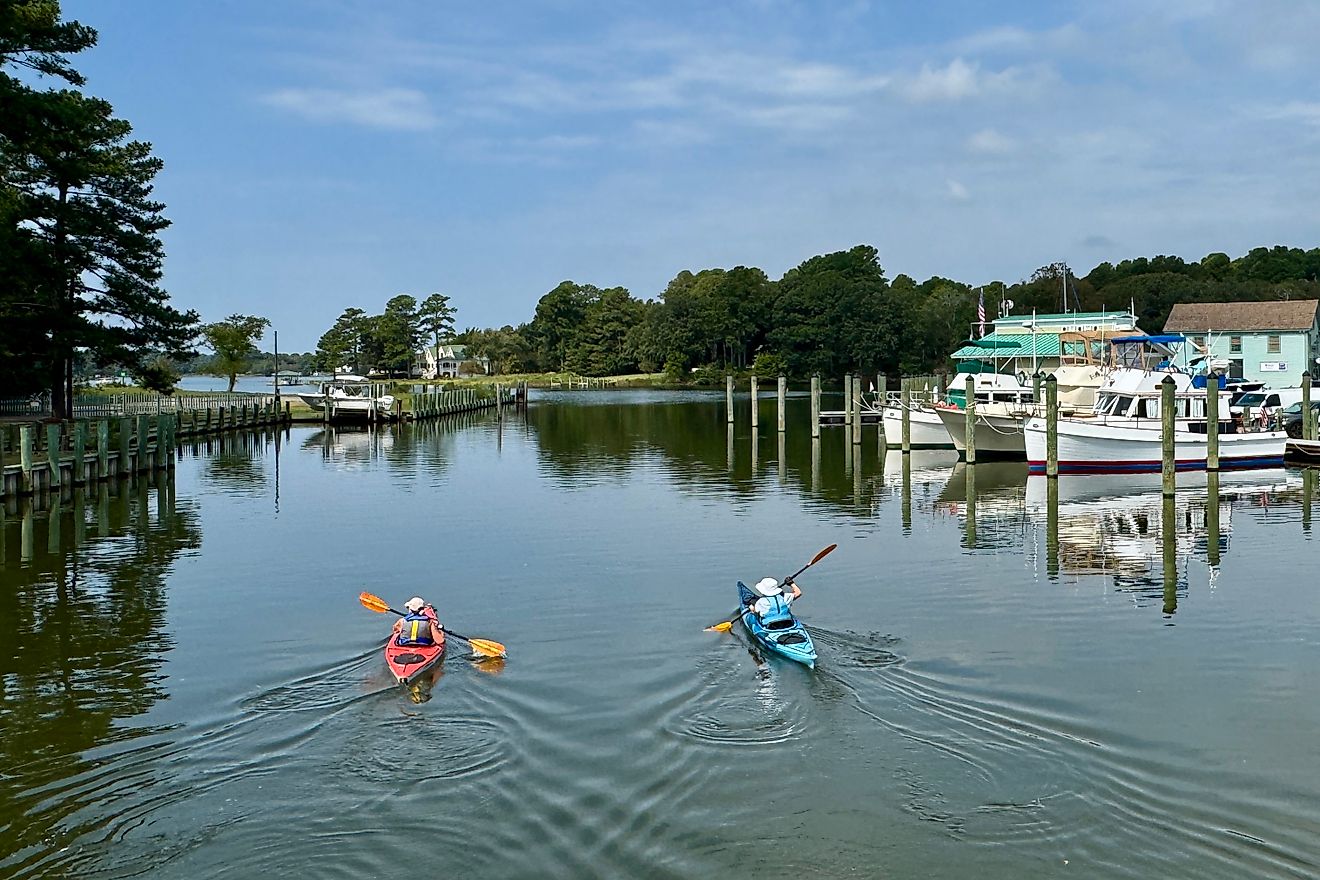
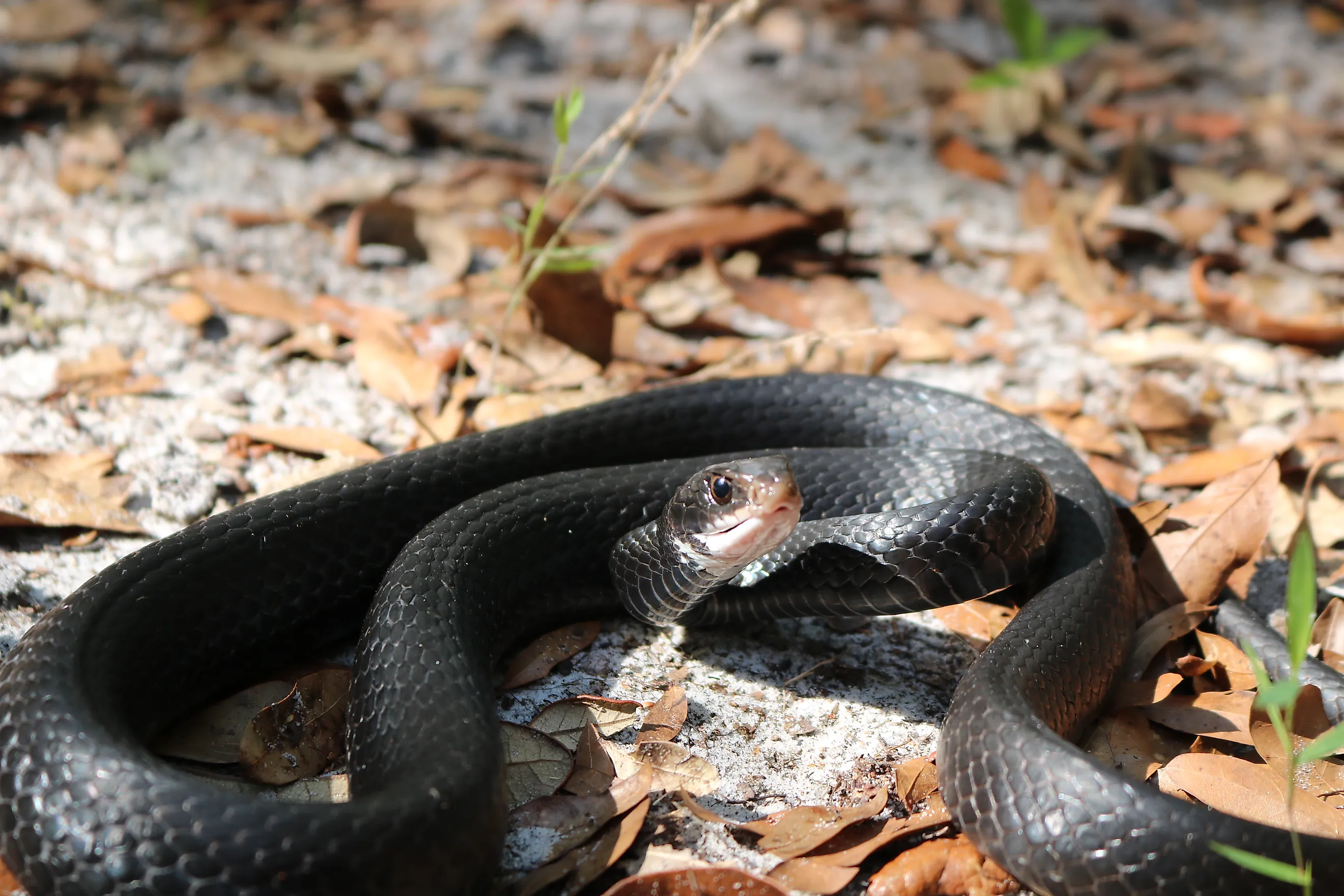
Yellow Bay/Flathead Lake State Park is located on the eastern shore of Flathead Lake. Its wide gravel beach and deep water boat launch make it a renowned destination for activities on and off the water, including swimming, sunbathing, and kayaking. There are 5 tent campsites available on a first-come, first-served basis. There are many species of snake found in this state park, including the North American racer (Coluber constrictor), which has a preference for badlands, grassland, and prairie habitats, but has been observed swimming and is capable of climbing trees and shrubs.
Snake Aware in Montana's State Parks
Although many species of snakes inhabit Montana’s state parks, there is only one species that is of concern to people and that is the venomous Prairie Rattlesnake. Although this snake does contain medically significant venom it hibernates through the winter and is unlikely to be encountered by people. Additionally, these snakes usually respond to interactions with humans by remaining still or attempting to move away, making bites uncommon unless snakes are provoked, cornered, or captured.