5 Snake-Filled Waters In Western Australia
Australia is known for having one of the highest proportions of venomous snakes in the world. The continent is home to 213 snake species and subspecies, of which 32 are sea snakes, and 140 are land snakes. Snakes rely heavily on external warmth to regulate their body heat; therefore, Western Australia, with its arid zones, tropical conditions, and deserts, provides ideal habitats not only for snakes but also for other reptiles and amphibians that serve as food sources. Because lizards and frogs live around water, it is not uncommon for snakes to inhabit these areas as well. The article below surveys 5 of the most snake-filled bodies of water you can find in Western Australia.
Herdsman Lake

Herdsman Lake is a natural wetland close to Perth’s urban center. It is home to a thriving population of venomous tiger snakes. These snakes are usually olive, brown, or black, and get their name from the stripes on their bodies. They are aggressive hunters, but toward non-prey they are generally defensive and bite only when threatened. Tiger snakes can grow up to 6 feet long and are excellent swimmers. They use the thick reeds around the lake to hunt for prey in shallow waters where small frogs and fish are abundant. Remarkably, despite Herdsman Lake’s proximity to civilization, tiger snakes have adapted beautifully to its ecosystem.
Loch McNess

To the north of Perth lies Loch McNess, also known as Yanchep Lake. Unlike Herdsman Lake, Loch McNess is not close to urban areas, yet it hosts a high number of tiger snakes and attracts over 250,000 visitors a year. Visitors to the lake can go hiking, enjoy the golf course, caves, and camping, but in doing so, many have spotted tiger snakes swimming in the lake's shallow waters or sunbathing on rocks. This freshwater lake is home to other snake species, including rotund blind snakes.
Carnac Island

An island off the coast of Perth, Carnac became home to tiger snakes when they were introduced to the area in the 1930’s. The tiger snake has no natural predators on the island, and therefore, their numbers are booming, and there is a quite high density of them in the area. These snakes prey on the seabirds who use the island as their nesting ground, and yes, the snakes eat their eggs too. Tiger snakes are venomous and are, in fact, one of the world’s deadliest snakes. Because there are so many snakes on the island, visitors are not permitted to leave the beach and go inland.
Shark Bay

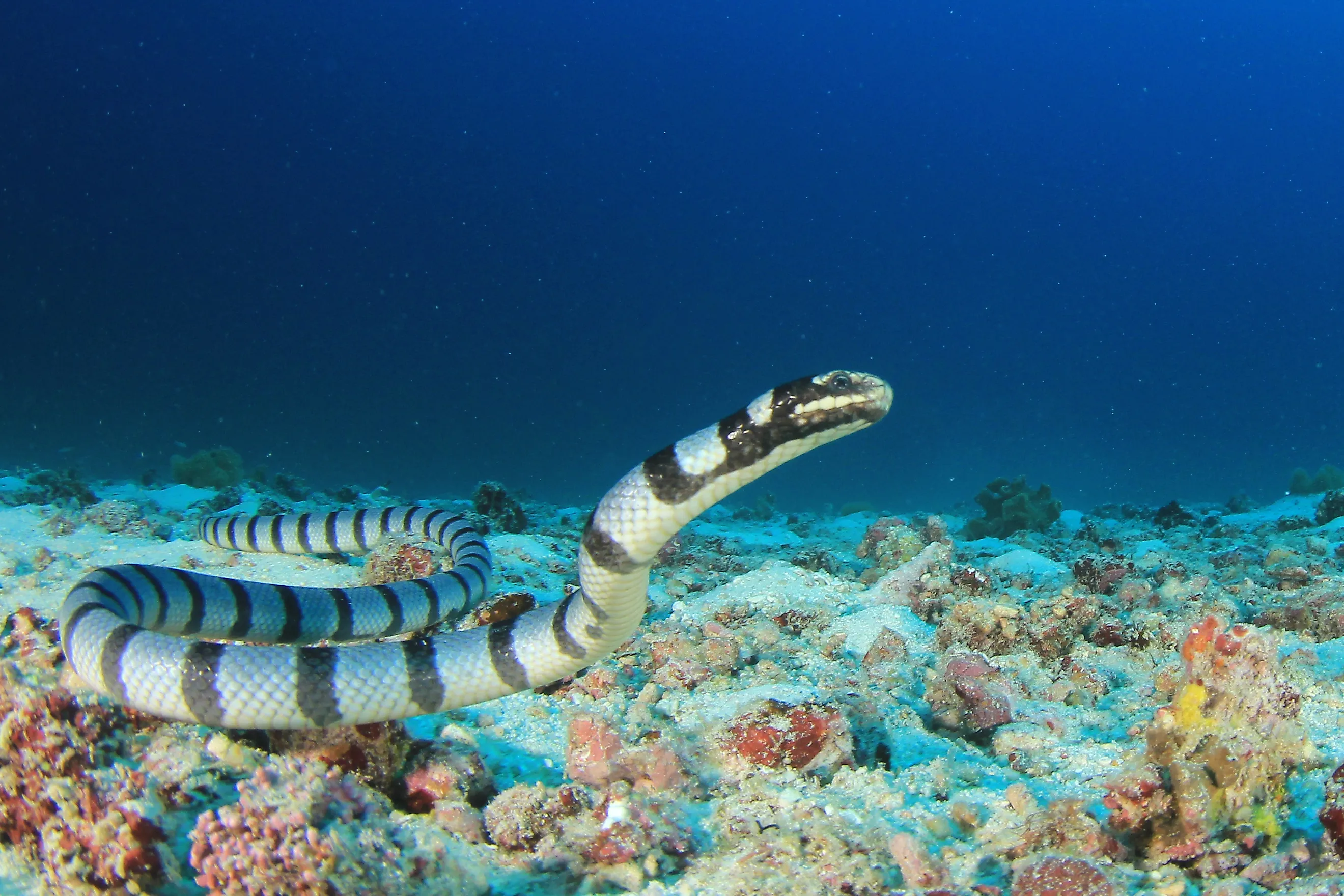
Located in the Gascoyne region, Shark Bay stretches across 23,000 square kilometers of shoreline. The Bay is a marked UNESCO World Heritage Site and is known for its abundant and diverse marine life, including sea snakes. While there are 22 recorded species of sea snakes in Western Australia, there are three in particular that live in Shark Bay: the olive-headed sea snake, the elegant sea snake, and the Shark Bay sea snake, which is found only in this region. Another species, the turtle-headed sea snake, has also been spotted in the area, but far less frequently.
Fortescue River

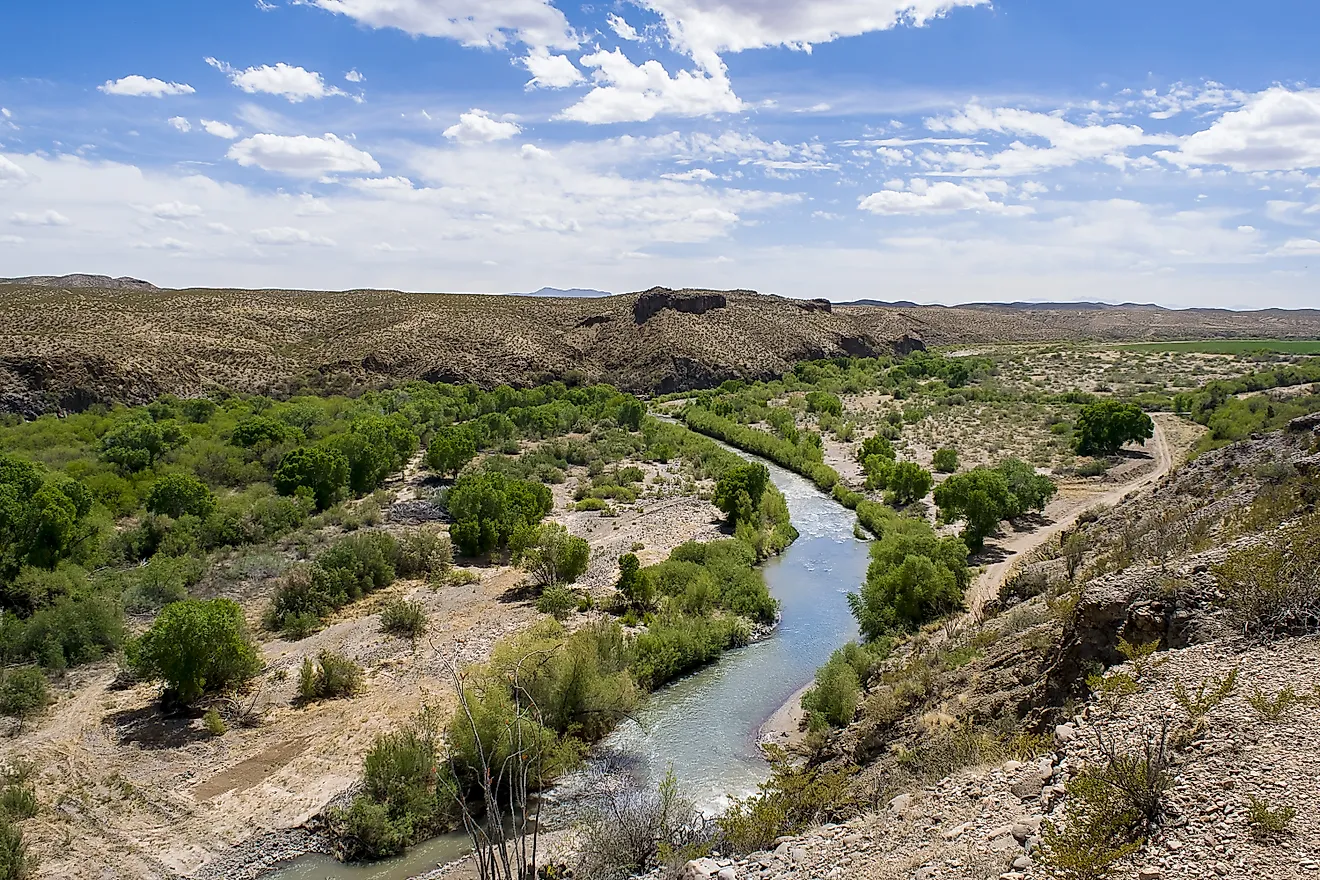
One of Western Australia’s longest rivers, Fortescue, is in the north of the Pilbara Desert. The river is visited frequently by birdwatchers, canoeists, hikers, and campers. During droughts or high temperatures, parts of the river dry up. The Pilbara region is home to at least 119 reptile species, including snakes such as the blind snake and olive python, as well as a few venomous species. The olive python is a non-venomous species native to the area and tends to inhabit caves, burrow under rocks, or occupy hollow logs near water, as it is a strong swimmer and sometimes strikes its prey (birds, other reptiles, and small mammals) underwater.
An Important Ecological Role

From Herdsman Lake to the Fortescue River, Western Australia’s varied habitats provide the right environment and ample warmth for snakes to seek shelter, find food, breed, and ultimately thrive. Alternatively, Carnac Island, despite its isolation, demonstrates just how resilient and adaptable snakes can be when food is abundant and predators are scarce. Although Western Australia and Australia as a whole are home to many snake species, fatal encounters are rare due to advances in medical care. Snakes play an important ecological role in Australia and help balance the numbers of other reptiles, mammals, and fish. When visiting the country, if you see a snake, give it a wide berth, for your safety and theirs.