5 Snake-Filled Waters In North Carolina
North Carolina’s landscapes are highly diverse, from the mountains of its interior to a mix of coastal plains, blackwater rivers, swamps, and floodplains near the coast, creating some of the most snake-dense aquatic environments in the eastern United States.
Cottonmouths (also known as water moccasins), watersnakes, and nearly 40 other aquatic and semi-aquatic species thrive in this southern state, often in some of its most popular outdoor recreational areas. We will examine in greater depth some of the most snake-filled bodies of water in North Carolina that you may not have known about, focusing on locations where ideal habitat, climate, and water conditions combine to support consistently high activity of these slithery critters.
Lake Mattamuskeet

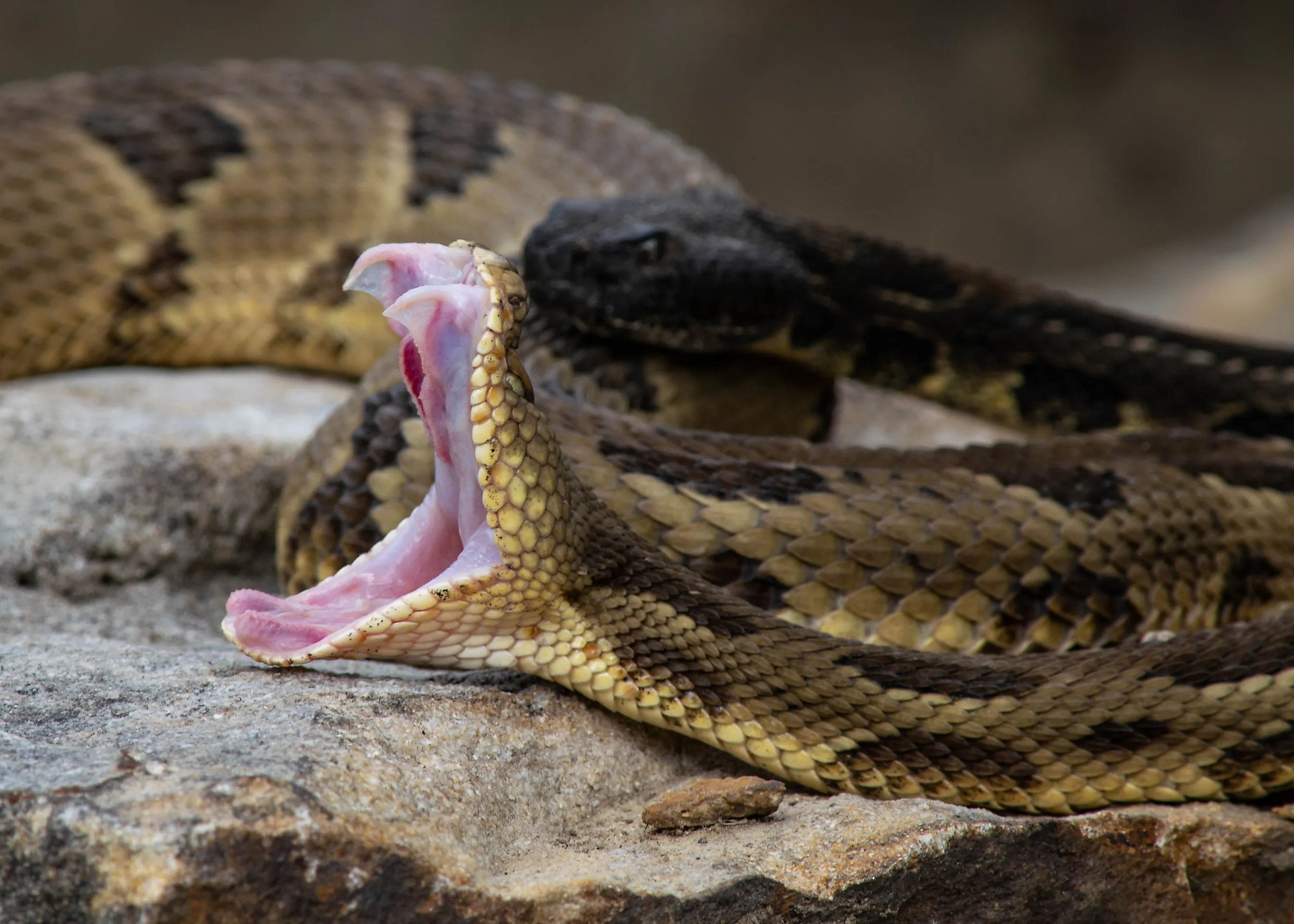
Lake Mattamuskeet sits in Hyde County, perched right on the Atlantic coastline. As the state’s largest natural lake, it covers about 40,000 acres and rests inside none other than the Lake Mattamuskeet National Wildlife Refuge. Its fairly shallow, marshy shoreline and dense vegetation create ideal habitat for several snake species, including canebrake (timber) rattlesnakes, eastern ratsnakes, cottonmouths, watersnakes, and copperheads along drier edges.
Mosquito-heavy summers and mild winters allow snakes to remain active for extended periods. Warm water, abundant amphibians, and plentiful fish keep prey populations high throughout the year, too, keeping these hungry predators well fed. Furthermore, picturesque stands of cypress trees, canals, and drainage ditches surrounding the lake further expand snake habitat outside of its shores.

The lake is also known for being the site of massive waterfowl migrations, drawing thousands of tundra swans, snow geese, and ducks each winter. While boating and fishing are popular here, you should always stay alert, especially near reedy banks and flooded grassy areas, in order not to disturb either snake or bird nests.
Lake Waccamaw

Lake Waccamaw is another one of the most snake-infested freshwater lakes in North Carolina. This egg-shaped lake spans roughly 9,000 acres and is surrounded by cypress swamps and wetlands that support a high snake diversity. For example, cottonmouths are common along the shoreline, especially near fallen logs and overhanging vegetation, whereas watersnakes, eastern kingsnakes, and eastern ratsnakes frequent local swamps, while, more inland, copperheads occur in nearby wooded areas.
This lake’s tannin-stained waters are home to abundant fish, frogs, and small mammals as well, providing steady food sources for an assortment of water-based predators, including a population of American alligators, too. Lake Waccamaw is ecologically unique across the board, housing several other fish, like the Waccamaw silverside and Waccamaw darter, and mollusk species found nowhere else in the world.

On the human side of things, its calm waters attract paddlers and fishermen, but it's important for them to know that snakes often bask near docks and boat ramps, especially during the warmer months. Also, keep in mind that summer heat and consistently humid conditions keep snake activity high from spring through early fall.
Alligator River

Alligator River in eastern North Carolina presents a very different kind of environment. This river is part of Alligator River National Wildlife Refuge, an area perhaps better known for its black bears and red wolves, but its temperate, prey-rich waters also support a large reptile population.
The refuge's slow-moving blackwater creeks and river flow through vast pocosin wetlands, swamps, and flooded forests where dense cover limits visibility along the banks. Perfect for predators that rely on ambush tactics! As usual with this southern state, cottonmouths are frequently spotted near shorelines, while various watersnakes patrol the waterways' often quiet back channels. On the other hand, eastern ratsnakes and corn snakes move through nearby forested areas that flood seasonally.

Alligator River's tannin-dark water absorbs lots of heat, helping snakes remain active for longer stretches of the year, so while boat traffic is minimal in many sections, this relatively undisturbed habitat, far from developed shorelines, should always be approached with caution, regardless of the season.
Roanoke River

The Roanoke River floodplain is an expansive, interconnected system shaped by seasonal flooding rather than open water habitats. This river is actually among the largest intact floodplain systems on the East Coast, boasting a plethora of lively habitats from its heavily forested inland all the way to the ocean. Each spring, rising water spreads across bottomland forests, creating miles of shallow, slow-moving water beneath tupelo and oak canopies that snakes tend to thrive in for a multitude of reasons.

For one, these flooded woods provide idyllic living space for cottonmouths, brown watersnakes, black racers, banded watersnakes, and red-bellied watersnakes, which love to hunt fish and amphibians pushed into confined spaces due to shifting water levels. Moreover, eastern ratsnakes and corn snakes are often sifted out along higher ground and treefall, thanks again in large part to the almost constantly changing waters.
Great Dismal Swamp

The interestingly named Great Dismal Swamp straddles northeastern North Carolina and southeastern Virginia, and is among the most snake-concentrated wetland systems in the region. The swamp covers 113,000 acres (although at one point, centuries ago, that number was closer to 1 million) of wooded wetlands, peat bogs, Lake Drummond, and shallow channels that remain warm and relatively slow-moving for much of the year.

Several watersnake species thrive in the swamp’s ditches and ponds, while eastern ratsnakes and red-bellied watersnakes move through cypress and gum forests during high water. And as with the rest of the state, cottonmouths are especially common here, often seen along flooded trails, canals, and floating vegetation.
The swamp’s acidic water also notably limits large fish populations but supports abundant frogs, salamanders, and small mammals, still creating reliable levels of food for snakes to survive and multiply on the regular.
Keep an Eye on these Bodies of Water Before Jumping In!
North Carolina’s snake-filled waters reflect the state’s extensive wetland systems and long warm seasons. A series of swamps, floodplains, lakes, and meandering rivers provides reliable habitat for a wide range of species, especially in less developed areas that outdoor adventurers also enjoy frequenting. Understanding how these environments function helps explain why snake activity remains consistently high across many of the state's waterways, while keeping you safe and aware in the meantime.