5 Snake-Filled Waters In Nevada
With roughly two dozen native snake species adapted to its diverse environments, Nevada ranks among the western United States’ most snake-friendly states. While the dry climate may seem harsh at first glance, lakes, rivers, and reservoirs create vital oases that attract reptiles and their prey. Several major water bodies in Nevada provide consistent moisture, reliable food sources, and warm, open terrain that snakes rely on for basking and regulating body temperature. So up next, here are 5 bodies of water in Nevada you'll either want to avoid or to seek out, depending on how you feel about swimming with snakes!
Lake Mead

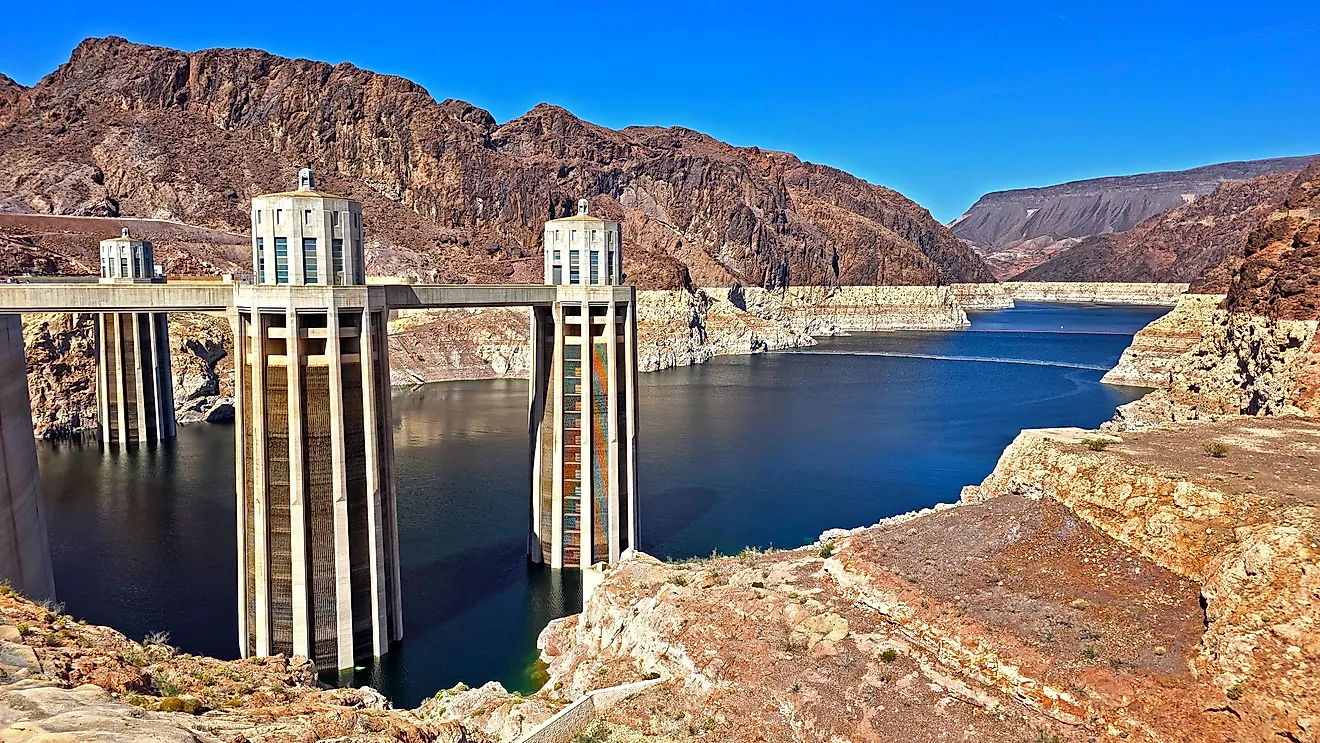
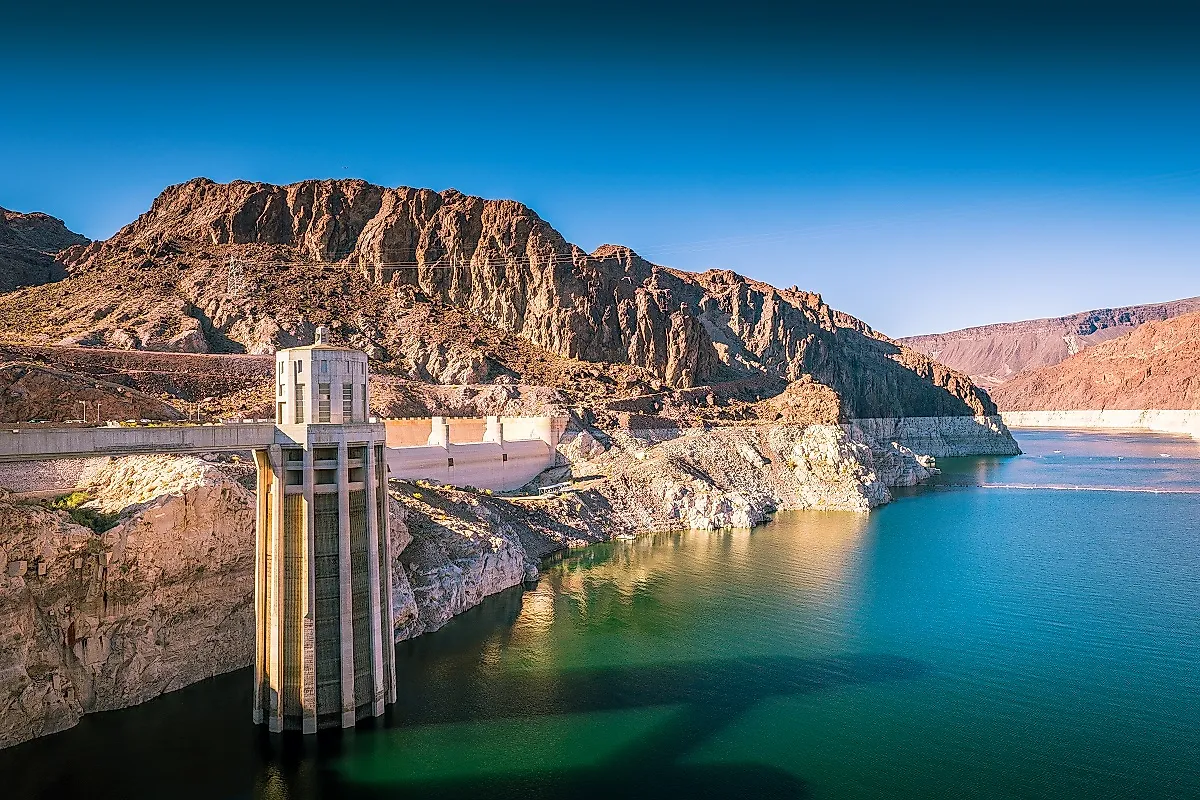
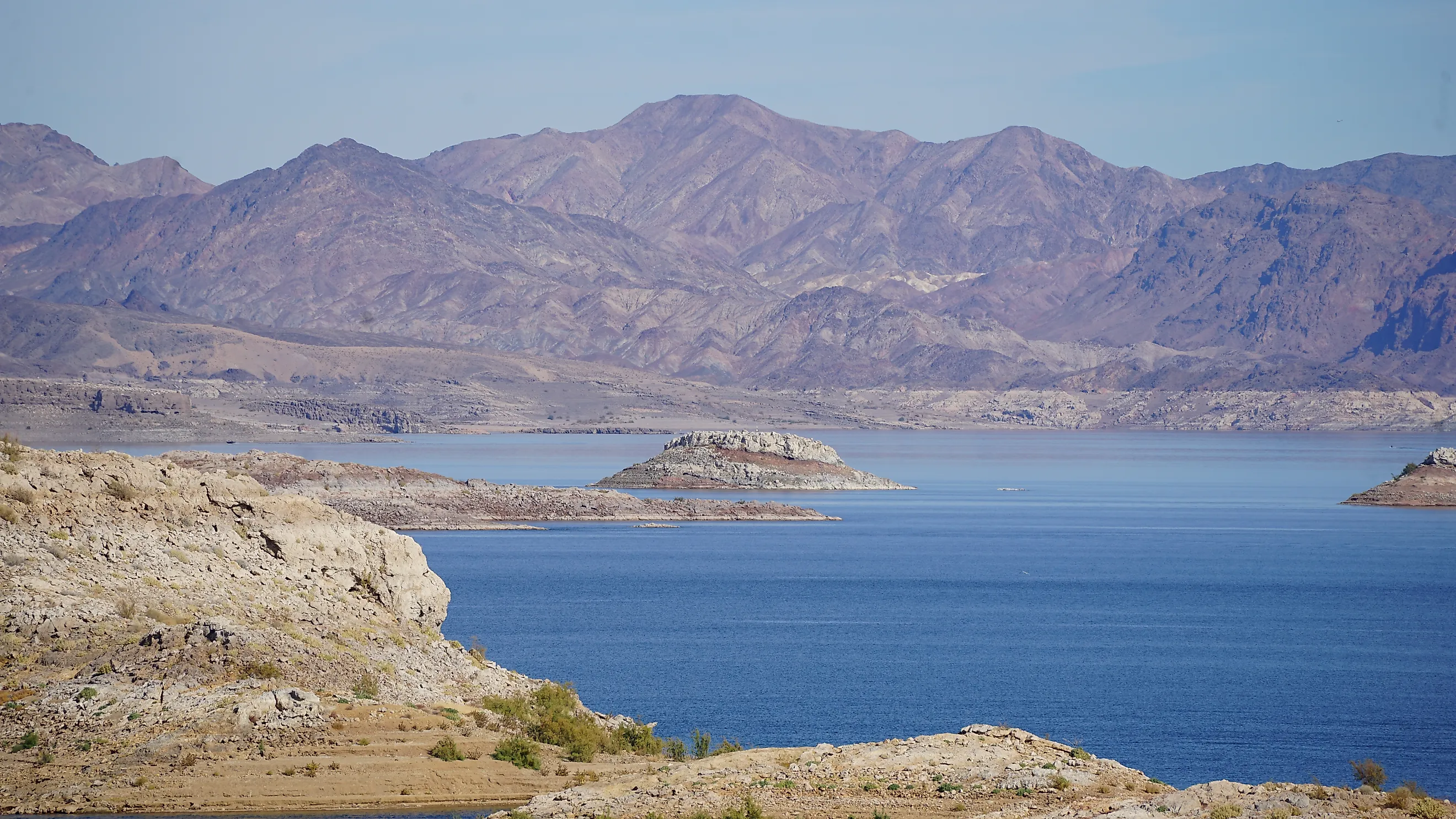
Lake Mead, Nevada.
The massive reservoir on the Colorado River formed by Hoover Dam is Lake Mead, which lies southeast of Las Vegas and extends into Arizona while remaining an important recreation area for nearby Nevada communities. In addition to supporting a wide range of desert wildlife, it is one of the largest reservoirs in the United States by water capacity and supports activities such as boating, fishing, and camping.
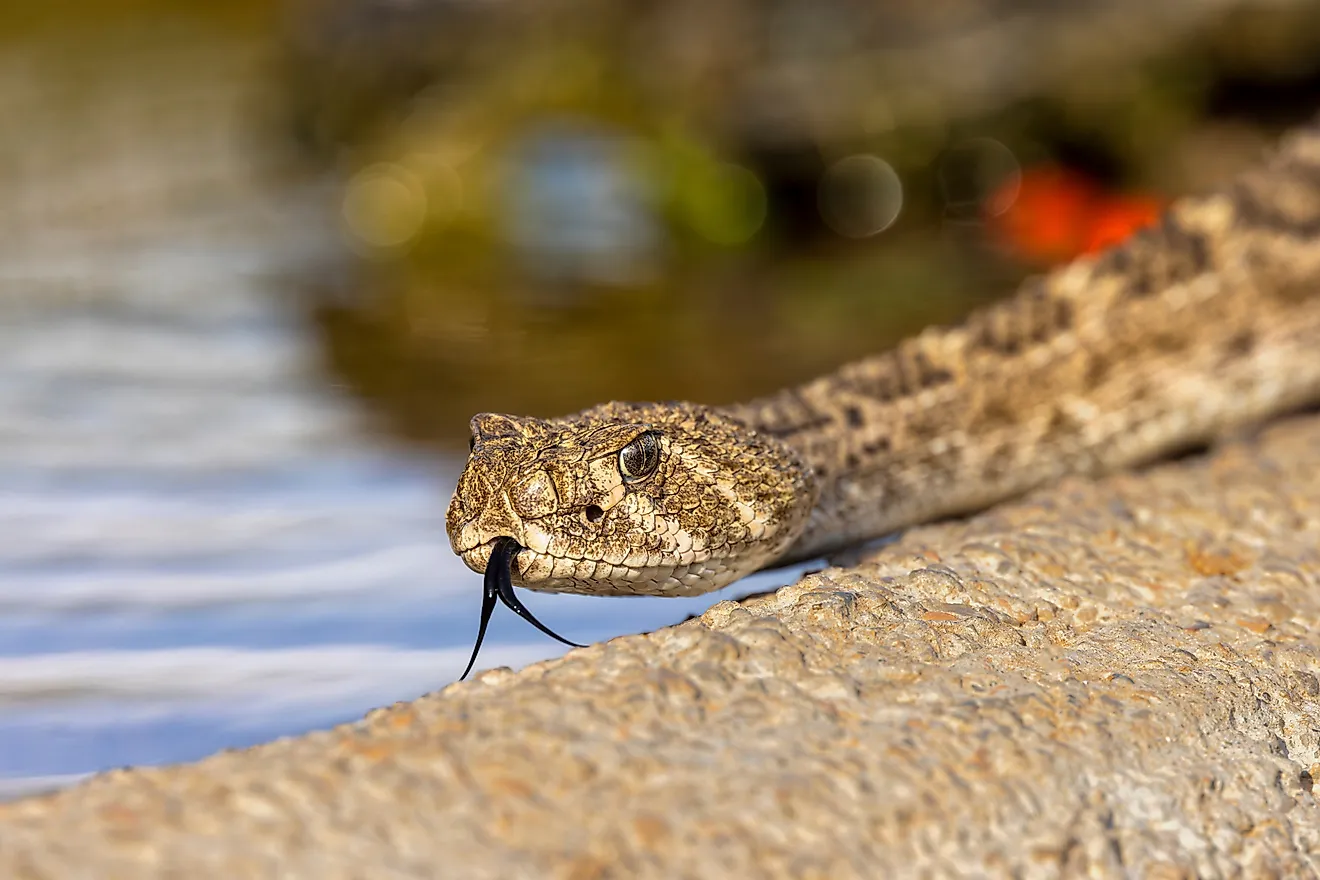
At least 41 reptile species have been documented within Lake Mead National Recreation Area, including nonvenomous gopher snakes and kingsnakes found near the water’s edge. Several venomous rattlesnakes, including sidewinders, southwestern speckled rattlesnakes, western diamondbacks, and Mojave rattlesnakes, also occupy the rocky shorelines and desert slopes above the lake.

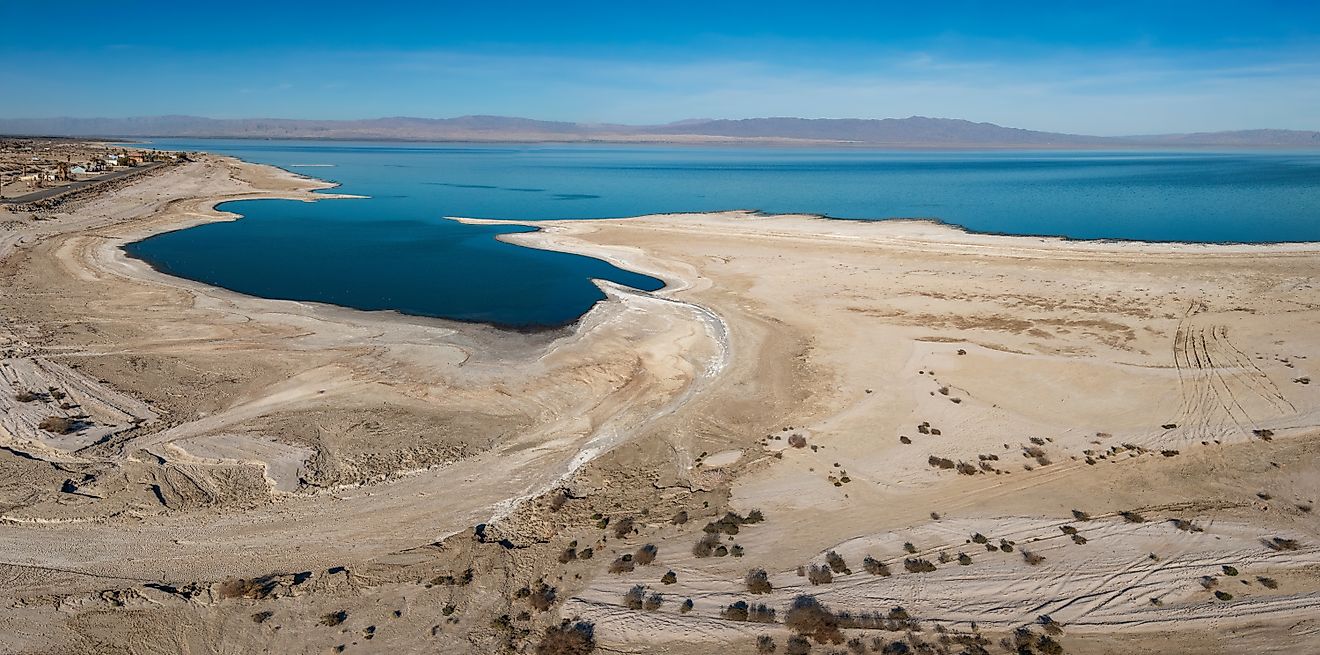
Pyramid Lake

Pyramid Lake, Nevada.
Pyramid Lake is a large endorheic, or no-outflow, salt lake northeast of Reno that lies entirely within the Pyramid Lake Paiute Tribe Reservation. It is a remnant of ancient Lake Lahontan and is fed by the Truckee River. The area’s mix of sandy shorelines, brush-covered flats, and rocky outcrops provides snakes with shelter, basking sites, and abundant prey near the water, including birds, amphibians, and small mammals. Great Basin rattlesnakes and nonvenomous gopher snakes, common across northern Nevada, are often found along the lake’s desert slopes and riparian margins, where they play a role in controlling rodent populations.

Walker Lake

Walker Lake, Nevada.
Walker Lake is a natural terminal lake in western Nevada’s Great Basin, located in Mineral County south of Hawthorne and fed by the Walker River, with water leaving only through evaporation. Snakes are common here because the lake’s riparian corridors and moist shoreline edges provide access to amphibians, rodents, and birds, while the surrounding desert scrub supports rattlesnakes and other desert-adapted species. Western terrestrial garter snakes are frequently found along riparian areas in the Walker Basin. Great Basin rattlesnakes, gopher snakes, common kingsnakes, striped whipsnakes, and coachwhips are typical of the nearby drier habitats and sometimes appear near the water.
Truckee River

Truckee River, Nevada.
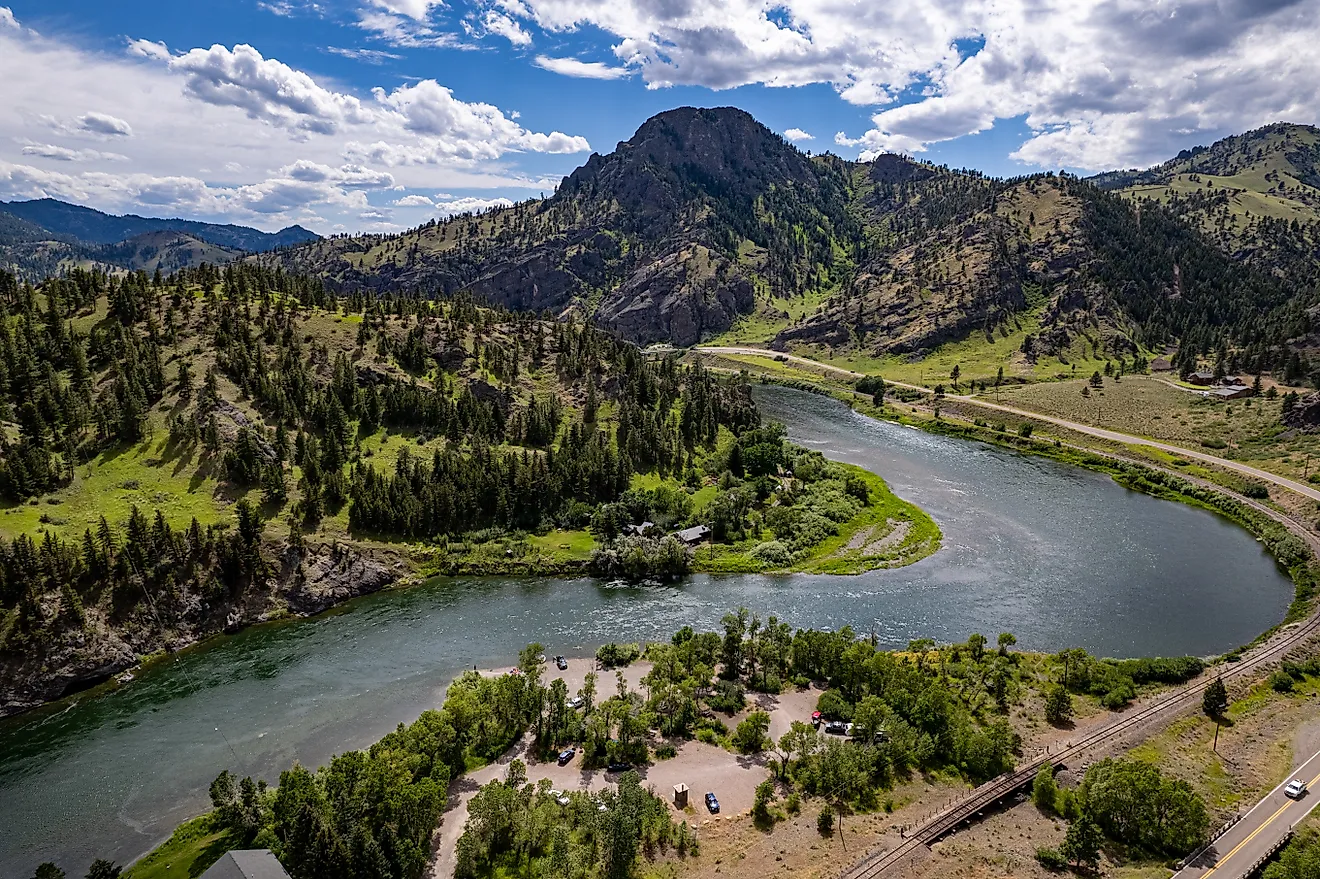
The roughly 140-mile-long Truckee River begins at Lake Tahoe in California’s Sierra Nevada and flows through Reno and Sparks before entering Pyramid Lake to the northeast. Along its course, it supports important riparian habitats and fisheries. The river serves as a wildlife corridor in an otherwise dry region, and its year-round water supply and abundant prey make it a concentration area for snakes compared with the surrounding desert terrain. Western terrestrial garter snakes are commonly observed feeding on fish, amphibians, and invertebrates along the riverbanks and vegetated margins. Long-term surveys have documented this species along most sections of the river. Gopher snakes also use the river corridor and may bask or hunt near access points used by people.
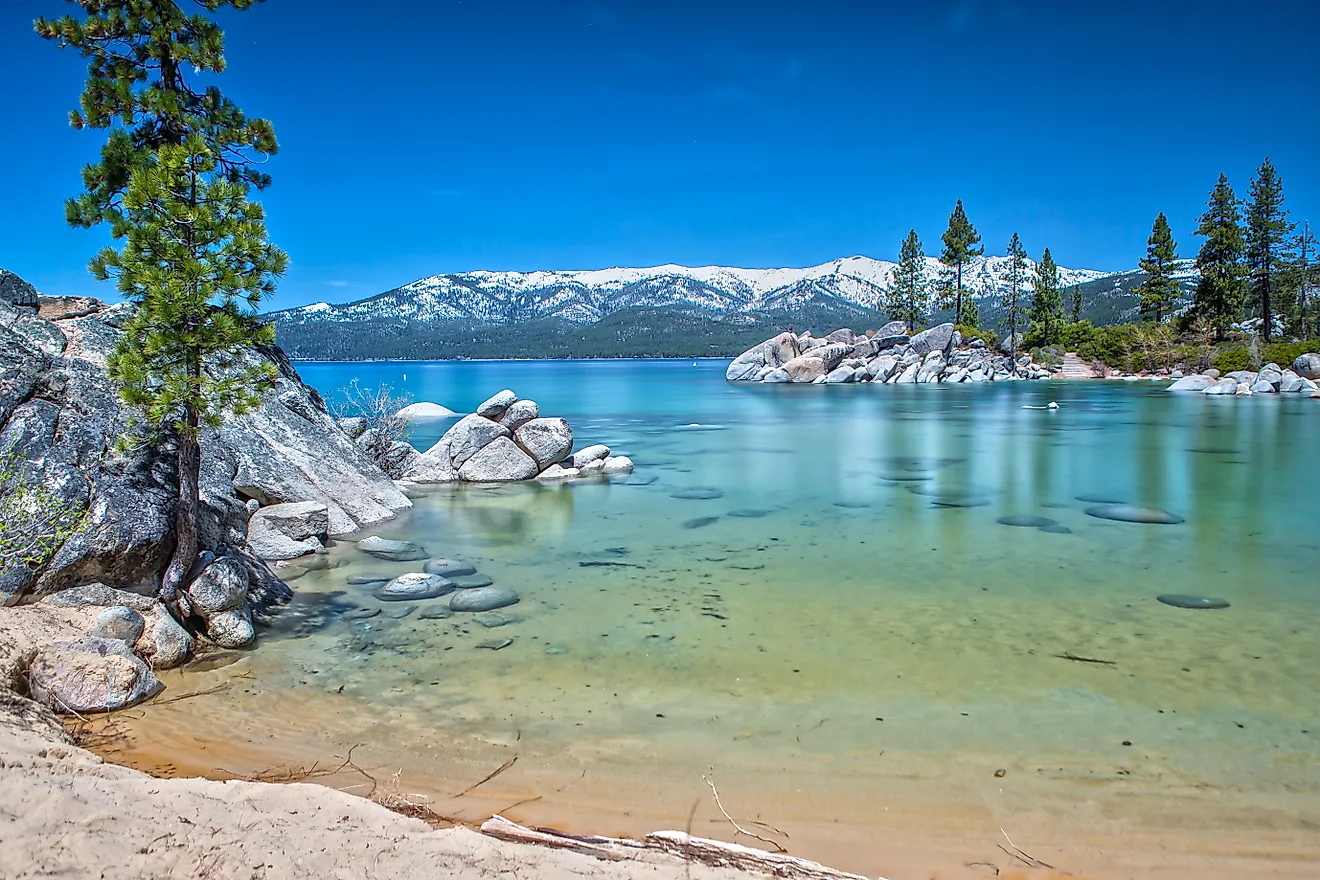
Lake Tahoe

Lake Tahoe, Nevada.
Lake Tahoe is a deep alpine lake that spans the California-Nevada border, with roughly one-third of its shoreline located in Nevada. During snow-free months, the lake’s wetlands, meadows, and forest edges support a diverse snake ecosystem. Several garter snake species occupy riparian zones and wet meadows along the shoreline and tributary streams, where they feed on fish, amphibians, and invertebrates. Forested areas and lakeside wetlands also support northern rubber boas, along with Great Basin and northern Pacific rattlesnakes found throughout the surrounding region. Together, the lake and its nearby habitats support one of Nevada’s highest concentrations of snake species associated with water.
Awareness Along Nevada’s Waters

Nevada’s climate and water-rich areas support many snake species, and encounters are possible anywhere people recreate near lakes and rivers. These encounters most often occur while stepping over sun-warmed rocks, moving through shoreline vegetation, or approaching driftwood and rock piles along the shore. Maintaining basic awareness is important for those who are uneasy around snakes. Watching where hands and feet are placed, allowing snakes ample space, and retreating slowly after an encounter can greatly reduce the chance of conflict while still allowing people to enjoy Nevada’s outdoor settings and observe wildlife at a respectful distance.