5 Most Snake-Filled Bodies Of Water In Maryland
Maryland's web of fresh and saltwater waterways includes vast tidal estuaries, winding coastal rivers, quiet forested lakes, and sprawling freshwater marshes. Many of these environments support healthy populations of native snakes thanks to their abundant food sources, attached wetlands, and relatively undisturbed shoreline habitats. Along the Chesapeake Bay and the Potomac River, northern watersnakes and eastern ratsnakes are especially common, while the rocky ridges around Deep Creek Lake shelter venomous timber rattlesnakes. Most native species in this state are nonvenomous, though, and play an important role in controlling small fish, amphibian, and rodent populations. With that, these are the Maryland-based bodies of water where snake encounters are most likely, along with other information on the landscapes and wildlife that make each location especially suitable for reptiles.
Chesapeake Bay

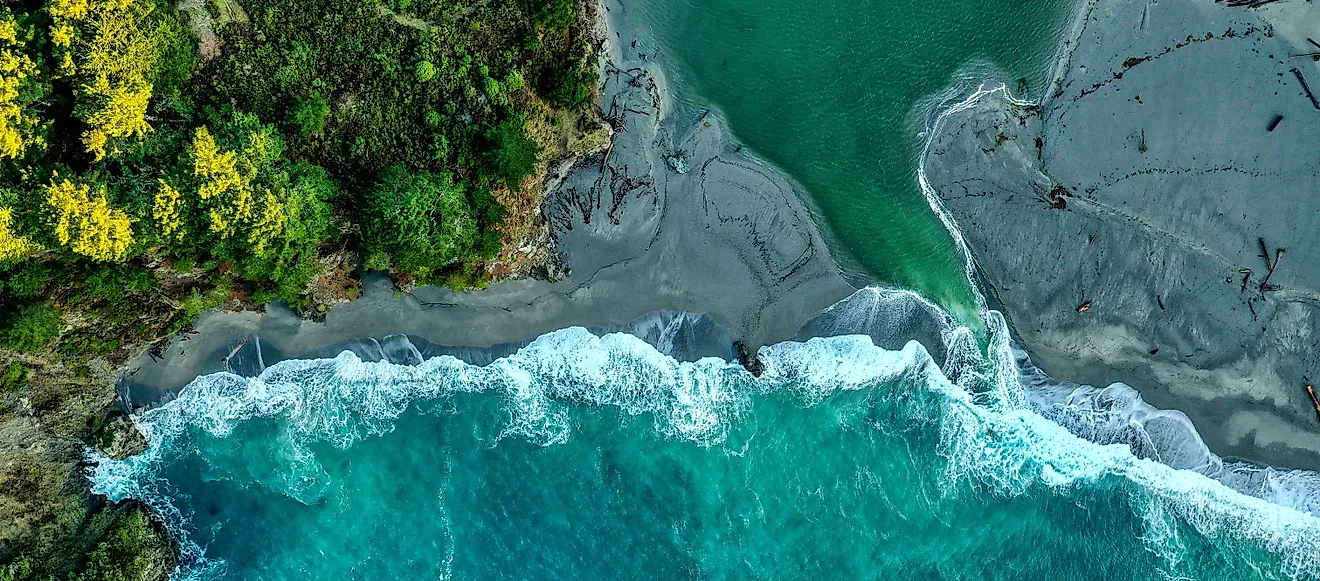
Stretching roughly 200 mi (322 km) from the Susquehanna River to the Atlantic Ocean, Chesapeake Bay is Maryland's largest and most ecologically important body of water. Its vast shoreline, countless tidal marshes, forested inlets, and quiet coves provide excellent habitat for several snake species. In its more southern reaches, particularly around tidal wetlands, eastern mudsnakes can be found, although they are secretive and rarely encountered.

Northern watersnakes are especially common too, this time along rocky shorelines, docks, and wetlands, where they hunt fish and amphibians. Eastern ratsnakes frequently patrol nearby forests and marsh edges as well, while eastern copperheads inhabit some wooded sections along the bay's western and eastern shores. In fact, the bay supports more than 3,600 species of plants and animals, making it one of North America's most productive estuaries. Anything from bald eagles and diamondback terrapins to blue crabs and migrating waterfowl can be found here, and all depend on the same diverse habitats that make the sizable bay attractive to Maryland's native snakes.
Potomac River

Forming much of Maryland's southern border, the Potomac River flows for over 400 mi (644 km) before emptying into Chesapeake Bay. Along Maryland's portion of the river's banks, there are broad floodplains, wooded banks, rocky outcrops, and quiet backwaters that create ideal living spaces for several native snake species. The Potomac is equally notable for its remarkable diversity of fish, with more than 100 species recorded throughout the watershed. Anglers regularly visit the river for smallmouth bass, largemouth bass, catfish, and muskellunge, while the surrounding forests and wetlands house ospreys, great blue herons, beavers, and white-tailed deer alongside its healthy snake populations.

Like many northern states, northern watersnakes (or "common watersnakes") are regularly seen swimming near shore or basking on fallen logs, feeding on favorite foods like small fish and crayfish. Eastern ratsnakes are also common in nearby forests bordering the river, while eastern garter snakes hunt through riverside meadows and wetlands. In other suitable wooded sections close by, particularly farther inland from the river's edge, venomous eastern copperheads are also present.
Blackwater National Wildlife Refuge

Located along Maryland's Eastern Shore, the waters of Blackwater National Wildlife Refuge include the Blackwater River, a number of freshwater ponds, and expansive marshes that create excellent habitat for reptiles of many sorts. Blackwater is equally famous as one of the East Coast's premier birding destinations. Tens of thousands of migrating ducks and geese pass through each year, and the refuge boasts one of the Atlantic region's largest concentrations of breeding bald eagles. This exceptional biodiversity extends well beyond birds and snakes, however, making the wetlands easily among Maryland's most important wilderness gems.

Above all, a combination of shallow, slow-moving waters and food sources provides ample food sources and hiding places across the refuge. Common watersnakes are widespread throughout these wetlands, often seen basking on muskrat lodges, fallen trees, or patches of exposed shoreline before slipping into the water when disturbed. Furthermore, eastern ribbon snakes and eastern garter snakes, other commoners in Maryland, also thrive in the refuge's marshes, while eastern ratsnakes occupy adjacent forests and upland areas, too.
Deep Creek Lake

Covering nearly 3,900 acres (1,578 ha) in western Maryland, Deep Creek Lake is Maryland's largest inland lake and hosts a variety of snake species along with it. Several habitats along its wooded shoreline, including coves, wetlands, and feeder streams, are teeming with life. Beyond its snakes, Deep Creek Lake is notable for being a major cold-water fishery, teeming with species such as walleye, yellow perch, and smallmouth bass.

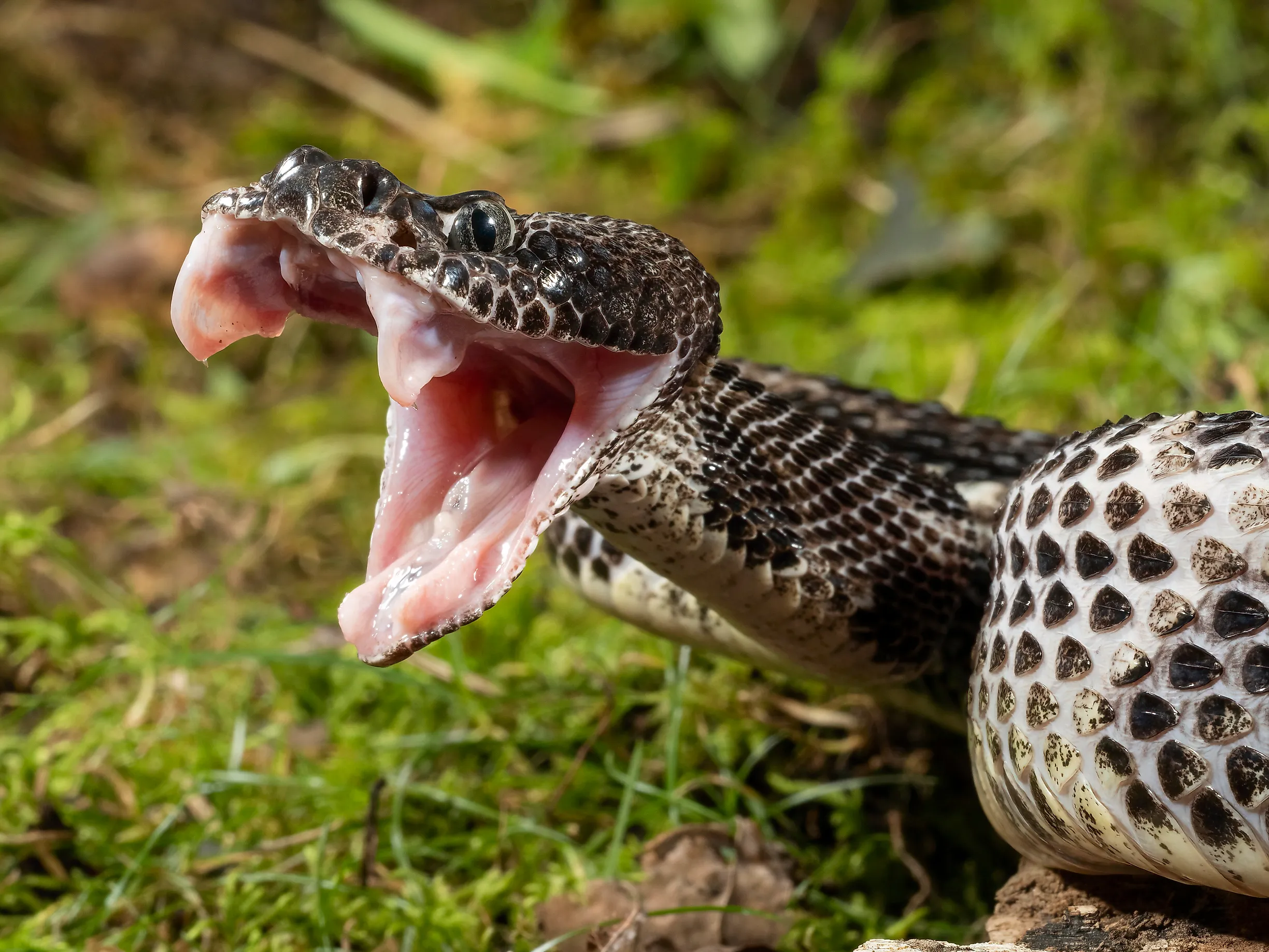
The lake's quieter edges and surrounding forests are home to timber rattlesnakes, which favor the rocky slopes and forested ridges surrounding Garrett County's Appalachian terrain. These large venomous snakes, identifiable by their dark crossbands and tail rattles, typically avoid heavily used areas. But along the water itself, northern watersnakes hunt around docks, submerged vegetation, and rocky banks where fish and amphibians are abundant. The surrounding forests also support black rat snakes, which are skilled climbers often found searching for birds, eggs, and rodents.
Nanticoke River

Also flowing into Chesapeake Bay, the Nanticoke River's collection of tidal marshes and forest-blanketed wetlands makes it an all-around incredibly productive habitat for snakes across Maryland's Eastern Shore. But unlike faster-moving rivers, its slow currents and remarkably dense aquatic vegetation create ideal conditions for species that rely on aquatic prey. Moreover, the Nanticoke is notable for its huge amount of undeveloped shoreline, which has helped preserve large sections of Chesapeake Bay-adjacent marsh habitats that have disappeared in many other parts of the region.

Eastern mudsnakes, recognizable by their glossy black backs and bright red or pink bellies, inhabit some of the river's wetter margins, where they hunt almost exclusively for aquatic salamanders. Yet again, northern watersnakes are frequently encountered along muddy banks and marsh channels, while eastern ratsnakes move through the surrounding forests in search of small mammals and nesting birds. The river basin is also known to have diamondback terrapins, turtles, and numerous amphibians that sometimes provide a steady food supply for several other snake species.
Be Careful of Snakes in These Maryland Waters
Whether you're paddling a lazy creek, fishing from shore, or hiking beside a mountainous lake, snakes are a natural part of Maryland's aquatic ecosystems. Please note that most encounters are brief and not dangerous, as these reptiles typically retreat when approached. Understanding where snakes thrive not only helps you stay aware of your surroundings but also highlights the remarkable biodiversity found throughout this Mid-Atlantic state's waterways.