The Most Snake Infested Lakes in North Dakota
Snakes in North Dakota run on external warmth, so a sandy beach or riprap dam becomes a natural solar panel, bringing bodies up to hunting speed in minutes. Water edges concentrate life (frogs, minnows, and especially mice drawn to campsites and grain fields) so a single cove can support garter snakes, bull snakes, and even rattlesnakes in the same afternoon.
In river-fed reservoirs, fluctuating levels redraw the habitat map, shifting basking rocks and hiding crevices from season to season and sending snakes exploring new stretches. Learn these patterns, and a fishing trip reveals a second, scaled community moving through the reeds, watching, waiting, keeping shoreline food webs in balance.
Lake Oahe

One of the biggest bodies of water in the state at 231 miles long, the shores of Lake Oahe's waters stretch from Pierre, South Dakota, to Bismarck, North Dakota. This lake borrows its name from the Oahe Indian Mission, which was established in 1874 to house the Lakota Sioux tribe. With over 50 recreation areas surrounding the lake, there's something for everyone, from the tranquil hiking trails to the walleye, pike, bass, and salmon that stock the lake for anglers. There's plenty of history and Indian artifacts to be found along this lake's gorgeous shorelines.

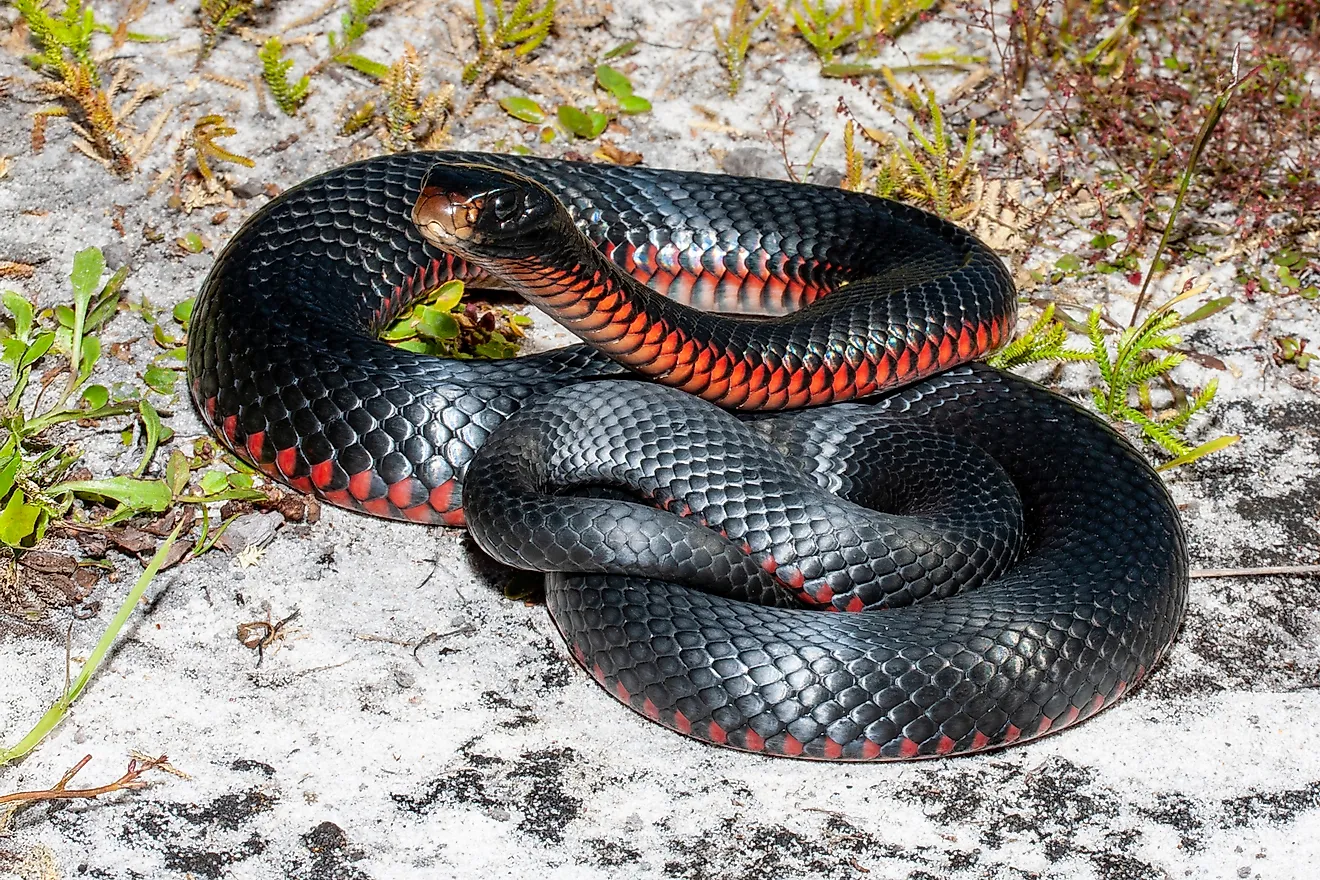
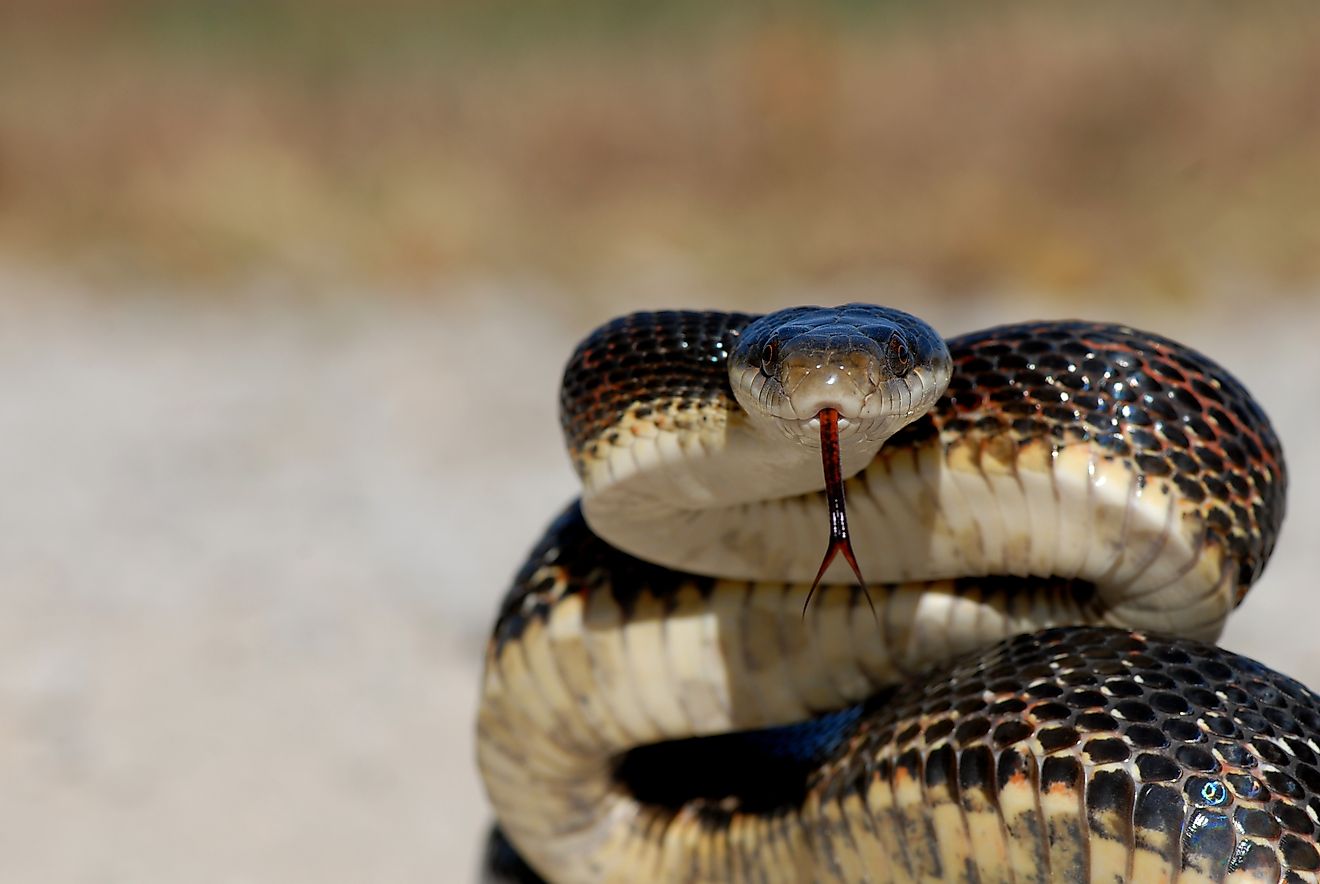
Connected to the Missouri River, Lake Oahe does have one drawback: Its large population of rattlesnakes. The diverse and healthy ecosystem of the Missouri River makes it the most snake-infested river in America. The high water levels and unpredictable patterns of flow make it a perfect spot for water snakes, rattlesnakes, and cottonmouths, along with less dangerous species like western rat snakes and bull snakes. While these creatures can give boaters and swimmers a fright, they're crucial to the thriving ecosystem of the Missouri River basin.
Lake Sakakawea

Government Bay at Lake Sakakawea
Lake Sakakawea is the third largest artificial reservoir in the entire county. Stocked with chinook salmon, northern pike, and walleye, it's known for its incredible fishing opportunities. The sandy shores of the swimming beaches are perfect for a day of family fun. For hikers, the famous North Country National Scenic Trail, which runs for 4,800 miles from Vermont, ends here. The trail is easy to access from the Visitor Center, and crosses through a shortgrass prairie before it winds through mature coulees of elm and ash where sightseers often spot pheasants and deer. Bikers, snowshoers, and cross-country skiers also love this trail.

However beautiful the scenic trails may be, snakes still lurk in the shortgrass and rocky outcroppings found in the shores around the lake. Visitors have sighted huge bull snakes sunning themselves on the beach and in the meadows. These snakes can grow up to 72 inches! They're usually a light yellow or straw color, with a row of dark blotches that run down their back, and smaller blotches, bars, or speckles along their sides. These snakes are not venomous, although they may bite when provoked. They help maintain the area's ecosystem by eating mice, rats, and other small mammals.
Brewer Lake

If you're looking for a quiet alternative to larger lakes, Brewer Lake in Cass County is ideal. This grassy-shored lake of 125 acres is perfect for swimming, boating, and fishing. Anglers will love the bluegill, walleye, and bass that the lake is stocked with, while swimmers will appreciate that the lake is no deeper than 48 feet down. The tiny town of Erie nearby offers plenty of amenities for vacation-goers.
Brewer Lake is also home to the beautifully patterned Plains Garter Snake, which can usually be found living near water sources such as lakes, rivers, and marshes. This snake can be spotted by its distinctive yellow-orange stripe down its back, as well as its tire-tread black and yellow patterns all the way down its body. It's one of the most cold-tolerant snakes in the state, being active all the way from April to late October, and will often come out of its den on warmer winter days to bask in sunny places. While the Plains Garter Snake is mildly venomous, its bite is not usually dangerous to humans.
Clausen Springs Lake

Just 2 miles south of Kathryn, ND, the Clausen Springs Recreation Area spans 545 acres and features a beautiful lake with grassy shores. Driving around the lake provides scenic views of North Dakota's prairie landscapes. The North Country National Scenic Trail runs along an abandoned rail bed across the park’s northern edge, while a 2-mile hiking loop offers stunning views of the area. An interpretive site near the main campground educates visitors about the rich history of Clausen Springs and the Sheyenne River Valley National Scenic Byway.
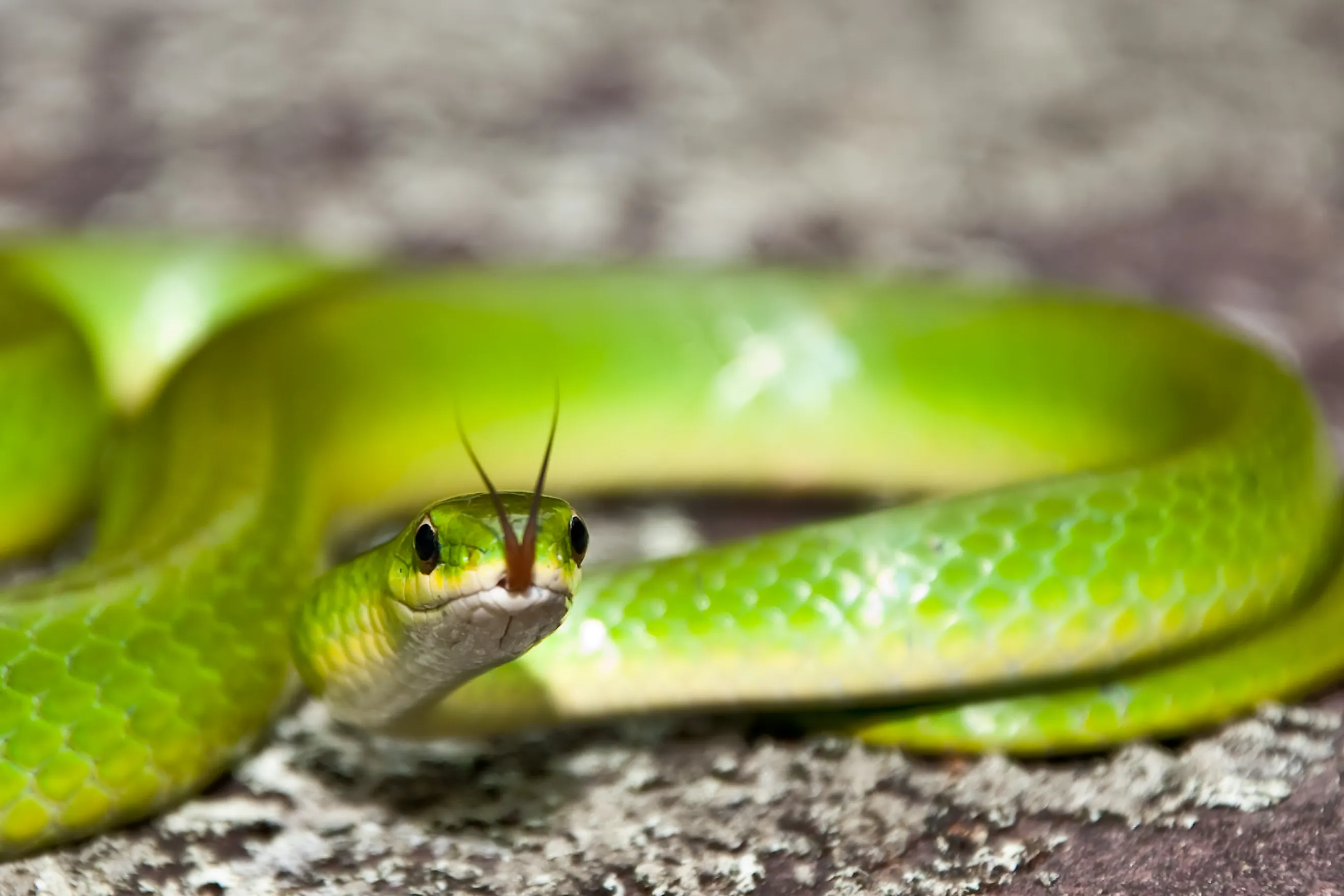
Hikers may also encounter the Smooth Green Snake, or grass snake, which inhabits meadows, open woods, marshes, and stream edges. This snake has a bright spring green back, a pale yellow or white underside, and grows to about two feet. It is excellent at camouflage, bobbing its head to mimic grass or branches swaying in the wind. Not venomous and rarely biting, the Smooth Green Snake is popular among collectors for its vivid color, though it does not adapt well to captivity.
Devils Lake

Devils Lake is a top recreational destination in North Dakota for good reason. The White Horse Hill National Game Preserve features a 4-mile nature trail where wildlife enthusiasts can observe white-tailed deer, elk, and bison, while birdwatchers may spot warblers, wood ducks, and other species. Camping options are plentiful at Grahams Island State Park, and fishing enthusiasts can enjoy catching walleye, pike, and bass, especially since the area is known as the "Perch Capital of the World." The local eateries offer a range of options, from fine dining to quick bites at coffee shops or donut stands.
However, the most famously sighted snake in Devils Lake is actually a legendary creature. The Devils Lake Serpent was first reported by Native American tribes, who told stories of its ferocity. One legend claims that the Serpent devoured an entire Dakotan army during a conflict between the Dakota and Ojibwe tribes. The Serpent is typically described as being 50 to 60 feet long, though some visitors claim to see twelve-foot-long serpents. Descriptions often depict it with a winding body, a snake-like head, red glowing eyes, shiny black or green scales, horns protruding from its head, and sharp fins along its sides.
Final Thoughts
Whether real or mythical, snakes in North Dakota significantly influence the ecosystem by preying on mice, rats, and other small rodents that can cause problems if left unchecked by natural predators. Hikers and swimmers should exercise caution around lakes, as rattlesnakes often hide in tall grass or beneath rocky outcroppings. Avoid handling wild snakes. If bitten by a snake during your vacation, call 911 or seek medical help right away, as even minor bites can be hazardous.