How The Great Wall Of China Actually Worked
Everyone envisions the Great Wall as a massive, continuous wall with invaders colliding with it, and astronauts looking down from orbit. However, this image is mostly inaccurate. The true story is more intricate, bizarre, and much cooler than the myth, because it wasn't just about building a wall. It was about managing an immense, challenging frontier spanning thousands of miles, with stone being only a minor aspect of the whole endeavor. Here's how it actually functioned.
It Wasn't a Wall. It Was Walls.

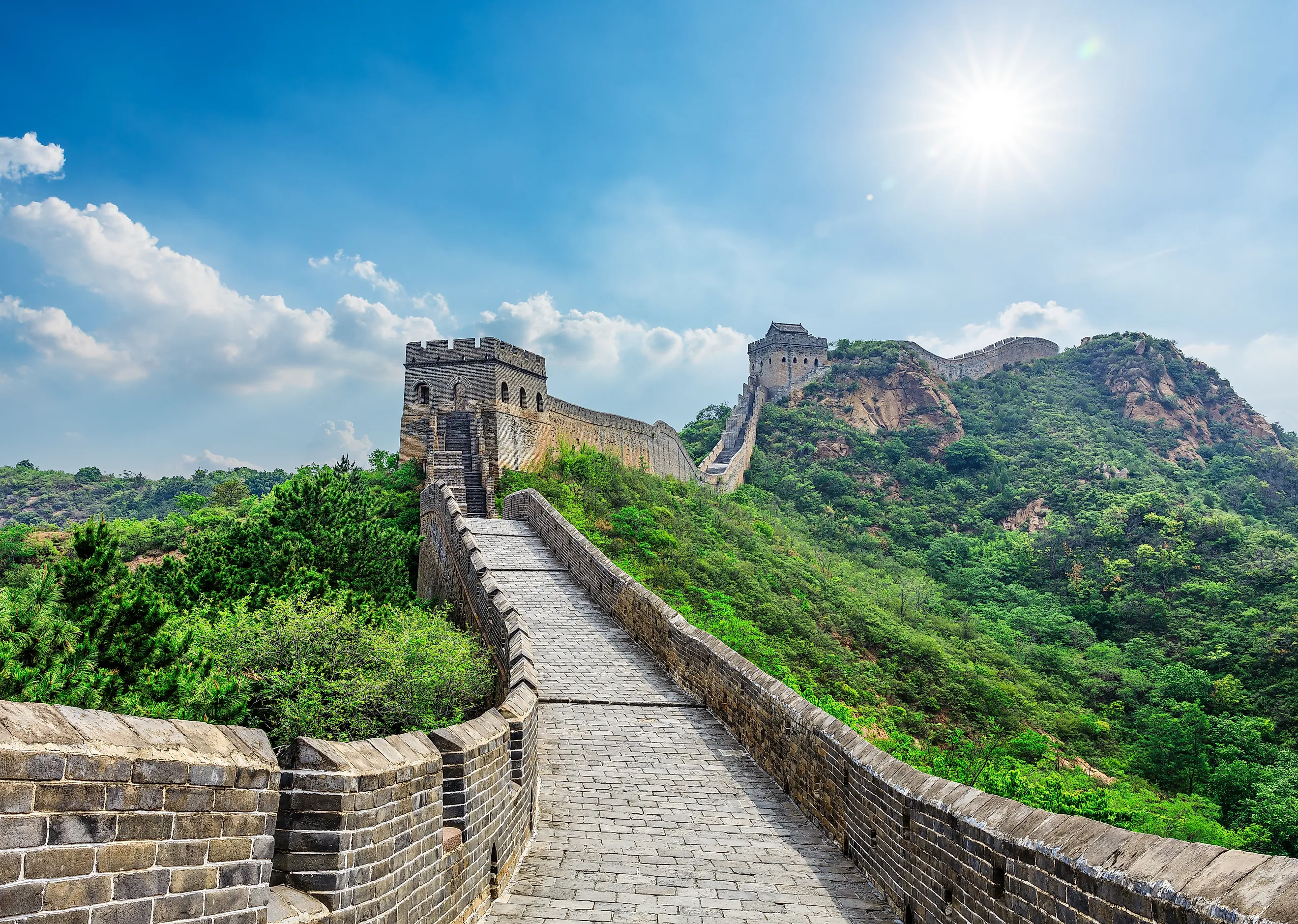
The first step is recognizing that "the Great Wall" is fundamentally a form of branding. What we refer to as one wall is actually a complex network of many walls constructed by over ten dynasties across nearly two millennia. Some walls run parallel, others are disconnected. The iconic stone wall most people imagine was mainly built during the Ming dynasty and extends about 5,500 miles, while all the fragments combined total over 13,000 miles. Think of it less as a single structure and more as a century-spanning greatest hits collection, with each dynasty contributing its own sections and older parts gradually deteriorating.
It Was a Speed Bump, Not a Force Field
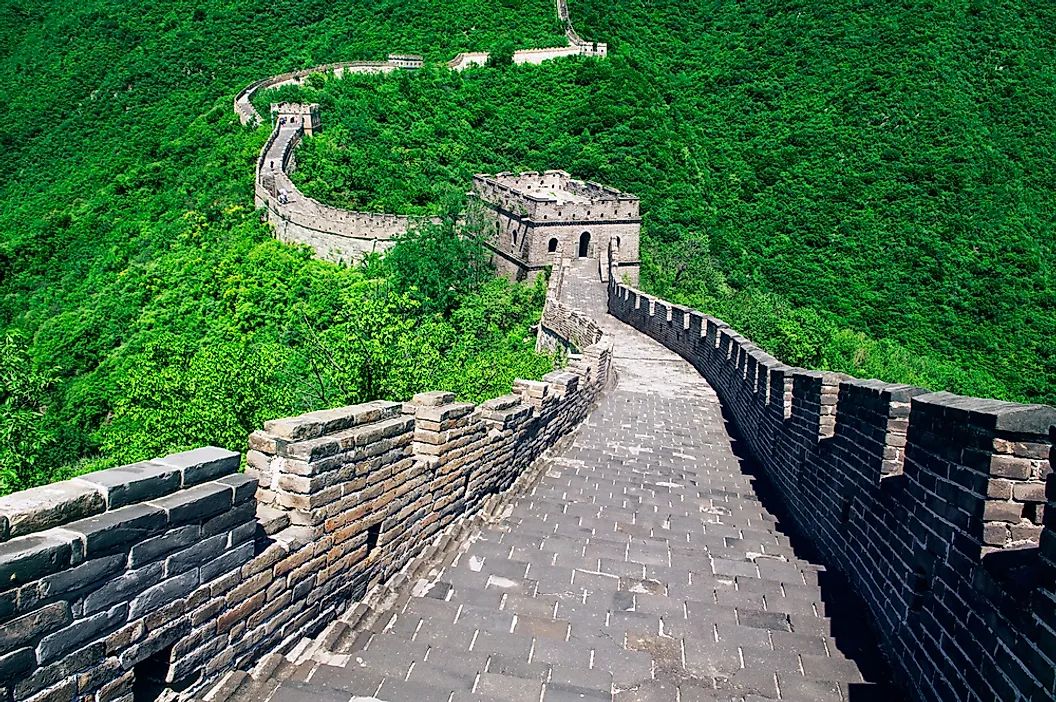
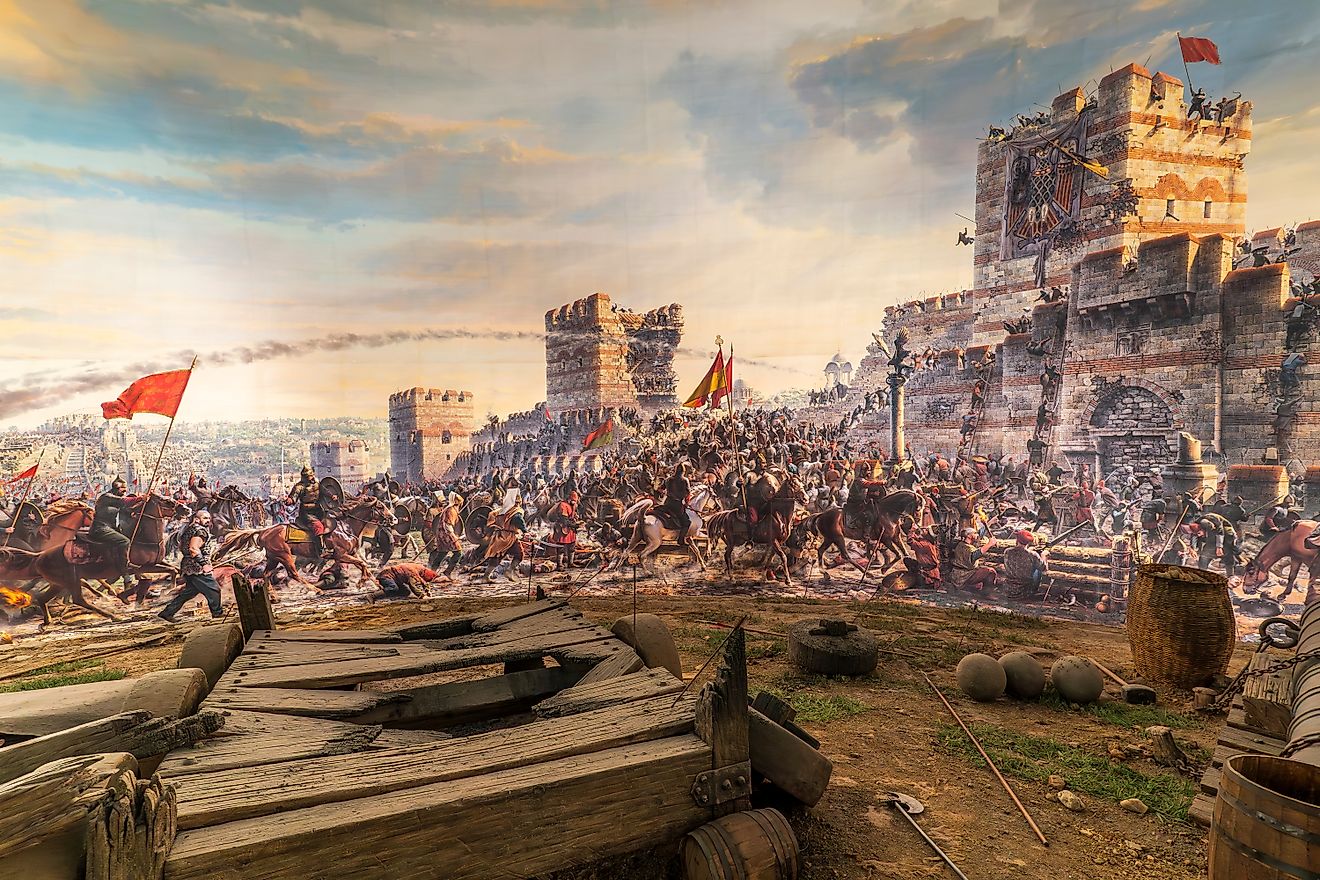
Here's the truth nobody wants to hear: a wall alone can't stop a determined army. It has never been capable of that. The Great Wall’s real strength was making raids much more difficult and frustrating. The main enemies were mounted nomads who relied on quick hit-and-run attacks, with their entire plan based on speed. They could gallop to a village, steal what they could, and escape before anyone could respond. However, they couldn't easily ride back over a fifteen-foot wall with stolen horses or a load of treasure. The wall slowed down fast, reckless raids, making them more cumbersome and vulnerable, and it directed attackers toward a few heavily guarded gates where defenders waited. It acted more like a speed bump meant to delay and disrupt, not an invincible barrier.
Its Real Superpower Was Texting

The wall's most impressive feature was its communication system. Beacon towers spaced every few miles along the top served as clever relay points. When lookouts detected danger, they signaled using smoke during the day and fire at night, complemented by flags and drums. These signals were coded: the number of smoke columns indicated the approximate number of approaching enemies. This warning system could transmit information hundreds of miles within hours, leaping from tower to tower much faster than messengers on horseback. The message chain extended not just along the wall but inland to garrisons and the capital. Two thousand years before the invention of the telegraph, the Great Wall functioned as an extensive, slow but surprisingly efficient group messaging network that could outpace a galloping horse.
Part Highway, Part Tollbooth

The wall served multiple purposes. The wide walkway along the top functioned as a raised military route, allowing commanders to quickly send soldiers and supplies to threatened areas, outpacing enemy efforts. The large gated passes were more than just choke points; they acted as customs stations. During the Silk Road era, the western end of the wall connected with caravans from Central Asia. Gate officials controlled access, taxed incoming goods, and monitored all crossings. Essentially, the wall also acted as a border control point and generated revenue, earning money from the trade it protected.
It Ran on Porridge
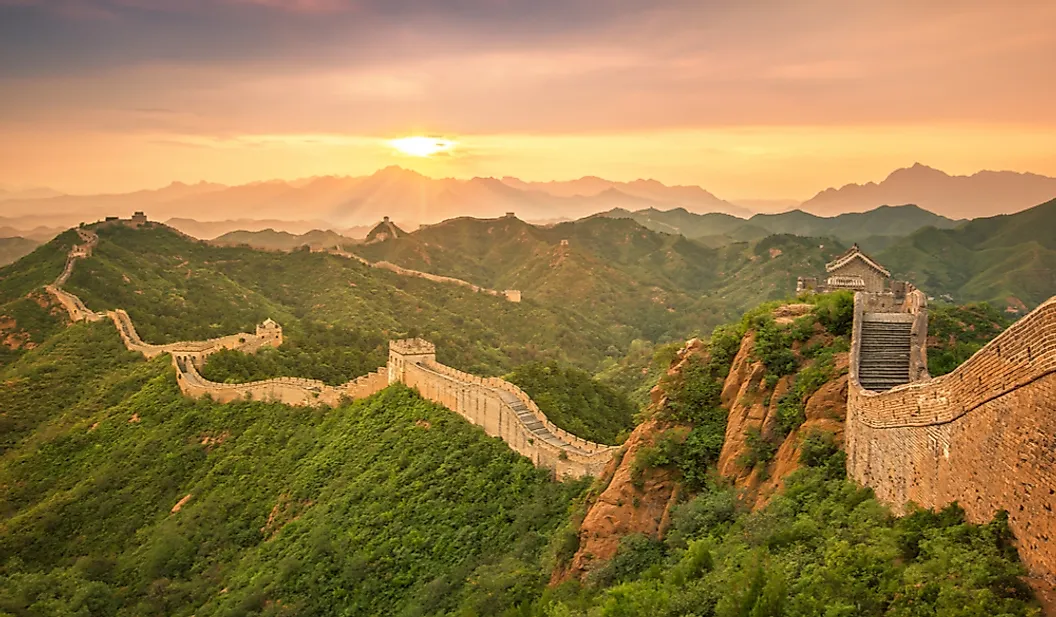
It may sound unbelievable, but it's true: many Ming-era walls still stand while older structures have crumbled. The secret lies in their unique mortar, which Ming builders made by mixing lime with sticky rice. The rice starch bonded with the lime, creating an incredibly strong, water-resistant mortar. Scientists have studied this material, and it's so durable that weeds can't penetrate it, and rain can't wash it away. Of course, constructing these walls came with a huge human toll, as they were built by soldiers and millions of conscripted peasants, with many workers losing their lives. Yet, the very factor that keeps these walls intact after five centuries is, metaphorically, like glorified rice pudding.
So Did It Work? Ask the Guy Who Opened the Gate
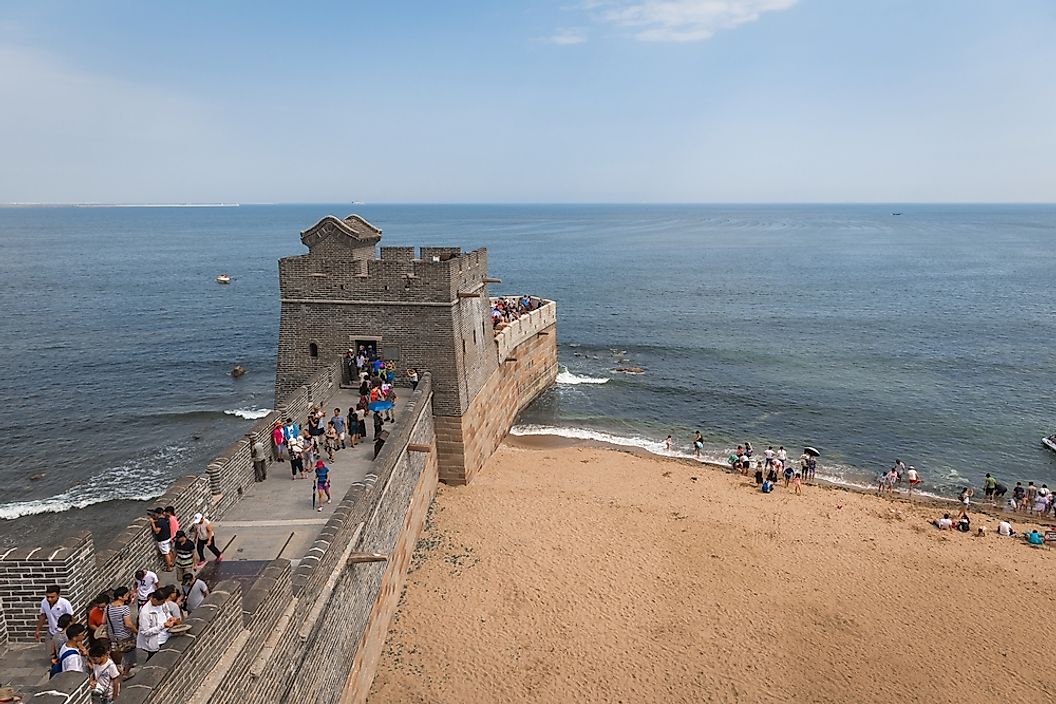
The raid and skirmish management system remained effective for centuries, marking an impressively long duration for any military organization. Yet, during a complete invasion, its reliability waned, with its most remarkable failure serving as a vivid example. In 1644, the mighty Ming wall finally collapsed at Shanhai Pass—not through military strength, but because Ming general Wu Sangui betrayed his duty by opening the gates to the Manchu forces. Treachery proved more powerful than brute force. Earlier, Genghis Khan's Mongols also circumvented the defenses, often through bribery rather than direct assaults. This reveals an intriguing paradox: the Great Wall's formidable nature meant that successful breaches often depended on someone willing to open the door for an intruder.
And No, You Still Can't See It From Space
Let's put the last myth out of its misery. You cannot see the Great Wall from space with the naked eye, no matter how many times someone repeats it at a party. Yes, it is thousands of miles long, but it is only a few meters wide, and it is made from local earth and stone that blends almost perfectly into the landscape around it. Trying to spot it from orbit is like trying to see a single strand of hair lying on a carpet from across a football field. Astronauts have confirmed it over and over. If you want the real, slightly deflating truth, the view from space shows a whole lot of China and no wall at all.
So the Great Wall was never a stone force field. It was a two-thousand-mile operating system: a speed bump, an early-warning network, a troop highway, a tollbooth, and a giant flex of imperial power, all rolled into one and held together with rice. It did not so much block the frontier as manage it, and for a problem that big, that was the closest thing to a solution anyone had.