The Florida Towns Where Alligators Are Pulled From Yards Most Often
In 2025, Florida trappers removed more than 9,000 nuisance alligators, according to state wildlife records. Many came out of backyard ponds, swimming pools, garages, and even living rooms. With roughly 1.3 million alligators sharing the state with more than 23 million people, it is no surprise that the two keep running into each other. Florida tracks these removals by county rather than by town, but the records and recent cases point to a few places where trappers are called again and again. These are the Florida towns where alligators are pulled from yards most often.
Why Gators End Up In Yards

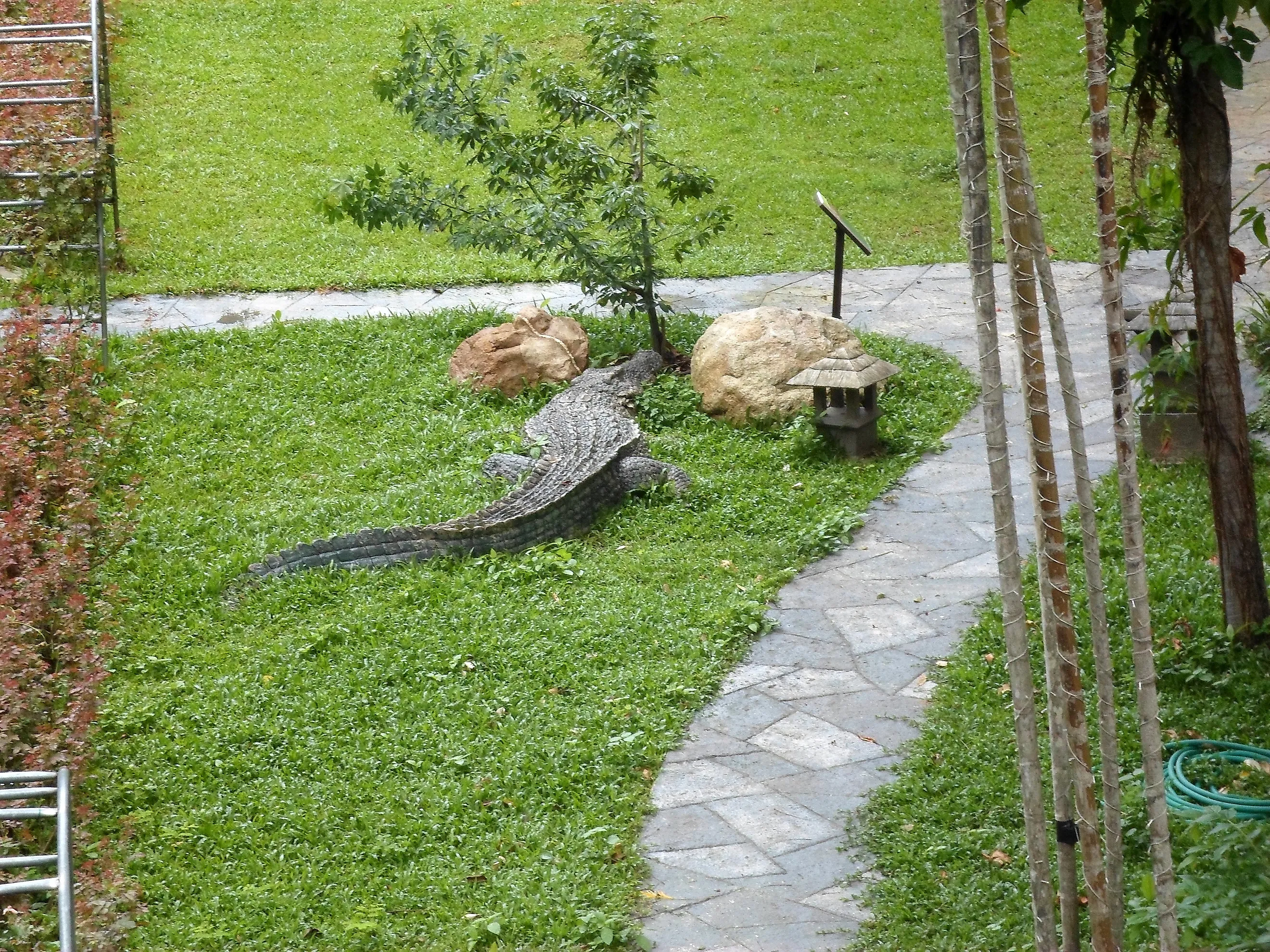
Florida's neighborhoods are full of the water alligators love: retention ponds, canals, golf course lakes, and lakefront lots. Alligators wander between these water bodies, especially during mating season from April through June, when dominant males push younger rivals out to find new territory. Drought can also send them looking for deeper water, as happened during the dry spring of 2026.
Under state rules, an alligator is generally considered a nuisance if it is at least 4 feet long and seems to threaten people, pets, or property. Smaller gators can be removed too if they turn up in pools or garages. Removed alligators are not relocated, since they usually try to return home.
Windermere

Orange County, home to Orlando and its lake-filled suburbs, ranks among Florida's busiest counties for nuisance alligator calls. In 2025, residents placed 807 calls to the state's nuisance alligator hotline, and trappers removed 527 alligators, more than one a day.

Windermere, a small lakeside town west of Orlando, sits on the Butler Chain of Lakes, a string of connected lakes ringed by homes, docks, and boathouses. Alligators move easily between the lakes and backyard shorelines, and residents keep a close eye on pets and children near the water. Similar encounters are common across the county's many lakefront neighborhoods.
Clermont

Clermont, in Lake County west of Orlando, is surrounded by a chain of lakes and fast-growing subdivisions, and alligators regularly turn up in yards. Lake County deputies say gator calls are not unusual in the area. In one memorable case, deputies and a trapper removed an alligator that had made its way inside a home in the nearby Four Corners area.

As new neighborhoods replace orange groves and wetlands around Clermont, more homes back onto ponds and lakes that alligators already call home. Residents are urged to keep screen doors and garage doors closed, especially at night and during mating season.
DeLand

In Volusia County, trappers removed 249 alligators out of 386 reports in 2025, about two out of every three calls. DeLand, the county seat, sits near the St. Johns River and its wide network of lakes, springs, and wetlands, prime alligator habitat right on the edge of town.

Alligators often travel through drainage ditches and retention ponds into neighborhoods, especially during the warm months. The area's natural attractions, including nearby Blue Spring State Park, remind residents and visitors that alligators are part of the landscape. Homeowners are encouraged to call the hotline rather than trying to scare an alligator away themselves.
Stuart

Stuart, on Florida's Treasure Coast, made headlines when Martin County sheriff's deputies and a trapper pulled two alligators from residential swimming pools in a single day. One of them had made its way into a fully fenced backyard, showing how determined alligators can be during mating season.

The area's rivers, canals, and golf course ponds give alligators easy routes into neighborhoods. Deputies remind residents that alligators can climb low fences and squeeze through small gaps, and that pool areas should be checked before swimming, especially early in the morning during spring and summer.
Englewood

Englewood, a laid-back community on Florida's southwest Gulf Coast, offers a cautionary tale. When an alligator wandered into one homeowner's yard, he tried to move it himself and was bitten on the arm. A state-contracted trapper was then dispatched to remove the alligator.

Wildlife officials say that incident illustrates the most important rule of living with alligators: never try to handle one. Even small alligators are strong, fast over short distances, and capable of a serious bite. In Florida, it is also illegal for residents to capture, harass, or kill alligators without a permit.
Titusville

Brevard County, on Florida's Space Coast, has at times led the entire state in nuisance alligator calls. The county stretches along the upper St. Johns River, whose marshes and lakes, including Lake Poinsett, hold some of the largest alligators in Florida.

Titusville, on the county's north end, sits between the river's wetlands and the Indian River Lagoon, with Merritt Island National Wildlife Refuge just across the water. Alligators regularly wander from these wild areas into neighborhood ponds and drainage canals. For residents, a gator on the lawn after a summer storm is a familiar sight.
What To Do If A Gator Shows Up
If an alligator appears in your yard, pool, or garage, keep people and pets away and call the state's Nuisance Alligator Hotline at 866-FWC-GATOR (866-392-4286). The state will send a licensed trapper if the animal meets the nuisance criteria. Never feed alligators, which teaches them to associate people with food. Keep pets on a leash and away from the water's edge, avoid swimming at dusk or after dark, and check pools before getting in during the warm months. A little caution keeps both people and alligators safe, even in the towns where trappers are busiest.