The State Parks You Should Visit On A Weekday
Watkins Glen State Park funnels close to 1.4 million visitors a year onto a narrow gorge trail that's barely a mile long. It's not hard to do the math, because on a Saturday in July you are likely to get a slow, shuffling line up wet stone steps instead of the serene postcard moment you drove there for. Try this instead, and show up on a Wednesday morning when the same 19 waterfalls are yours to enjoy almost alone. State parks rarely get the crowd-control infrastructure national parks lean on to survive their own popularity, so with no timed entry, no shuttle mandate, or sunrise parking line, timing the visit right does that job instead. A handful of these places sit next to, or stand in for, a famous national park unit, minus the fees, reservations, and most of the people. Pick the right weekday, and you get to experience the same cliff edge, canyon rim, or waterfall trail the crowds are fighting over, with room to actually enjoy it.
Custer State Park, South Dakota

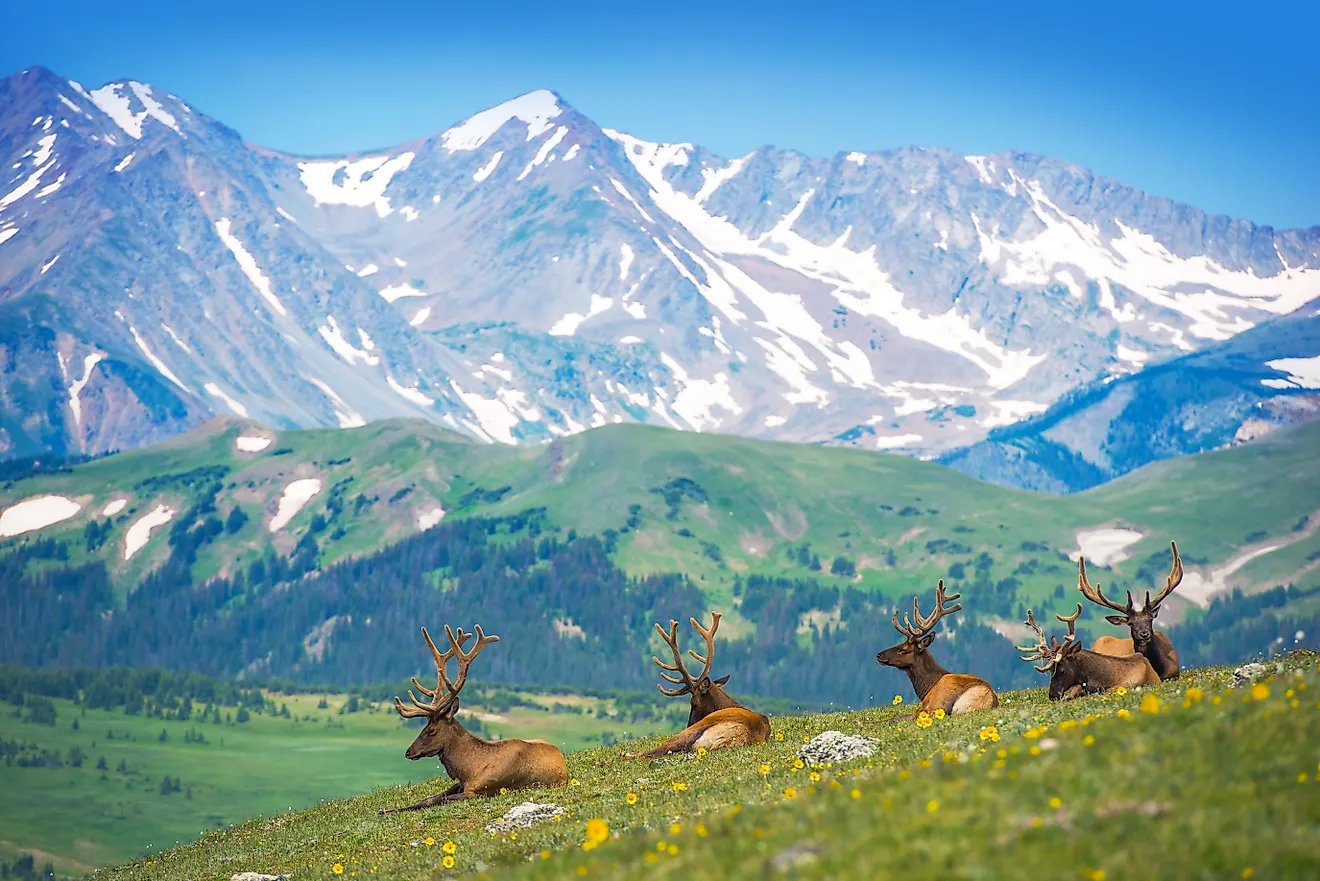
Custer State Park covers 71,000 acres of the Black Hills, and includes the 18-mile Wildlife Loop Road. The loop cuts through open grassland where the park's free-roaming bison herd, close to 1,400 animals, grazes right up to the pavement, alongside pronghorn, elk, and begging burros. It's a road built around wildlife you can see up close from a slow-moving car. The Needles Highway, a narrower drive through granite spires and tunnels blasted straight through rock, connects to Sylvan Lake, the park's go-to spot for swimming and paddling. As of 2026, a vehicle entrance license runs $25 for one to seven days, or $40 a year for South Dakota residents.
While the bison herd doesn't know what day it is, the traffic does. Wildlife Loop Road backs up behind "buffalo jams" on summer weekends, and Needles Highway fills with tour buses and RVs squeezing through its narrow rock tunnels. A weekday drive clears both bottlenecks. It also sets up a quieter side trip. Mount Rushmore National Memorial is a mere 35-minute drive, and its own crowds thin out considerably on weekdays. Just one more reason South Dakota's other natural wonders are worth chasing on the same trip.
Dead Horse Point State Park, Utah

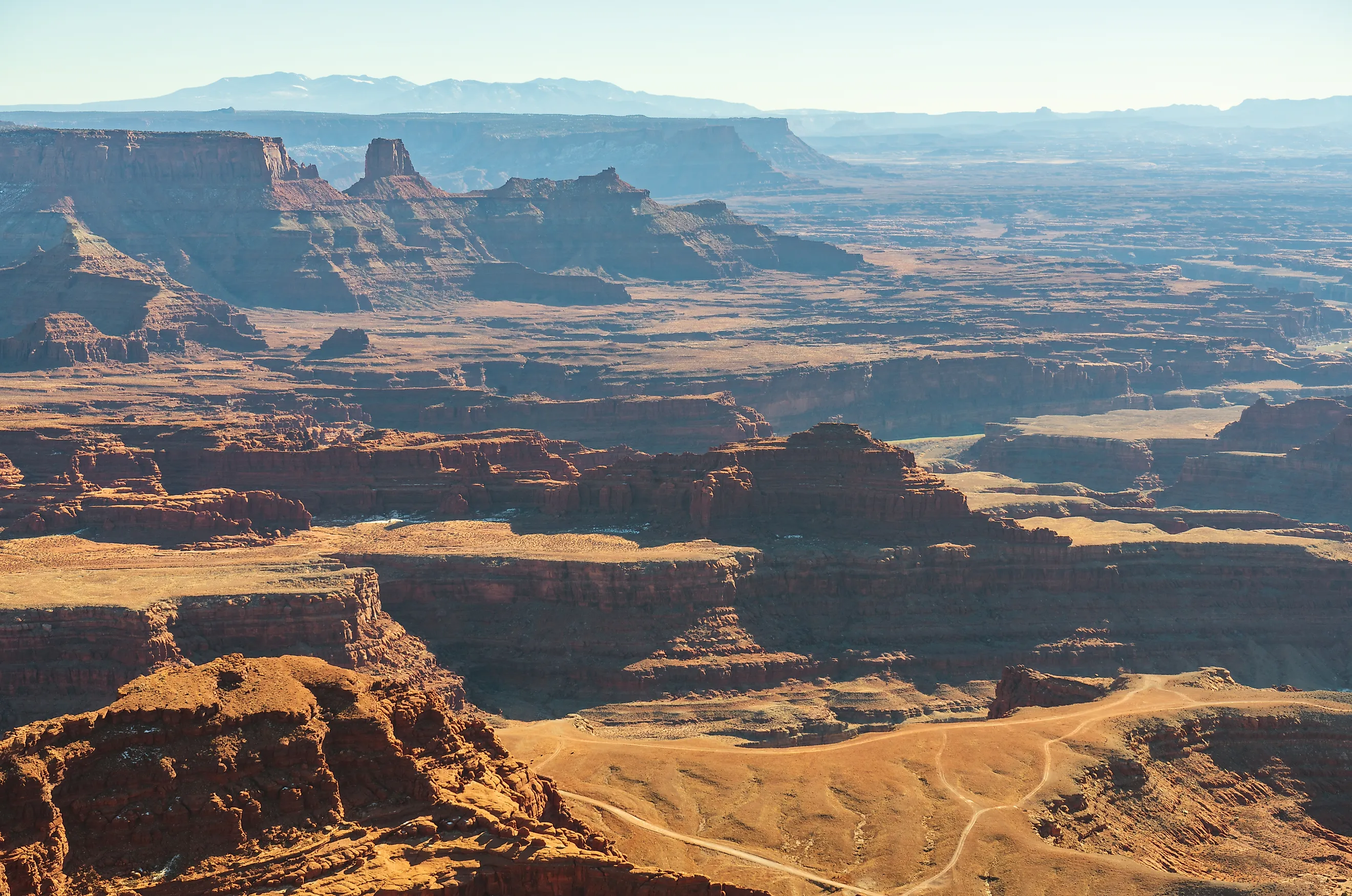
Dead Horse Point State Park is a 5,362-acre finger of red rock that juts out over a hairpin bend in the Colorado River, with a scenic overlook perched about 2,000 feet above the water. With a staggering panorama of canyon country, the main viewpoint from this state park is just outside the Island in the Sky district of Canyonlands National Park. Day-use entry runs $20 per vehicle as of 2026. The park's campground can be hard to book during peak season, but no reservation is required just to drive in and walk out to the rail.
Weekdays matter here. Island in the Sky's small trailhead parking lots fill early on weekend mornings, and Dead Horse Point's overlook parking is limited too. If you can visit on a weekday, especially near sunrise or sunset, it's the difference between elbowing for a spot at the railing and having peaceful panoramic moments over one of Utah's most photographed places.
Valley of Fire State Park, Nevada

Nevada's oldest state park, Valley of Fire State Park, covers about 40,000 acres of bright red Aztec sandstone and is about an hour's drive from Las Vegas. Nearly a million visitors a year are drawn to formations like Elephant Rock, the Fire Wave, and Atlatl Rock, where petroglyphs more than 2,000 years old are still visible from a short boardwalk. As of 2026, day-use entry costs $10 per vehicle with Nevada plates, or $15 for out-of-state vehicles. Take note that some of the park's most popular trails, including the Fire Wave loop, close seasonally from May 15 through September 30 for visitor safety during peak heat. It's one of several strong picks among Nevada's national and state parks.
Because it's an easy day trip from Las Vegas, Valley of Fire's small trailhead lots, Fire Wave especially, routinely fill by mid-morning on weekends. A weekday visit, ideally in the cooler months when every trail is actually open, is the best bet to get a parking spot at all.
Palo Duro Canyon State Park, Texas

At up to 800 feet deep, about 120 miles long, and as much as 20 miles wide, Palo Duro Canyon embraces the nickname as the "Grand Canyon of Texas." It's the second-largest canyon in the country and home to Palo Duro Canyon State Park. Opened in 1934, the park covers 28,000 acres, making it one of the largest in the Texas state park system. Entrance costs $8 per adult as of 2026, with kids 12 and under free, a small price for the more than 30 miles of trails winding past formations like The Lighthouse, the park's signature spire.
Texas Parks and Wildlife is upfront that the park "often reaches capacity" and recommends reservations well ahead of a visit. On a packed day, visitors can be turned away at the gate entirely, which isn't a risk at most state parks. Fortunately, a weekday trip all but guarantees entry, and it means having those 30-plus miles of trail to yourself on one of Texas's most scenic drives.
Watkins Glen State Park, New York
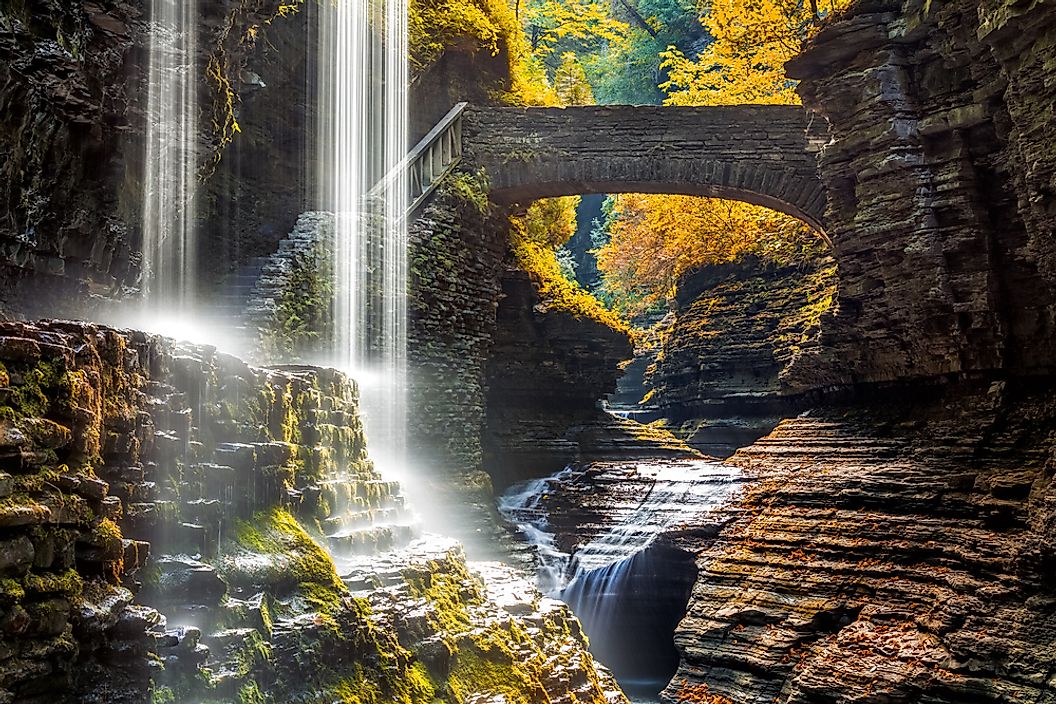
The centerpiece of Watkins Glen State Park, at the southern tip of New York's Finger Lakes region, is its Gorge Trail. The trail is a stone-carved path that's only about a mile long but climbs alongside 19 waterfalls. Glen Creek drops 400 feet through a narrow gorge, and the trail passes directly behind falls like Cavern Cascade. The experience drew a record 1.4 million visitors in 2024, according to New York State Parks. A $10 vehicle entrance fee, which includes access to the park's pool, applies during the trail's mid-May-to-mid-October season, and in peak summer, a $6 shuttle runs daily between the park's three entrances to help manage the flow of people.
That flow becomes the problem on weekends. The Gorge Trail's stone staircases narrow to single file in spots, and with over a million people stepping through a mile of trail every year, weekend afternoons can mean standing in line to advance. Weekday mornings? The same waterfalls, the same stone stairways, and the same spray off Cavern Cascade are easier to actually enjoy at your own pace, and leave time to explore nearby Finger Lakes towns afterward.
Silver Falls State Park, Oregon

Silver Falls State Park, about 60 miles south of Portland, is Oregon's largest state park at more than 9,000 acres. Its Trail of Ten Falls is the primary reason it draws over 1.1 million visitors a year. The 7.2-mile loop drops 800 feet and passes behind four of its ten named waterfalls, including the 177-foot South Falls, letting hikers walk in the space between rock and falling water. A day-use parking permit runs $10 for Oregon residents and $12 for out-of-state visitors as of 2026. As one of Oregon's best natural wonders, it's worth the drive.
With well over a million people making the trip annually, and most of them coming on weekends, the Trail of Ten Falls' parking lots near South Falls fill early on Saturdays and Sundays, especially in summer. A weekday hike means shorter waits at the trail's amphitheater-like pinch points behind the falls, and a real shot at photographing South Falls without a crowd in the frame.
Plan Your Own Quiet Day Out
These parks are not secret. Several draw more than a million visitors a year, and a few sit close enough to national park icons that they absorb the overflow crowds too. What they share is a simple fix. Let the calendar do the work. Pick a Tuesday or a Wednesday, check the specific park's current fees and any seasonal trail closures before you go, and the bison herds, canyon rims, and waterfall trails that draw the crowds are still there to enjoy. Minus the crowds.