The State Parks Worth Visiting In The Dead Of Summer
In summer, while much of the country stays indoors past noon, hikers in these ten state parks are reaching for a jacket. They walk a fern-lined canyon on the northern California coast, paddle past icebergs in an Alaska bay, and stand on a Lake Superior cliff in cool morning air. Cold Pacific currents, tidewater glaciers, high elevation, and the Great Lakes keep every park on this list comfortable through the hottest weeks. Alpine trails are finally clear of snow, northern daylight runs past ten at night, and even the beaches stay cold enough to enjoy. Here, the peak of summer is the best time to spend a full day outside rather than the worst.
Pacific Fog and Coastal Air
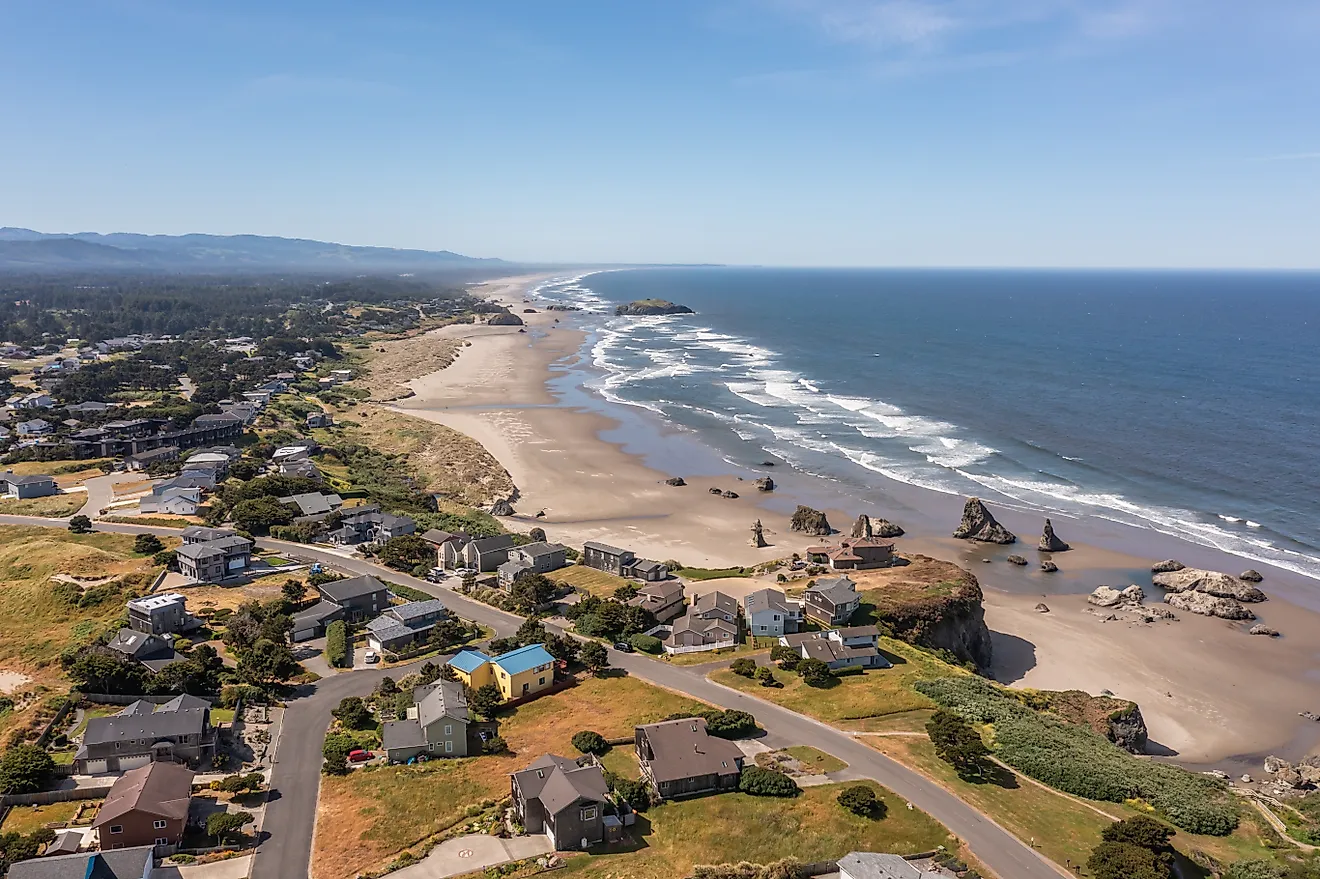
The cold Pacific shapes some of the country's most dependable summer escapes. Redwood forests lead directly to wild beaches, headland paths climb above sea stacks, and historic lighthouses watch over some of the roughest water on the West Coast.
Prairie Creek Redwoods State Park, California

Prairie Creek offers far more than a walk among enormous trees. Fern Canyon places hikers inside a narrow gorge where seven types of fern cover walls rising around the shallow creek. At Gold Bluffs Beach, Roosevelt elk sometimes wander near the dunes while waves roll onto a largely undeveloped shoreline. The James Irvine Trail connects the redwood interior with Fern Canyon, passing groves of ancient trees before descending toward the coast. For a shorter outing, the Trillium Falls Trail loops through old growth and passes a small waterfall hidden beneath the canopy. Elk Prairie provides another reliable wildlife stop, particularly early in the day. Few parks make it possible to move so easily between redwood forest, fern-filled canyon, open meadow, and Pacific beach.
Sue-meg State Park, California

Sue-meg packs a surprising number of coastal landmarks into a relatively compact park. The Rim Trail follows the edge of the headland, repeatedly opening onto views of sea stacks, narrow coves, and waves striking the cliffs below. Wedding Rock offers one of the broadest outlooks, while Palmer's Point reveals tide pools when the water retreats. Agate Beach is reached by a steep path and rewards the descent with a long shoreline suited to beachcombing. Away from the cliffs, Sumêg Village presents a reconstructed traditional Yurok village created with the involvement of local Indigenous people. The site adds cultural depth to a day otherwise spent among spruce forest and ocean overlooks. Staying until evening brings the chance to watch the sun drop behind the offshore rocks.
Oswald West State Park, Oregon

The approach to Short Sand Beach is part of the attraction at Oswald West. A forest path crosses wooden bridges beside Short Sand Creek before emerging at a sheltered cove enclosed by dark cliffs. Surfers carry their boards along the same trail, while other visitors settle onto the sand or explore the rocks at the edge of the beach. From the cove, the Cape Falcon Trail climbs through dense coastal forest before reaching viewpoints above the Pacific. The headland provides a clear look south toward Neahkahnie Mountain and north along a coastline broken by coves and rocky points. Since there is no campground inside the park, Oswald West works especially well as a full-day outing built around a morning hike, lunch on the beach, and a final walk through the old-growth forest.
Cape Disappointment State Park, Washington

Cape Disappointment pairs maritime history with a full day of hiking. One trail climbs to the Cape Disappointment Lighthouse above the mouth of the Columbia River, while another reaches North Head Lighthouse on a separate headland facing the open Pacific. Between them, the Lewis and Clark Interpretive Center explains the expedition's arrival at the coast and the hazards that earned the surrounding waters their reputation as the Graveyard of the Pacific. Waikiki Beach sits in a protected cove near the river entrance and provides a close view of waves breaking against the cliffs. Benson Beach offers a longer shoreline walk beside the North Jetty. Forested campsites make it easy to stay overnight and return to the headlands when changing clouds and light give the viewpoints an entirely different appearance.
Alaska's Glacial Climate
Southern Alaska offers long summer days without the oppressive heat found across much of the continental United States. The reward is time to explore glacier lakes, coastal trails, and coves that remain difficult to reach during much of the year.
Kachemak Bay State Park, Alaska

The trip begins with a water-taxi ride from Homer, often passing sea otters and seabirds before reaching a trailhead without a road in sight. The park's best-known excursion leads to Grewingk Glacier Lake, where icebergs drift beneath the glacier and the surrounding Kenai Mountains. Some routes approach the lake through cottonwood and spruce forest, while others cross open glacial flats with uninterrupted views of the ice. Kayaking provides a completely different perspective, especially around protected coves where rocky beaches and forest descend directly to the water. More ambitious hikers can link several trails through the Grewingk and Humpy Creek areas. With long daylight stretching into the evening, there is enough time to combine a glacier hike with a shoreline picnic before meeting the boat back to Homer.
High-Elevation Mountain Parks
Elevation supplies another form of summer relief. Mountain roads and high trails become accessible, alpine lakes lose their winter ice, and wildlife gathers around meadows and wetlands throughout the short growing season.
State Forest State Park, Colorado

State Forest State Park is one of Colorado's best places to build an entire trip around moose country. Animals often browse in willow thickets around North Park, especially near wetlands and quiet sections of the park road. The hike to Lake Agnes reaches a clear alpine lake set directly beneath the Nokhu Crags, whose jagged profile gives the basin a far wilder appearance than the trail's modest distance suggests. Longer routes lead toward Kelly Lake, American Lakes, and Ruby Jewel Lake. North Michigan Reservoir adds paddling and fishing to the park's mountain activities, while yurts and rustic cabins provide alternatives to tent camping. The Moose Visitor Center helps travelers choose trails and learn where wildlife has recently been active without turning the day into a rushed search from one overlook to another.
Mount Mitchell State Park, North Carolina

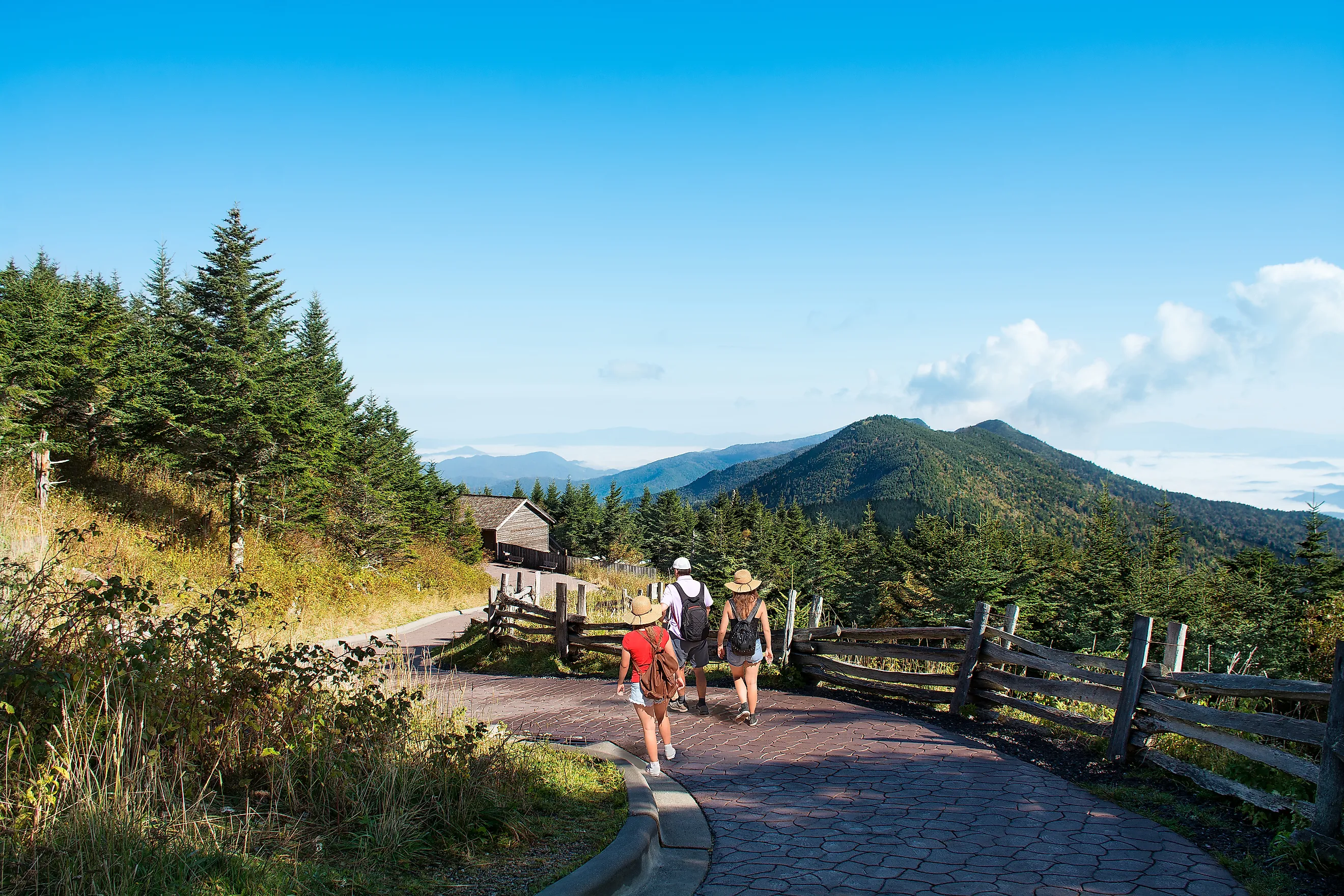
Mount Mitchell gives travelers several ways to explore the highest mountains in the eastern United States. The summit observation platform provides an immediate view across the Black Mountains, but the more memorable experience begins beneath the surrounding spruce and Fraser fir. The Balsam Nature Trail makes a short loop through the summit forest, passing plants more typical of Canada than North Carolina. The Deep Gap Trail follows the ridge toward Mount Craig, the second-highest peak east of the Mississippi River, with steep sections and openings across the neighboring summits. Picnic areas near the top allow visitors to turn the drive into a relaxed afternoon rather than a quick photograph at the summit marker. The park also connects naturally with a longer Blue Ridge Parkway trip through western North Carolina.
Great Lakes Shorelines
The Great Lakes create the scale and drama of an inland coast. These parks pair cool shorelines with waterfalls, cliffs, islands, and forests that feel especially inviting during the height of summer.
Porcupine Mountains Wilderness State Park, Michigan

The Lake of the Clouds overlook is only the introduction to the Porcupine Mountains. From the escarpment, trails follow a rocky ridge above the blue inland lake and an unbroken sweep of forest. On the park's western side, the Presque Isle River drops through a series of powerful waterfalls, including Manabezho, Manido, and Nawadaha Falls, before reaching Lake Superior. Boardwalks and short trails connect several viewpoints around the cascades. Farther east, the shoreline offers stony beaches, backcountry campsites, and sunsets across open water. The park also protects one of the largest remaining old-growth forests in the Midwest. Spending one day around Lake of the Clouds and another along the Presque Isle River gives a far better sense of the park than attempting to squeeze its distant highlights into a single drive.
Tettegouche State Park, Minnesota

Tettegouche places some of Minnesota's most dramatic scenery within reach of relatively short trails. The path to Shovel Point crosses forested ground before emerging above sheer cliffs and rocky coves on Lake Superior. Climbers tackle designated routes on the park's steep volcanic rock, while hikers continue along overlooks where waves are visible far below. Inland, the Baptism River creates another set of attractions. High Falls plunges 63 feet near the park boundary, and Two Step Falls sits farther downstream in a narrower section of the gorge. Palisade Head, managed as part of the park, rises almost vertically above Lake Superior and offers one of the grandest roadside viewpoints on the North Shore. A visit can easily alternate between cliff-top walks, waterfall trails, and a picnic beside the lake.
Rock Island State Park, Wisconsin

Leaving the car behind is part of the fun at Rock Island. A passenger ferry crosses from Washington Island to a wooded island where every attraction is reached on foot. Near the dock, the stone Thordarson Boathouse resembles a grand hall built at the edge of Lake Michigan. Trails continue around the shoreline and through the interior forest to Pottawatomie Lighthouse, first established in 1836 at Wisconsin's oldest lighthouse site. Guided tours lead into the restored keeper's quarters and up the tower when available. A sandy beach near the campground provides a place to swim or launch a kayak, while campsites scattered beneath the trees encourage visitors to stay after the last day-trippers leave. Without roads or vehicle traffic, even the walk between the ferry landing and lighthouse feels like part of the island experience.
Cooler Northeastern and Appalachian Parks
High plateaus and Atlantic headlands provide summer breathing room in the East. Waterfall gorges, spruce-covered summits, and coastal overlooks give these parks strong reasons to visit beyond their comfortable conditions.
Blackwater Falls State Park, West Virginia

Blackwater Falls is the headline attraction, but it is not the park's only waterfall. A staircase descends to a close view of the 57-foot main cascade, where amber-colored water spills over a broad sandstone ledge. The Elakala Trail begins near the lodge and quickly reaches a series of smaller falls hidden inside a hemlock ravine. Lindy Point provides the park's widest view, looking across the forested Blackwater Canyon from a rocky platform. Pendleton Point offers another canyon perspective with less walking. Around Pendleton Lake, visitors can swim, paddle, or follow wooded trails away from the busier overlooks. The lodge and cabins make the park particularly convenient for a two-night stay, leaving enough time to see the main waterfall early and explore the quieter ravines later in the day.
Camden Hills State Park, Maine

Camden Hills combines mountain hiking with island-filled ocean views. The Mount Battie Road reaches a stone tower overlooking Camden Harbor, though hiking up gives the first glimpse of Penobscot Bay through openings in the forest. The Mount Megunticook Trail continues to the park's highest summit, with Ocean Lookout providing the clearest panorama along the way. From the exposed ledges, sailboats appear beneath the mountains and the bay stretches toward distant islands. The Maiden Cliff Trail explores another side of the park above Megunticook Lake, ending at a sheer cliffside viewpoint. A campground near the base makes early starts simple, especially for travelers hoping to reach Mount Battie before the summit road becomes busy. The park offers enough trail variety for several days without repeating the same view.
Where Summer Works in Your Favor
These parks make summer feel active. One day might involve walking through a canyon covered in ferns, while another ends beside a glacier lake or at the top of a Great Lakes cliff. The cooling influence of ocean water, elevation, and northern latitude matters, but it is only the starting point. What makes the destinations worth traveling for are the lighthouse trails, waterfall gorges, alpine basins, wildlife encounters, island ferries, and beaches waiting once visitors arrive. A forecast check still belongs in every plan, particularly in mountain and coastal regions. Under ordinary summer conditions, however, these parks allow travelers to use the entire day and return with more than photographs taken beside an air-conditioned car.