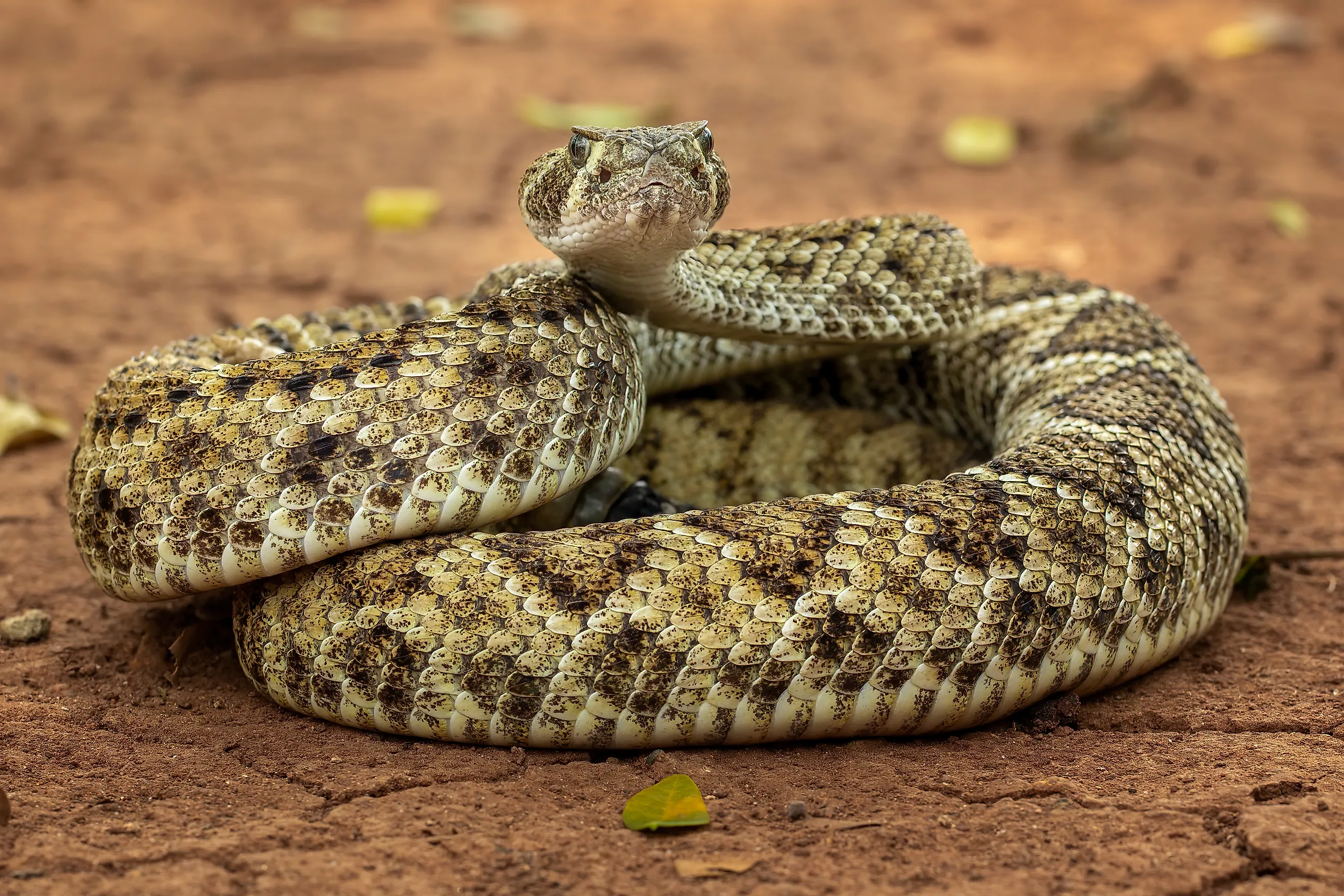
Why Rattlesnakes Thrive In Some Parks And Vanish In Others
Two parks can sit an hour apart, look nearly identical on a map, and have wildly different rattlesnake populations. One is thick with them, sunning on every warm rock. The next has effectively none. This is not random luck. A handful of specific, knowable factors decide whether a park becomes a rattlesnake stronghold or a snake-free zone, and once you know what they are, you can practically read a landscape and guess. Here is what separates the parks that swarm with rattlers from the parks that lost them, or never had them at all.
It All Starts With Body Heat

Rattlesnakes are ectotherms, meaning they cannot generate their own body heat and have to borrow it from their surroundings. That single fact shapes everything. A rattlesnake needs sun-warmed rock to bask on, warm enough active seasons to hunt and breed, and, crucially, winters that are not so brutal they kill it. This is why the desert Southwest is wall-to-wall rattlesnakes. Consider Big Bend National Park in Texas, which sits in the warm Chihuahuan Desert and has more snake species than any national park in the country: 31 in total, including four different rattlesnakes, from the common western diamondback to the black-tailed, rock, and Mojave. Saguaro in Arizona tells the same sun-soaked story, and hardy species like the western diamondback and prairie rattlesnake flourish across the region. Now compare that with Acadia National Park up in Maine, which has exactly zero rattlesnake species. Same idea of a protected wild park, opposite result, and the cold northern climate is a big part of why. Push far enough north or high enough in elevation, where the ground stays frozen for months, and the math simply stops working.
The Real Secret Is Underground

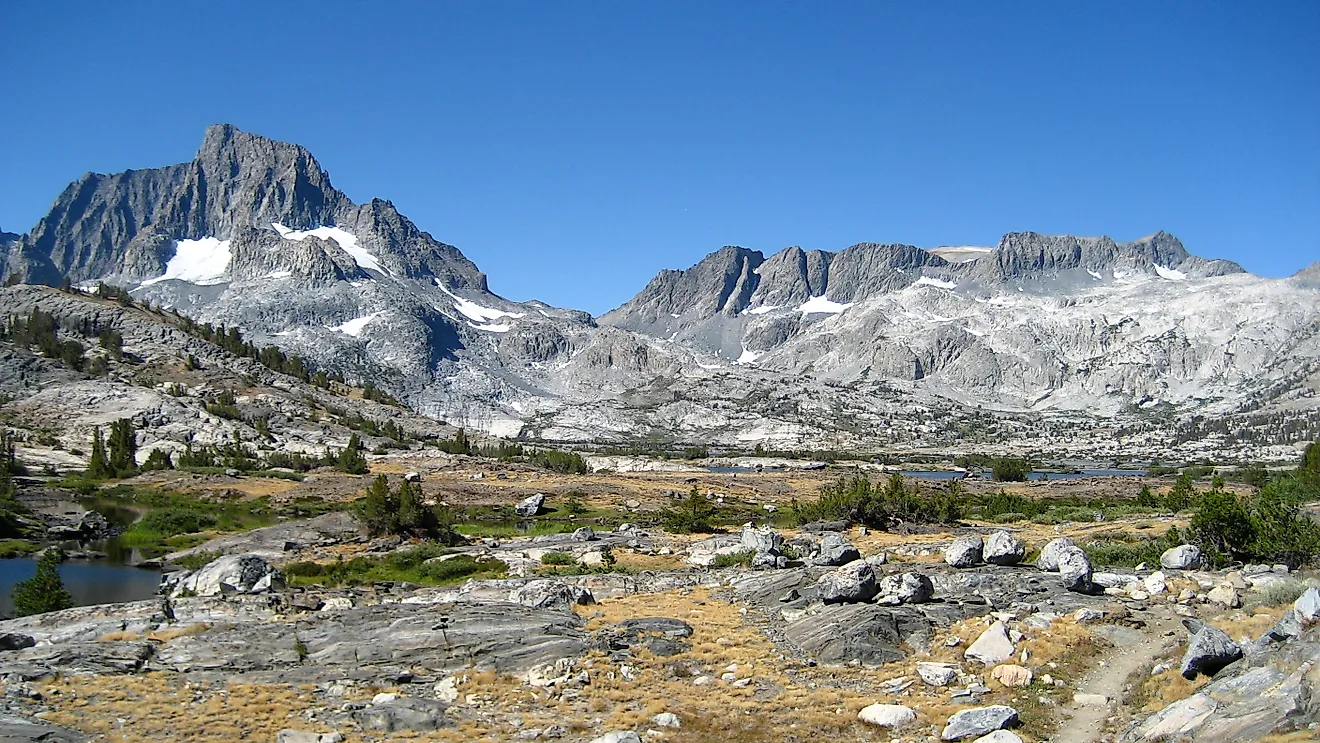
Here is the factor most people never think about, and it is the big one: den sites. To survive winter, rattlesnakes retreat below the frost line into rocky crevices, talus slopes, and deep ledges called hibernacula, often gathering by the dozens in the same den. And they are loyal to a fault, returning to the exact same ancestral den year after year, generation after generation, rarely dispersing far from it. Along stretches of the Atlantic Coast, whole populations persist precisely where dry, elevated denning ground has survived. A park loaded with the right kind of fractured, south-facing rock can hold rattlesnakes essentially forever. A park that lacks good denning rock, or where those dens were destroyed, will have few or none, even if the summer habitat looks perfect. The proof is written into the record in New York, where roughly 26 percent of the timber rattlesnake's known historic den sites have already been wiped out and another 5 percent are nearly gone. Destroy the den, often through something as ordinary as gravel mining into a rocky hillside, and you do not just lose a few snakes. You lose the anchor the whole local population is built around. This is the hidden variable that explains most of those "two nearly identical parks" mysteries.
Rock, Rodents, and Sunlight

Beyond warmth and dens, rattlesnakes need the basics of any predator: cover and food. Their ideal park has a patchwork of open, sunny ground for basking, rocky or brushy cover to hide in, and a healthy population of rodents to eat, since mice, rats, and ground squirrels make up the bulk of their diet. This is why habitat change can quietly erase them. When open grassland or wetland grows over into dense, shady forest, the basking spots disappear and the rodent buffet thins out. The eastern massasauga, a small rattlesnake now federally listed as threatened, has vanished from a long list of former haunts across the Great Lakes region as its open, sunny wetlands filled in with brush and trees or were drained for farming. Same acreage, wrong structure, no snakes.
Roads Are Rattlesnake Killers

Because rattlesnakes migrate seasonally between their winter dens and summer hunting grounds, and because they love to soak up heat from warm asphalt, roads are catastrophic for them. A busy road slicing through a park becomes a conveyor belt of dead snakes, and it also chops the population into isolated fragments that can no longer mix, breed, or recolonize. One study of a snake population found road mortality alone could drive it down by more than 90 percent over a few decades. A big, roadless wilderness park protects its rattlesnakes almost by accident. A park laced with busy roads slowly bleeds them out, one flattened snake at a time.
The Long Shadow of Persecution

History matters, and rattlesnakes have a brutal one. For generations, they were killed on sight, dynamited and gassed in their dens, and hauled off by the thousands in organized round-ups. Because the snakes cluster in communal dens and refuse to disperse, wiping out a single hibernaculum can erase an entire local population in one go, and since they recolonize so poorly, they often never come back. The numbers are stark. The timber rattlesnake's range has collapsed from 31 states down to 27, and it has been completely wiped out of Maine, Rhode Island, most of Vermont, central New Hampshire, New York's Long Island, and chunks of Ohio, along with Ontario, Canada. New Hampshire is down to a single surviving population, and New York's overall numbers are estimated to have fallen 50 to 75 percent since colonial settlement. That history is why a park like Acadia in Maine has no rattlesnakes at all, while superficially similar rocky terrain elsewhere still does. Modern protection helps snakes recover, but only if there is a surviving population left to do the recovering. Even in strongholds like the mountains of New York, timber rattlesnake numbers are still slipping under the weight of habitat loss and road deaths.
Some Parks Never Had Them

Sometimes the answer is the simplest one: the snakes were never there to begin with. Rattlesnakes are surprisingly bad at crossing barriers like wide rivers and open water, so islands and isolated mountain ranges often never got colonized in the first place. A park can also just sit outside a species' natural range, or on the far edge of it where conditions are too marginal to hold on. So before assuming a park "lost" its rattlesnakes, it is worth asking whether biogeography ever handed them any. Plenty of perfectly good-looking snake habitat is empty for no reason more dramatic than distance.
A Park With Its Own Rattlesnake

The flip side of isolation is that it can create something entirely new. Grand Canyon National Park is home to the Grand Canyon rattlesnake, a subspecies found essentially nowhere else, which has evolved a pinkish, washed-out color that blends almost perfectly with the canyon's rock walls. Cut off within that immense gorge, it drifted onto its own evolutionary path and became a snake matched to its address. It is the ultimate example of a park not just holding rattlesnakes, but shaping them. Great Basin and Bryce Canyon similarly host their own regional rattlesnakes tuned to high-desert life. Isolation can erase a population, or it can forge a brand-new one.
The Newest Threats

Even a park that checks every box faces newer pressures. Snake fungal disease, a nasty infection that disfigures and kills, was first identified in 2006 in that very same last timber rattlesnake population in New Hampshire, and it has since driven severe die-offs in timber rattlesnakes across New Hampshire and Massachusetts. Because the snakes pile together in shared dens, the fungus spreads easily, and it hits small isolated populations hardest, exactly the ones already weakened by inbreeding and habitat loss. Climate change is scrambling the map, too. Warming winters may let some populations creep northward into parks that were once too cold, while intensifying drought and wildfire can gut prey and cook the habitat in others. The old rules still apply, but the board is being rearranged in real time, which means a park that is a stronghold today is not guaranteed to stay one.
Reading the Landscape

Put it all together and the pattern is clear. A park becomes a rattlesnake stronghold when it offers warm sun-baked terrain, deep frost-proof denning rock, plenty of rodents, few busy roads, and no history of having its dens wiped out. Take away any one of those and the population thins. Take away the wrong one, like the dens, and it can disappear completely. So the next time one park is buzzing with rattlers and the next one over is eerily quiet, you will know it is not a coincidence. It is the land, the rock, the roads, and the history, all quietly deciding who gets to stay.