5 Rattlesnake Hotspots In Indiana
There are few venomous snakes as recognizable as a rattlesnake, with their intimidating rattles warning predators and humans to keep their distance. Indiana is no stranger to these fascinating creatures, as two rattlesnake species live here: the eastern massasauga rattlesnake and the timber rattlesnake. These rattlesnakes live in separate regions of Indiana, with the timber rattlesnake in south-central Indiana and the eastern massasauga in the northern third. The environments they live in vary, but they are most commonly found in forests, rivers, river basins, steep hills, prairies, and marshes.
If you're an outdoorsy person living or traveling through Indiana, you'll need to keep an eye out for rattlesnakes. While their bites are rarely fatal, they can be quite painful and require immediate medical attention. You can avoid any unfortunate incidents by showing extra caution in these five rattlesnake hotspots in Indiana.
Morgan-Monroe State Forest

Located in Martinsville, Indiana, this 24,515-acre forest was originally farmland, but farmers were unable to till the ridges. The land was abandoned and then acquired by the state of Indiana. The forest is remarkably primitive, offering hidden-away lodges, three fishing lakes, and hiking trails. All of the trails here are loops except for the 40-mile Tecumseh Trail, which centers through ridge tops, hollows, and streams for a challenging trek.
Due to its position in south-central Indiana, timber rattlesnakes have been spotted here by trained wildlife observers. Its ridges and underbrush are popular hiding spots for these elusive creatures, and multiple hikers have reported this being the only place in Indiana where they have seen a rattlesnake. Timber rattlesnakes are active throughout the day but mostly hide in a coiled-up position, waiting for any potential prey to happen by their spots. Humans are not prey to rattlesnakes, but they may strike if stepped on or disturbed.
Brown County State Park

Brown County State Park in Nashville is a very popular vacation spot in Indiana, as it defies the stereotype of flat Midwestern landscapes with its network of hills and ravines. The parks' trails wind throughout the Hills O'Brown, as locals call it, going past several lakes, observation towers, and endangered yellowwood trees. This park has a rich ecosystem that is perfect for timber rattlesnakes to hide out. In fact, according to recent data from the Indiana Department of Natural Resources, 115 timber rattlesnakes have been identified in the park. Hikers have also found these creatures hiding in the grass near Ogle Lake or throughout the park's many ridges.
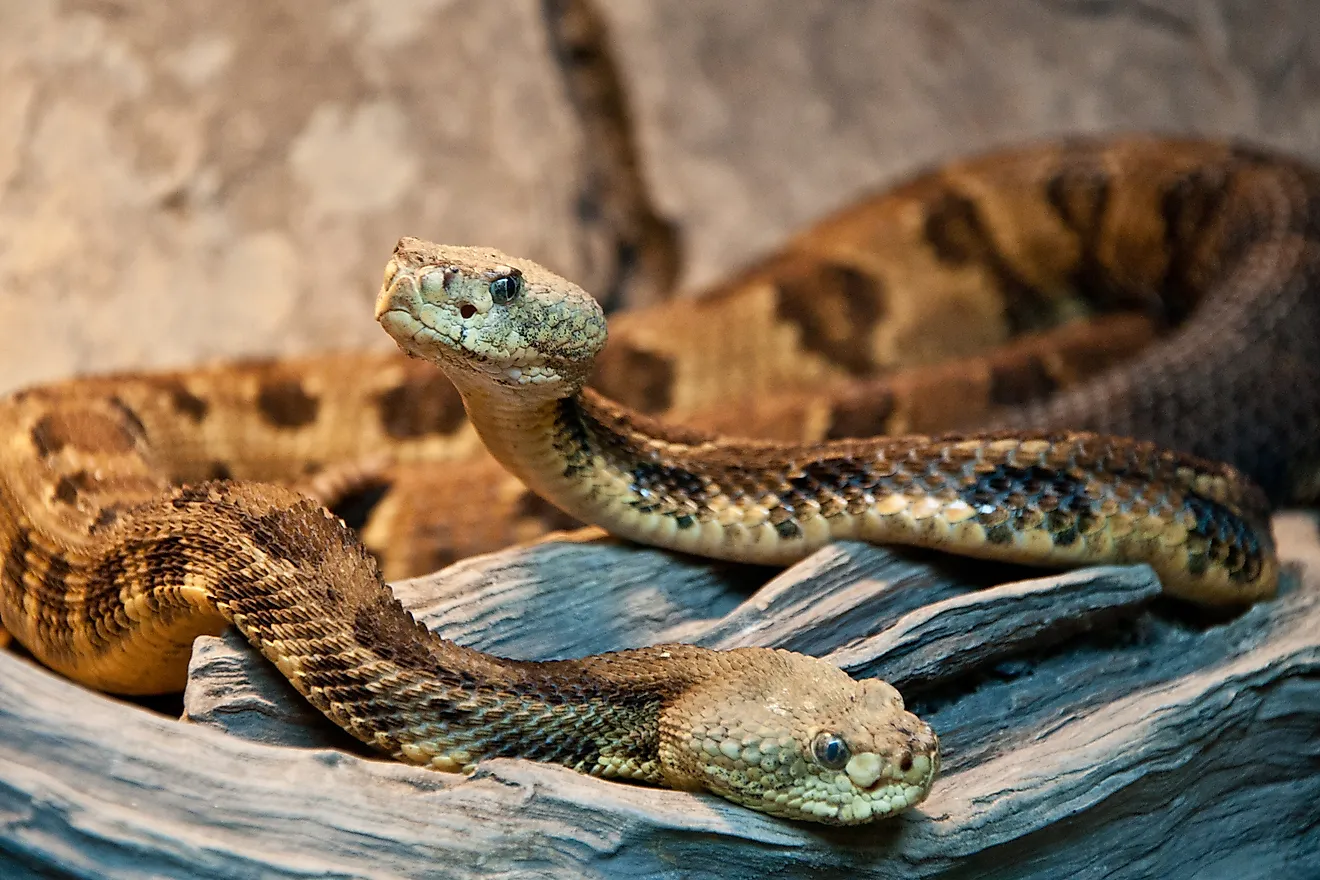
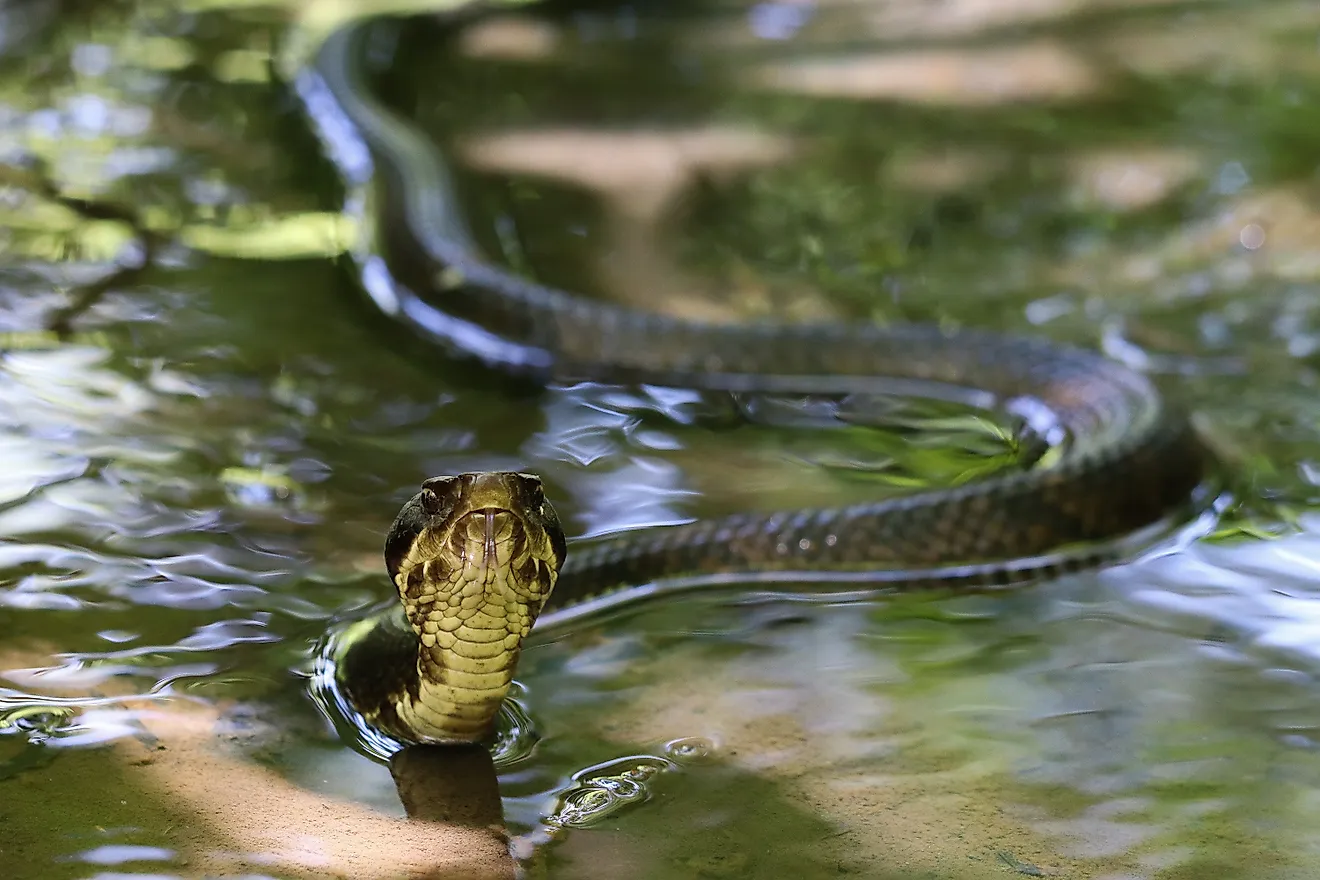
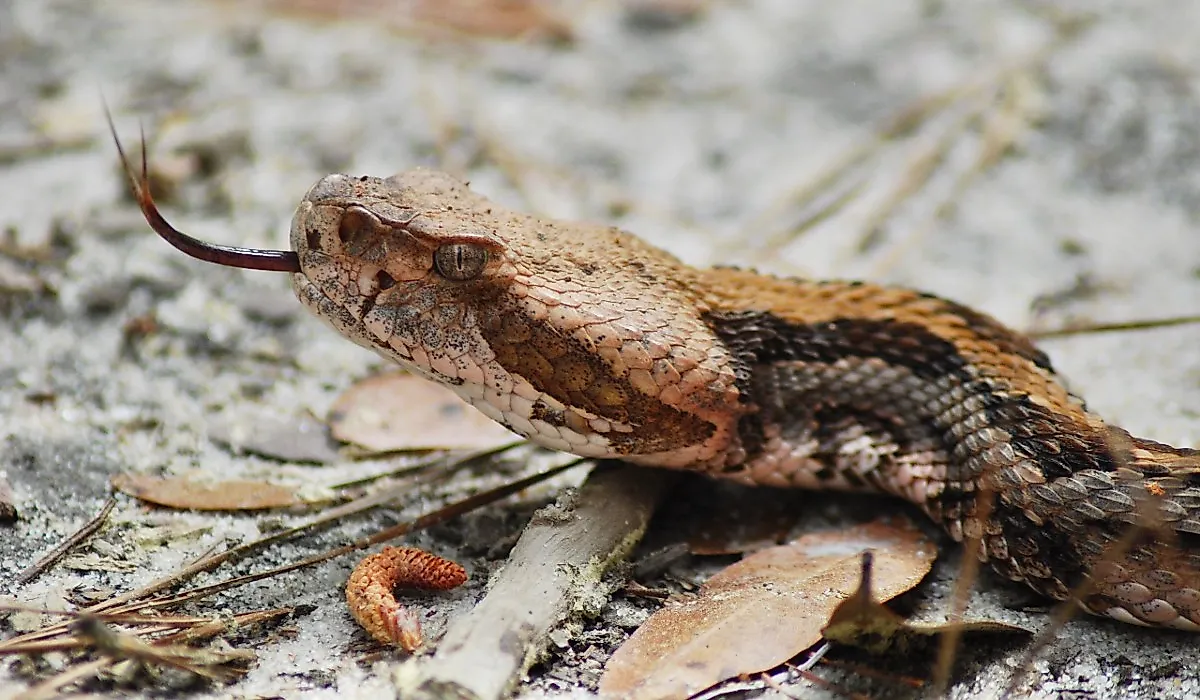
The hills and forests are a perfect environment for timber rattlesnakes, which are most likely to be spotted during late July and early August during their mating season. This rattlesnake has a highly venomous bite that contains both hemorrhagic and neurotoxic venom. They are typically anywhere from 36 to 60 inches long and have dark crossbands on a brown or gray body. Like many venomous pit vipers, they have flat heads with heat-seeking pits on the side. These creatures prefer to stay out of sight, waiting for prey to come by, but they can attack humans if threatened.
Boot Lake Nature Preserve

Located in Elkhart County, this 300-acre nature preserve is a combination of prairie, wetlands, and forest. Much of it was originally a sludge farm that was added to the preserve to protect the wildlife that lives here. It was designed to protect endangered wildlife and plants, such as Blanding's Turtles and Sandhill Cranes, as well as the more than 200 bird species that live here, including the Sedge Wren, Henslow's Sparrow, and Bobolink.
Visitors to this park can hike four miles of trails through all three environments. One rare creature you might encounter in this park or in Elkhart County more generally is the eastern massasauga rattlesnake. The environment here suits them, as they love to hunt prey, breed, take shelter, or hibernate in marshes and wooded wetlands. Visitors should show the same respect for these endangered serpents as they do for the other animals here.
Indiana Dunes National Park

The Indiana Dunes National Park was originally covered by the waters of Lake Michigan. When that water receded tens of thousands of years ago, it left behind large sand dunes, marshes, and forests. Hikers regularly challenge themselves to hike up all of the dunes in the park and its sister state park, the Indiana Dunes State Park. On the sandy dunes and further in towards Lake Michigan are many colorful animals, ranging from the Karner blue butterfly to the red-headed woodpecker to the eastern massasauga rattlesnake. This rattlesnake is, on average, smaller than the timber rattlesnake, measuring 24 to 30 inches. Its rattle is often so small that humans don't hear it. It is commonly gray or tan with brown and black blotches on its back and rows of spots on its sides.
This creature is considered endangered in Indiana and usually hangs out in the park's wetter meadows or marshes. It is shyer than the timber rattlesnake and is protected, so it is illegal to harass or harm it.
Ohio River

The Ohio River covers the entirety of Indiana's southern border with Kentucky and has served as a center for commerce and power for both states. The river runs from Pittsburgh, Pennsylvania, to Cairo, Illinois, and has a massive drainage basin running through most of Indiana. Although not commonly known, most snakes are strong swimmers, and the Ohio River provides bountiful environments for snakes to flourish. Most of these are nonvenomous, such as the queen snake, milksnake, and the large black rat snake. The timber rattlesnake is one of the few rattlesnakes found in the Ohio River drainage basin.
These snakes have been spotted swimming in the Ohio River and hiding near river bluffs or in river marshes. Fishers and folks taking boats out onto the Ohio River should keep a watch out for these snakes. If bitten, the most common symptoms are blisters, swelling, bleeding, and pain. Allergic reactions can develop as well, which can quickly turn deadly if not treated. With all snake bites, seeking medical attention quickly is key to avoiding complications.
Perfect Environments for Venomous Rattlesnakes
These parks and environments in Indiana have everything rattlesnakes need to survive. There's ample prey, including small rodents and reptiles, as well as plenty of hiding spots, from underbrush to ravines and marshes. As these are elusive creatures, your odds of encountering one, even in a hotspot, are rare. Most of the time, the easiest way to avoid bites is by taking a few precautions, such as wearing good shoes or boots, watching your step, not harassing or approaching any unknown snakes you find, and showing respect for their environment. If you aim to leave nothing except footprints while out and about, you should be safe in these rattlesnake hotspots.