The National Forests With The Most Water Moccasins
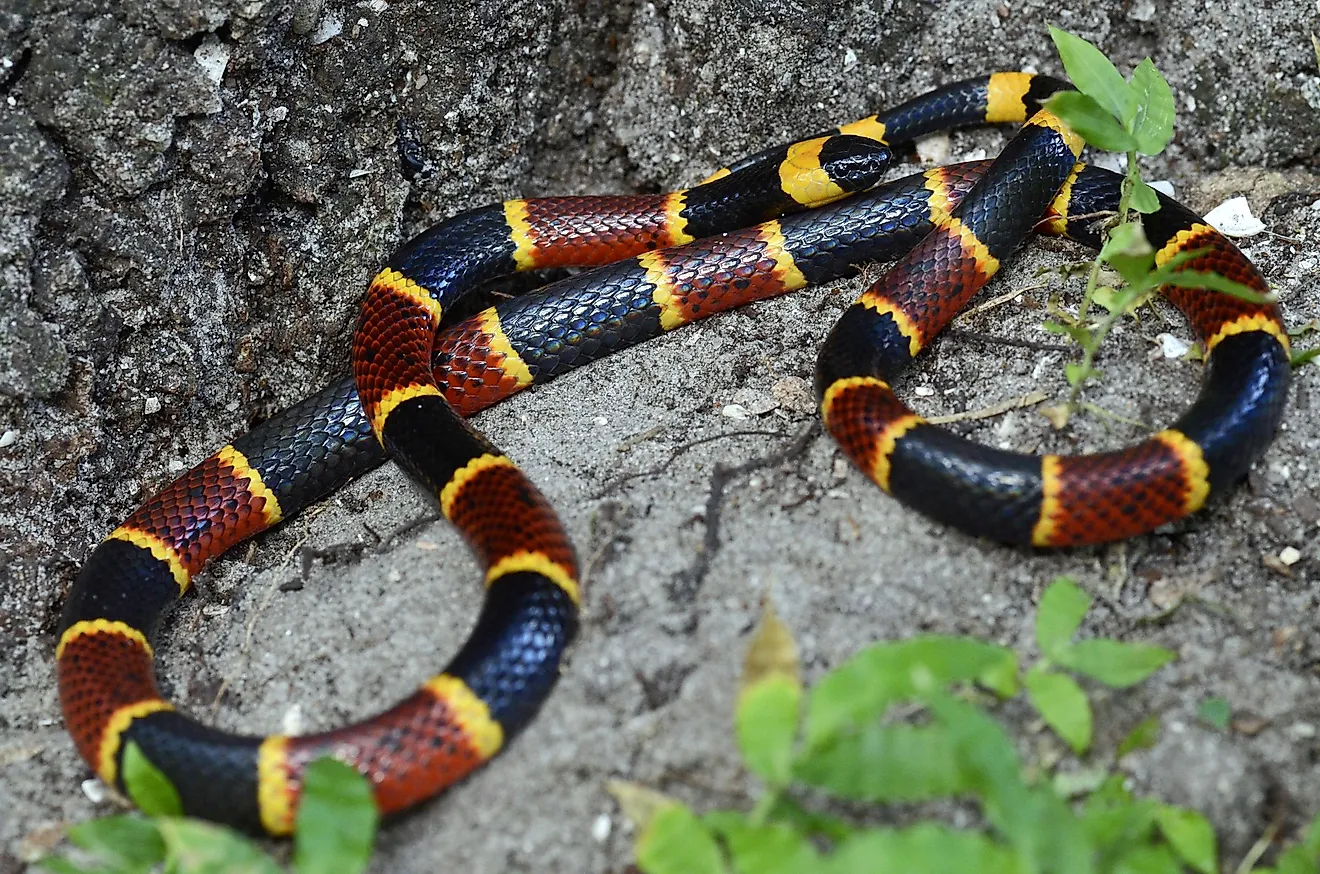
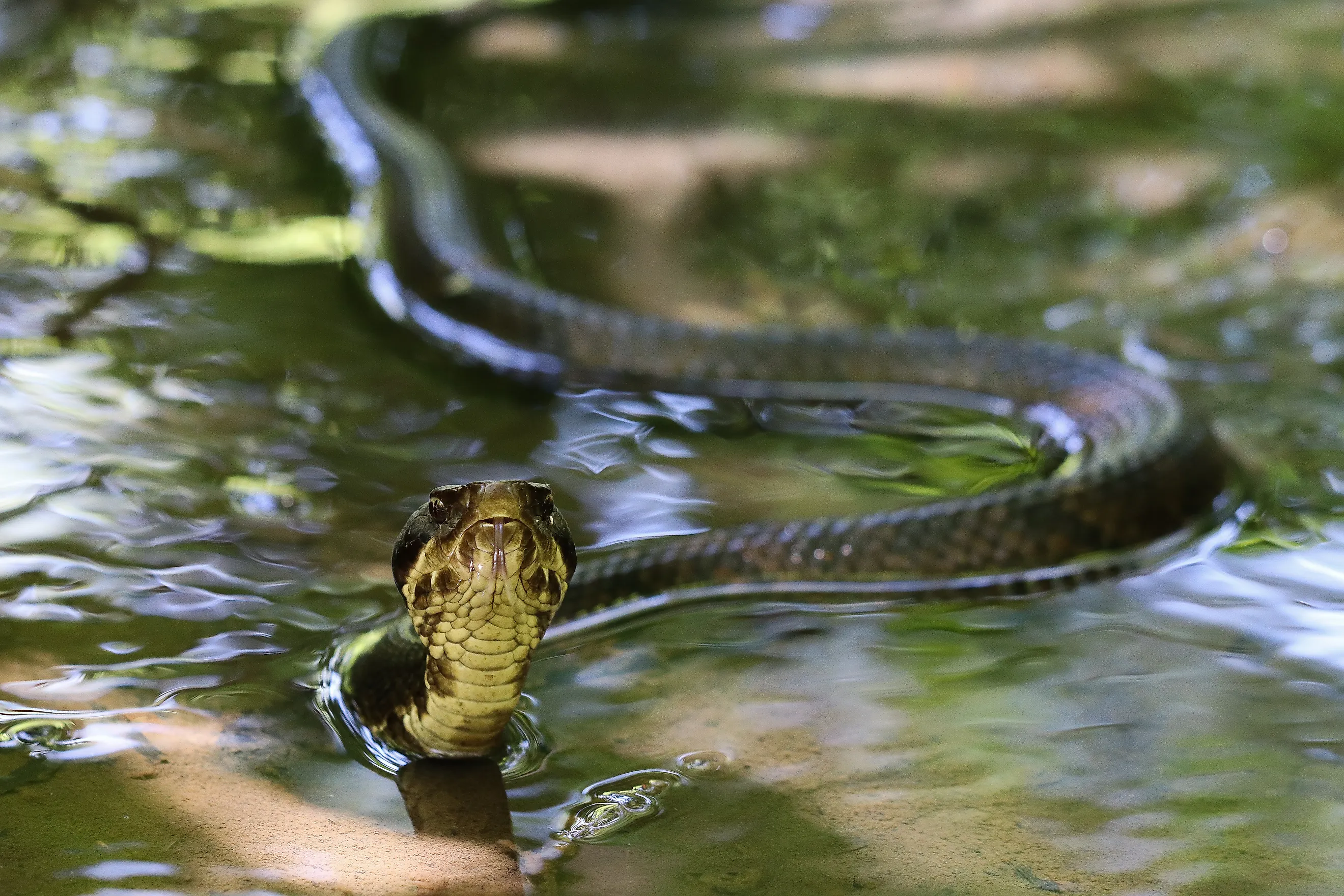
Water moccasins, the venomous snakes better known as cottonmouths, are at their thickest in the swampy national forests of the Southeast and lower Midwest. Shawnee National Forest in southern Illinois has a gravel road the Forest Service closes twice a year so cottonmouths and other snakes can cross between a swamp and the bluffs. Tuskegee National Forest in east-central Alabama has beaver ponds where cottonmouths are the most common snake. Apalachicola in the Florida Panhandle, Francis Marion on the South Carolina coast, and Croatan on the North Carolina coast all have cypress swamps and shrub bogs where these snakes live. Each forest below also has roads, trails, or paddling routes that pass right through that habitat.
Shawnee National Forest, Illinois
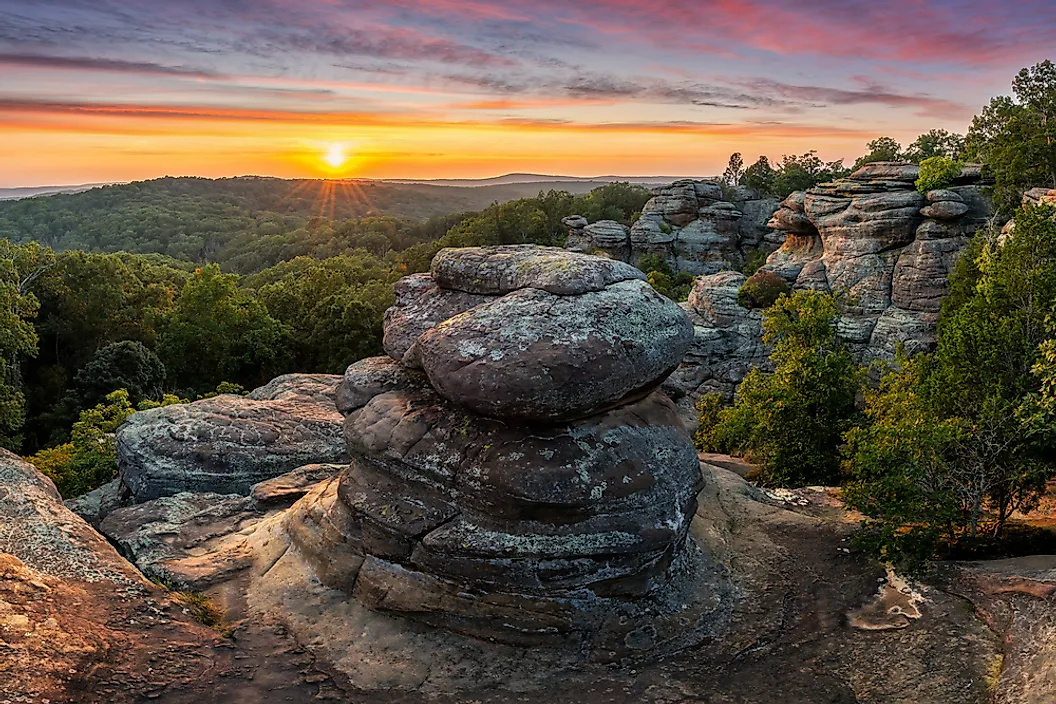
Snake Road runs between LaRue Swamp on its west side and the limestone bluffs of Pine Hills to the east. The 2.5-mile gravel road lies directly across the seasonal route between wetland feeding grounds and winter shelter. Cottonmouths accounted for 63 percent of snake sightings recorded here by naturalist John Palis between 1996 and 2015.
The swamp occupies an old channel of the Big Muddy River. Above it, snakes spend the cold months in cracks and crevices in the bluffs. They descend toward the wetlands in spring and return toward the rock shelters in fall. The Forest Service's regular vehicle closures run March 15 through May 15 and September 1 through October 30. People can still walk the road during the closures.
Tuskegee National Forest, Alabama

Cottonmouths gather around Tuskegee's permanent ponds, including wetlands created by beavers. A published survey of the forest's reptiles and amphibians described them as the most common snake in its wetlands. They also occurred along streams of different sizes, extending their habitat beyond the larger pools. In this part of east-central Alabama, the wet ground lies among lowland hardwoods and higher, sandy pine country.
Cottonmouths at Tuskegee were mainly active at night. During cooler spring and fall weather, they also basked in grass clumps or at the base of shrub-covered mounds.
They were seen on the surface between February and October, with occasional appearances during warm winter spells. The beaver ponds south of Forest Road 937 were reliable places to encounter them. Recorded meals included sunfish and catfish, as well as other snakes.
Apalachicola National Forest, Florida

South of Sumatra, cypress wetlands sit beside longleaf pine savannas in Apalachicola National Forest. Cottonmouths share those seasonal pools with amphibians, including frosted flatwoods salamanders. Elsewhere in the forest, Owl Creek passes through a tupelo and cypress swamp before joining the Apalachicola River.
Biologist D. Bruce Means described a cottonmouth crossing a sandy forest road after emerging from a drying swamp. Another swamp lay across the road. The encounter led to repeated observations along that half-kilometer stretch, about a third of a mile, where cottonmouths moved between the wetlands. In the Munson Sandhills, some seasonal wetlands can stay dry for years before high water fills and connects them again.
Francis Marion National Forest, South Carolina

Along the Santee River, a narrow strip of old-growth bottomland in Francis Marion National Forest is protected as the Guilliard Lake Research Natural Area. Cottonmouths are among its recorded wildlife. Bald cypress and water tupelo dominate the swamp, with hardwoods growing on a natural levee. Some cypress knees rise as much as nine feet above the ground, creating an unusually tall tangle around the trees. The ground here can dry during the growing season, and river diversion has reduced the smaller floods that once occurred throughout the year. Cottonmouths can travel on land well away from water. They share this bottomland with copperheads and canebrake rattlesnakes, both also documented in the forest. Elsewhere in the forest, the Wambaw Creek Wilderness Canoe Trail follows water through cypress and tupelo stands.
Croatan National Forest, North Carolina

Croatan's wet ground includes dense shrub bogs called pocosins. Near Great Lake, the 300-acre Pond Pine Research Natural Area lies about 25 to 40 feet above sea level. Thick evergreen shrubs and vines grow beneath pond pines. Cottonmouths inhabit this wet shrubland. Poor drainage keeps water at or near the surface for much of the year, and organic material accumulates in the soil.
Low pocosin vegetation covers about 82 percent of the Pond Pine natural area. Croatan also contains cypress wetlands, where cottonmouths occupy habitat near the water. In those wetlands, reptiles bask on fallen wood and shelter in it during floods.
What a Cottonmouth on the Road Is Doing
A cottonmouth crossing a forest road may be traveling toward shelter on the opposite side. In Apalachicola, Means found that blocking that route could provoke a snake to advance toward him. When he stepped aside during the original encounter, the snake continued toward the swamp instead of following him. The familiar white mouth is a defensive display, and harmless watersnakes can share the same wetland margins. Head shape alone is an unreliable identification shortcut because nonvenomous snakes can flatten their heads when disturbed. At Snake Road, visitors must leave wildlife untouched. Handling, herding, or harassing snakes is prohibited, and so is carrying collecting equipment.