7 Tick Infested Areas In Australia
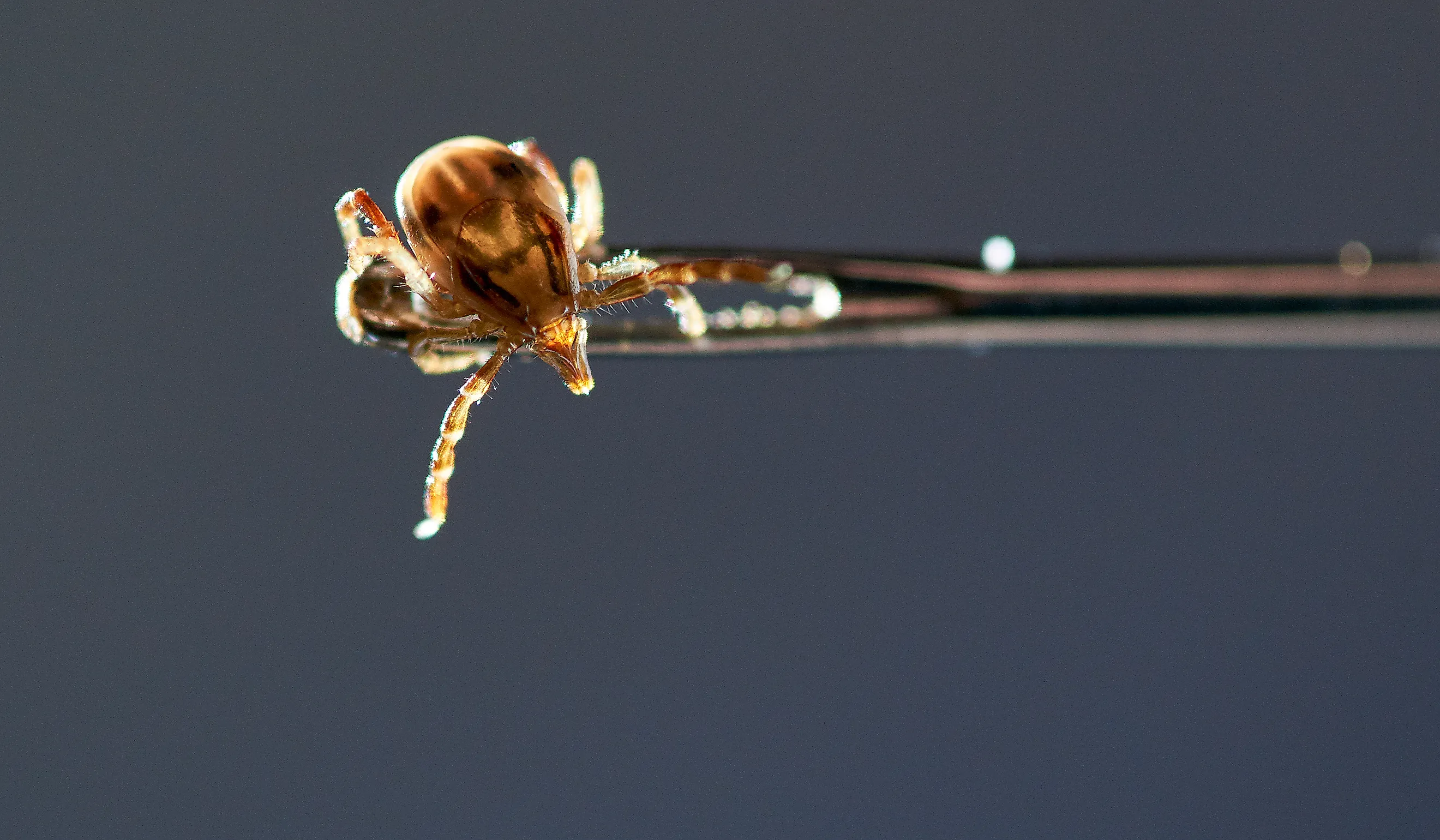
Australia's most dangerous wildlife is not always easy to spot, and some of its smallest creatures pose serious health risks. Along the eastern coast, the eastern paralysis tick (Ixodes holocyclus) thrives in damp eucalypt forests and is responsible for more than 95 percent of human tick bites in the region. Farther south, the southern reptile tick (Bothriocroton hydrosauri) inhabits parts of Tasmania and South Australia, carrying its own disease risks.
These ticks can transmit illnesses such as Queensland tick typhus and Flinders Island spotted fever, while some bites can trigger tick paralysis or mammalian meat allergy. The seven areas below made the list because published surveillance, case clusters or confirmed species records point to them.
Bundey Bore Station
Northeast of Adelaide, Bundey Bore Station is among the best-mapped tick sites in the country, with the southern reptile tick (Bothriocroton hydrosauri) range charted to a metre scale. The main host is the sleepy lizard (Tiliqua rugosa), and the tick will also bite people and livestock when it gets the chance.

The federal factsheet lists south-eastern coastal South Australia near Adelaide as a Flinders Island spotted fever area. Surveys on the mainland have found Rickettsia in ticks taken from sleepy lizards close to where human cases were identified. Spring and summer are the peak months for the illness.
Sydney's Northern Beaches

This strip of Sydney's northeast runs from Manly up to Barrenjoey Headland at Palm Beach, and bush pushes right to the edge of the suburbs. A survey at 15 sites counted 3,551 ticks on 241 small mammals. Long-nosed bandicoots carried the most ticks at every life stage, yet introduced black rats outnumbered them at most sites and kept the larval and nymphal ticks going.
Both the eastern paralysis tick and the common marsupial tick (Ixodes tasmani) were found in higher shares on those two hosts. Queensland tick typhus is a regular finding in Sydney's northern suburbs, and CSIRO calls the Northern Beaches a recognized hotspot for mammalian meat allergy, with the highest rates currently seen anywhere in the country.
Northeastern New South Wales

The country around Casino, in the state's far north, has produced some of the clearest pathogen figures for any Australian tick. When researchers tested eastern paralysis ticks from north-eastern NSW, 15.4 percent carried spotted fever group Rickettsia DNA. The federal factsheet turns that into a one in six chance of Queensland tick typhus for a person who is bitten.
The tick favours wet grassy forest and humid ground with plenty of native hosts such as wallabies and bandicoots, which describes much of this region. Allergy researchers also name the northern NSW hinterland among the areas with disproportionately high numbers of mammalian meat allergy cases.
Southeast Queensland Hinterland

The forested hinterland behind Brisbane and the Sunshine Coast is paralysis tick country in the textbook sense. In southeastern Queensland, northern brown bandicoots and long-nosed bandicoots have been treated as the principal hosts of the eastern paralysis tick since 1975, and the tick needs reasonable numbers of them to persist from one season to the next.
Queensland tick typhus is a regular diagnosis, and researchers have flagged the south-east hinterland for unusually high mammalian meat allergy numbers. A study of patients hospitalized with the typhus in north Brisbane found that 42 percent had hobbies or jobs linked to catching it. Documented cases cluster between June and November.
East Gippsland, Victoria

Around Bairnsdale and Metung on the Gippsland Lakes, the eastern paralysis tick reaches the southern limit of its recorded range. Of 2,713 mapped occurrences, the southernmost sat at Bairnsdale and Metung, and the median record lay about 19 kilometres from the coast. The tick prefers moist coastal forest, and the federal factsheet places Queensland tick typhus as far south as Victoria's south-eastern corner.
The southern paralysis tick (Ixodes cornuatus) also occurs in Victoria, although its range is far smaller and paralysis cases are very few. The factsheet adds that the typhus boundary is moving further along the coast and inland as climate and human populations change.
Flinders Island, Tasmania

Flinders Island sits in Bass Strait off Tasmania's northeast coast, and it made a name for itself from the first spotted fever cases identified there in 1991. The carrier is the southern reptile tick, which lives on lizards and snakes. A study found that 63 percent of these ticks on the island carried the bacterium behind the illness.
More than 60 percent of ticks taken from blue-tongue lizards and snakes tested positive for Rickettsia honei, although the reptiles' own blood did not. That suggests the bacterium passes from adult ticks to their eggs and may not need reptiles to survive. Cases have also turned up on mainland Tasmania, and the illness peaks in spring and summer.
Iron Range, Cape York Peninsula

Far north Queensland has a different cast. At Iron Range on Cape York Peninsula, the New Guinea haemaphysalid (Haemaphysalis novaeguineae) has been associated with Rickettsia honei strain marmionii, a pathogen also identified in human infections elsewhere in eastern Australia.
The eastern paralysis tick is not known north of Cooktown, so this is a separate risk picture from the east-coast forests. The same strain caused a death in a patient admitted to Townsville General Hospital in late 2016. Researchers still say they need to learn exactly where this tick lives and how abundant it is, so this entry rests on documented cases and not on broad surveillance data.
People in the eastern forest belt should treat June to November as the stretch when documented Queensland tick typhus cases cluster, with extra care after rain. Anyone in Tasmania or southern South Australia faces a different calendar, since Flinders Island spotted fever peaks in spring and summer.
The Australasian Society of Clinical Immunology and Allergy tick bite page carries a safe-removal video, and the federal DSCATT Clinical Pathway sets out how doctors diagnose tick-related illness. A reaction to red meat that arrives a few hours after eating is worth raising with a GP, who can order alpha-gal testing.