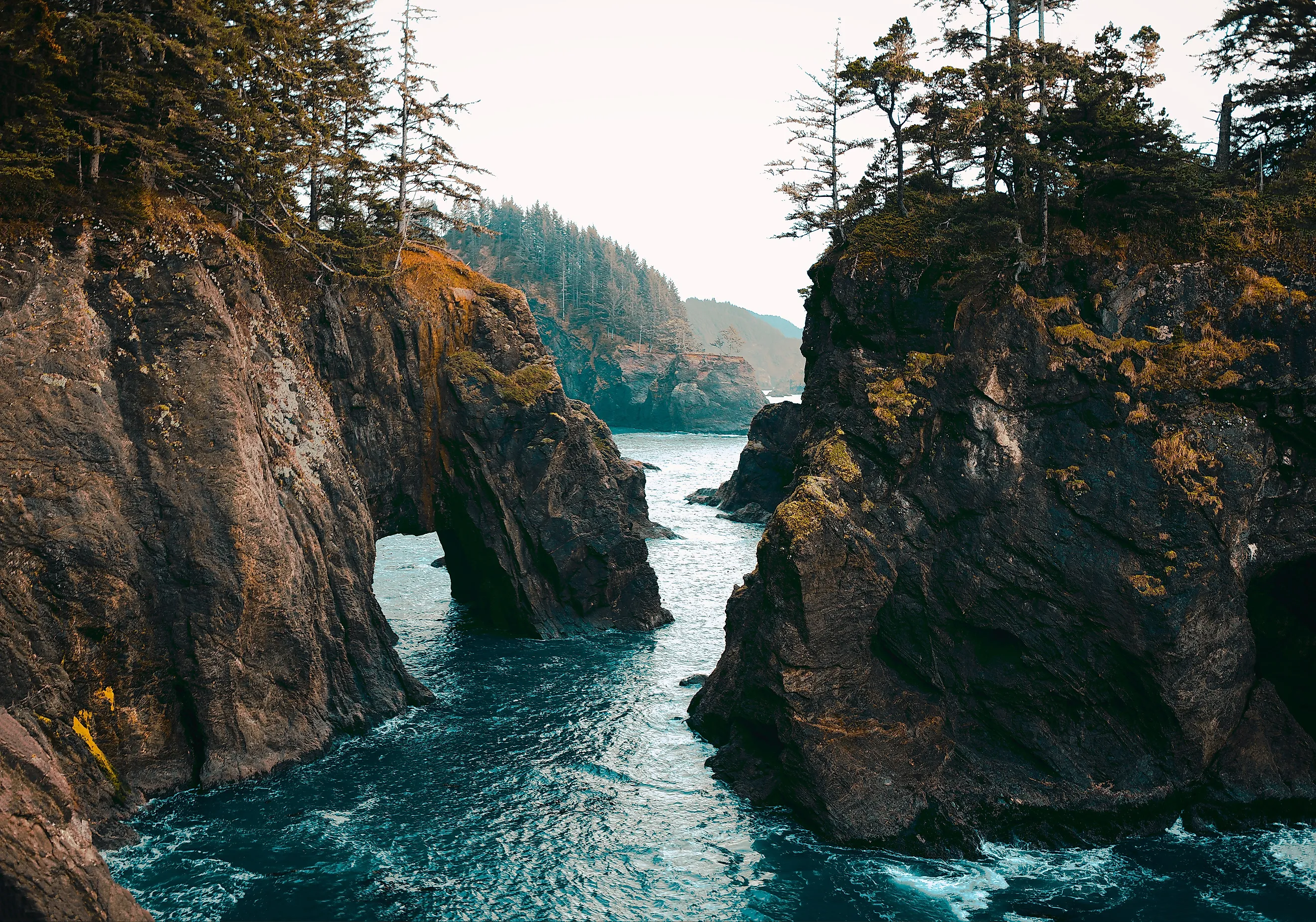
The State Parks With Sea Arches
Three enormous sea arches once stood along the shoreline of Natural Bridges State Beach in California. Today, only one remains. Waves gradually carved openings through the coastal rock, but those same forces eventually brought two of the arches crashing down. This process continues along the Pacific Coast, where several state parks offer remarkable opportunities to see sea arches before they disappear. California, Oregon, and Hawaii have some of the best examples, including arches visible along short walking trails and others accessible only by boat. These seven state-managed parks and coastal recreation areas offer a chance to see such formations without entering a national park.
Sonoma Coast State Park, California

Along the 17-mile shoreline of Sonoma Coast State Park, massive rocks rise offshore, some with openings large enough for waves to pass through. One of the best places to see these formations is Arched Rock Beach, located along Highway 1 north of Bodega Bay. The beach takes its name from a prominent rock arch just offshore, where the Pacific has eroded an opening through the stone.
The park also includes Goat Rock Beach near the mouth of the Russian River, along with rocky coves and coastal trails. Harbor seals gather along parts of the shoreline, while migrating gray whales can sometimes be seen offshore during winter and spring. Camping is available at designated locations, including Wright's Beach and Bodega Dunes. However, swimming is extremely dangerous because of powerful currents and unpredictable surf. Visitors should also observe beach closures protecting harbor seals and western snowy plovers. Day-use parking fees vary by location.
Montaña de Oro State Park, California

The rocky coastline of Montaña de Oro State Park contains sea caves, offshore rock formations, and smaller natural arches carved by wave erosion. Located near Los Osos on California's Central Coast, the park covers more than 8,000 acres and includes approximately seven miles of shoreline. Its name means "Mountain of Gold," referring to the golden wildflowers that bloom across the hills in spring.
The Bluff Trail provides one of the easiest ways to explore the coastline. Its relatively level route passes overlooks with views of Keyhole Rock, sea caves, and formations along the cliffs. One of the park's best-known arches once stood at Spooner's Cove, but it collapsed during heavy surf in December 2021. Visitors can still see other wave-carved features along the shore, although old photographs may show formations that no longer exist.
Beyond the coastline, the park offers mountain biking, horseback riding, and hiking. Islay Creek Campground provides overnight accommodation, while Spooner Ranch House contains exhibits about the area's history. Dogs are prohibited on park trails and most beaches, although leashed pets are permitted at Spooner's Cove and in designated areas. Visitors should also note that the nearby Point Buchon Trail extends onto privately owned land outside the state park.
Natural Bridges State Beach, California

Only one of the three original natural bridges remains at this state beach in Santa Cruz. The outermost arch collapsed during the early 20th century, followed by the innermost arch during a storm in 1980. The surviving formation stands just offshore, with an opening carved through the rock by the relentless action of Pacific waves.
The arch is easily viewed from the beach, making this one of the most accessible examples on the list. Visitors can also explore tide pools during low tide, where sea stars and other marine creatures inhabit the rocky shoreline. Inland, the park's Monarch Grove Natural Preserve provides seasonal habitat for migrating monarch butterflies, particularly during fall and winter.
Natural Bridges is especially suitable for a shorter coastal outing. A parking area, picnic facilities, and accessible pathways make it easier to explore than many remote shoreline parks. As of October 2026, California State Parks lists a $10 vehicle day-use fee. Dogs are not allowed on the beach or trails, and visitors should avoid approaching the arch during heavy surf.
Samuel H. Boardman State Scenic Corridor, Oregon

Seven natural rock arches and blowholes form the extraordinary Natural Bridges area along Oregon's southern coast. Located within the Samuel H. Boardman State Scenic Corridor, these formations are among the most impressive examples of wave erosion in the state's park system. The corridor stretches approximately 12 miles along Highway 101, with numerous viewpoints overlooking steep cliffs, offshore islands, and forested headlands.
Natural Bridges Viewpoint provides a relatively short walk to an overlook above the arches. The surrounding cliffs are steep, and informal trails descending toward the water can be dangerous. Visitors should remain on designated routes rather than attempting to reach the formations themselves. Another worthwhile stop is Arch Rock Viewpoint, which offers a short walk from the parking area to views of offshore rock formations.
Although officially classified as a state scenic corridor rather than an individual state park, the area is managed by Oregon State Parks. It is open for day use throughout the year, with opportunities for hiking and picnicking. There are no developed campgrounds within the corridor, but Harris Beach State Park near Brookings offers overnight accommodation.
Harris Beach State Park, Oregon

A large rock formation with an opening through its center stands along the shoreline of Harris Beach State Park. Often called Keyhole Rock, the formation is especially striking when sunlight passes through the opening and illuminates the surrounding surf. Depending on beach conditions, visitors can view the arch from shoreline viewpoints or explore the surrounding rock formations during low tide.
The park is also known for its numerous offshore sea stacks and Bird Island, also called Goat Island. The island is the largest off Oregon's coast and provides important nesting habitat for seabirds, including tufted puffins. It is part of the federally managed Oregon Islands National Wildlife Refuge, although visitors can observe it from the state park. Harbor seals, sea lions, and migrating gray whales can also be seen in the surrounding waters.
Harris Beach is particularly convenient for visitors who want to spend several days exploring Oregon's southern coast. The park has a developed campground with RV hookups, tent sites, and yurts. As of October 2026, a day-use parking permit is required. Visitors should check tide tables before exploring the rocks, as incoming water can quickly make parts of the shore inaccessible.
Kaʻena Point State Park, Hawaii

On the western edge of Oahu, Kaʻena Point State Park contains a sea arch shaped by the waves that continually strike the island's volcanic coastline. The arch can be seen along the rugged shoreline approached from the Keawaʻula section of the park. The nearby Kāneana Sea Cave is another prominent geological feature, associated with Hawaiian legends about the shark man Nanaue.
The park occupies the island's northwestern coastline and has two main access areas. Trails from the Keawaʻula and Mokulēʻia sections lead toward Kaʻena Point, where visitors can observe native seabirds and coastal vegetation. Each approach is approximately 2.5 miles one way, following exposed terrain with little shade. Winter visitors may also see humpback whales offshore.
Unlike many developed beach parks, Kaʻena Point offers few facilities along its trails. There is no drinking water, and visitors should prepare for hot weather and strong winds. Camping, dogs, and drones are prohibited. The ocean can be extremely dangerous, particularly when large swells reach the coast, so the arch is best observed from safe ground rather than approached directly.
Nā Pali Coast State Wilderness Park, Hawaii

Sea arches along Kauai's Nā Pali Coast rise beneath cliffs that reach thousands of feet above the Pacific. One of the best-known formations is Honopū Arch, a large opening through a rocky headland separating two sections of Honopū Beach. The coast also contains sea caves and natural tunnels, some large enough for small boats to pass through when conditions permit.
Unlike the other destinations on this list, the arches here are primarily viewed from the ocean. Boat and raft excursions provide the most practical opportunity to see Honopū Arch, while helicopter tours offer aerial views of the coastline. Summer kayaking is another possibility for experienced paddlers, although state regulations restrict permitted landings and seasonal access. Commercial tour boats are not permitted to land passengers at Honopū Beach.
The park also contains the 11-mile Kalalau Trail, which crosses steep valleys and coastal cliffs. However, hikers should not assume the trail provides close access to the major sea arches. Entry reservations are required at Hāʻena State Park, where the trail begins, and permits are necessary for hiking beyond Hanakāpīʻai Valley. Overnight camping requires additional authorization. Weather conditions and heavy surf can disrupt both hiking and boating, making advance planning essential.
Why Sea Arches Eventually Disappear
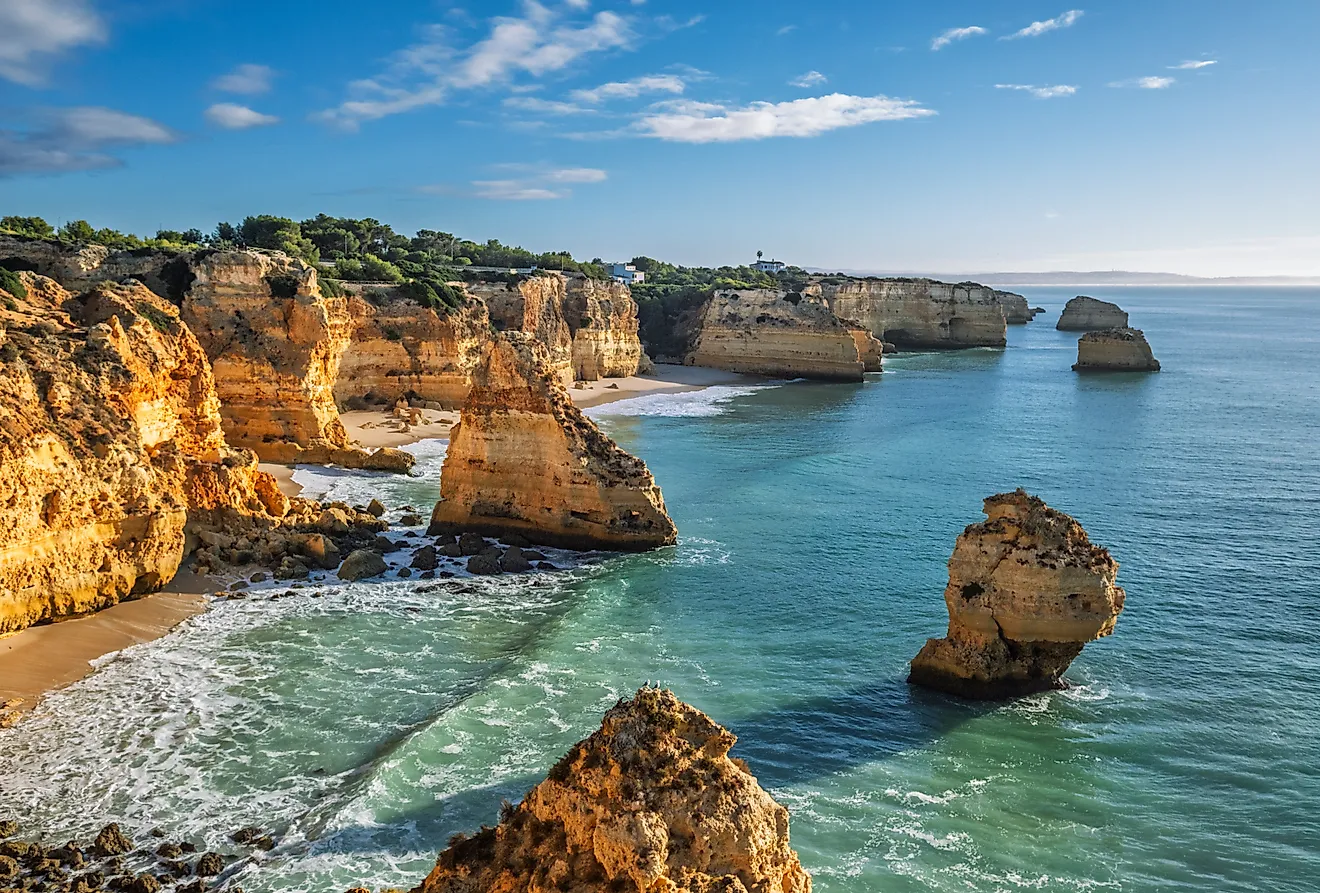
Sea arches form when waves exploit cracks and weaknesses in coastal rock. Over time, erosion enlarges these openings into caves, which can eventually break through a headland or isolated rock formation. As the opening grows, the remaining stone becomes more vulnerable to collapse. When an arch finally falls, separated columns of rock may remain as sea stacks.
This process was demonstrated in September 2026, when the approximately 90-foot Hōlei Sea Arch collapsed along the coastline of Hawaiʻi Volcanoes National Park. Although that formation was in a national park rather than a state park, its destruction illustrates the same geological forces acting on the arches in this roundup.
These formations are constantly changing, and their instability creates real hazards for visitors. The best views often come from established overlooks and maintained coastal trails, where people can observe the landscape without approaching unstable cliffs or entering dangerous surf. State parks provide numerous opportunities to see these geological features, often with shorter walks and fewer logistical demands than larger national park destinations.