The National Parks With Sea Caves
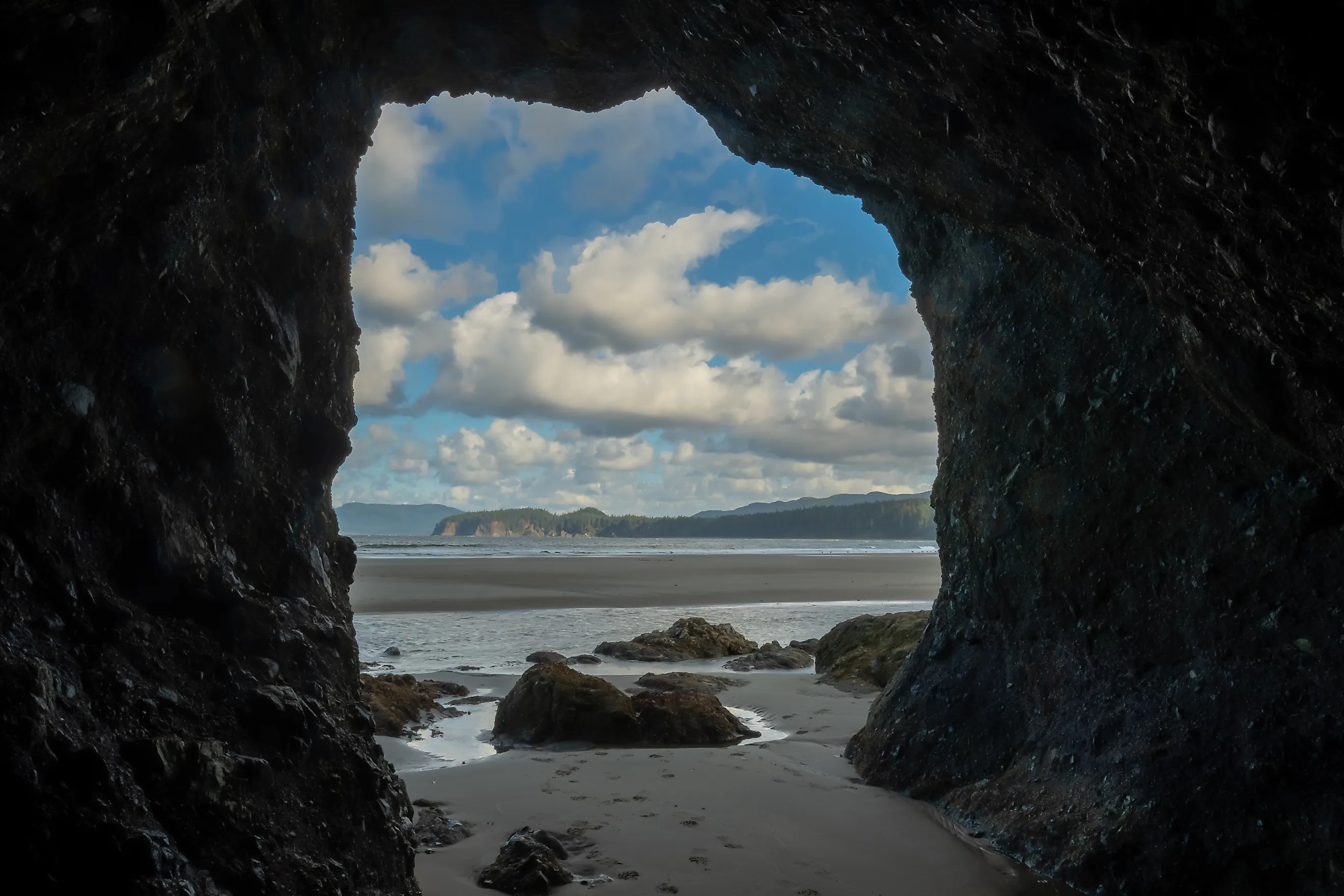
Sea caves or littoral caves are formed primarily by erosion caused by waves along the coast where water impacts bedrock, usually at weaknesses in the rock, such as faults or fractures. America's National Parks feature some of these fascinating geological phenomena, where crashing ocean waves and the towering cliffs carved by centuries of erosion have made the country's most spectacular coastal landscapes. Among the parks' most fascinating features are sea caves, dark, mysterious chambers and tunnels shaped by the relentless power of the sea. For travelers who enjoy dramatic scenery and unique geological formations, these national parks with sea caves are well worth exploring.
Channel Islands National Park (California)

The Channel Islands National Park encompasses five islands and the surrounding ocean, preserving a place for visitors to experience southern California's coast the way it used to be. The Channel Islands feature over 100 sea caves throughout the park, but Santa Cruz Island in particular is the most popular spot for kayaking and snorkeling, as it is home to one of the largest sea caves in the world. Painted Cave is located near the western end of the island on the north side, measuring 1227 feet long. The water is 30 feet deep at the mouth of the cave, and the significant rock formation reaches upward 160 feet above the water level to its ceiling. The cave is nearly 100 feet wide and is home to harbor seals and sea lions. The name, Painted Cave, derives from the naturally occurring color patterns created by various rock types and algae. Anacapa Island is also an amazing place to "sea" caves, as it has one of the highest numbers of caves per square mile.
Acadia National Park (Maine)

Acadia National Park may protect the most interesting and beautiful length of coastline on the East Coast. It's one of the most frequented National Parks in the United States, with 27 miles of historic motor roads, 158 miles of hiking trails, and 45 miles of carriage roads. And interestingly enough, it also features at least 12 known sea caves. These caves were all formed by differential erosion, and in some places, enlarged enough to break through a headland and form a sea arch. Hear the thundering waves crash against a rock wall in the Thunder Hole sea cave on a hike through Ocean Path Trail. Older sea caves that formed long ago, when tides were higher, can be found inland and provide a more stable environment inside the cave for exploration.
Kenai Fjords National Park (Alaska)

Kenai Fjords National Park encompasses more than 400 miles of rugged coastline along the Gulf of Alaska. As storm surges, tides, currents, glaciers, and tectonic processes work to carve out many caves and coastal features such as arches and sea stacks, the landscape of the coast adapts and changes over time. With over 400 mapped sea caves, arches, and stacks carved by the relentless, frigid waves, Kenai Fjords National Park is a trek worthwhile. Kayaking and boat tours give you the chance to see the ever-changing coastline and explore the geological wonders of the Gulf. And if you're lucky, you may even spot some of the amazing marine life native to Kenai Fjords, such as sea otter, dolphins, sea lions, seals, orcas, fin whales, gray whales, minke whales, and even humpbacks!
Olympic National Park (Washington)

Encompassing nearly one million acres, Olympic National Park protects a vast wilderness and diverse ecosystems, including glacier-capped mountains, temperate rainforests, and 73 miles of rugged Pacific coastline. An easy 3.3-mile round-trip hike along Rialto Beach leads to Hole-in-the-Wall, a dramatic sea arch carved by the relentless waves of the Pacific Ocean. The tunnel-like opening passes through a massive rock dome to another wild beach, and the crashing waves echo through the passage as you walk beneath it. On the far side, tide pools shelter starfish, anemones, and small fish, while the sea stacks scattered offshore show what happens once these arches finally collapse. Time the visit for low tide, since the route follows the beach itself and can be cut off when the water rises.
Hawaiʻi Volcanoes National Park (Hawaiʻi)

Hawaiʻi Volcanoes National Park is home to some of the most unique geological and biological landscapes in the world. Extending from sea level to 13,680 feet, the park encompasses the summits of two of the world's most active volcanoes (Kilauea and Mauna Loa). When new lava cools and turns to rock, it erodes and fractures under the pressure of the Pacific Ocean waves. Sea caves are created as a result, and then turn into sea arches as the waves break through the rock. These cool geological features are a marvel to behold, but no good thing lasts forever. Though they may appear mighty and permanent, individual sea arches here are an ephemeral feature of the island's constantly shifting coastline, here one day and gone the next.
Where Land And Sea Collide
Across California's Painted Cave, the rugged shores of Alaska, and the volcanic coastline of Hawaiʻi, America's national parks showcase the remarkable power of the ocean to shape the land. Each sea cave tells a story of erosion, changing tides, shifting geology, and the passage of time, while many provide shelter for seals, sea lions, and other marine life. Whether explored by kayak, boat, or from a coastal trail, these hidden formations add an unforgettable sense of adventure to a national park visit. For travelers drawn to dramatic coastlines and geological wonders, these parks offer a chance to discover some of the most fascinating places where land and sea meet.