The State Parks Where Invasive Carp Have Taken Over
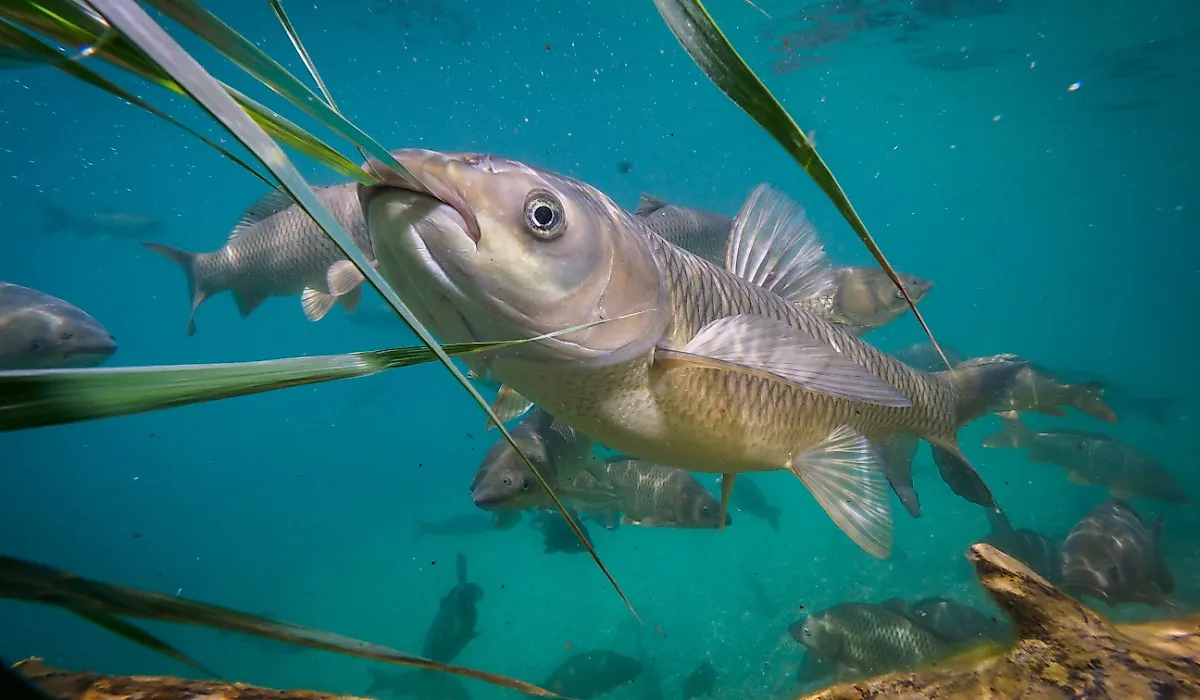
Imagine cruising across a lake, enjoying the scenery, when a large fish launches itself out of the water and strikes a passenger in the head. Silver carp actually do this. Startled by passing boats, these powerful fish can leap several feet into the air, sometimes injuring boaters. They have become a serious problem in the waters around Kentucky Dam Village State Resort Park and Lake Barkley State Resort Park. Invasive carp also threaten waterways at Starved Rock State Park in Illinois and Reelfoot Lake State Park in Tennessee. At Utah Lake State Park, common carp cause trouble beneath the surface, stirring up sediment and damaging aquatic plants. To fight back, wildlife crews have turned to giant seine nets, underwater barriers of bubbles, sound, and light, and cash rewards for the people who haul carp out.
Kentucky Dam Village State Resort Park, Kentucky

The waters around Kentucky Dam Village State Resort Park have an unusual hazard: fish that can leap straight into a passing boat. Silver carp can jump when startled by the sounds and vibrations of boat motors, sometimes striking passengers, and they share Kentucky Lake with bighead carp. Neither fish belongs here naturally. Both were introduced to the United States in the 1970s for aquaculture and algae control, then escaped through flooding and accidental releases into the connected waterways of the Mississippi River system, eventually reaching Kentucky Lake. Silver carp feed primarily on phytoplankton, while bighead carp consume both phytoplankton and zooplankton, and both compete with native fish for food, particularly early in their lives. Rapid growth, high reproductive potential, and limited predation on adults have helped them establish large populations.

Kentucky has tried some inventive ways to remove them. In February 2020, wildlife crews used boats, nets, underwater speakers, and electric fishing equipment to herd carp, much like cattle, into narrow sections of Kentucky Lake, catching more than 69,000 pounds of fish, mostly invasive carp, from two bays. A second operation the following winter removed approximately 38,000 more pounds. Commercial fishing crews have continued the work with large nets, since silver and bighead carp rarely bite ordinary fishing bait, and Kentucky offers them an additional 15 cents per pound. Processors turn the catch into food, fertilizer, and pet treats. In January 2026, state biologists reported that crews were catching fewer carp than in previous years and that the remaining fish were healthier, suggesting that reduced competition for food could be improving conditions for individual fish.
Lake Barkley State Resort Park, Kentucky

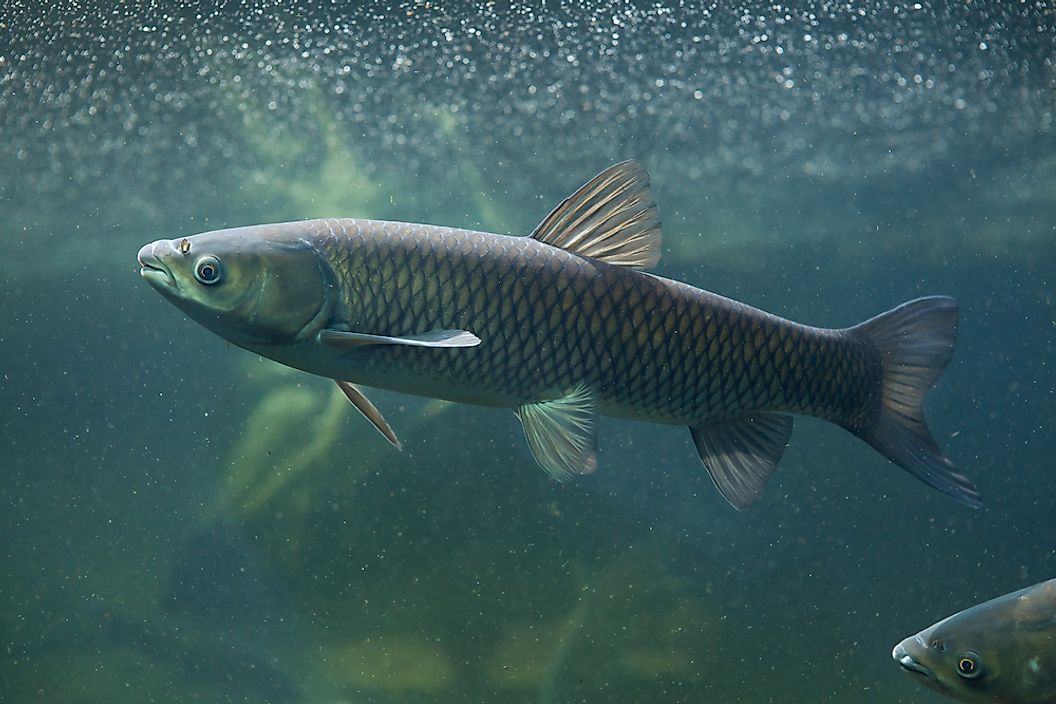
Just east of Kentucky Lake, Lake Barkley State Resort Park sits beside another reservoir where invasive carp have moved in. Lake Barkley lies on the Cumberland River, part of the connected waterway system that has allowed these fish to spread into nearby lakes and rivers. Silver, bighead, grass, and black carp have all been documented in Kentucky waters, and their distinct diets pose distinct ecological threats. Grass carp consume aquatic vegetation that native fish use for shelter and spawning, while black carp feed on snails and mussels. Freshwater mussels help maintain water quality by filtering suspended particles, so their loss can affect the wider aquatic ecosystem.
At Barkley Dam, wildlife managers have developed an unusual way to slow the spread of invasive carp farther upstream. Boats pass through a navigation lock, a chamber that raises or lowers them between different water levels, but carp can use the same passage. To discourage them, officials installed a roughly $7 million underwater barrier in 2019. The system combines bubbles, sound, and light to deter fish while allowing boats to pass. Kentucky Fish and Wildlife reported in January 2026 that the system had reduced upstream carp movement by approximately 50%. Researchers are also studying how the barrier affects native fish that use the lock.
Starved Rock State Park, Illinois

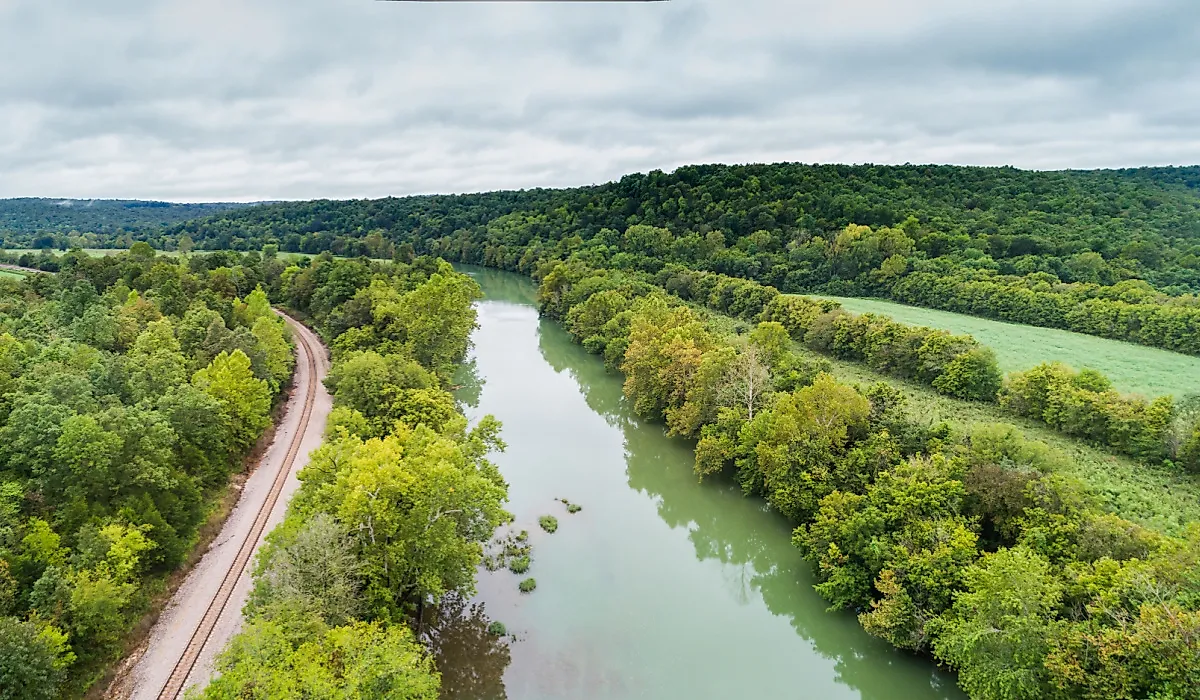
Invasive carp have become a major problem in stretches of the Illinois River near Starved Rock State Park. In late 2023, commercial fishing crews removed approximately 750,000 pounds of silver carp from the river's Starved Rock Pool in just ten days, using enormous nets called seines to surround the fish and haul them out. Cold water helped because silver carp were less likely to jump over the nets and escape. The operation was part of a greater effort that has reduced invasive carp numbers by nearly 95% in some sections of the upper Illinois River over 13 years.

The Illinois River connects to Lake Michigan through waterways near Chicago, and wildlife officials worry that silver and bighead carp, which feed on the plankton many young native fish depend on, could reach the Great Lakes. In August 2026, Illinois biologists removed several hundred juvenile silver carp, about four to six inches long, from the Marseilles Pool, approximately 80 river miles from Lake Michigan. It was the first discovery of juveniles this size so far upstream since monitoring began in 2010, suggesting that spawning might have occurred farther upstream or in a tributary. An electric barrier in a canal near Chicago is one of the defenses intended to stop the fish. Silver and bighead carp have not established reproducing populations in Lake Michigan, and the leading edge of the established adult population remains approximately 47 river miles from the lake, although individual carp have occasionally been detected farther upstream.
Reelfoot Lake State Park, Tennessee

Invasive carp have found their way into Reelfoot Lake State Park in northwestern Tennessee, even though the lake is not directly connected to the Mississippi River. During floods, water can back up through the Obion River and reach the lake's spillway, creating a potential route for carp to enter the lake. Wildlife officials have documented all four invasive carp species in the lake: silver, bighead, grass, and black. Understanding how water levels affect these movements could help the Tennessee Wildlife Resources Agency determine whether additional barriers would reduce the number of invasive carp entering the lake.

In 2022, agency biologists caught more than 80 silver carp and nine bighead carp while surveying Reelfoot Lake. They found no young silver carp during that survey, suggesting that the fish might be entering from nearby rivers rather than reproducing successfully in the lake, although the absence of juveniles in a single survey does not rule out local reproduction. To better understand the population, the agency has investigated invasive carp movements using acoustic transmitters and underwater receivers.
Utah Lake State Park, Utah

The story at Utah Lake State Park, near Provo, began long before silver carp started startling boaters in Kentucky. People introduced common carp to Utah Lake during the 1880s as a food source, and the fish multiplied until they accounted for more than 90% of the lake's total fish biomass. Unlike silver carp, common carp do their damage mostly beneath the surface. They root around in the lake bottom searching for insects, worms, and other food, stirring up sediment, uprooting aquatic plants, and releasing phosphorus and nitrogen that contribute to harmful algal blooms. The muddy water leaves young native fish with fewer places to hide. The June sucker, a fish native to Utah Lake, once dwindled to an estimated 300 individuals before restoration efforts helped its population recover enough to be reclassified from endangered to threatened in 2021.

Since 2009, crews have removed more than 35 million pounds of carp from Utah Lake, although the population remains substantial. The Utah Lake Authority also encourages local anglers to help control the carp population through its annual Great Carp Hunt, which includes events at Utah Lake State Park. In 2026, participants caught 5,805 carp and received $3 for each qualifying fish, with additional cash prizes available.
Keeping Invasive Carp Under Control
Invasive carp have created different challenges for each of these parks. Wildlife agencies have responded with large-scale netting operations, underwater barriers, fish-herding techniques, and financial incentives for harvesting carp. Removing millions of pounds of fish has helped reduce populations in some waterways, but maintaining those reductions requires continued management. Protecting native fish and aquatic habitats remains the central goal as wildlife officials monitor the spread of invasive carp and work to limit their ecological impacts.