How Long It Takes A Clearcut To Look Like Forest Again
A clearcut can look like a patch of bare ground after logging, but it does not stay that way for long. Grasses, shrubs, and young trees can cover much of the exposed soil within several years. A 1989 USDA Forest Service report summarized research on more than 75 clearcuts and estimated that a harvested site could look fully green in five to eight years, resemble a brushfield in seven to 15 years, and look like a coniferous forest in 20 to 40 years. Those are visual milestones, not a timetable for restoring a mature forest. The trees, habitats, and ecological conditions of the original woodland can take many decades longer to return.
A Clearcut Can Turn Green Again Within Five Years

The first signs of recovery often appear during the first few growing seasons. A clearcut also does not necessarily mean that every living thing has been removed. The term describes a harvest in which most or all trees in a defined area are cut, but smaller plants, roots, seeds, and some woody debris may remain. Logging residues, often called slash, can cover parts of the ground. Depending on the site and management plan, crews may leave that material, rearrange it, or burn it before regeneration begins. Those choices affect the seedbed and the plants that gain an early advantage. Early regrowth therefore depends not only on the surrounding forest, but also on what remains after logging.
Seeds already in the soil, seedlings that survived beneath the former tree canopy, and sprouts growing from cut stumps or roots can all help vegetation return. Wind, birds, and other animals also bring seeds from surrounding trees. Once plants establish themselves, their leaves and stems cover exposed soil, making the site look less like a recent logging operation.
The Forest Service report used the term "partial greening" for the early stage, which it estimated could occur in four to five years. It estimated that most of a cut could look green within five to eight years. These estimates came from observations and research in California, so they should not be treated as a nationwide guarantee. Climate, elevation, soil, tree species, and the way the harvest site is prepared all affect the pace of regrowth.
A green appearance does not necessarily mean that trees have returned. Fast-growing grasses, ferns, and shrubs may cover the ground before a new tree canopy develops. The next stage can look more like a dense thicket than a woodland. The same report estimated that some clearcuts developed a brushfield appearance in seven to 15 years, with taller shrubs and young trees gradually obscuring the ground.
The size and shape of the opening matter as well. A narrow cut has more edge next to standing trees than a broad opening does. This edge can better supply seeds and shelter. Even when the center regenerates, roads, landings, and heavily disturbed patches may stay visible longer than the surrounding vegetation.
Young Trees Gradually Rebuild the Canopy

The time it takes for a clearcut to look like a forest depends partly on which trees grow there. In California examples summarized by the Forest Service, harvested areas could take 15 to 25 years to develop a hardwood-forest appearance. Sites dominated by conifers could take 20 to 40 years to look like a coniferous forest. Those ranges reflect particular forest types and conditions, not a fixed schedule for every clearcut in the country.
The difference can be obvious in a mixed forest. After logging, fast-growing hardwoods may sprout or establish themselves before slower-growing conifers form a visible canopy. From a distance, the site can appear wooded even if its mix of tree species differs from that of the original stand. In one California example, Douglas-fir trees needed more than 12 years to grow taller than the hardwoods around them. Until then, the site looked more like a brushfield or mixed thicket than a conifer forest.
A separate Forest Service study in east Tennessee examined vegetation on clearcut and surface-mined sites at five-year intervals, covering sites up to 30 years after disturbance. Researchers found that clearcut areas were moving away from their former oak-hickory composition as succession progressed. They noted that management practices may be needed to encourage oak and hickory if the goal is to restore that forest type. In other words, a site can regain tree cover without returning to the same kind of forest.
Forest Type and Site Conditions Affect Recovery

Not every clearcut follows the same recovery schedule. Adequate moisture, productive soil, a suitable growing season, and nearby seed-producing trees can help vegetation return quickly. A large opening may receive fewer seeds from surrounding trees than a narrow cut, and a site with compacted or heavily disturbed soil may provide poorer conditions for seedlings. Drought, browsing animals, competing vegetation, and repeated disturbance can also affect how young trees survive.
The way a site is regenerated matters, too. Some harvested areas recover naturally from seeds, seedlings, and sprouts already present. In other places, foresters plant seedlings or prepare the soil to help trees establish. The Forest Service identifies adequate seed supply, a receptive seedbed, sufficient soil moisture, and control of competing vegetation as important conditions for natural regeneration of southern pines. If one of those elements is missing, a site may not develop the desired stand without additional management.
Planting can help establish trees where natural regeneration is insufficient, but it does not instantly create a forest. Nursery seedlings need time to establish roots and grow above competing vegetation. Managers may also need to replace seedlings that die or control plants that outcompete them. The USDA notes that prompt revegetation after disturbance can reduce soil erosion, help maintain water quality, and discourage invasive species, so early recovery is about stabilizing the site as well as restoring trees.
A Mature Forest Takes Much Longer to Return

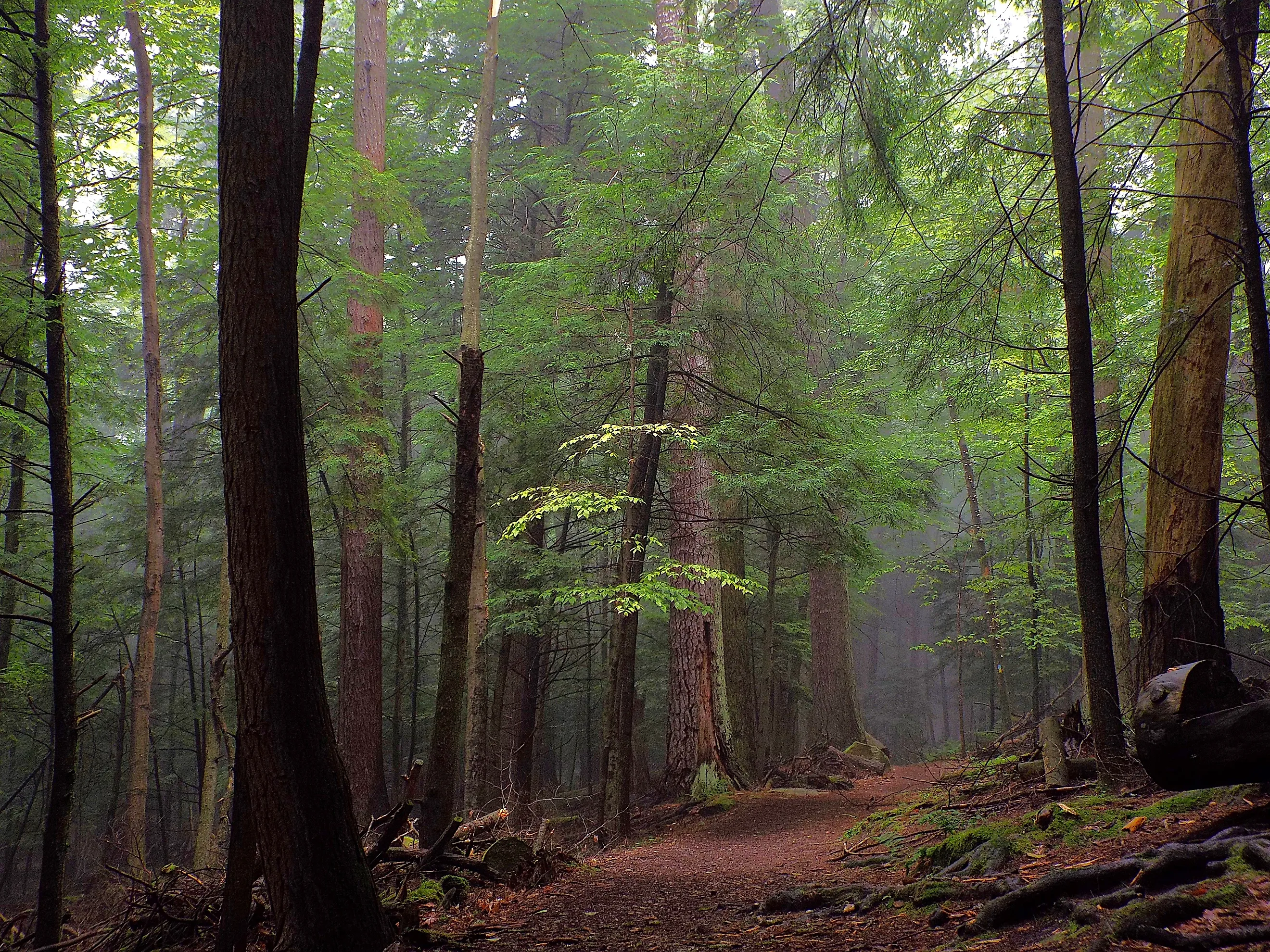
A young stand with a closed canopy is not the same as a mature forest. Older woodlands contain large trees, standing dead trees called snags, fallen logs, gaps in the canopy, and layers of vegetation that create different habitats. These features develop at different rates. Some depend on trees growing for many decades; others depend on dead wood accumulating and decaying over time.
Research from the western Cascade Range in Oregon shows how some forest plants respond after clearcutting and slash burning. The Forest Service's summary of long-term studies found that many understory species recovered to their earlier abundance before the young tree canopy closed. However, plants that depend on the tree canopy, as well as species sensitive to fire, could take much longer. Some shade-loving plants disappeared locally after the canopy was removed, and epiphytic species that grow on trees may need centuries to recover.
The findings help explain why a forest can look green long before its original ecological community returns. A young stand may provide cover for wildlife that use brush and open woodland, but species that depend on old trees, shaded conditions, or large decaying logs may not find suitable habitat for decades. A forest that has regained its tree cover has not necessarily regained its former biodiversity.
The Forest Can Look Recovered Before It Is
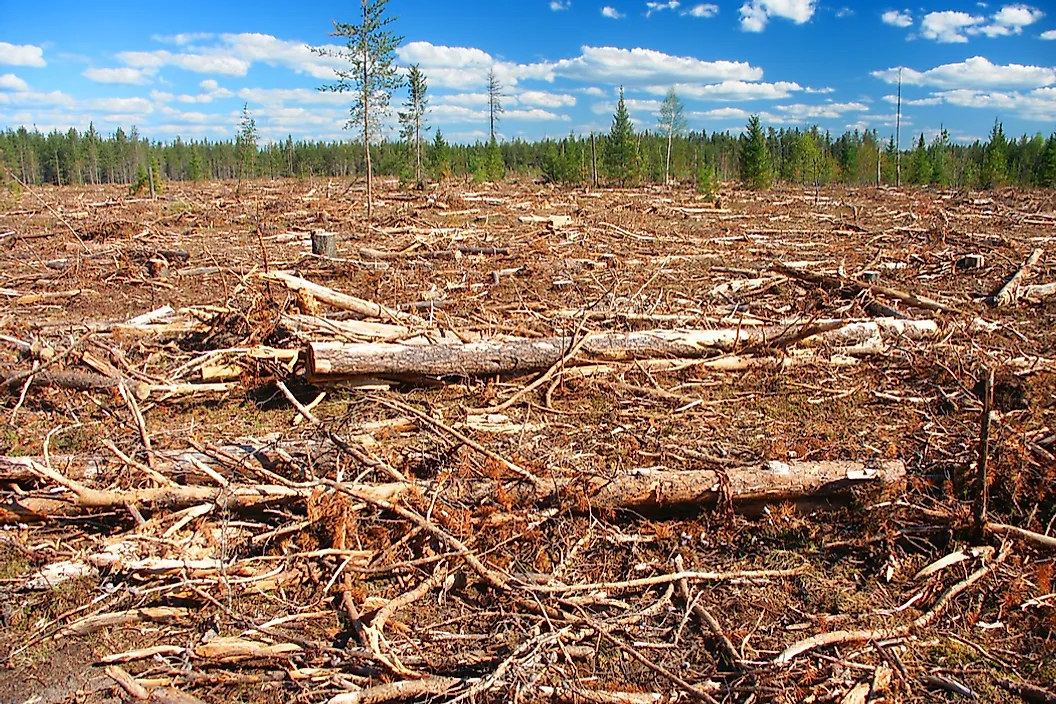
For someone viewing a clearcut from a hiking trail or road, the change can seem complete once shrubs and young trees hide the exposed ground. In favorable conditions, that may happen within five to eight years. A recognizable young woodland may take 15 to 40 years to develop, depending on the forest type and regeneration conditions.
The longer process is less visible. Mature trees, complex layers of vegetation, large dead wood, and the species associated with older forests can take many decades to return. A clearcut can therefore look like a forest again within a generation, even as the ecosystem continues to change long afterward. The most accurate answer depends on what "like a forest" means: green cover returns relatively quickly, but a mature forest takes much longer.