Where Timber Rattlesnakes And Copperheads Overlap
On a range map these two look like near twins. Both occupy the eastern half of the country, both den in rock, and in southeastern New York and northern New Jersey they routinely share the same hibernaculum. The difference does not show up in where they live. It shows up in how much of it each still has. Timber rattlesnake populations have declined rangewide by perhaps 85 percent since European settlement and the species is gone from six states and provinces outright. The copperhead has lost almost nothing.
The Shared Ground Is Most Of The East

Both species cover a very large area, and the shapes are similar enough to confuse. Timber rattlesnakes range from central New England south to northern Florida and west to eastern Texas, central Oklahoma, eastern Kansas, southeastern Nebraska, southern Iowa and southeastern Minnesota. They currently occur in 31 states.
Copperheads cover much of the same ground, reaching further west into Nebraska and further into the Deep South, and they are the only venomous snake in large parts of it.
One Of Them Is Collapsing
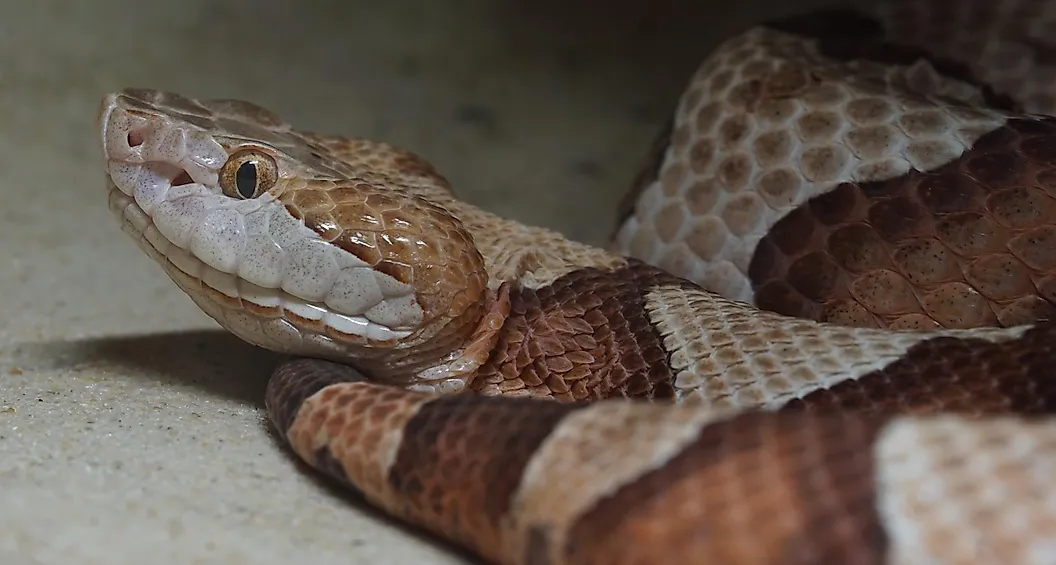
The overlap is not stable, and it has been shrinking from one side for two hundred years.
Timber rattlesnakes were abundant at European settlement. They are now listed as endangered or threatened in 16 of the 31 states where they survive, ranked critically imperiled in seven, imperiled in four and vulnerable in eleven.
They are extirpated from Ontario, Quebec, Maine, Michigan, Delaware and Rhode Island. New York has lost an estimated 60 percent statewide, including Long Island and much of the western part of the state. New Jersey has recorded a 50 to 66 percent decline.
Tract Size Is The Difference

The two need the same rock and very different amounts of forest, and that one variable explains the divergence.
Timber rattlesnakes have large home ranges, spend summer in mature deciduous forest, and require large unbroken tracts to sustain a population. New Hampshire's wildlife plan states the problem directly: the large undeveloped tracts needed to sustain timber rattlesnakes are dwindling rapidly.
Copperheads need no such thing. They tolerate woodland edge, suburbs and fragmented habitat, which is why North Carolina lists the species' abundance simply as statewide.
Suburbs Separate Them

The clearest consequence of that difference shows up when land gets developed.
Timber rattlesnakes are described as less common in cities and suburbs throughout their range. Copperheads persist and in many places thrive, to the point that North Carolina notes they are the only venomous snake in most of the state's larger urban areas.
So in any landscape that has been subdivided, the overlap has already ended. One species left and the other stayed.
They Still Share Dens Where Both Survive

Where both remain, the association is close enough that state agencies describe it as routine.
New York's heritage program notes that timber rattlesnakes hibernate in communal dens, often with copperheads and other non-venomous species, and that the copperhead often occurs with the timber rattlesnake in southeastern New York. New Jersey records the same combination with black rat snakes added.
That is the tightest form of overlap two species can have, and it is also a vulnerability, because losing one rock outcrop removes both populations at once.
New England Shows The Endgame

The northeastern corner of the range is where the two species have come furthest apart, and the pattern is instructive.
In Maine the timber rattlesnake is extirpated and there are no copperheads either. Rhode Island has lost the rattlesnake. New Hampshire has a remnant rattlesnake population described as likely the state's most endangered wildlife, and no copperheads at all.
Connecticut and Massachusetts still hold both species, each heavily protected. The overlap in New England is now a handful of sites rather than a region.
Disease Is Hitting One Side Harder

A relatively recent factor has widened the gap in the northeast. Snake fungal disease has been implicated in timber rattlesnake population declines across multiple northeastern states, including New Hampshire's. For a species that reproduces every two to four years in small isolated populations, an additional mortality source compounds quickly.
The copperhead's larger, better connected populations absorb losses that would be terminal for a rattlesnake den.
Reproduction Sets The Recovery Rate

Even where protection works, the two species rebuild at different speeds.
Both are slow breeders by mammal standards, but timber rattlesnakes mature late and females reproduce only every two to four years, often in dens holding the entire local population. Copperheads breed more frequently and disperse through habitat the rattlesnake cannot use.
A protected rattlesnake population recovers over decades. A copperhead population absorbs a bad year and carries on.
Telling Them Apart Where Both Occur
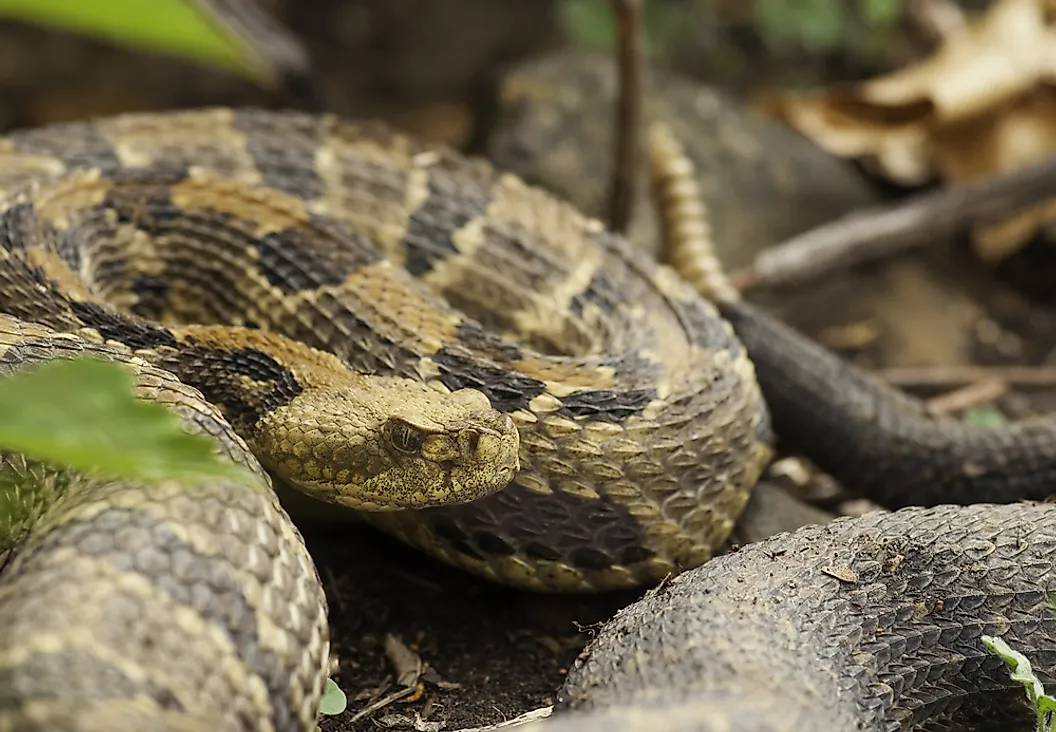
In the shrinking zone where both are present, the distinctions are easy enough.
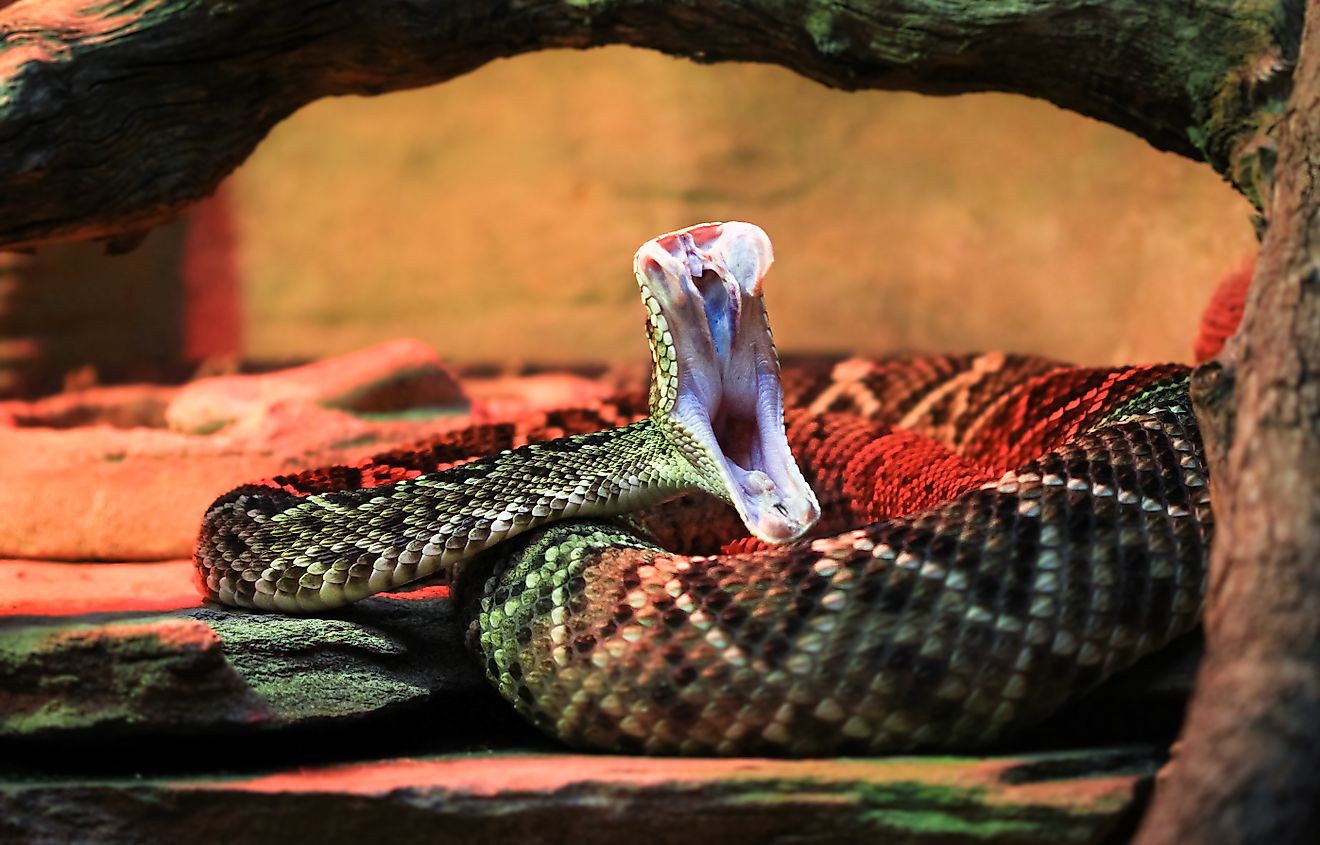
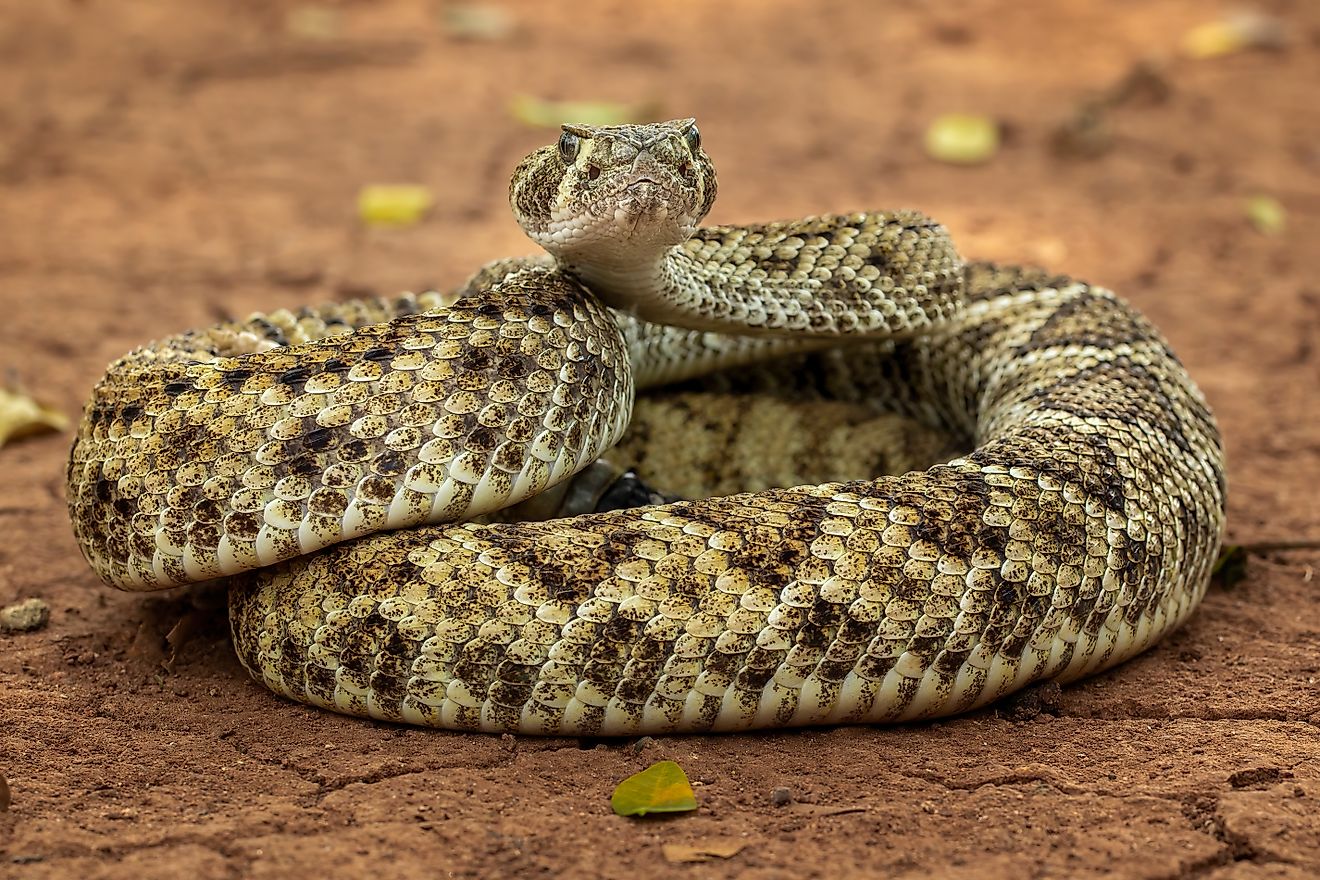
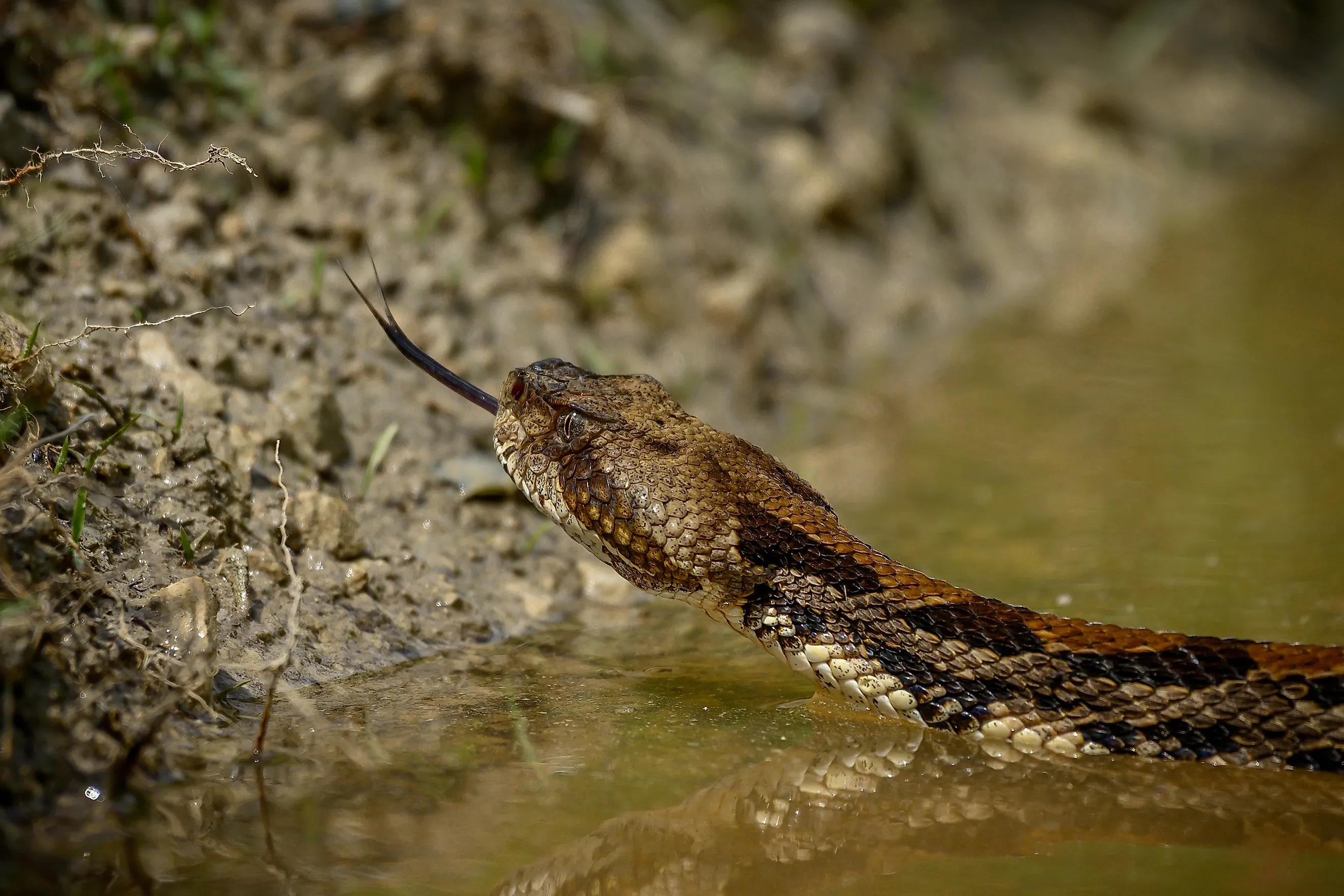
New York's guidance is to look for the coppery-orange head, the hourglass crossbands and the absence of a rattle. Timber rattlesnakes are substantially larger, carry chevron bands rather than hourglasses, and some are almost entirely black in the dark phase.
Size is usually enough on its own. A timber rattlesnake is a heavy-bodied animal of four feet or more, and copperheads rarely reach three.
The Short Answer

Timber rattlesnakes and copperheads overlap across most of the eastern United States and share dens where both survive, particularly in southeastern New York and northern New Jersey. On paper they are two similar snakes occupying similar ground.
In practice the overlap is collapsing, and only one side is doing the collapsing. The rattlesnake needs large unbroken forest and is down perhaps 85 percent rangewide, gone from six states and provinces. The copperhead needs an edge, a rodent and a crevice, which the modern landscape supplies in quantity.