How Big Is The Largest State Park Compared To A National Park?
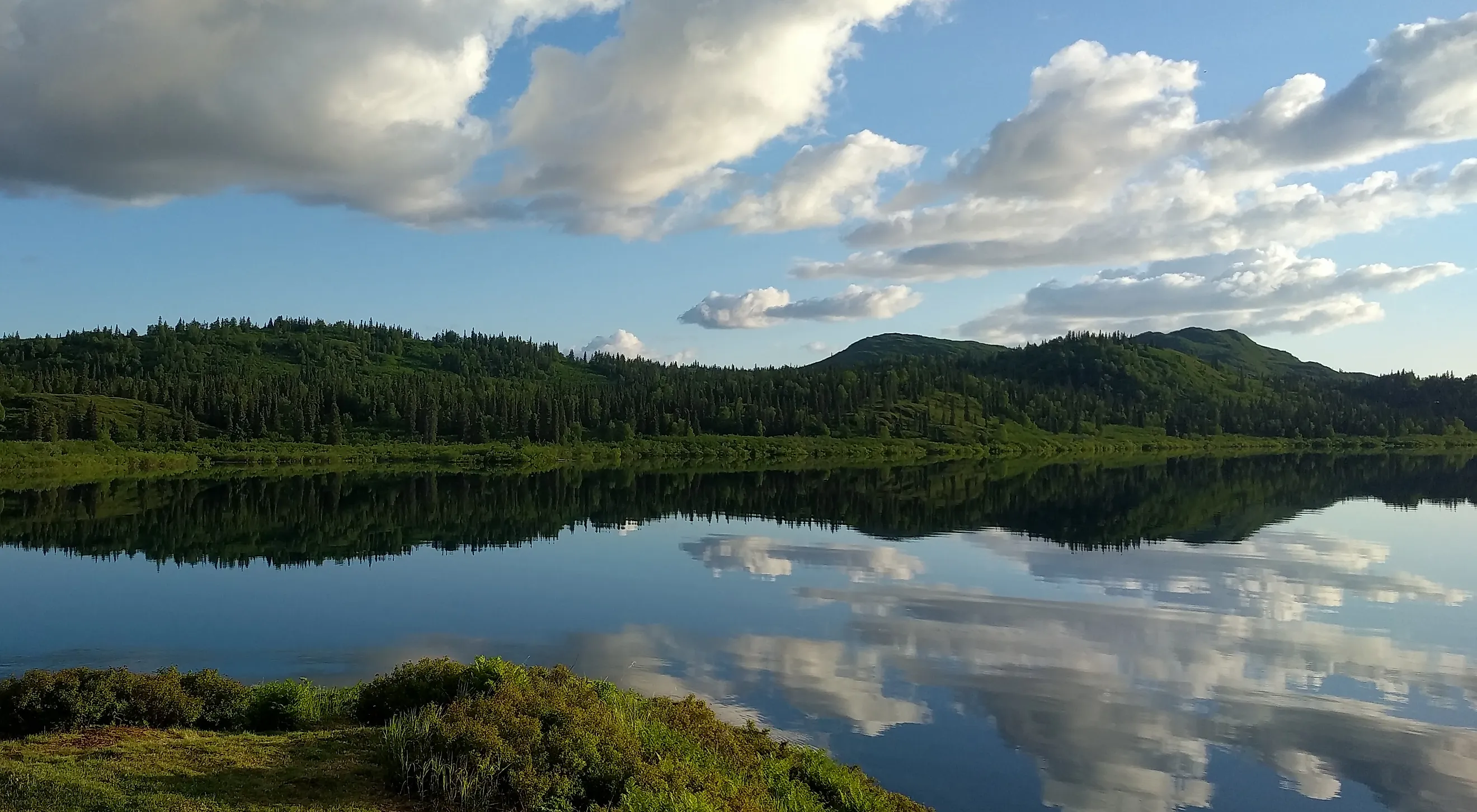
Wood-Tikchik State Park in Alaska is the largest state park at 1.6 million acres. If compared with national parks, it is larger than the majority of them. In fact, if it were converted into a national park, it would be the 10th largest national park in the nation. This state park makes up half of the total state park lands in Alaska and is known for its vast network of connected lakes that can challenge even the most seasoned national park explorer.
Criteria

For this story, we are only considering parks that are owned by a state; hence, Adirondack Park in New York is not considered.
Adirondack Park is 6 million acres, which makes it larger than all but two of the national parks. It was established in 1892 by New York as a way to limit logging and protect the mountains as a "forever wild" preserve. However, only 2.6 million acres of the park are owned by the state of New York; the rest consists of privately owned property, including 101 towns and communities.
The park protects the Adirondack Mountains, which are actually one single dome that began rising up 20 million years ago, and are continuing to grow by a few feet every century. The rocks that make up the mountains are 1.3 billion years old, but were slowly flattened through erosion. Scientists believe this current dome was crafted through thermal activity.
The state has to balance both public and private interests throughout the park by limiting building and projects. This is much different than Wood-Tikchik State Park, which is one of the most rugged state parks in the U.S. It was established in 1978 to protect the fish and wildlife, while also offering recreational boating, fishing, and exploring for those willing to go the extra mile to get here.
Landscapes

Wood-Tikchik State Park gets its name from two systems of connected lakes within southwestern Alaska, both of which flow into Bristol Bay. The northern section is the Tikchik Lake system, which joins up with the Nuyakuk and Nushagak Rivers, while the southern Wood River system follows the Wood River itself to Bristol Bay.
The Tikchik Lakes themselves are made up of six lakes, of which the largest is Tikchik Lake itself. This system is considered more remote and has far fewer visitors than the southern section. Tikchik Lake eventually flows into the long, winding Nuyakuk and Nushagak Rivers that gradually flow south to Bristol Bay.
The Wood River Lakes section, meanwhile, is closer to Bristol Bay, and begins at Lake Kulik, flowing through streams to Lake Beverley, Lake Nerka, and Lake Aleknagik, which joins up with the Wood River.
The lakes are surrounded by tundra and mountains. There are no marked trails, meaning any hiking here will require trailblazing.
How to get there

Wood-Tikchik State Park is similar to Isle Royale National Park in that there is no way to drive into it directly. The nearest community to it is Dillingham, with a population under 2,500.
In order to reach Wood-Tikchik State Park, one first has to fly into Dillingham from Anchorage. From here, they can plan a journey to Wood-Tikchik, which involves hiring a floatplane that can take one to one of the lakes.
For the longest journey in the Wood River system, one can begin on Lake Kulik and make the way back down via 130 miles. This can be a challenging journey as high winds can drive boats off course. Travelers also have to keep an eye out for good spots to camp and bring along enough supplies. There are almost no facilities in Wood-Tikchik State Park, other than isolated fishing lodges and very small numbers of staff, such as a park ranger located at the Agulukpak River Contact Station.
Boaters can also choose to stop early at the village of Aleknagik, located at the end of Lake Aleknagik. This community has a 25-mile road that runs back to Dillingham.
Which national parks are larger than Wood-Tikchik State Park?

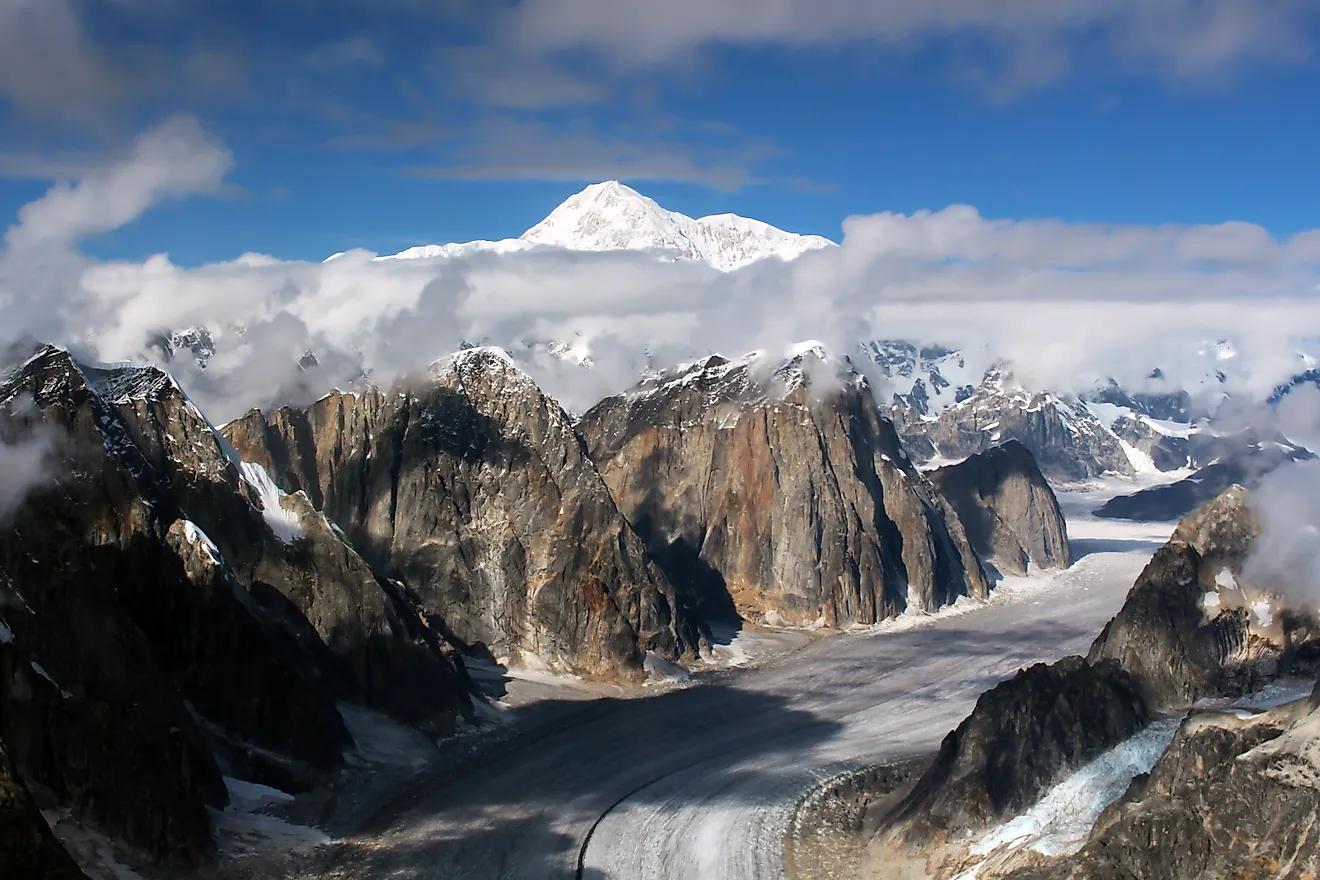
Of the 9 national parks larger than Wood-Tikchik, 7 of them are located in Alaska. The largest national park in the U.S. is Wrangell-St. Elias National Park & Preserve at 8.3 million acres. First established in 1980, it was set up to protect the vast number of glaciers and volcanoes here. Glaciers cover 35% of the park's landmass, such as the 53-mile-long Nabesna Glacier, the largest interior valley glacier in the world. Mount Wrangell stands 14,163 feet tall and is the only active volcano in the park, which still has steam plumes coming out of its crater.
Following Wrangell, the next largest national parks are the Gates of the Arctic at 7.5 million acres, Denali at 4.7 million acres, and Katmai at 3.6 million acres.
Death Valley National Park is one of two continental national parks larger than Wood-Tikchik at 3.37 million acres. It is the lowest national park in the U.S., with Badwater Basin sitting 282 feet below sea level. This basin was the site of an ancient lake, which dried up, leaving behind salt flats.
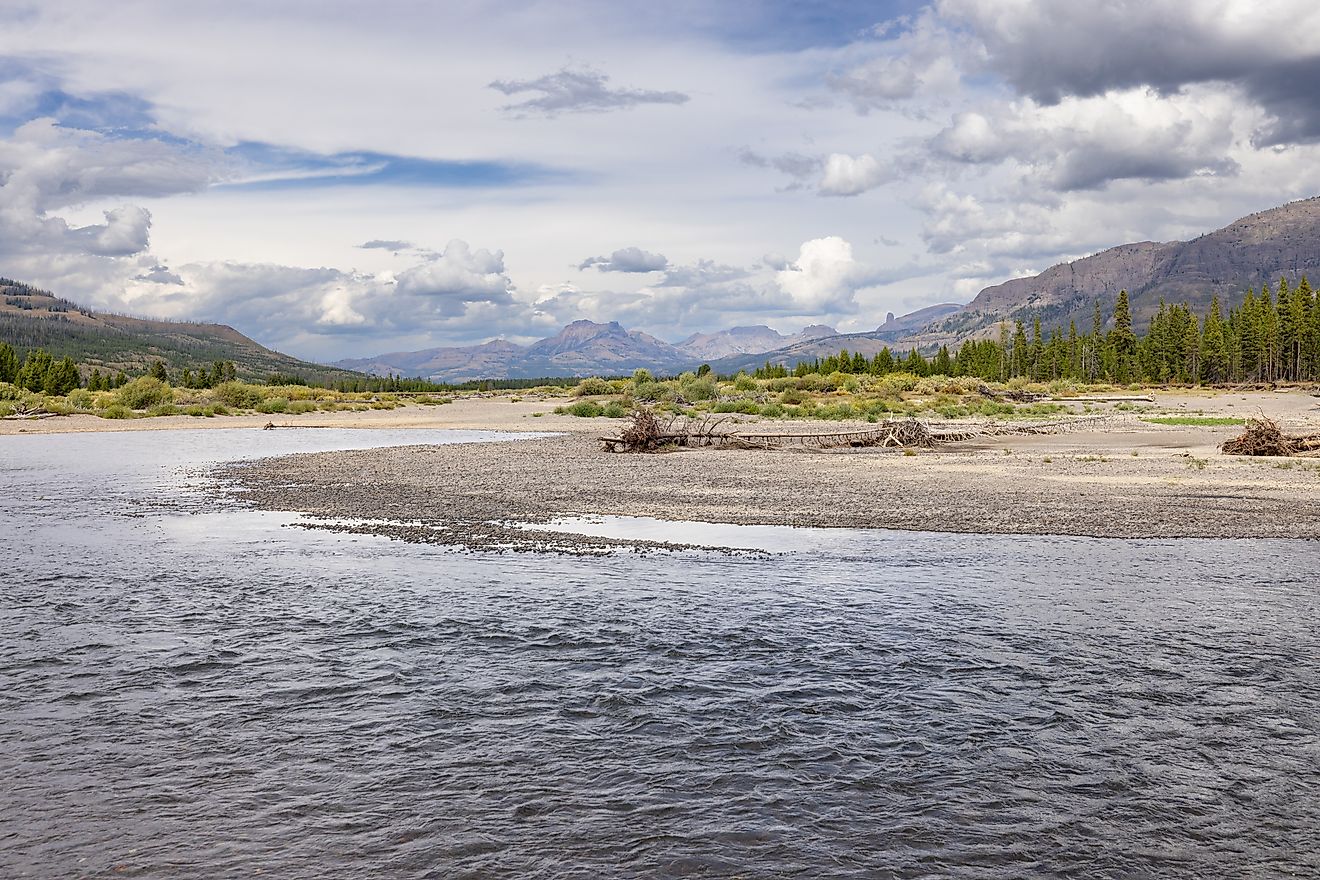
It is followed by Glacier Bay at 3.223 million acres and Lake Clark at 2.619 million acres, both located in Alaska. The other continental park that eclipses Wood-Tikchik is Yellowstone National Park, which is found in Wyoming, Montana, and Idaho. At 2.219 million acres, it is best known for its active geysers. The 9th-largest national park is the last one larger than Wood-Tikchik, which is Kobuk Valley at 1.750 million acres in Alaska.
This state park is one of the most rugged places in the US
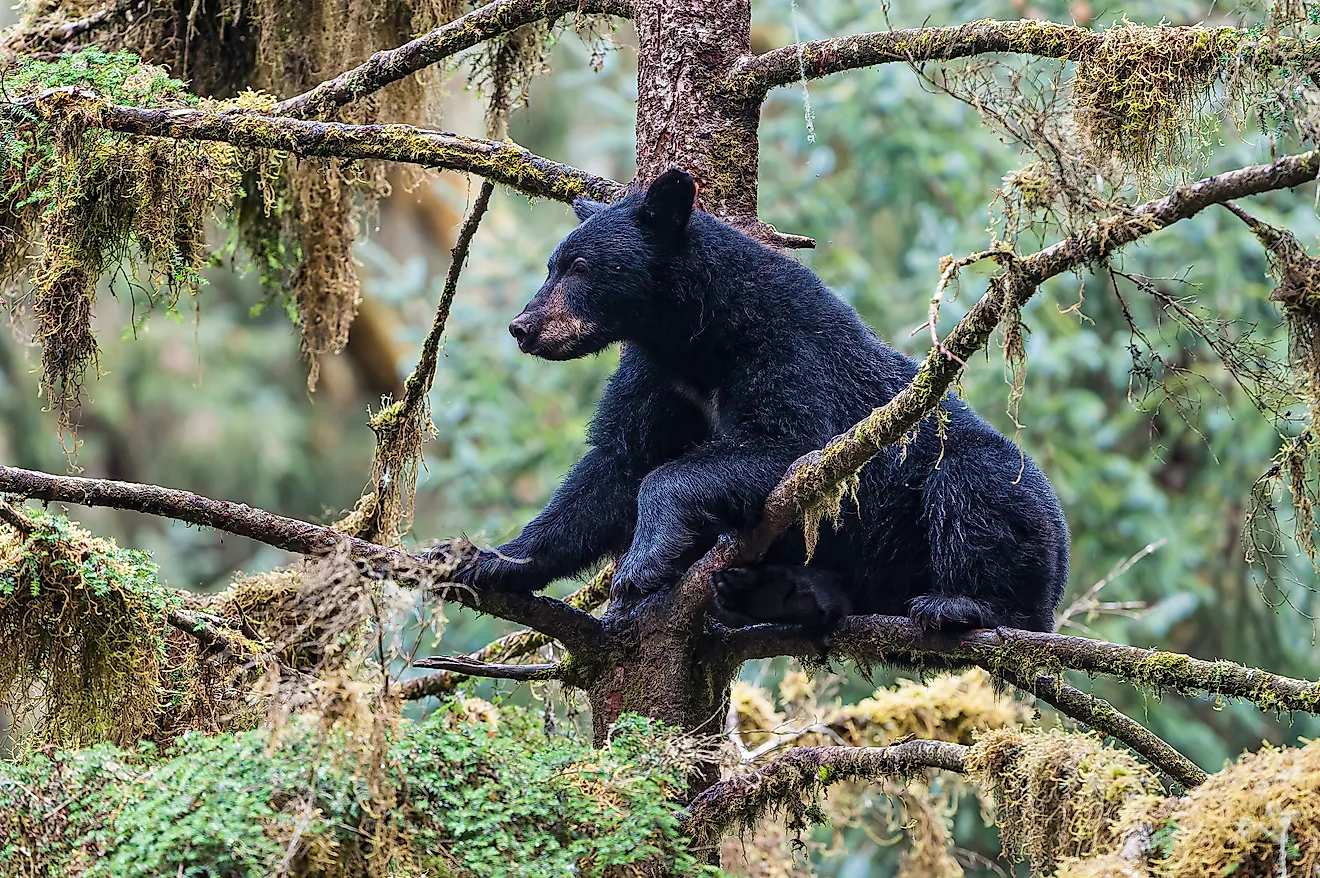
This state park isn't just bigger than 53 of the 63 national parks; it's also far more rugged than most of them. With no roads leading into it, one has to be both determined and resourceful to visit Wood-Tikchik State Park. Those who do visit it can speak to its beauty, with its tundra meadows, quiet streams, and large population of wildlife such as bears, caribou, and wolves. Fishers can collect an abundant bounty of trout and salmon to cook and eat on the shoreline.
Wood-Tikchik State Park was designed to be a place with little to no development and to protect the wildlife and lakes. As a result, all visitors should clean up after themselves and aim to leave only footprints.