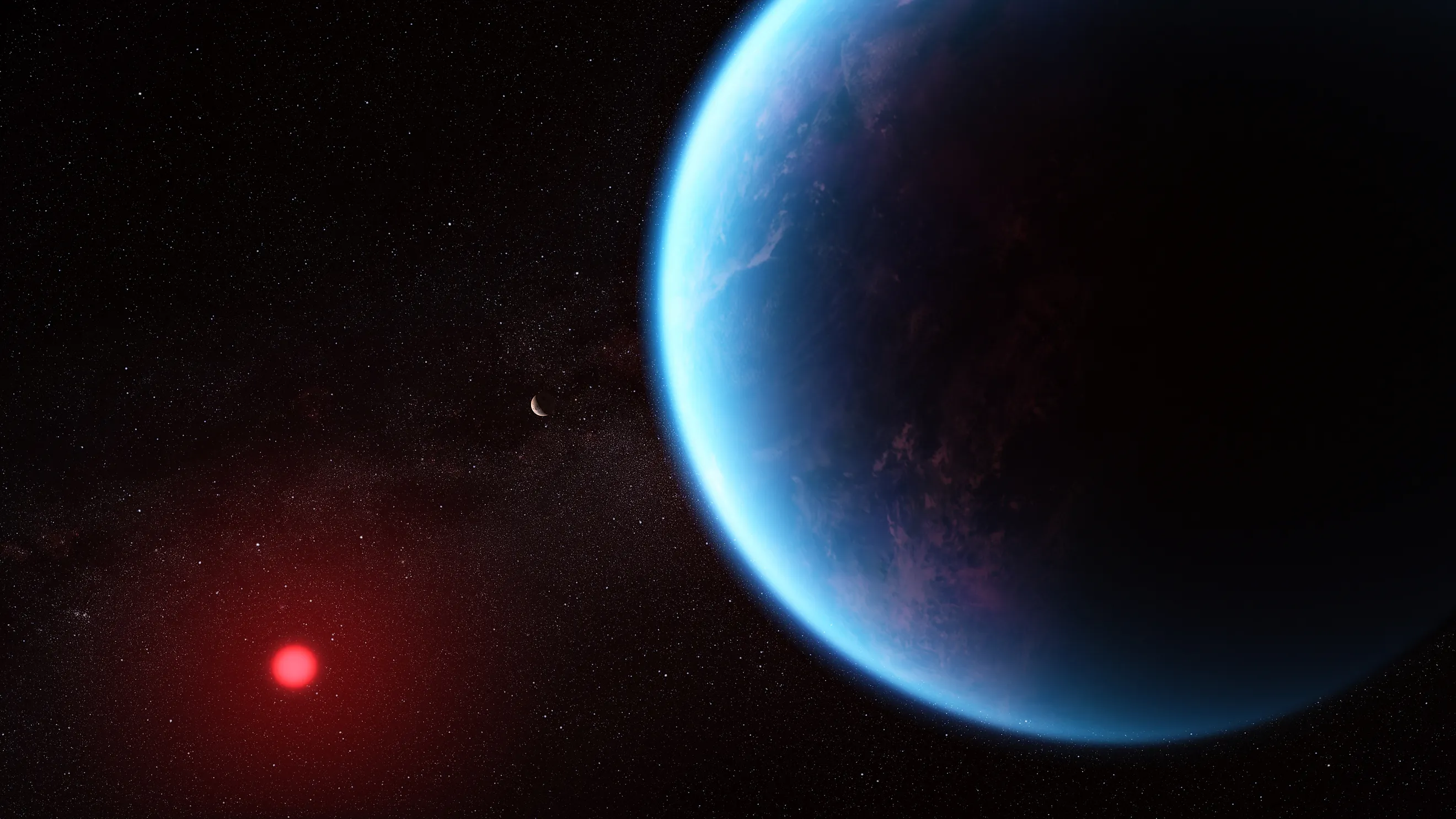
Water-Rich Atmosphere On Exoplanet Is Likely Methane
K2-18b is a planet that keeps changing shape in the headlines. It sits about 124 light-years away in the constellation Leo, and over six years it has been called a possible water world, a hydrogen-shrouded ocean planet, and, briefly, the most promising place yet to look for life beyond the Solar System. The atmospheric chemistry behind those claims has proven much harder to pin down than the early coverage suggested. The molecule first reported as water vapor may be largely methane, and the planet can be rich in water overall while showing almost none of it in the part of its atmosphere telescopes can actually read.
A Sub-Neptune In The Habitable Zone

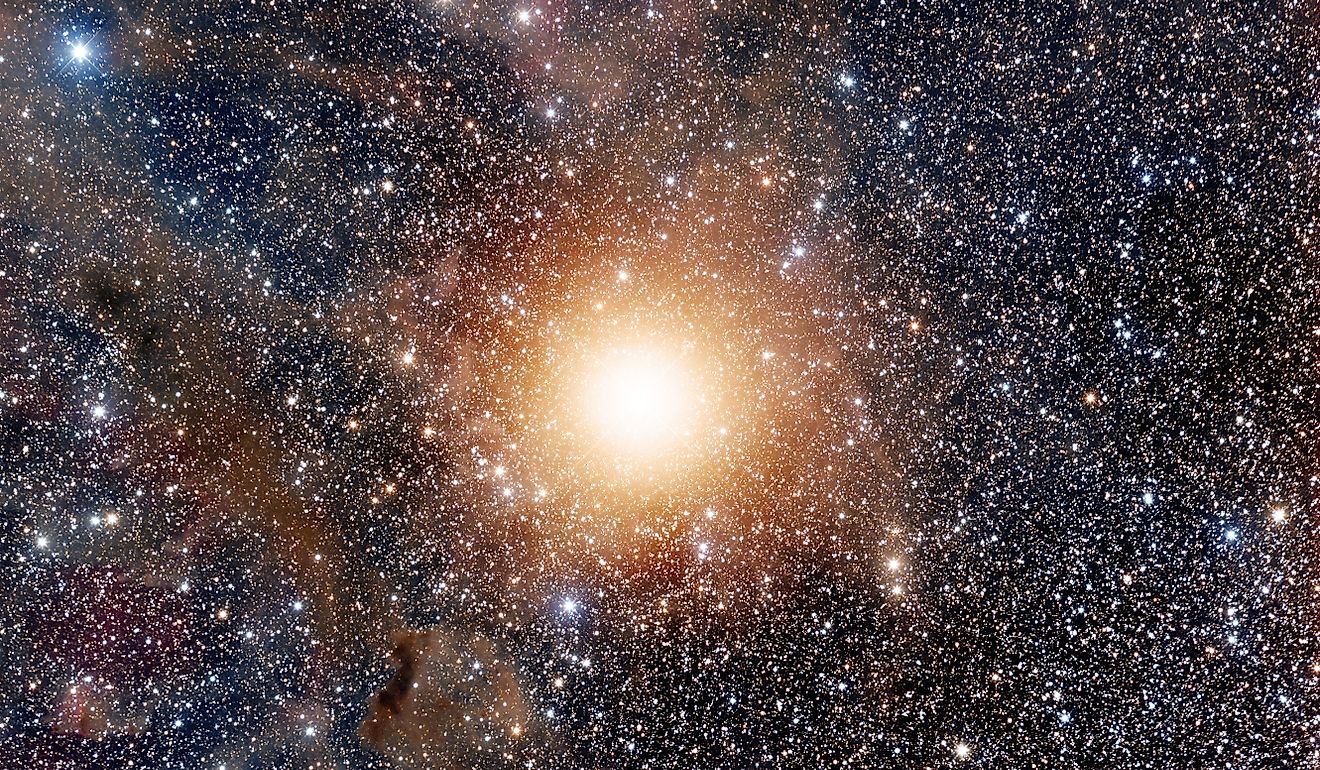
K2-18b is a sub-Neptune, larger than Earth but smaller than Neptune. Worlds in this size class are the most common type of planet in the galaxy, yet the Solar System contains none, which leaves astronomers with no nearby example to study up close. The planet carries roughly 8.6 times Earth's mass and about 2.6 times its radius, and it circles a cool red dwarf, K2-18, once every 33 days. NASA's Kepler spacecraft found it in 2015 during its extended K2 mission.
Despite that tight orbit, the star is dim enough that K2-18b sits inside the habitable zone, the band where a surface could in principle hold liquid water. The planet receives roughly the same amount of starlight that Earth gets from the Sun, which is the main reason it drew attention in the first place. Its atmosphere is rich in hydrogen, unlike Earth's, and its size and gravity are nothing like our own.
The 2019 Water Claim, And The Methane Doubt

The excitement began in 2019, when two teams analyzing the same Hubble Space Telescope data reported water vapor in K2-18b's atmosphere. One group at University College London, publishing in Nature Astronomy, put the odds of a fluke at roughly one in 3,000. It was the first water-vapor signal claimed for any planet in a habitable zone, and the planet was quickly described as a possible water world.
The reading was never airtight. The feature in question sits in a near-infrared band where water and methane absorb light at overlapping wavelengths, and Hubble's instrument could not cleanly separate the two. A 2020 reanalysis argued that methane, not water, could account for much of the signal. That disagreement set the template for everything that followed: a subtle dip in starlight, more than one molecule that could explain it, and no easy way to choose between them.
What Webb Actually Detected

The James Webb Space Telescope, far more sensitive in the infrared, took over the question in 2023. A team led by Nikku Madhusudhan at the University of Cambridge reported methane and carbon dioxide in the atmosphere, the first carbon-bearing molecules found on a habitable-zone exoplanet. What Webb did not find was much water vapor at the altitudes it probed, an awkward result for a world once sold on its water.
The carbon chemistry revived the idea that K2-18b is a "Hycean" world, a term Madhusudhan coined in 2021 for a planet with a hydrogen-rich atmosphere over a global ocean. A later independent reanalysis confirmed the methane at around four sigma, the standard astronomers use to measure statistical confidence, but found the carbon dioxide signal much weaker. Even Webb's data, in other words, leave room for argument.
A Water-Rich Planet Is Not A Water-Rich Atmosphere
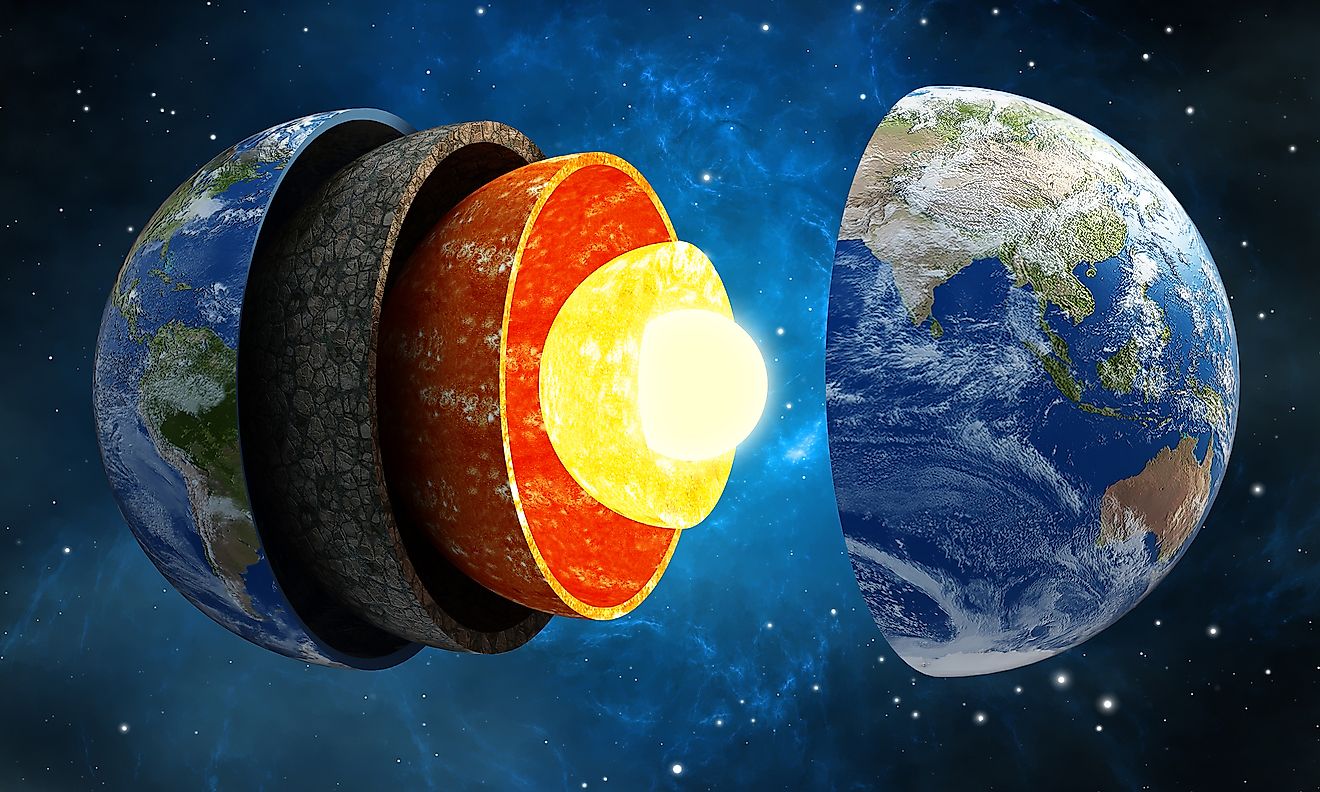
Part of the confusion comes from treating two different claims as one. A planet can hold enormous amounts of water in its interior, locked in deep high-pressure layers or pooled in an ocean beneath a thick atmosphere, without that water showing up as vapor in the upper air. Several models still allow K2-18b to be water-rich in bulk. The atmosphere Webb can see is a separate matter, and there methane dominates while water stays faint.
One explanation is a cold trap, a layer cold enough that water condenses and falls back down before it can rise to the altitudes starlight passes through. If that is what is happening, K2-18b could be drenched in water below and still turn a methane-heavy face toward our telescopes. Water-rich planet and water-rich atmosphere are simply not the same statement, and the evidence currently favors the first far more than the second.
The Biosignature Headlines
The loudest chapter came from a third molecule. In 2023 the Cambridge team noted a weak hint of dimethyl sulfide, or DMS, a gas that on Earth is produced almost entirely by marine microbes. In April 2025 they returned with Webb's mid-infrared instrument and reported DMS, and possibly a related compound called dimethyl disulfide, at about three sigma. Headlines around the world framed it as the strongest hint of life beyond the Solar System yet found.
The pushback was fast and broad. Independent teams, including groups at the University of Chicago and NASA, re-reduced the same data and could not reproduce a significant signal. They found the supposed biosignature feature could be explained just as well by ordinary molecules such as ethane or ethylene, or by instrument noise in the mid-infrared. Three sigma also falls well short of the five-sigma bar astronomers treat as a real detection, and DMS has since been identified in comets and interstellar gas, where nothing is alive. The Hycean ocean that would give such a signal meaning is contested as well, with some models arguing the planet runs too hot underneath to hold liquid water and may instead be a mini-Neptune or a world wrapped around molten rock.
Where Things Stand
The reliable parts of the picture are narrow. Methane is firmly in the atmosphere. Carbon dioxide is probably there. Clear evidence of abundant atmospheric water vapor is weaker than the 2019 headlines implied, and the biosignature claim has not held up to independent scrutiny. A water-rich interior remains plausible but unproven.
The open questions are no longer simply whether K2-18b has water. They are where the water sits, how much of it there is, and whether the planet is a true ocean world, a scaled-down Neptune, or something between the two.
A Reminder Of How Hard This Is
K2-18b is a case study in the limits of the method. Nobody can visit it. Everything known about its air comes from the slim fraction of starlight that filters through the atmosphere during a transit, split into a spectrum and matched against models. In that kind of data, a feature read as water can become methane, and a molecule hailed as a sign of life can turn into ethane or noise. The planet remains one of the most studied worlds beyond the Solar System. It is simply no longer the tidy water-covered and possibly inhabited place the first headlines described, but a harder problem in which methane is the clearest thing we can actually see.