Could a Planet Exist Without a Star?
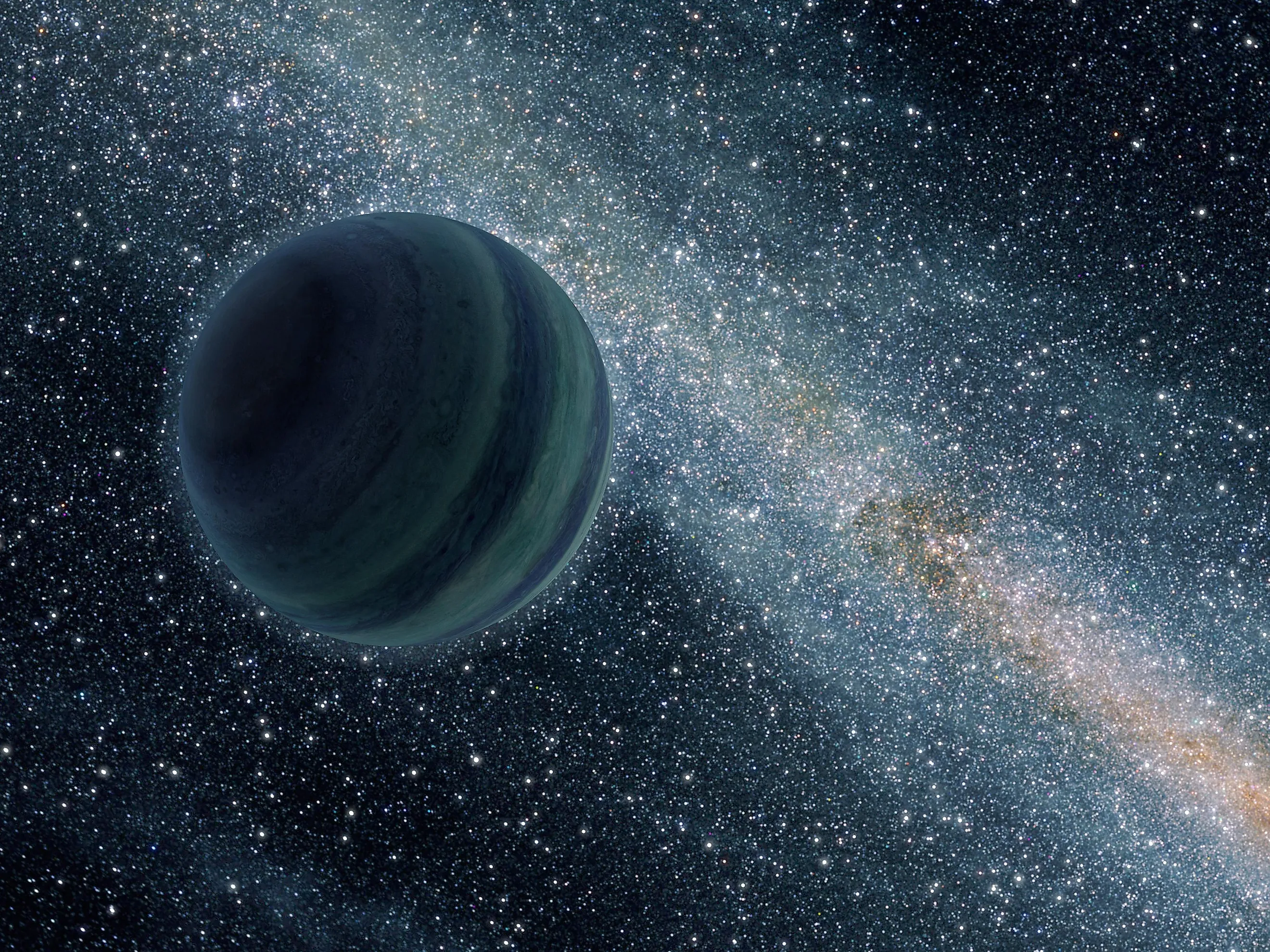
Just as humans can navigate through the darkest tunnels of existence, finding a path even when the light around us is obscured, so too can rogue planets exist without a star. These cosmic nomads instead drift alone through the dark, vast expanse of interstellar space, and astrophysical models actually suggest that free-floating, planetary-mass objects could outnumber stars in our galaxy by potentially trillions. Orphans of gravity, many of which were likely born in a stable solar system and subsequently ejected by gravitational interactions with other large bodies, can also exist without a parent star by forming directly from collapsing molecular clouds as brown dwarfs.
What Are Rogue Planets & How Do They Form?

Scientists identify two main, violent pathways for the genesis of rogue planets, or Free-Floating Planetary-Mass Objects (FFPMOs). Some began similar to the planets in our solar system, emerging from the gas and dust orbiting a young star. But when traffic on the cosmic highway gets a little too chaotic for cruise control, a gravitational tug-of-war with other entities can sometimes act like a slingshot, flinging an entire world out of its star's orbit and into an endless night at speeds of several kilometers per second. While the majority of rogue planet ejections occur early in a star system's history, during the volatile protoplanetary disk phase, ejections can also occur later.
Others are born alone, formed in a manner reflective of stars, as gravity can cause regions within clouds of gas and dust to collapse into a single, compact object. If it lacks the mass to ignite nuclear fusion as a star would, it remains a nomad from birth and is considered to be a brown dwarf, in a somewhat convoluted and debated differentiation. Even if two nomadic objects, rogue planets and brown dwarfs, are indistinguishable today, scientists often disagree on whether they should be categorized simply based on their current traits or their origins.
Characteristics of Rogue Planets

Without a star, rogue planets certainly experience extreme isolation and darkness, but that doesn't mean they're simply dead, frozen spheres. Now, while the surface of a rogue planet is devoid of seasons and our familiar daytime skies, if a planet retains a thick, hydrogen-rich atmosphere after being ejected, it could act as a crucial blanket.
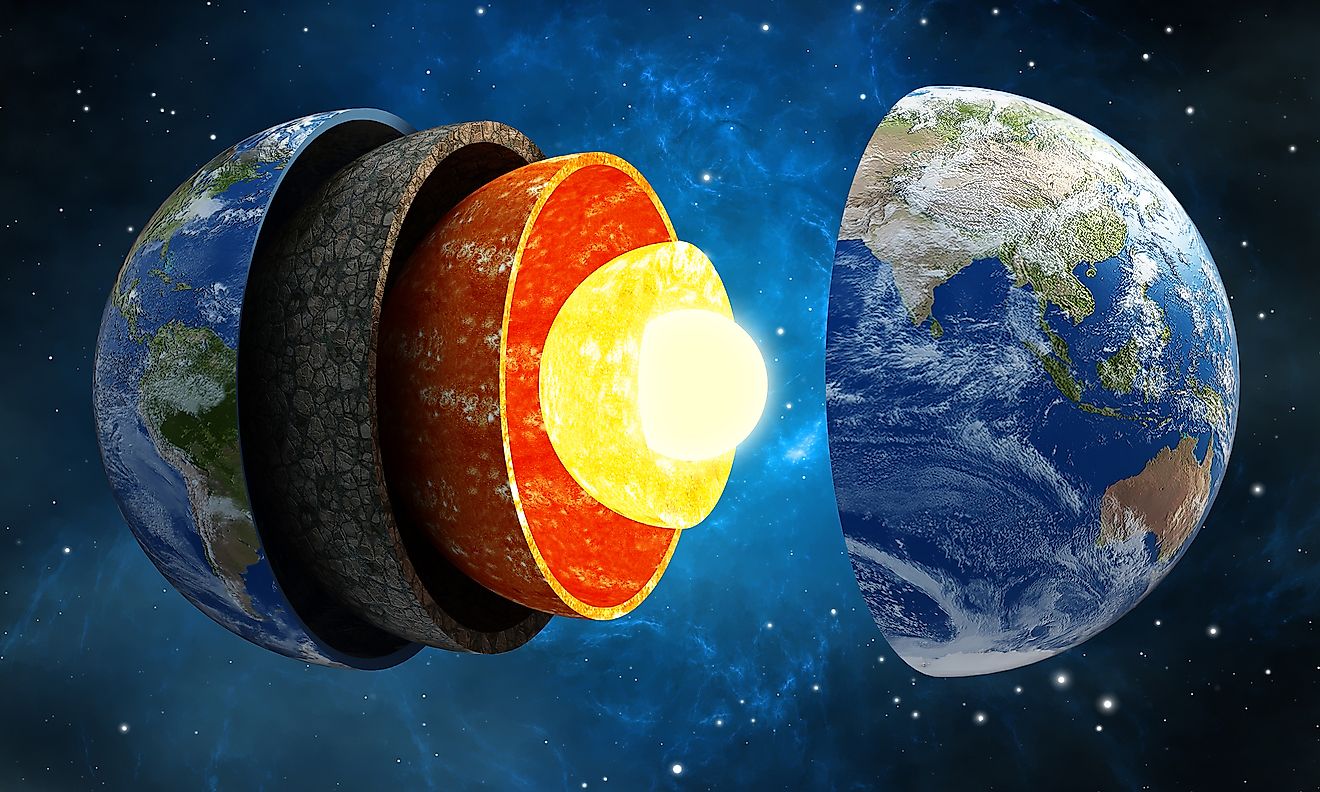
Through the radioactive decay of elements in their cores, internal energy can prevent heat from rapidly escaping into the freezing vacuum of space, and should a free-floating planet happen to have a large enough moon, it could also further heat the planet using tidal mechanisms similar to our own. The planet's core can act as a long-term nuclear battery that drives tectonic activity, volcanic outgassing and heat flux to the surface, and its state is determined by its energy budget, essentially the balance between the heat generated in its core and the rate at which that heat bleeds out into space.
Rogue planets are found in all shapes and sizes, including small, Earth-like rocks as well as gigantic gas worlds that are several times the mass of Jupiter. Unlike Earth, where weather is driven by solar input, on a rogue planet, the atmosphere is self-driven, meaning circulation or weather patterns are the result of currents moving heat from the warm interior toward the colder exterior, creating a localized weather system independent of outside influence.
Potential for Water and Life

Yes, rogue planets might also harbor surface-level liquid water through massive, insulating atmospheres. If a planet is ejected from its home system wrapped in a thick, heavy layer of gases, the high-pressure environment can theoretically replace the need for an insulating ice layer, allowing for the existence of liquid. The possibility of life existing on a rogue planet is uncertain, but hypothetical scenarios suggest certain conditions could potentially support life, though there is currently no evidence that it exists on rogue planets. Simply put, we aren't sure because these worlds are extremely difficult to detect and study with current technology.
How Do We See Them & What Do We Know?

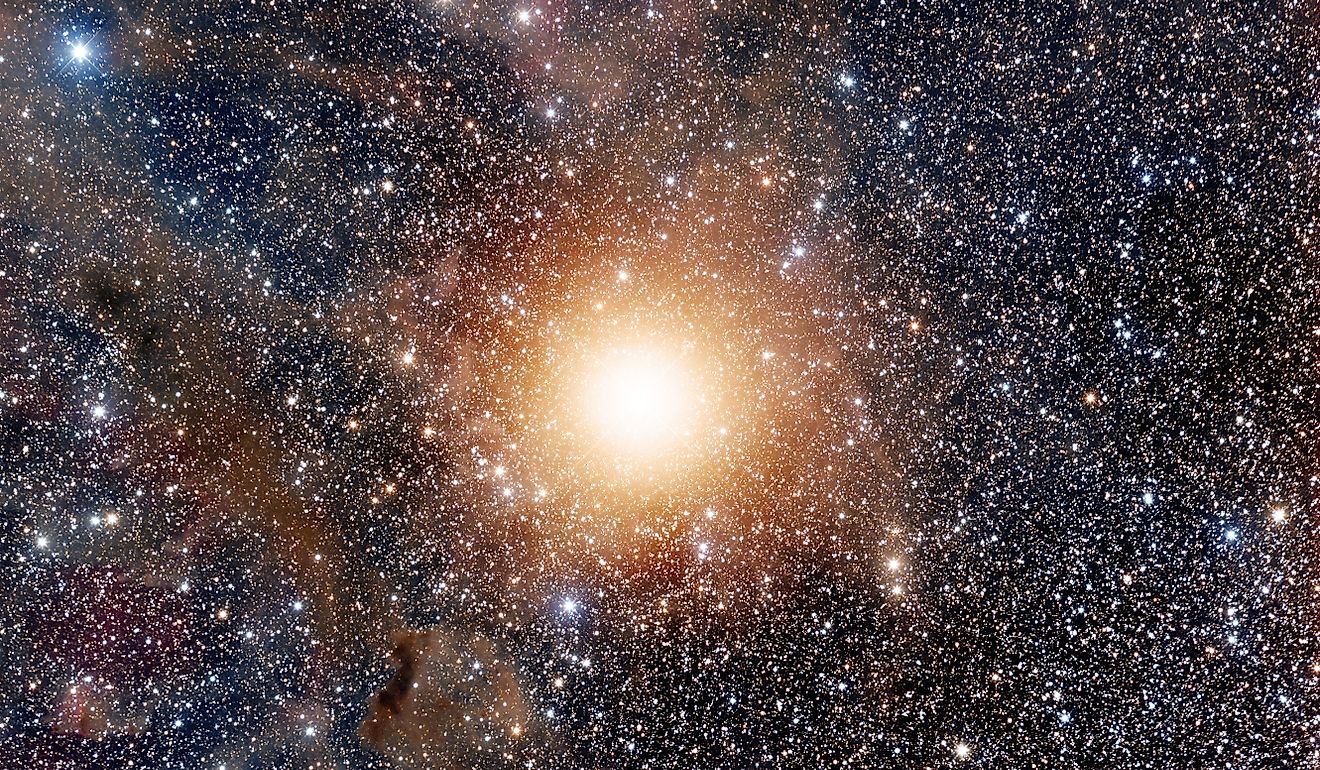
Scientists rely on Einstein's General Theory of Relativity, which dictates that mass warps spacetime. When a rogue planet drifts between Earth and a distant background star, its gravity acts like a natural magnifying glass, briefly intensifying the star's light. By monitoring for temporary spikes in brightness, researchers can identify planets as small as Earth from thousands of light-years away. New techniques and infrared surveys now allow us to detect the faint heat signatures of younger rogue planets directly.
It was the James Webb Space Telescope that identified several free-floating worlds in star-forming regions, proving some planets do form independently of stars. Furthermore, the European Southern Observatory's Very Large Telescope observed a rogue world actively accreting gas and dust, offering unprecedented insight into how these objects evolve after ejection, and statistical models now suggest that rogue planets are far more common than previously imagined.
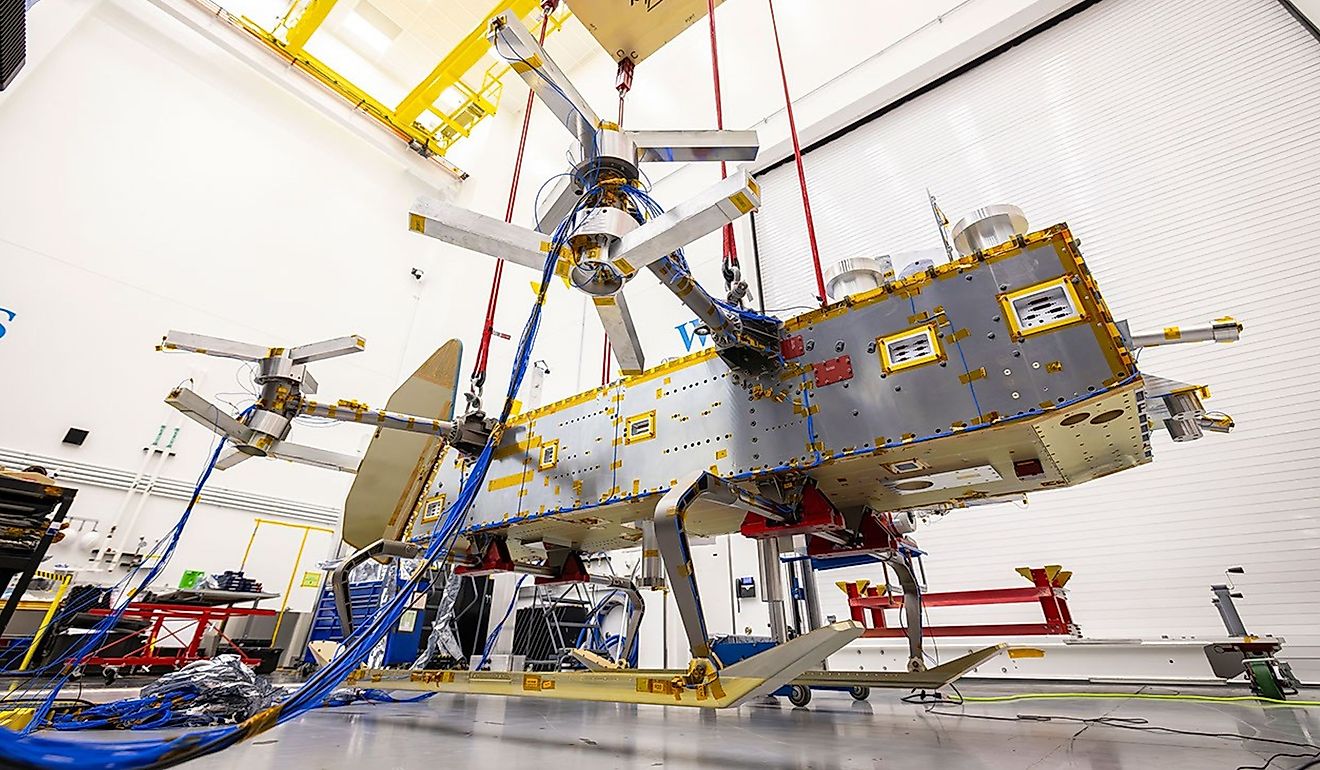
Estimates indicate there may be 20 nomadic worlds for every star in the Milky Way, possibly totaling trillions of rogue planets across the galaxy. Most are likely small, Earth-mass bodies, as lighter worlds are more easily destabilized and flung from their parent systems. NASA's new Nancy Grace Roman Space Telescope, expected to launch by 2027, is prepared to revolutionize the search for rogue planets, projected to provide the first comprehensive look at regions of the Milky Way that have remained largely unexplored.
Scientific Significance

Rogue planets are the galaxy's outlaws, left unbound and unpredictable, and for generations, we've been blind to the trillions of worlds drifting silently right under our noses. We've stared into the stage lights and completely missed the greater theater within the darkness. As our technology finally catches up to the shadows, we are also confronted with the notion that the habitable universe may be much larger, stranger, and more resilient than we previously believed or understood. More often than not, we continue to stumble over the fact that our understanding of galactic structure remains profoundly and overwhelmingly incomplete, defined more by our limitations than by the reality of the cosmos.