8 Most Rattlesnake Infested Areas In Utah
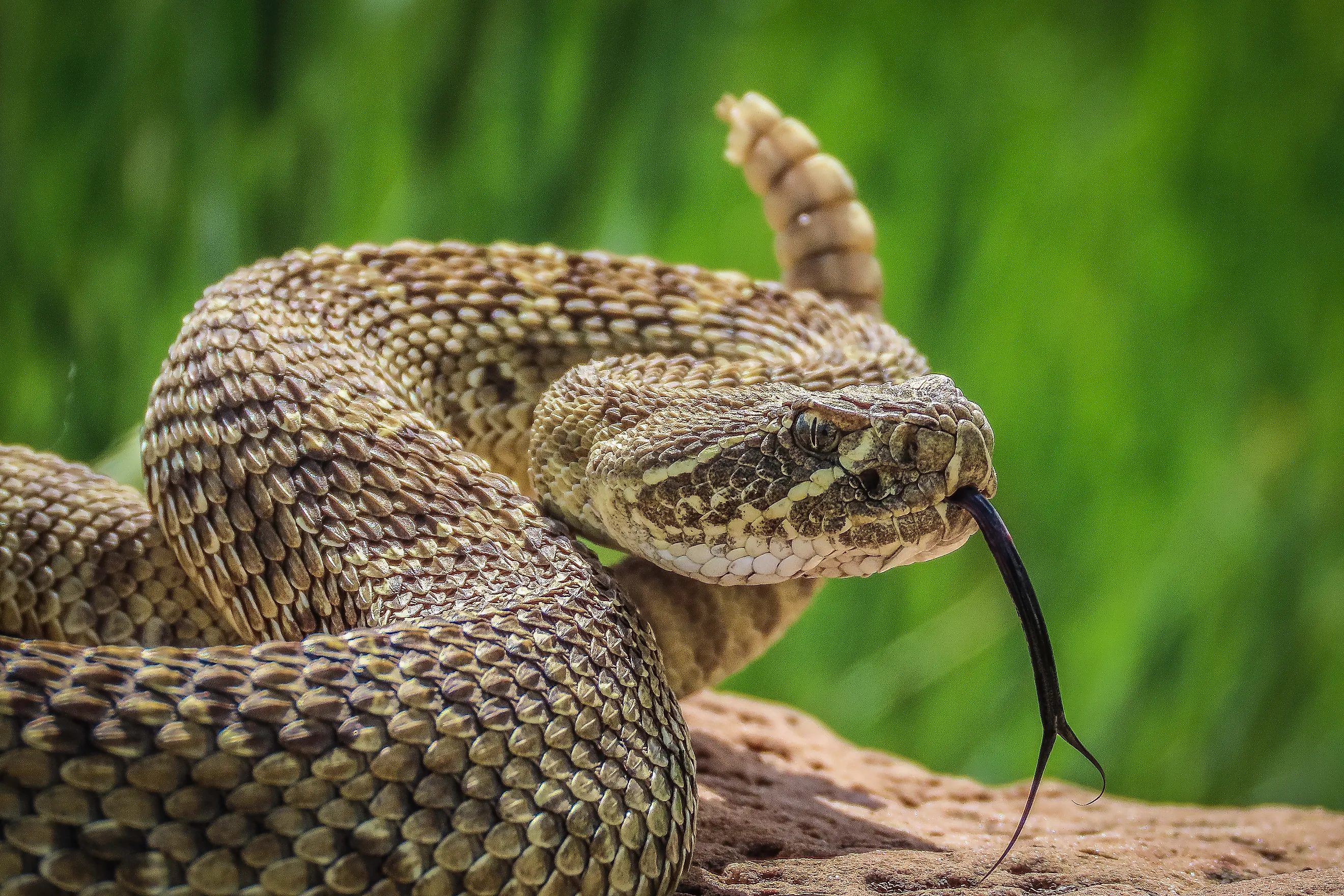
It’s hard to imagine a dramatic landscape better suited to rattlesnakes than the rugged, red-rock terrain of Utah. Classic rattlesnake habitat, the state is home to seven types, including the sidewinder, Mojave rattlesnake, speckled rattlesnake, Northern Pacific rattlesnake, Hopi rattlesnake, midget faded rattlesnake, and the most common, the Great Basin rattlesnake. These rattlers are most active from April to October, and your chances of spotting one basking near the Grand Staircase-Escalante National Monument or along trails in the majestic Zion National Park are greater during warm mornings and evenings.
In Utah, rattlesnakes are a protected species, meaning it is illegal to harass, harm, or kill a rattlesnake unless you are being actively threatened. So here are a few practical tips for being snake savvy in Utah’s wide-open spaces, including giving the venomous pit vipers plenty of room if you encounter them in any of the eight most rattlesnake-infested areas in Utah.
Zion National Park

Zion National Park is renowned for its dramatic canyons, sky-high cliffs, and world-class hiking trails, including the iconic 5.2-mile Angels Landing, the scenic 1.2-mile Canyon Overlook Trail, and the 16-mile strenuous hike through a narrow slot canyon along the Virgin River known as The Narrows. If waiting in lines and crowds isn’t part of your outdoor adventure, choose a lesser-visited area of the park, like Kolob Canyon. With over 20 miles of hiking trails, this unique part of the Zion Wilderness is ideal for outdoor enthusiasts seeking a tranquil experience. The 5.2-mile round-trip Taylor Creek Trail is an adventurous hike that takes you through a narrow box canyon to the striking sandstone formation known as the Double Arch Alcove.

While Zion is home to all kinds of snakes, the Great Basin rattlesnake is the only venomous snake in Zion National Park, according to the National Park Service (NPS). If you don’t hear the telltale rattle at the end of its tail, you can usually identify the viper by its triangular-shaped head. It is primarily found in dry, rocky areas. If you come across one hiking along the trails, back slowly away, and give the rattler some space to slither away.
Goblin Valley State Park

The colorful valley of Goblin Valley State Park is packed with goblin-shaped sandstone formations, giving the entire landscape an unmistakably otherworldly, Mars-like vibe. It is a top destination for outdoor adventurers who enjoy hiking, camping, mountain biking, and disc golf. For wildlife enthusiasts, the park provides a habitat for over 100 species, including the iconic jackrabbit, the pronghorn, coyotes, and rattlesnakes.

The valley’s open desert terrain, with its quirky rock shapes and sandy soil, is an ideal environment for rattlesnakes, especially the midget faded, which is a small rattlesnake with a faded color pattern that blends well with the park’s landscape. Like all pit vipers, it is venomous, known for having one of the most potent neurotoxic venoms among North American snakes. According to the park rangers, if you spot the rattler, use the 30/30 rule: give the snake 30 feet of distance and 30 seconds to move away.
Grand Staircase-Escalante National Monument

The nearly 1.9 million acres of public lands known as the Grand Staircase-Escalante National Monument would be the ideal location to film a movie about rattlesnakes, or watch a film at Ofland Escalante, an outdoor boutique hotel where you can safely watch a movie at the hotel’s drive-in from the front seat of a classic car. If boutique hotels aren’t in the budget, there are plenty of options for sleeping under the stars in the monument, including White House Campground, Deer Creek Campground, or Calf Creek Recreation Area.

While the stunning scenery is the star of the show in this remote part of Utah, the sandstone cliffs, riparian pockets along canyon streams, and scrubby desert are a haven for rattlesnakes. The monument website recommends watching where you walk and using a walking stick to check around crevices and under brush where rattlesnakes like to seek shade from the desert sun.
Canyonlands National Park

Covering 337,598 acres in the heart of the Colorado Plateau, Canyonlands National Park is the largest national park in Utah. The park is composed of three districts, Island in the Sky, The Needles, and The Maze, divided by the Green and Colorado rivers, with no easy way to access the districts by roads inside the park. There’s no shortage of activities in each district, including backpacking, canyoneering, and stargazing. An International Dark Sky Park, Canyonlands has some of the darkest skies in North America, so plan a visit during the “2026 Southeast Utah AstroFest,” held June 4-7, 2026, where you can join the park rangers for astronomy programs and telescope viewing with other celestial enthusiasts. This popular event fills up quickly, so be sure to book your site at the Island in the Sky (Willow Flat) Campground early.

Sharing the park with the stars, the midget faded rattlesnake, a subspecies of the Western rattlesnake, plays an important role in the park’s high desert ecosystem, helping to control the rodent and insect populations. In Canyonlands, the viper is found in burrows and rock crevices, and is especially active at night, so be sure to wear a headlamp when hiking after dark, stay alert, and watch where you place your hands and feet.
Red Cliffs Desert Reserve

The 60,000-acre Red Cliffs Desert Reserve is a unique area between the Mojave Desert, the Great Basin, and the Colorado Plateau, specifically created to protect the threatened Desert Tortoise and other rarely seen reptiles, such as Gila Monsters, chuckwallas, and Great Basin collared lizards. There are nearly 200 miles of shared-use trails for hiking, horseback riding, and mountain biking in the reserve, divided into two zones, Lowland and Upland. The sensitive Lowland Zone is home to the tortoise habitat, so recreation is limited, but venturing off-trail in the Upland Zone is allowed.

The reserve is home to both the Great Basin and Mojave Desert Sidewinder rattlesnakes. In the reserve, sidewinders are more pinkish than in other parts of the Mojave Desert, with a dark stripe behind their eyes and brown splotches along their 1 to 2-foot-long bodies. Sidewinders are named for the way they pick up their bodies and swing sideways to travel across the sandy desert floor.
Capitol Reef National Park

If you’re looking for an alternative to some of Utah’s busier national parks, then the geological gem known as Capitol Reef National Park is the ideal destination. Stretching nearly 100 miles north to south, the park offers fantastic road tours. The 7.9-mile Scenic Drive is the main paved drive that winds past cliffs and domes, with overlooks along the way. The 57.6-mile Cathedral Valley Driving Loop Tour offers awe-inspiring views of sculpted monoliths like the Temples of the Sun, Moon, and Stars and Glass Mountain. The 124-mile Loop-The-Fold Driving Tour is the perfect drive for geology enthusiasts, offering great views of sandstones.

The park’s Wildlife Checklist includes both the midget faded rattlesnakes and prairie rattlesnakes, though reports of the presence of prairie rattlers are unconfirmed. Midget faded rattlesnakes are very common in the park. Typically tan or cream in color, with oval blotches along its body, it usually grows to less than 24 inches, but its highly toxic venomous bite packs a punch.
Snow Canyon State Park

With more than 38 miles of hiking trails, a three-mile paved cycling path, and over 15 miles of equestrian trails, Snow Canyon State Park near St. George in southwestern Utah, is ideal for adventurers who want to get physical, surrounded by ancient lava fields, towering red sandstone cliffs, and desert washes. The park is part of the 62,000-acre Red Cliffs Desert Reserve and features a year-round campground. For cyclists, the 6-mile out-and-back Whiptail Trail is an easy introduction to the park, perfect for families to enjoy together or solo scenic rides.

For a more challenging ride, the moderate 5.4-mile Paradise Canyon Trail is considered one of the best overall trails in the park, thanks to its scenic views of the canyon and interesting rock formations and caves along the route. Great Basin and faded midget rattlesnakes have been spotted in the park and are particularly active in the spring as they emerge from hibernation.
Natural Bridges National Monument

Start your visit to Utah’s first national monument, founded in 1908 by President Theodore Roosevelt, the Natural Bridges National Monument at the Natural Bridges Visitor Center, where you can learn more about the star attractions of the park, its three protected natural bridges: Sipapu, Kachina, and Owachomo. Explore the exhibits, shop in the bookstore, and fill up your water bottles, as water resources in the park are limited. Back in the car, enjoy the one-way, 9-mile Bridge View Drive that cuts through the Utah desert, where you can stop at overlooks for each bridge along the way. Consider a pitstop at Owachomo, thought to be the oldest of the three, and take the half-mile round-trip hike to the bridge for photographs.

Midget faded rattlesnakes are the only venomous snake species found at the Monument, and while the rattlers are occasionally relocated when they become a nuisance, park staff reminds hikers to be snake-aware on trails and overlooks, watch where you place your hands, and don’t flip over rocks.
Watch Your Step in Utah’s Rattlesnake Hotspots
Few landscapes in the world can match the natural beauty of Utah’s rugged deserts, canyonlands, and red-rock parks, whose popular destinations provide opportunities galore for outdoor exploration and discovery at Goblin Valley State Park, Canyonlands National Park, and Red Cliffs Desert Reserve. Sharing the great outdoors with the millions of annual visitors to Utah’s landmarks, national monuments, and state parks are the state’s protected rattlesnakes, which include the Great Encounters with rattlesnakes are uncommon, but if you’re lucky enough to see them basking on warm trails or sheltering in rocky crevices, remember to stay alert, watch where you step or place your hands, and always give rattlesnakes plenty of space to move away safely.


.jpg)