6 Most Rattlesnake Infested Areas in The Southern United States
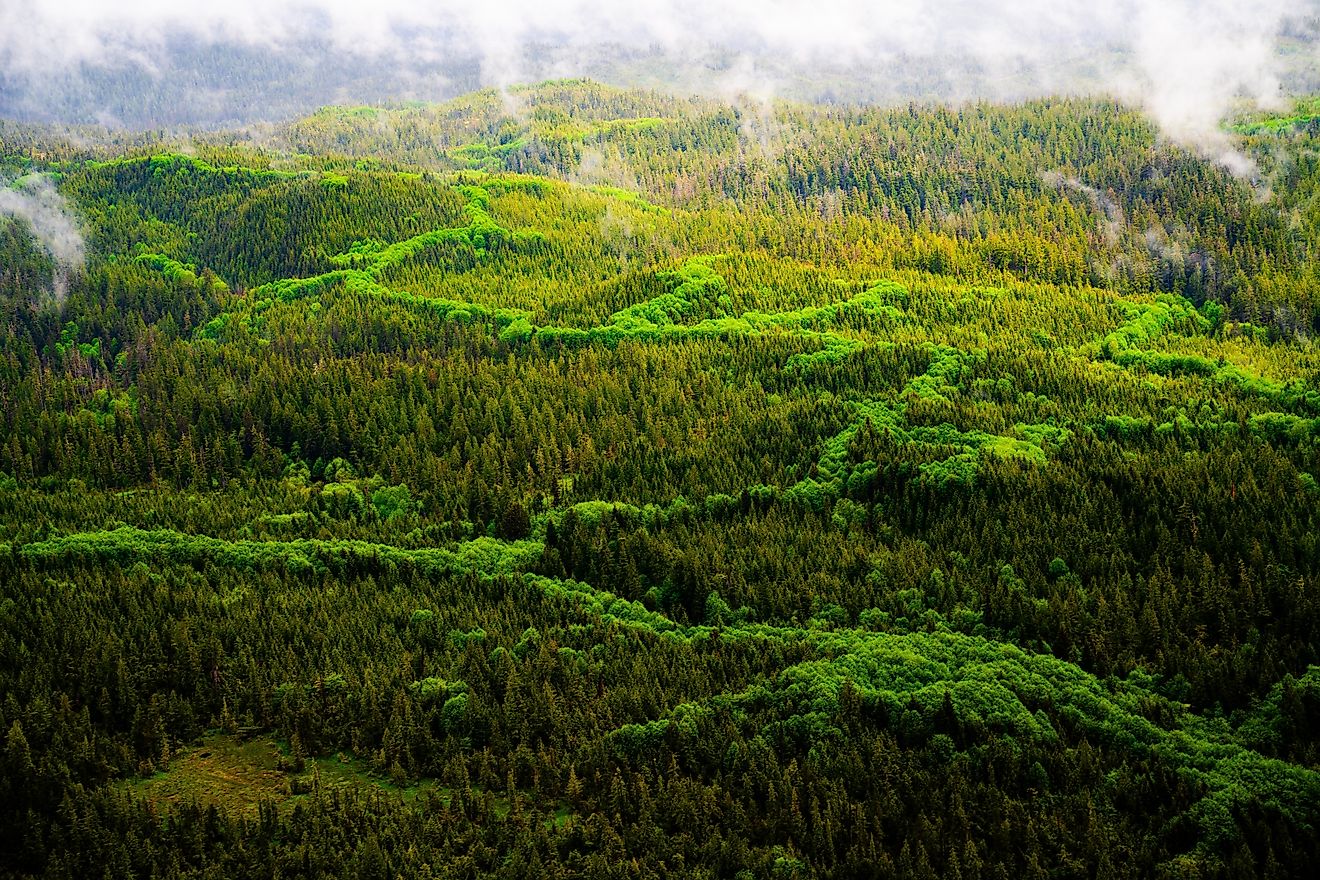
The southern United States is home to most of the country's native snake species. In warm climates with abundant prey, rattlesnakes are especially widespread. From the pine woodlands of Ocala National Forest and the scrub of the South Texas Plains to the swamps and river basins of Georgia and the Everglades, landscapes across the South support habitat for diamondbacks, timber rattlesnakes (also called canebrakes), and pygmy rattlesnakes. The six regions below host active populations.
Texas Brush Country, Texas

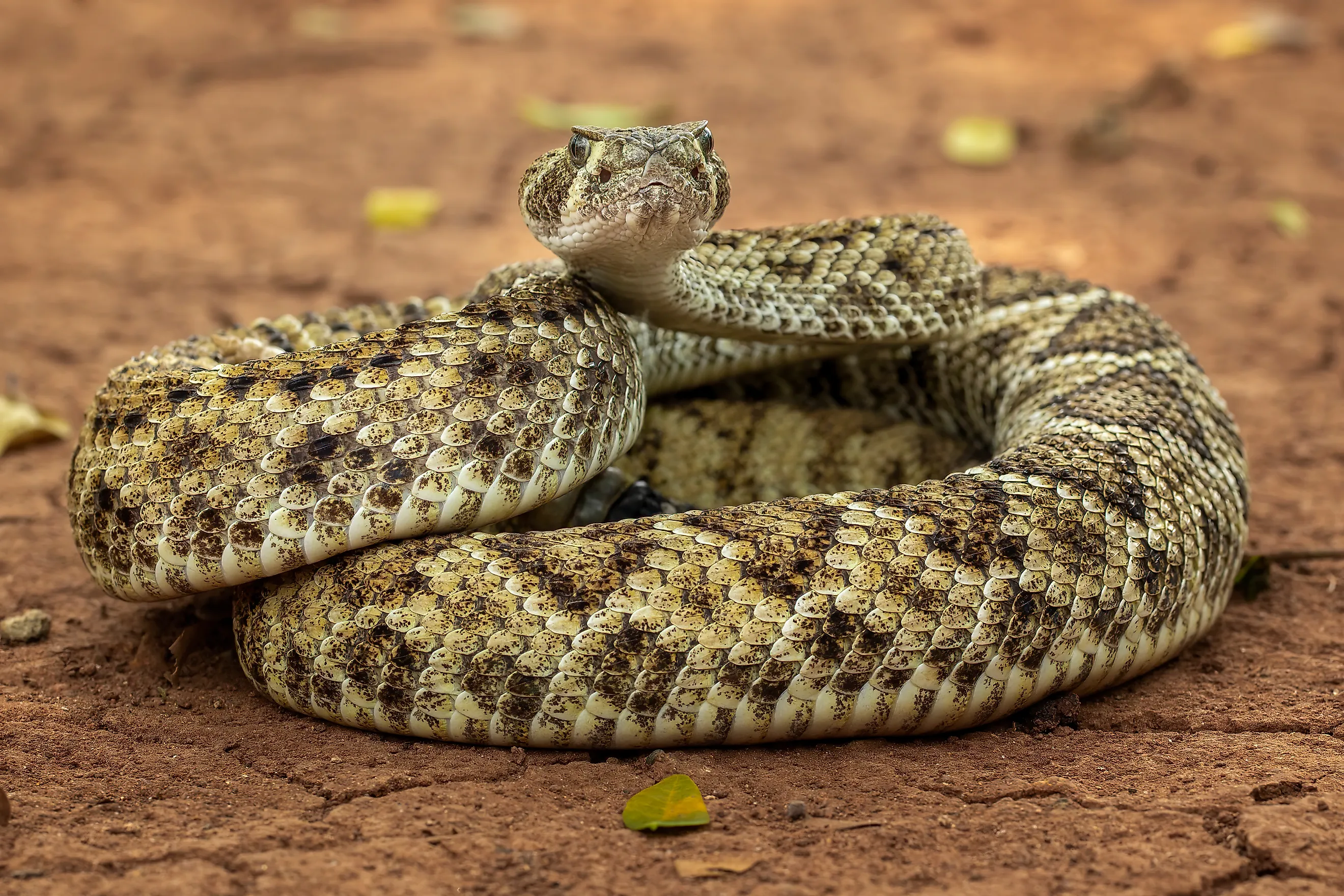
The South Texas Brush Country, also known as the South Texas Plains, provides suitable habitat for rattlesnakes because of its dense thornscrub and year-round warmth. The region is dominated by the western diamondback rattlesnake, a heavy-bodied species recognized for its gray-brown coloration, dark diamond-shaped dorsal pattern, and bold black-and-white tail bands. Western diamondbacks typically shelter in rodent burrows or shaded cover and may become more active at dusk and overnight during hotter months.

The mix of mesquite flats, dry washes, and ranchland supplies hunting ground where rodents and rabbits are common prey. Snakes may be encountered along lightly traveled dirt roads and fence lines where they bask or cross at night. Limited winter dormancy compared with northern ranges allows activity across much of the year.
Ocala National Forest, Florida

Ocala National Forest in central Florida supports populations of the eastern diamondback rattlesnake, a large species marked by dark diamond-shaped blotches outlined in cream and a thick, segmented rattle. Despite its size, the eastern diamondback generally avoids confrontation when left undisturbed in natural cover.

Pine flatwoods, sandy ridges, and palmetto understory in Ocala provide cover for the species, which hunts rabbits, rodents, and ground-nesting birds. Movement often increases during warm, humid evenings and after rain. Snakes may be encountered along roads cutting through longleaf pine habitat and utility corridors, particularly in late spring and summer. Dusky pygmy rattlesnakes are also common in this national forest. They occupy similar habitats but are much smaller, and are identified by their intricate patterning, often including a reddish or orange stripe along the back.
Atchafalaya Basin, Louisiana

In the sub-tropical lowlands of southern Louisiana, the Atchafalaya Basin's mix of swamps and mixed pine-hardwood forests supports extended seasonal rattlesnake activity. The landscape is dominated by levees, cypress stands, and slow-moving backwaters, which concentrate wildlife into narrow corridors of usable dry ground. Tree falls and raised root systems provide basking and ambush points along the forest lines.

Timber rattlesnakes, sometimes called canebrakes, occur in southern Louisiana, particularly in better-drained bottomland forests and along natural levees, though they are less commonly associated with the deeper, permanently flooded portions of the basin. Sightings are often brief because of dense vegetation. Pygmy rattlesnakes are also present in the region, more frequently in adjacent pine and mixed-forest habitats than in the wettest swamp interiors.
Human activity in the basin is concentrated on elevated roads and spillways, where snakes may also be encountered. Seasonal flooding shifts both prey and predators into tighter areas, and crossings may occur for boaters, anglers, and anyone walking the water's edge.
Okefenokee Swamp, Georgia

In southeastern Georgia, the peatlands and flooded forests of the Okefenokee Swamp combine blackwater channels, cypress domes, and floating mats of vegetation that shift with seasonal water levels. A series of dry islands and sandy ridges, known locally as "hammocks," function as refuge zones for reptiles and other wildlife when the surrounding wetlands rise.

Eastern diamondbacks and dusky pygmy rattlesnakes occur in the Okefenokee and can be encountered along raised boardwalks, firebreaks, and the narrow causeways cutting through the swamp. These linear features concentrate movement in an otherwise inaccessible landscape. Canebrakes are also present in the less saturated sections. Typical of the Deep South, near-constant warm and humid conditions keep activity relatively steady for much of the year, with peaks following rain events when prey becomes more active near standing water.
Everglades National Park, Florida

Deep in southern Florida, the sawgrass marshes and tree islands of Everglades National Park form rattlesnake habitat across shallow sheet-flow wetlands and isolated elevated ground, also shared with American alligators.

The eastern diamondback rattlesnake is present in the higher, drier pinelands and hammocks, while the smaller dusky pygmy rattlesnake occurs more commonly in wet prairies and within cypress strands. Snakes may be encountered along the Tamiami Trail and other park service routes, where heat-retaining asphalt and drainage berms offer warmth. Dense sawgrass limits visibility, so most observations occur when animals cross open stretches or are displaced by changes in water levels.
Big Thicket National Preserve, Texas

The watery longleaf pine ecosystems of eastern Texas, particularly within Big Thicket National Preserve, support high numbers of timber rattlesnakes. The species is recognized for its variable coloration, ranging from yellowish tones to dark charcoal, with bold chevron banding along the back. They often carry a dark stripe along the tail before the rattle, which functions as a warning signal when they raise the rattle.

The species relies heavily on forested cover, creek bottoms, and fallen logs, and is strongly tied to mature woodlands across the eastern half of the country. In humid southern conditions like the Big Thicket, individuals move periodically between upland ridges and low-lying swamp margins as prey shifts, often crossing boat landings and boardwalk trails. With the preserve's extensive trail system, visibility is limited in thick undergrowth.
Southern Habitat and Safe Footing
Rattlesnakes occur across the South because the region provides cover, heat, and abundant prey. The six landscapes above concentrate movement into parklands, roadways, and narrow strips of usable ground. Visitors are advised to watch their footing, stay on established trails, and give space to any rattlesnake they encounter.