5 Tick Infested Areas In Missouri
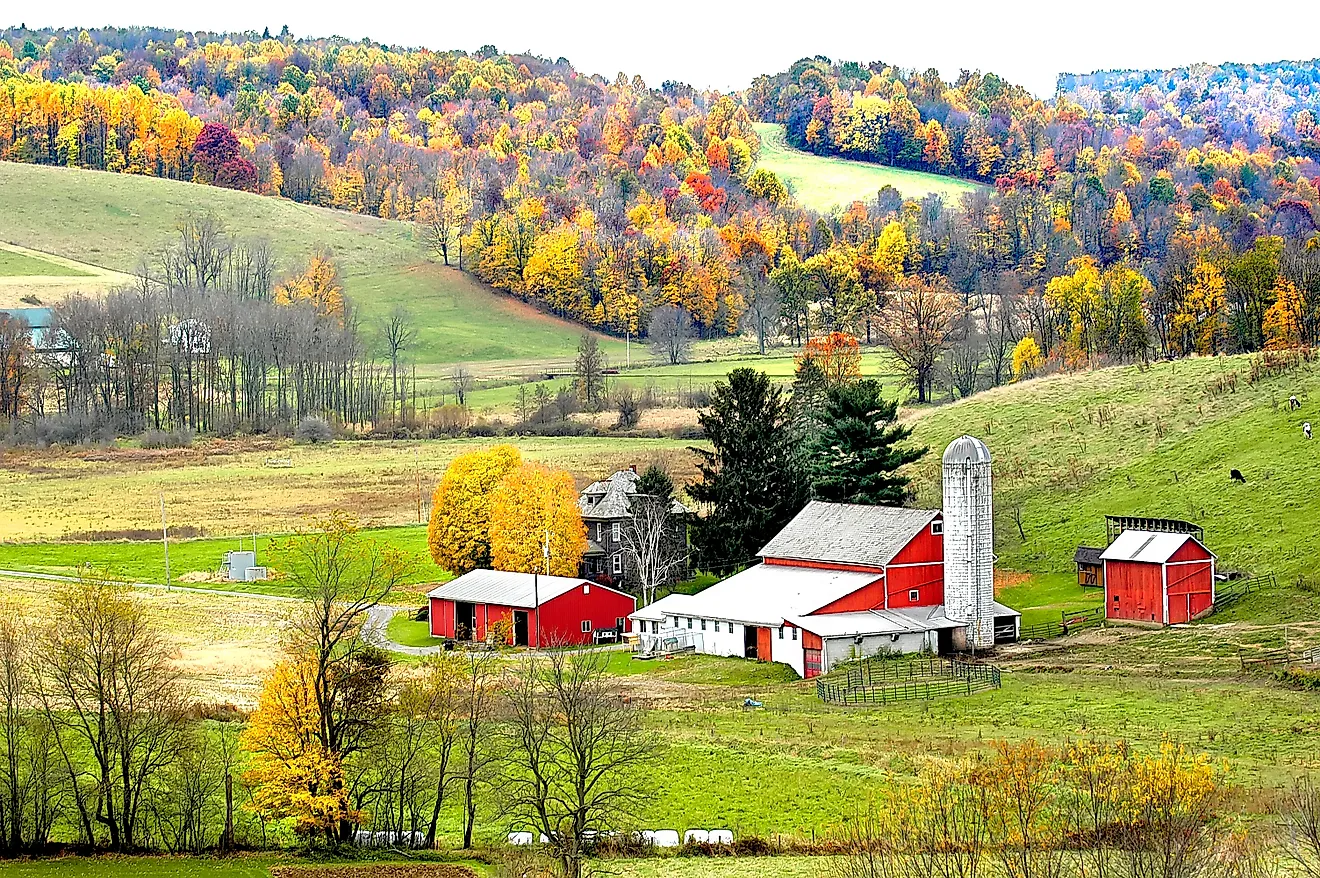
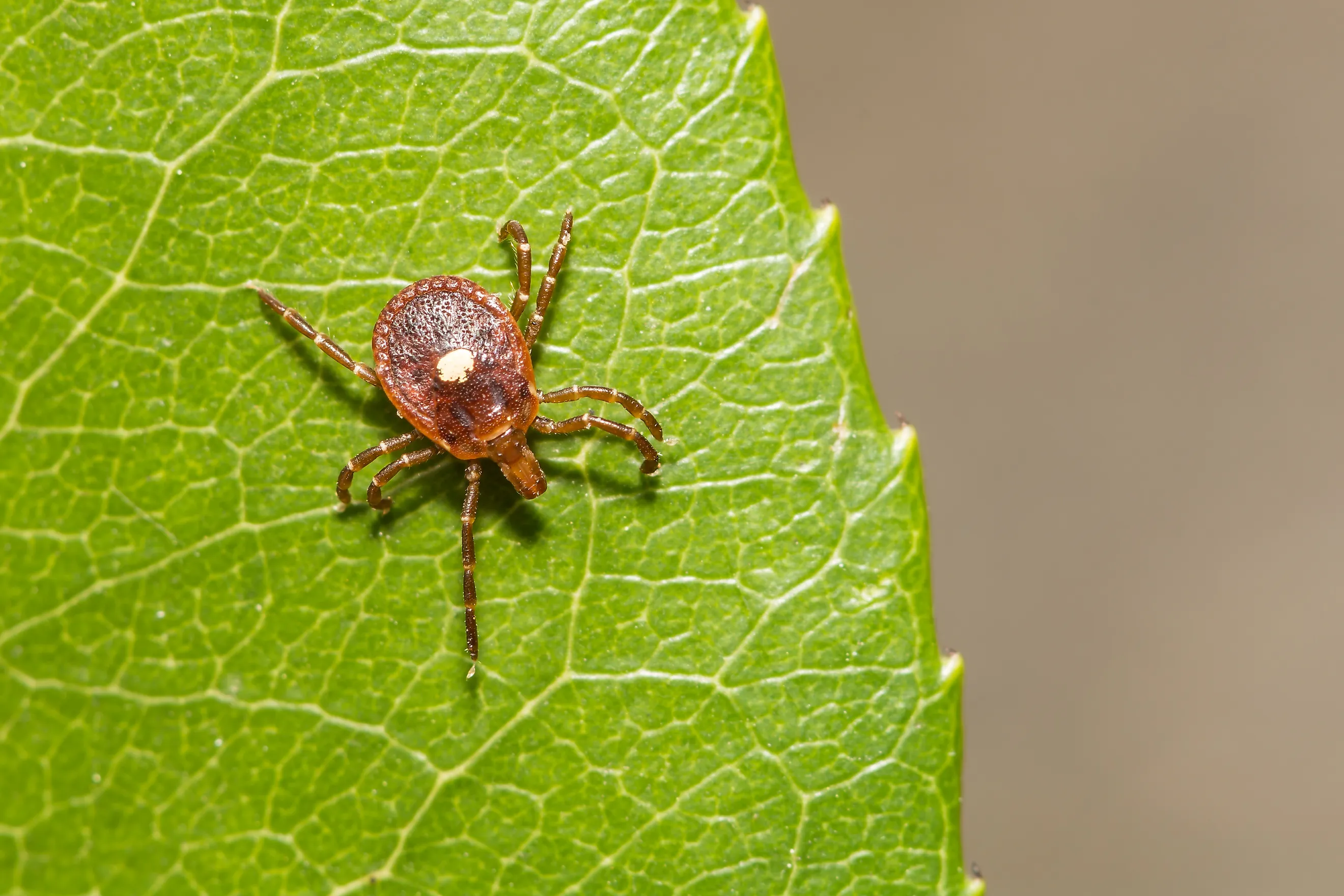
Missouri's mix of humid forests, river valleys, open prairie, and sprawling conservation land makes it prime tick country. Three species cause nearly every bite here: the lone star tick, the American dog tick, and the blacklegged tick, better known as the deer tick. Spots like the Mark Twain National Forest and the Peck Ranch Conservation Area hold onto large populations year after year, thanks to abundant wildlife and miles of protected habitat.
The Lake of the Ozarks and Current River bring a different kind of risk. Both draw heavy traffic to wooded shorelines and wet floodplain terrain, exactly the kind of ground where ticks and people cross paths. Even out in western Missouri's open grassland, places like Prairie State Park offer ticks the same cover they seek.
Here's a closer look at each of these spots: which ticks to watch for, the illnesses they can carry in Missouri, and when activity tends to peak.
Mark Twain National Forest

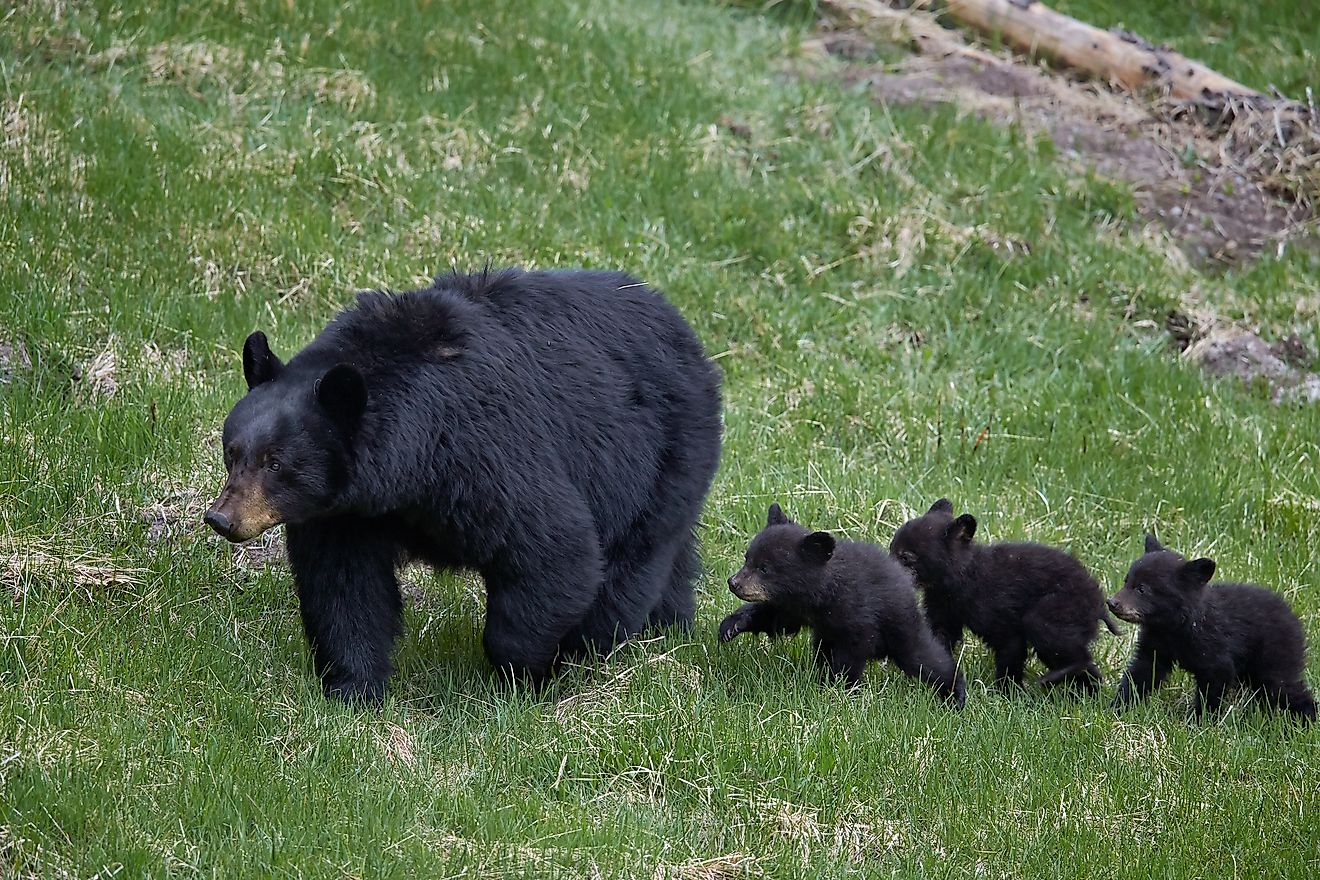
Covering about 1.5 million acres across southern and central Missouri, the Mark Twain National Forest holds the kind of habitat a wide range of wildlife depends on, ticks included. Its extensive amounts of hardwood forests, understory vegetation, rocky glades, and abundant animals, big and small, create an ideal habitat for several species, including lone star ticks, American dog ticks, and blacklegged ticks (also called "deer ticks"). White-tailed deer, raccoons, wild turkeys, and other wildlife act as hosts, sustaining large tick populations throughout the forest.

Tick activity in Mark Twain typically increases here from spring through early fall, though some species remain active during mild winter periods in this portion of the country. As a result, popular recreation areas such as hiking trails, campgrounds, hunting lands, and backcountry routes often place visitors directly in this national forest's prime tick habitat during these times.
Researchers and public health agencies routinely identify southern Missouri as a region with elevated exposure risk for tick-borne illnesses, including ehrlichiosis, Rocky Mountain spotted fever, and Lyme or Lyme-like disease. This forest's vast size means tick encounters are possible across a wide range of landscapes.
Lake of the Ozarks

The Lake of the Ozarks region features heavily wooded shorelines, brush-filled coves, adjacent grasslands, and thousands of acres of surrounding undeveloped terrain that support substantial tick populations. While many visitors associate the area with boating and waterfront recreation, the wooded and brushy ground around the lake supports lone star and American dog ticks, with blacklegged ticks present in smaller numbers.

Deer move through forests and residential green spaces around the lake, helping ticks spread near where people gather. Hiking, shore fishing, camping, and exploring the state parks and conservation areas around the reservoir all increase the odds of exposure. Tick encounters at the Lake of the Ozarks are most likely where trails pass through tall grass, dense shrubs, or woodland edges.
The area's warm, humid summers and long growing season keep ticks active for much of the year, so caution matters well beyond the peak summer months.
Peck Ranch Conservation Area

Peck Ranch Conservation Area, in Carter and Shannon counties near Winona, covers roughly 29,800 acres of rugged hills, oak-pine forests, and open glades in the Ozarks. These varied environments, in turn, support healthy populations of lone star ticks, which are widely regarded as the most common human-biting tick in Missouri. This species is also of special concern because its bite can trigger alpha-gal syndrome, a potentially serious allergy to red meat and other mammal-derived products.
The area's reintroduced elk herd shares the land with white-tailed deer, wild turkeys, and other small mammals, providing ticks with plenty of hosts at every stage of their life cycle. Hunters and wildlife watchers who head into the property's more remote sections are most likely to encounter them.
Tick numbers tend to climb where sunlight reaches the ground and fuels thick grasses and low vegetation, especially in open fields and meadows. Peck Ranch covers tens of thousands of acres of largely undeveloped land, though, so ticks turn up just as often in dense stands of trees or near seasonal creeks.
Current River

Running about 184 miles (296 km) from its headwaters near Montauk, Missouri, southeast to the Black River near Pocahontas, Arkansas, the Current River draws thousands of paddlers, anglers, campers, and hikers each year. Beyond the water itself, the river corridor runs through forests, gravel bars, floodplain woodlands, and brushy banks that also hold significant tick populations. Lone star ticks are especially common throughout the region, though American dog ticks and blacklegged ticks are also present.
Many visitors spend time moving between the river and adjacent trails, creating frequent opportunities to come into contact with ticks waiting on low-lying vegetation. Wildlife is abundant along the Current River as well, with deer, squirrels, raccoons, and other mammals helping sustain local tick populations.
The combination of moisture, shade, and dense vegetation creates conditions that allow ticks to thrive across much of the river valley, especially from spring through early autumn. Campgrounds, river access points, and lightly maintained footpaths along the Ozark National Scenic Riverways can bring visitors into wooded, brushy, or grassy tick habitat, so take extra care.
Prairie State Park

As the hilly woodlands of the Ozarks give way to the Osage Plains of southwestern Missouri, Prairie State Park, in Barton County, offers a very different setting from the state's forested tick habitat. Even so, the park's open tallgrass prairie provides the vegetation cover ticks rely on, which keeps encounters likely here too.
It protects a large expanse of native tallgrass prairie, where waist-high grasses give ticks plenty of cover to wait for a passing animal or person to latch onto. Lone star ticks are the most commonly reported species statewide, and the park's bison herd and other wildlife provide them with ample hosts.
Walking through the area in the warmer months can put you in direct contact with ticks that are hard to spot before they attach, since the grassland gives them cover throughout. Wherever possible, stay on cleared, designated trails and avoid brushing against tall vegetation.
Know Where Ticks Live in Missouri Before Heading Outdoors
Ticks turn up across a wide range of Missouri landscapes, including the Ozark forests in the south and the remaining tallgrass prairies in the west. Areas with abundant wildlife, plentiful foliage, and heavy outdoor recreation tend to present the greatest exposure risk. Knowing where ticks are most likely to be active helps anyone spending time outdoors here, whether hiking, camping, fishing, or hunting, take sensible precautions: check for ticks after you have been out, wear repellent, and keep to cleared trails where you can.