5 Best Natural Wonders To Visit In Indiana This Year
Between coastal dunes in the north and southern forests and wetlands around the Ohio River Valley, Indiana boasts over 30 national natural landmarks, such as Marengo Cave, featuring millions of sparkling mineral deposits and a trail bed of an underground stream. Indiana's deepest natural lake is a glacial wonder in the north part of the state. From the staggering sand ridges with scenic Lake Michigan views to the state's largest waterfall complex, you'll land in a perfect spot to recharge and revel in some of the Midwest's best. Each time-tested marvel, formed over millennia, is awe-inspiring — starting with a lighthearted escape west of the capital to one of the state's prettiest places.
Cataract Falls

Less than an hour west of Indianapolis, Cataract Falls can be an inspirational outing to escape the heated city steel in the summer, revel in the changing of the leaves, or photograph the dramatic, frozen splendor in winter and walk on the creek as the water continues to flow below. Comprising two distinct waterfalls on Mill Creek spaced about a mile apart, the 45-foot Upper Falls, which consists of several drops, and the Lower Falls' 30-foot drop comprise the state's largest waterfall complex by volume.
Tucked between US Highway 231 and Indiana State Road 42, both Upper and Lower Falls are easy to access within Lieber State Recreation Area. It's a peaceful place on weekdays to stretch your legs and take some photos in a picturesque frame, including the nearby red covered bridge. After exploring the area, each cascade offers unique charm to relax and reflect on amidst their calming sounds. The falls formed when the ancient lake sediments buried two pre-glacial bedrock ridges during the Illinoisan glacial period.
Clifty Falls State Park

Marked by its fossil-rich cliffs, waterfalls, and some 15 miles of moderate-to-very rugged hiking trails, this gorge-lined park is a trove of wonder. Formed over millennia of geological activity, its dramatic canyon walls date back to the Pleistocene Epoch, when the glacial meltwater carved the ancient limestone and shale deposits from the sea. Following the Ohio River development, the Big and Little Clifty creeks cut a deep, plunging canyon, forming the falls and rocky gorges.
Established in 1920 on roughly 1,400 acres, the four distinct waterfalls, Big Clifty, Little Clifty, Tunnel, and Hoffman falls, inspire scenery chasing, alongside wildlife and the park's 167 scenic campsites. Adjacent to the Ohio River Scenic Byway and the town of Madison at the state's southern border, the park is open year-round to bring the whole family with four-legged friends and spend blissful summer days exploring in the fresh air with awe-inspiring views and photo ops.
Indiana Dunes National Park

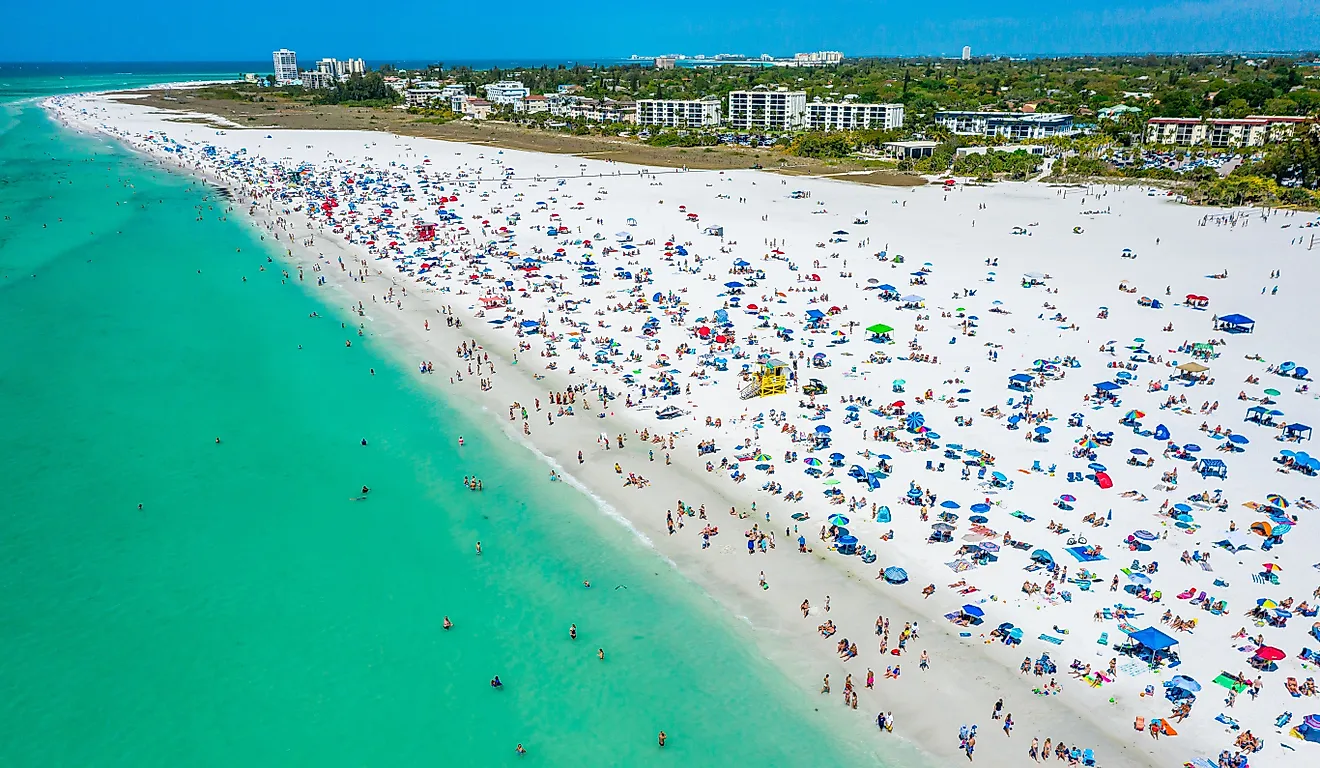
Shaped over millennia by elements, Indiana's most recognized natural wonder encompasses a rich mosaic of habitats, infamous for its striking biodiversity and towering sand dunes on southern Lake Michigan's shore. Ranging from small sandy hills to 192-foot Mount Tom within the state park, travelers enjoy climbing for scenic views above Lake Michigan, the 192-foot Devil's Slide, popular for racing down, and the 1.5-mile Dune Challenge, totaling 552 vertical feet of hiking up the three tallest dunes.
Under an hour from Chicago, the 61st national park (and one of the newest in the system) stretches along the state’s north coast across roughly 15,000 acres, offering wetlands, woodlands, and sandy shoreline to explore through guided tours, camping, and beach access. Late spring to early autumn pairs lovely weather and foliage via boardwalks through shifting sand dunes, over 50 miles of hiking trails, and bird-watching opportunities. Travelers can relax or tread along with scenic views where waves kiss 15 miles of sandy shoreline.
Marengo Cave

Discovered by a brother and sister in 1883, the 7-acre Marengo Cave offered public tours the same year and, in 1984, was declared a National Natural Landmark. Open year-round, some 45 minutes west of Louisville, Kentucky, it is a great pit stop to Indiana's Hoosier National Forest, in late spring through early fall, the best time to visit. From a nature trail to the entrance, the cave at a constant 52 degrees Fahrenheit (11 degrees Celsius) offers a reprieve from heat with activities like gemstone mining, MegaMaze, two walking tours, and a gift shop.
A rare variety of splendor awaits guests in a single cave, with easy paths and airy rooms for first-timers in the underground. The guided 40-minute Crystal Palace tour centers on a massive chamber with its "sparkling" ceiling, where millions of mineral deposits, or "speleothems," reflect light like diamonds. The hour-long, 1-mile Dripstone Trail follows an ancient underground stream through an intense collection of delicate "soda straws" (hollow tubular stalactites), "totem pole" stalagmites, and a "penny ceiling."
Winona and Tippecanoe Lakes

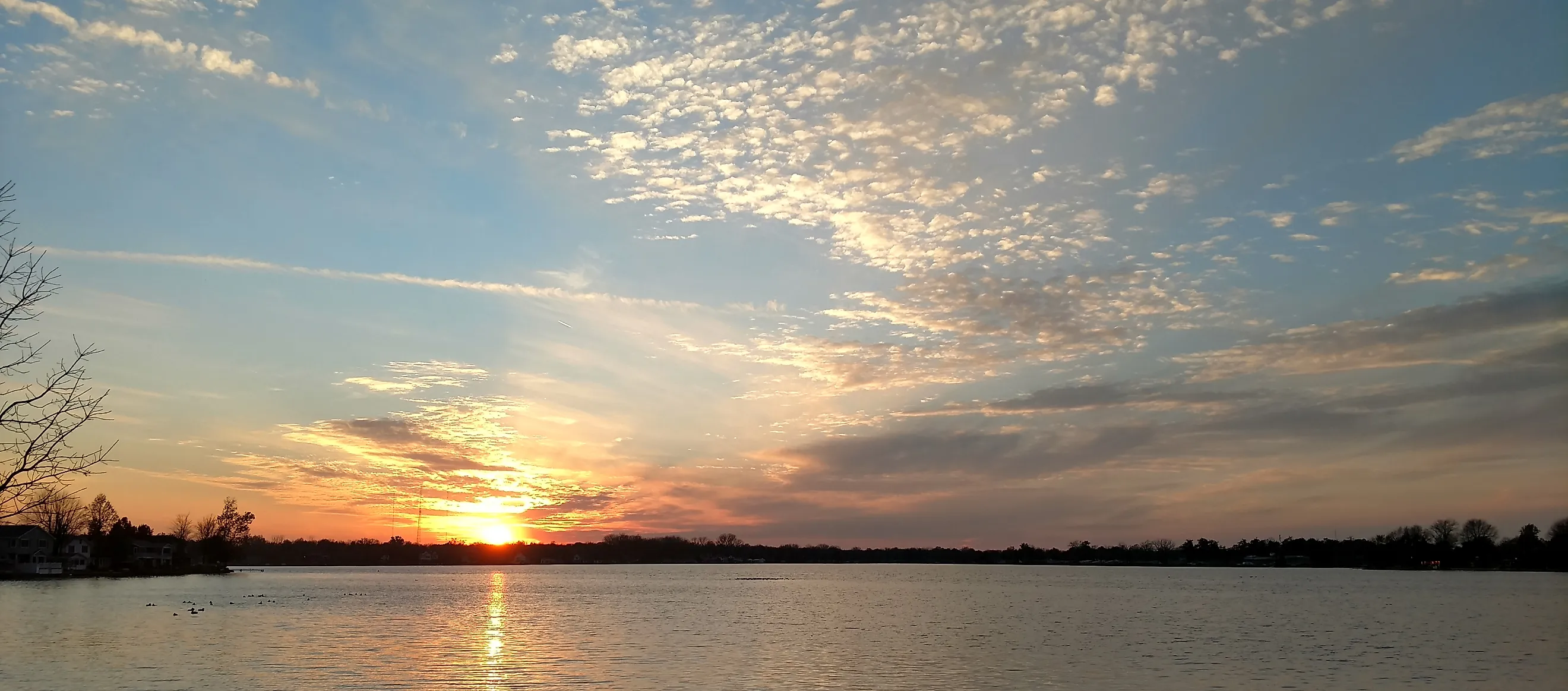
Winona Lake is a scenic destination in northern Indiana known for its calm waters, walking trails, and beaches. The lake is spring-fed and known for its calm waters and natural beauty. The shoreline features quiet coves, open water for paddling, and sandy areas for relaxing by the water. Popular for kayaking, canoeing, and fishing, the lake offers a peaceful setting for outdoor recreation, with gentle breezes and reflective sunsets adding to its laid-back, scenic appeal.
What's more, Winona Lake is just 20 minutes or so from Tippecanoe Lake. Cut deep into the landscape during the last ice age, Tippecanoe is named after an Algonquin term for carp. It's also Indiana's deepest natural lake (123 feet) — a glacial-scoured wonder just an hour from Fort Wayne. A vacation spot since the early 20th century, with a marina, a resort, a country club, and a dance hall, it remains a popular Midwest summer destination.
In the state dominated by rural scenery, it is easy to access each wonder from a major city when the soul calls for nature on a day trip or a perfect road trip stop in the relevant part of the state. Scenic shorelines of Indiana's deepest lake and one of America’s newest and most diverse national parks in the north of the state are ready-made vacation spots this summer.
The state's central flat-to-gently-rolling region transitions south into the rugged area around the Hoosier National Forest and unglaciated terrain speckled with caves and caverns. Finally, the Ohio River Valley forms the state's southern border, framing Clifty Falls State Park's awe-striking cliffs, gorges, and distinct waterfalls on high bluffs that overlook the Ohio River.