The Florida Waters Where Swordfish Run Biggest
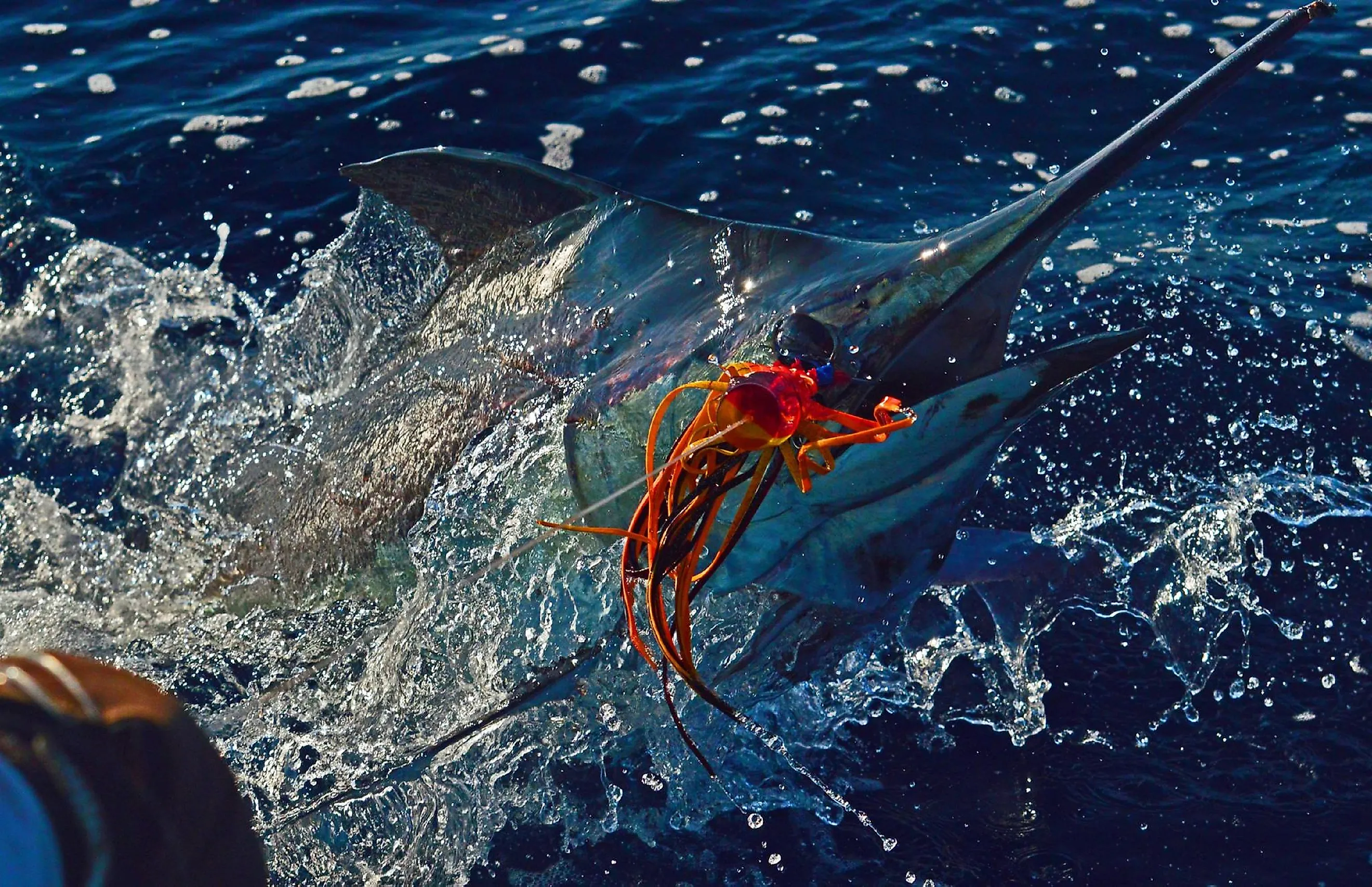
The broadbill swordfish is one of the ocean's great deep-water gladiators, a slab-sided predator with a sword for a face and eyes the size of softballs, built for hunting squid in the crushing dark a thousand feet down. And there is no better place in the country to tangle with one than off South Florida, where the seafloor drops into the deep, fast water of the Gulf Stream and the Straits of Florida just a short run from the beach. The state record stands at a genuinely enormous 612 pounds, 12 ounces. Here are the Florida waters where swordfish run biggest, and what it takes to get one to the boat.
Why South Florida Grows Giants

Swordfish country comes down to one thing: deep water, and lots of it, close to shore. Swordfish spend their days lurking in 1,000 to 1,800 feet of water, rising shallower to feed at night, and off Florida's Atlantic coast that kind of depth sits just miles from land, thanks to the steep drop into the Gulf Stream. That easy access is why South Florida, roughly from Jupiter down through the Keys, became the beating heart of American swordfishing. It helps that the modern daytime deep-drop technique was invented right here in the early 2000s, and that once commercial longliners were pushed out of the Straits, anglers started reporting more fish, and bigger ones, on a regular basis.
The Waters Off Islamorada

If swordfishing has a ground zero, it is the water off Islamorada. This is where the Stanczyk family of Bud n' Mary's Marina pioneered the daytime deep-drop technique back in 2003, turning a nighttime specialty into a year-round fishery and helping earn the town its "Sport Fishing Capital of the World" title. The marquee spot is Floyd's Wall, an underwater canyon about 26 miles southeast of the island where the continental shelf drops away and the Gulf Stream rips hardest. Boats deep-drop baits to 1,400 feet and beyond, and while the daily average is a manageable 50 to 150 pounds, this water regularly gives up fish north of 300 and the occasional true monster. It is the first place any serious sword hunter should look.
The Waters Off Key Largo

Just up the Overseas Highway, the water off Key Largo carries the ultimate bragging right: it is where the Florida state record swordfish came from, a beast weighing 612 pounds, 12 ounces. Key Largo sits at the top of the island chain, giving anglers quick access to the same deep Straits of Florida that make the rest of the Keys so productive, plus the bonus of world-class reef and wreck fishing on the way out. As the self-styled "Diving Capital of the World," it is better known for its coral than its billfish, but that record fish is a permanent reminder that the deep water just offshore holds animals of genuinely staggering size.
The Gold Coast: Fort Lauderdale, Miami, and Palm Beach

You do not have to drive to the Keys to find giants. Along the densely populated Gold Coast, the swordfishing sometimes gets lost behind the glamour of Fort Lauderdale, Miami, and Palm Beach, but it absolutely should not. The Gulf Stream swings in especially close here, so the deep-water humps and ledges that hold swordfish sit within a comfortable run of the inlets. The historic charter docks around Miami and Key Biscayne have been sending boats after these fish for decades, and the corridor from Palm Beach and Jupiter southward is widely rated among the best sword water in the state. City skyline behind you, thousand-foot depths in front of you. Not a bad office.
The Waters Off Key West

At the very end of the road, Key West enjoys perhaps the most direct access of all, sitting right on the lip of the Straits of Florida, which some describe as a genuine breeding ground for Atlantic broadbill. The deep water is remarkably close, and the Lower Keys fishery has quietly built a reputation to rival the more famous grounds up the chain. Add the fact that Key West is a spectacular place to celebrate a big catch afterward, and it is hard to argue with as a swordfishing base. The fish do not care that Hemingway drank here, but you might.
The Gulf Side

The Atlantic side gets all the glory, but Florida's Gulf coast holds swordfish as well, out over the deep water 35 to 70 miles offshore from the southwest coast up toward the Panhandle. The honest catch is that Gulf swordfish tend to run smaller, often in the 70 to 100 pound range, so if your goal is a true giant, the Straits are still the place. That said, the Gulf can serve up fast, generous action, with multiple fish in a day very possible, and spring in particular can produce larger females. For anglers based on the west coast, it is a legitimate and far closer option than making the long haul around to Islamorada.
What It Takes To Land One

A quick reality check before you get too excited: this is not casual fishing. Reaching a bait down to 1,500 feet, in a screaming current, and then cranking a heavy fish all the way back up requires specialized electric reels, breakaway lead weights, glowing light sticks to draw the fish in, and a whole lot of patience, which is why daytime swordfishing usually means a 10-hour charter with a captain who does this for a living. Florida rules currently allow one swordfish per angler and up to six per vessel, with a 47-inch minimum size, and many anglers tag and release regardless. It is demanding, expensive, and occasionally back-breaking. It is also, by nearly every account, the fish of a lifetime.