The Deepest Dive Ever Made In American Waters
On May 7, 2019, Victor Vescovo and marine scientist Alan Jamieson descended into Sirena Deep aboard the submersible Limiting Factor. The dive reached 10,714 meters, or 35,151 feet, inside the U.S. Exclusive Economic Zone associated with Guam. Vescovo piloted the vehicle and Jamieson served as chief scientist. They spent 176 minutes on the seafloor, filming, surveying, and collecting material. Federal Mariana Trench management documents identify Sirena Deep as the deepest feature in the U.S.-associated Trench Unit. The site sits far beyond Guam's 12-nautical-mile territorial sea. For a science paper, the precise description is "deepest documented crewed dive within the U.S. Exclusive Economic Zone."
Sirena Deep Reached 35,151 Feet

The Five Deeps Expedition reached Sirena Deep during its Mariana Trench campaign in May 2019. Expedition records give the May 7 descent a depth of 10,714 meters, with an uncertainty of about 10 meters. The submersible carried Vescovo and Jamieson to the trench floor, where they remained for 176 minutes. Their work began after a descent lasting several hours through the western Pacific water column.
The crew recorded video, examined rock exposures, searched for biological activity, and recovered samples. Federal monument records later repeated the 35,151-foot depth and documented the first crewed descent to the site. One recovered specimen was described as mantle-derived rock collected from the western slope of the Mariana Trench. Expedition accounts also record geological and biological observations made during the bottom period. The May 7 dive was the fifth Mariana mission conducted by Limiting Factor during that campaign.
Sirena Deep Sits Inside The U.S. EEZ

Sirena Deep lies south of Guam near 12 degrees north latitude and 144 degrees east longitude. NOAA places it within the Mariana Trench Monument's Trench Unit, which follows U.S. maritime boundaries around Guam and the Northern Mariana Islands. An Exclusive Economic Zone can extend up to 200 nautical miles from a coastal baseline. The United States exercises defined resource rights and jurisdiction within that zone. Guam's territorial sea extends 12 nautical miles from its baseline. Sirena Deep lies well offshore, inside the EEZ linked to Guam. Federal management maps place the trench unit within those limits and identify Sirena Deep as its deepest feature. The phrase "American waters" can cover several legal maritime zones. In this case, "within the U.S. Exclusive Economic Zone" identifies the jurisdiction precisely.
Limiting Factor Was Engineered For 11,000 Meters
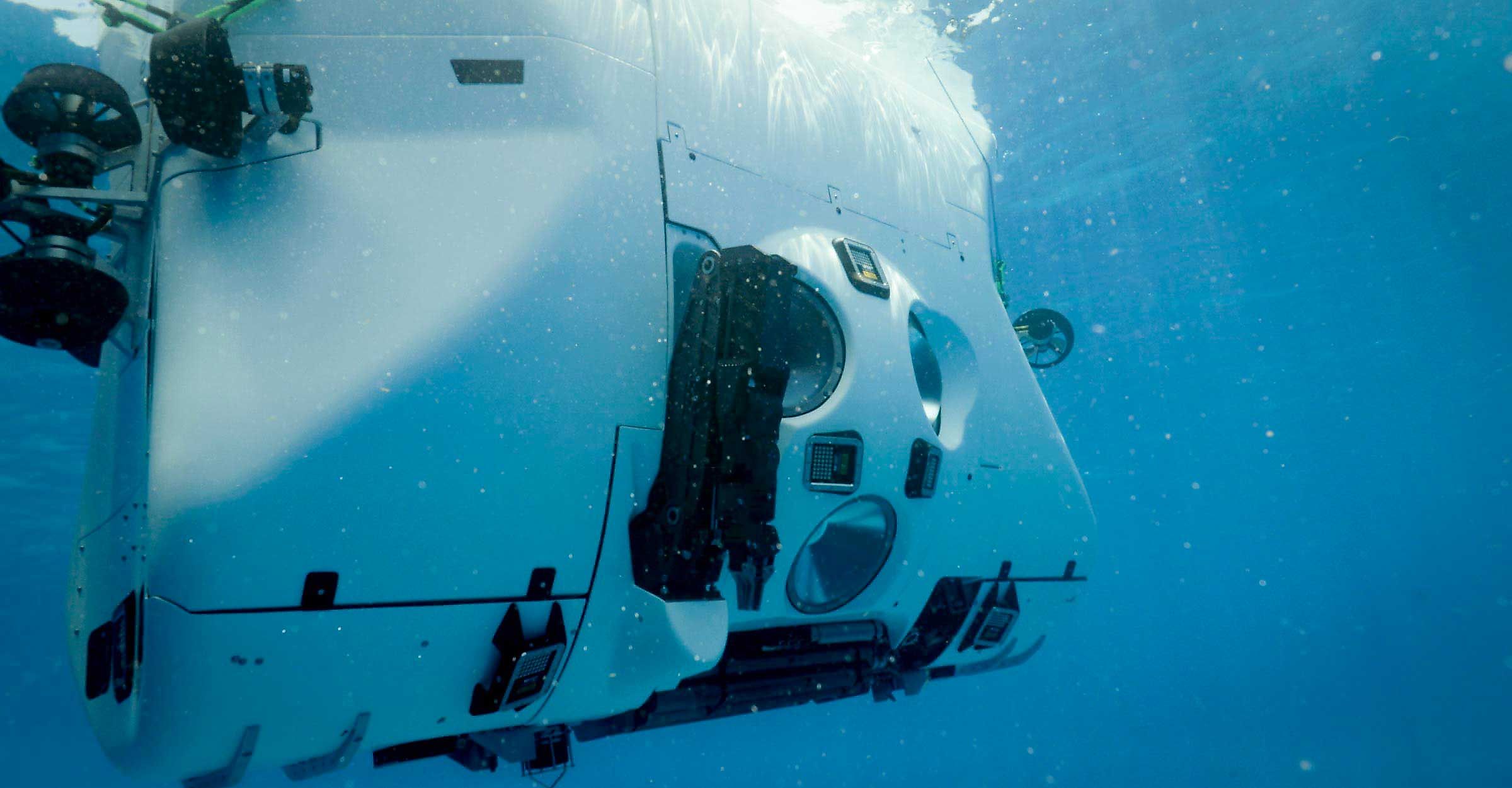
Limiting Factor is a two-person Triton 36000/2 submersible rated to 11,000 meters. Its pressure hull is a titanium-alloy sphere with walls 90 millimeters thick. Triton states that the sphere was machined to 99.933 percent of a true sphere. The crew sits inside that compact metal pressure vessel during the entire descent.
A spherical hull spreads external pressure around the crew compartment. The vehicle was pressure-tested to the equivalent of 14,000 meters. Triton lists its normal endurance at 16 hours and its maximum operating depth at full ocean depth. The design also uses syntactic foam for buoyancy.
High-definition cameras, wide-angle cameras, exterior lights, navigation equipment, and sampling systems are built into the submersible. The equipment supported 176 minutes of work on the Sirena Deep floor. Limiting Factor completed repeated hadal dives during the Five Deeps Expedition, using the same crew sphere across several ocean basins.
Pressure At The Bottom Approaches 108 Megapascals

At 10,714 meters, the water column places immense force on a submersible hull. A basic hydrostatic calculation using seawater density near 1,025 kilograms per cubic meter gives about 108 megapascals. NOAA commonly describes pressure in the deepest Mariana Trench as roughly a thousand times atmospheric pressure at sea level. The pressure acts over every exposed part of the vehicle, including viewports, penetrations, joints, and external equipment.
Precise depth estimates use pressure readings alongside water compressibility, temperature, salinity, local gravity, tides, and atmospheric pressure. Sonar measurements also depend on the speed of sound through seawater. Small uncertainties in those variables can move a calculated depth by several meters. The reported Sirena Deep figure carries an uncertainty of about ±10 meters. Full-ocean-depth expeditions calibrate their instruments carefully because a few meters can alter a published extreme-depth measurement.
Mantle Rock At The Southern Mariana Trench

Sirena Deep occupies the southern Mariana subduction system, where the Pacific Plate bends beneath the Mariana region. The trench floor there is cut by major faults and steep slopes. NOAA locates Sirena Deep near the meeting point of the trench axis and the East Santa Rosa Bank Fault. A 2020 Deep-Sea Research Part I study examined rock and imagery collected near 10,677 meters. Researchers documented ultramafic rock altered by serpentinization, a water-rock reaction involving mantle minerals such as olivine. Earlier work in the southern Mariana forearc also recovered strongly serpentinized peridotite. Geologists studying these samples can examine material associated with the upper mantle and deep crustal processes. During the 2019 crewed descent, Vescovo and Jamieson collected material from the western slope. Federal management documents later recorded a mantle-derived specimen among the recovered samples.
Microbial Material Has Been Found Near 10,677 Meters

A 2012 lander deployment at Sirena Deep photographed filament-like material on exposed rock and talus near 10,677 meters. Researchers analyzed the images and samples in a 2020 peer-reviewed study. The material occurred on rock surfaces in permanent darkness, cold water, and hadal pressure.
The authors interpreted the filaments as a possible microbial mat. They also documented serpentinized ultramafic rock at the site. Serpentinization can generate chemical compounds that some microorganisms use as energy sources. The authors kept the biological identification tentative because direct sampling at this depth remains difficult.
Other Mariana Trench studies have documented hadal amphipods and distinctive microbial communities under similar pressure. Research on Hirondellea gigas found specialized microbial associations in animals collected within the trench system. Specimens examined in that work came from the Sirena and Challenger areas of the Mariana Trench.
Challenger Deep Falls In Micronesian Waters

Challenger Deep contains the lowest measured seafloor in the Mariana Trench. A NOAA-affiliated study reported 10,935 meters, with a 95 percent confidence interval of ±6 meters. The site lies roughly 300 kilometers southwest of Guam. NOAA research places it within waters of the Federated States of Micronesia. The United States and Micronesia established a formal maritime boundary in this part of the western Pacific, defining the neighboring maritime zones.
Vescovo descended to Challenger Deep during the Five Deeps Expedition and completed a separate full-ocean-depth mission there. Sirena Deep sits within the U.S. EEZ associated with Guam. The reported depth difference between the two sites is about 221 meters. Their maritime locations place the 10,714-meter Sirena descent in the U.S.-jurisdiction record.
The Puerto Rico Trench Came First

Vescovo completed an earlier U.S.-associated hadal dive on December 19, 2018, in the Puerto Rico Trench. Limiting Factor reached a verified depth of 8,375.1 meters during the first major descent of the Five Deeps Expedition. The mission was the first crewed visit to the deepest point of the Atlantic Ocean. U.S. Geological Survey mapping places major portions of the trench inside the U.S. Exclusive Economic Zone north of Puerto Rico. The dive put the new submersible through a complete hadal mission several months before the Mariana campaign. Limiting Factor later entered deep sites in the Southern, Indian, Pacific, and Arctic oceans during the same expedition. Sirena Deep reached 10,714 meters in May 2019. Expedition documents preserve both depths and dates in the mission chronology.
The Crew Spent 176 Minutes On The Seafloor
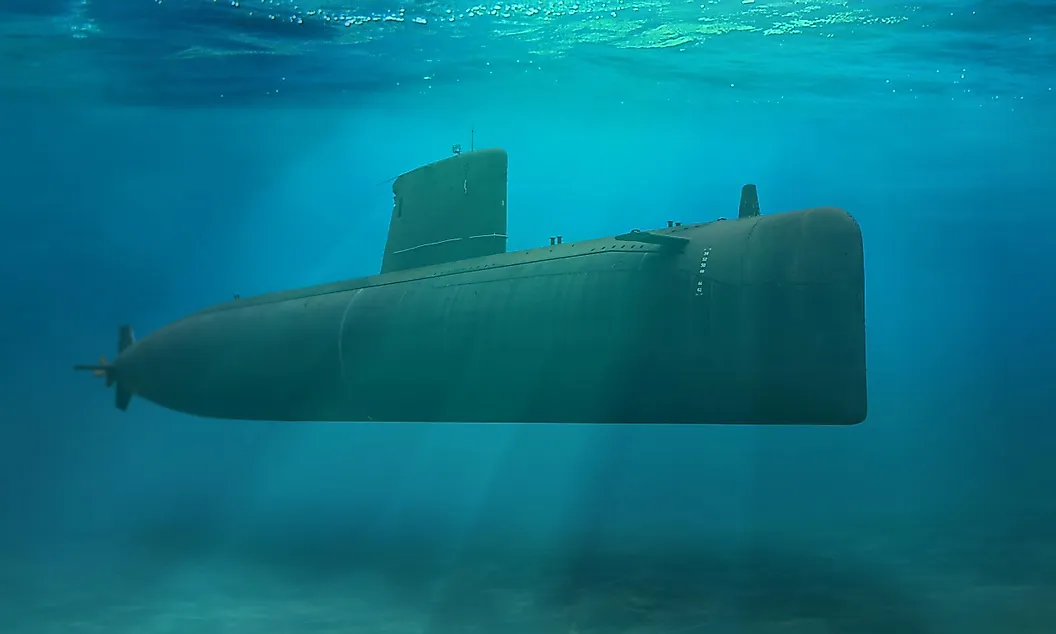
The 176-minute bottom period gave Vescovo and Jamieson time to work across the trench floor. They recorded video, examined geology, looked for life, and collected material. Expedition mapping used multibeam sonar to improve bathymetric coverage of the Mariana Trench during the wider campaign. The expedition vessel used a Kongsberg EM124 system built for full-ocean-depth mapping.
The published dive record gives May 7, 2019, as the date of the first crewed Sirena Deep descent. Federal management documents give the site's maximum depth as 35,151 feet and identify Vescovo and Jamieson as the crew. Triton's specifications list Limiting Factor for 11,000-meter operations. Peer-reviewed Sirena Deep studies describe ultramafic rock, serpentinization, and possible microbial material at comparable depths. The expedition log records 176 minutes on the bottom.