Why Some Famous Landscapes Aren't National Parks
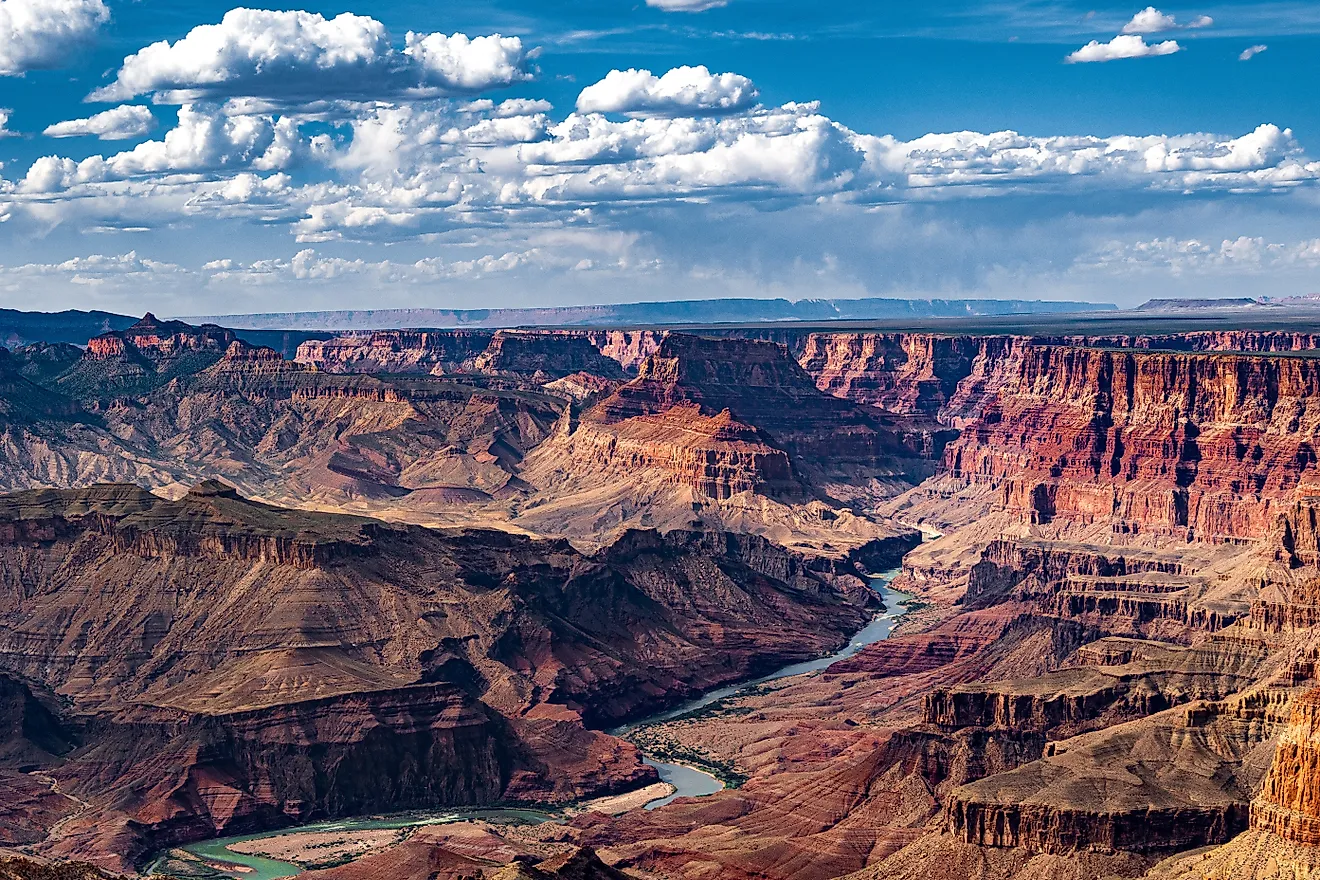
While many assume that all famous landscapes have national park designation, the designation requires more than fame alone. Many famous landscapes aren't national parks because of existing protections, commercial use, land ownership, regional responsibilities, and congressional requirements. Landscapes, such as California's Big Sur or Colorado's Garden of the Gods, stand apart for their existing protections, resource use, and local notoriety. Though they aren't national parks, their well-earned reputation goes beyond national designation. Here's a look into why these famous landscapes have stayed outside the system.
Existing Protection and Missions

Many famous landscapes aren't national parks because they already have protection under other agencies. If a famous landscape is already protected as a national monument or state park, officials may not feel the need to protect it under a national park designation. These existing designations can preserve management options that may be more restricted under national park management. These freedoms may allow multiple use options that are not available to many national parks. The Bureau of Land Management is known for its multi-use mandate, which allows regulating mining, oil drilling, and grazing. Without these existing protections, many local economies could suffer. Changes can also lead to complications that cause unnecessary paperwork, excessive buyout costs, and overcrowding.
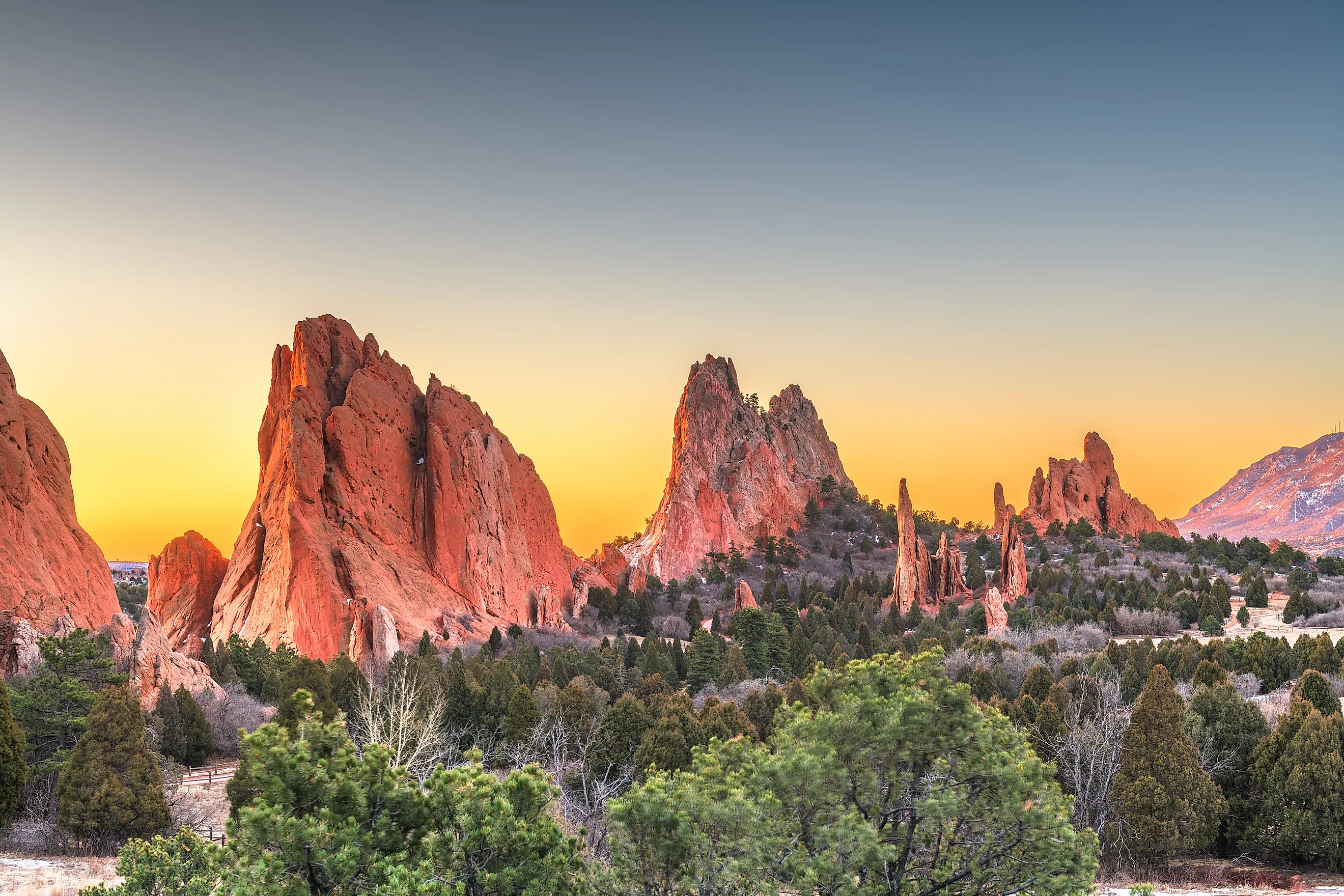
When it comes to existing protection, Garden of the Gods in Colorado demonstrates how famous landscapes thrive without becoming a national park. The beloved park is owned and managed by the City of Colorado Springs. Designated a National Natural Landmark, the city manages the park and has established its own systems for preservation, recreation, and tourism.
Land Ownership Rights

Complex ownership patterns can make national park designation more difficult, particularly when private, state, or tribal lands are involved. Without clear ownership of the land, the federal government may face challenges involving private ownership, water rights, or independent tribal nations. In order to gain the rights to privately owned land, the government may have to buy out private landowners. This buyout could cost the government and taxpayers millions of dollars. Ownership of water also creates a unique predicament.
Due to this, cities like New York City can have significant control over water resources in areas containing famous landscapes. Water and land rights are also subject to centuries-old doctrines belonging to sovereign nations. Native American tribes, like the Navajo Nation, may have their own interests and rights involving sacred lands and how those lands are managed. Handing over rights can affect revenue and the ability to govern how their sacred land is used. Though the government can acquire land through eminent domain, exercising this power can create political opposition and leave inholdings.
Regional Priorities

Understanding landownership rights highlights the importance of regional priorities. Landowners are protective of their property. If they lose land, they lose power, revenue, and hard-earned territory. National parks often place greater restrictions on resource extraction, like mining and drilling. These activities can be important to regional economies. This is especially pertinent when it comes to state authorities. When state land becomes a federal national park, the state can lose legal jurisdiction and revenue, depending on the circumstances.
Finally, states value their local attractions. Considered local treasures, they are used to drive significant revenue in entry, parking, and recreational fees. They are also able to manage their own needs without relying on federal approval, making local issues the priority. In California, Big Sur is a regional attraction. Rather than being managed as a single national park, the Big Sur region maintains a mixture of public and privately managed lands and protected areas. This allows California to prioritize its own interests in managing recreation, conservation, and tourism.
Congressional Requirements
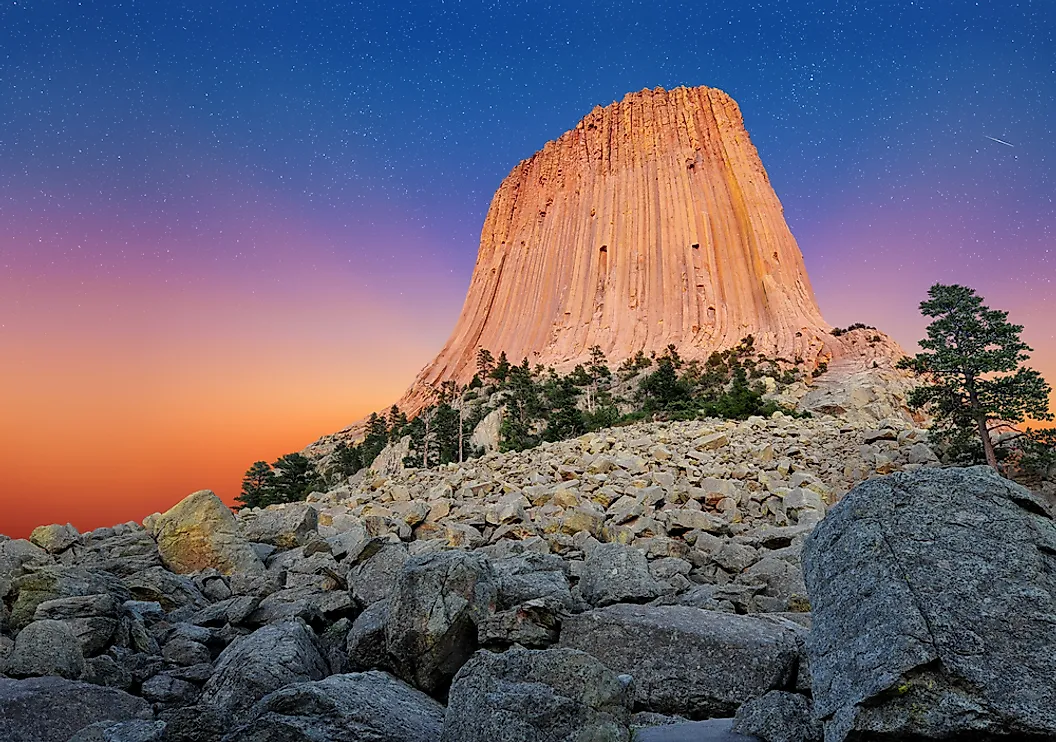
Congressional requirements are another hurdle that prevents famous landscapes from becoming national parks. This is especially restrictive because new national park units are generally established through an official Act of Congress. Accomplishing national park status requires a tedious legislative process. Unlike national monuments established by presidential proclamation, national parks are generally established through congressional legislation. This process requires a rare amount of political agreement that can easily be blocked throughout the process. State and local interests can also complicate efforts to secure congressional approval, making attempts for national park designation seem pointless.
Finally, creating new national parks means taking on permanent financial obligations that lawmakers are less likely to approve. When a national park is established, it can create additional long-term costs for the federal government. Since the National Park Service is already experiencing a maintenance backlog, many want to avoid adding additional costs. This can make lawmakers reluctant to create new national parks without identifying additional funding. Meeting this demand is often more of a hassle than many think national park designation is worth.
Wrapping Up
Many are surprised to find that many famous landscapes are not national parks. However, obtaining a national park designation is much harder than most realize. Many famous landscapes already have existing protections, while land ownership and regional priorities can make becoming a national park more difficult. While there are political options for attaining the title, many feel that it is not worth the congressional process. Though being a national park has its perks, it is often not the best choice for famous landscapes. Many famous landscapes are local treasures that offer recreation, commercial use, and revenue that are unavailable to national parks. Through this lens, famous landscapes demonstrate that there is more than one way to conserve, educate, and protect the environments that we know and love.