How Deep The Grand Canyon Is Compared To The Empire State Building
The Grand Canyon is deep. The Empire State Building is tall. But pit one of the planet's most famous skyscrapers against the big ditch out in Arizona, and it is not even a fair fight; it is an absolute rout. Here is just how badly, and how the canyon wins.
The Numbers
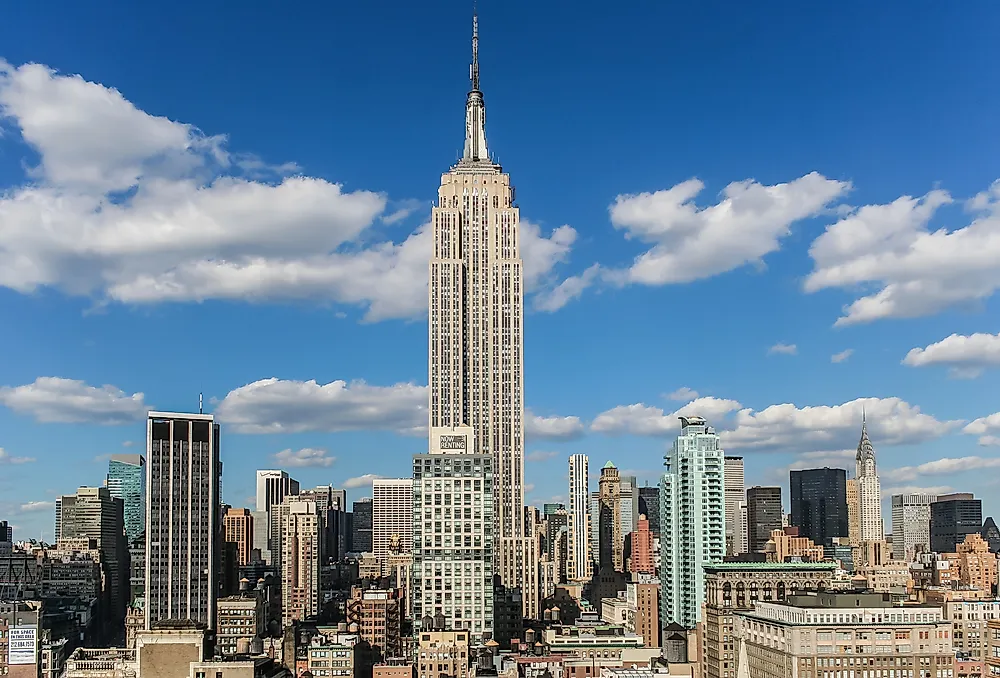
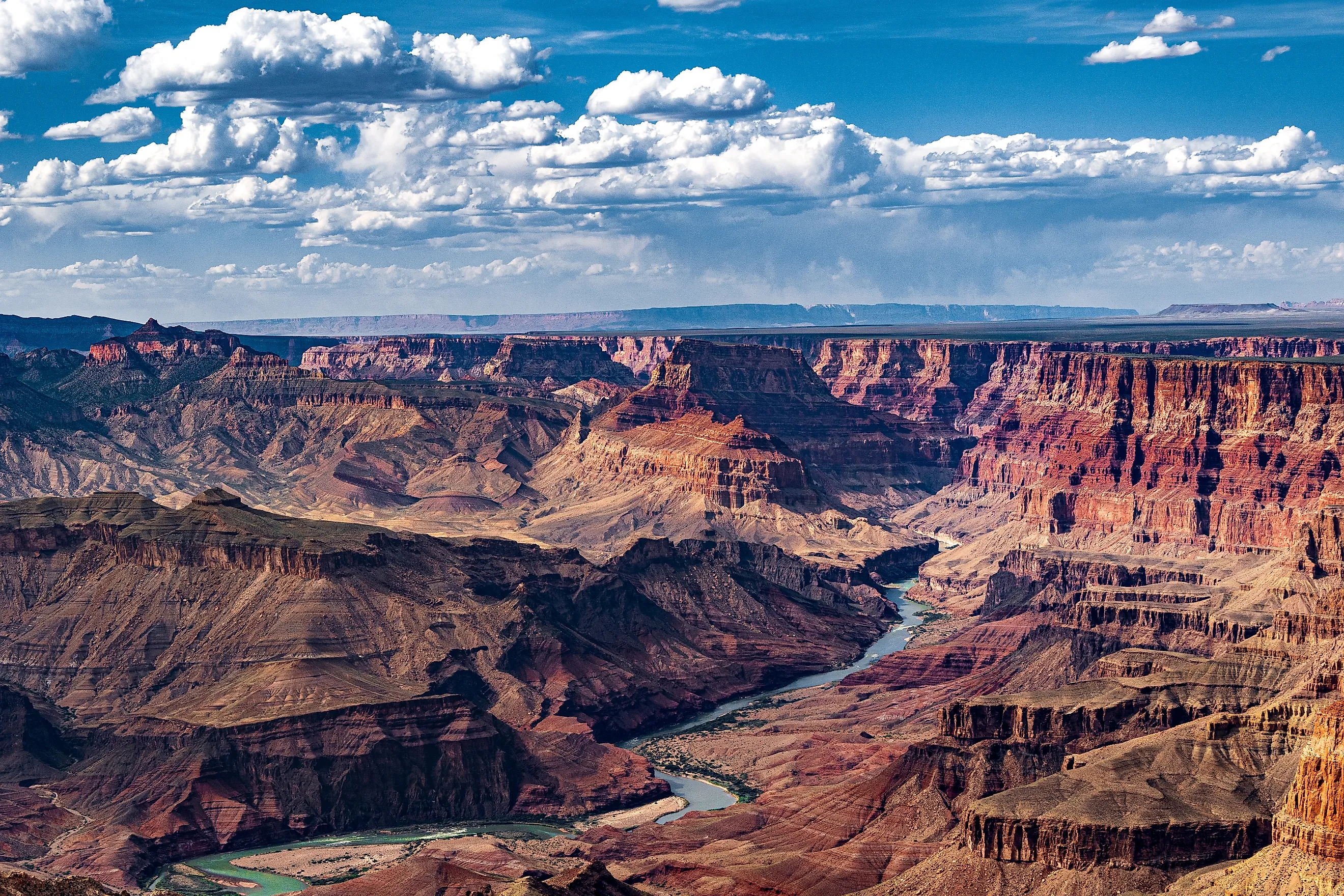
Let's get the measurements out on the table. The Empire State Building stands 1,454 feet tall to the very tip of its antenna, or 1,250 feet to the roof, across a proud 102 stories. The Grand Canyon, meanwhile, averages about a mile deep, which is 5,280 feet, and plunges to roughly 6,000 feet at its deepest point, where the North Rim stares down at the Colorado River far below. In other words, the deepest part of the canyon is more than four times the full height of one of the tallest buildings in American history. The building is not even close.
You'd Need About Four of Them

Here is the part that breaks your brain a little. To climb out of the deepest stretch of the Grand Canyon, you would have to stack roughly four Empire State Buildings on top of one another, antenna to foundation, and even then you would only just barely peek over the rim. Even the canyon's "average" one-mile depth swallows about three and a half of them whole. The proudest skyscraper New York could build back in 1931 is, down at the bottom of the canyon, essentially a rounding error with a gift shop.
The View From the Top Floor

Say you parked the Empire State Building on the floor of the Grand Canyon and rode the elevator all the way up to its famous 86th-floor observation deck, about 1,050 feet up. Congratulations: you would be roughly one-fifth of the way to the rim. There would still be some 4,000 feet of layered rock towering silently over your head. It is not, to put it gently, the penthouse view you were promised in the brochure.
Why It's Not a Fair Fight
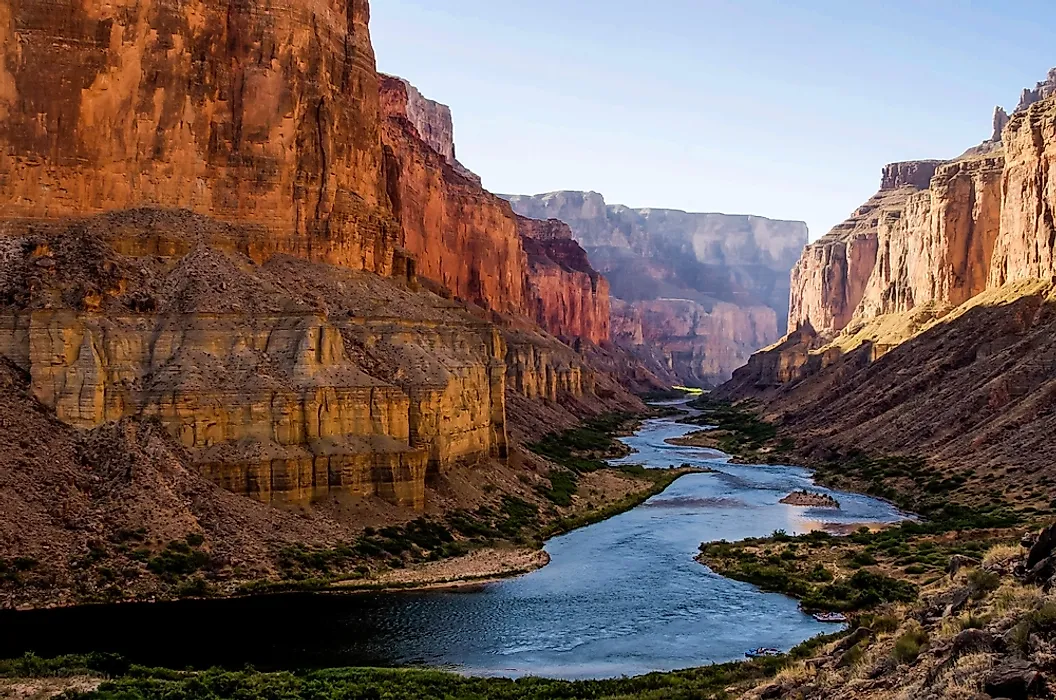
To be fair to the building, it never really stood a chance. The Empire State Building went up in a frantic 410 days back in 1931, a genuine triumph of steel, limestone, and human hustle. The Grand Canyon, on the other hand, took the Colorado River somewhere around five to six million years to carve, grinding steadily down through layer after layer until it reached schist at the bottom that is nearly two billion years old, older than complex life itself. One of these is a very impressive building. The other is a mile-deep cross-section of the planet's own memory. This was never a contest between equals.
Putting It in Perspective

So here is the mental image to carry with you. King Kong only had to climb one Empire State Building to make movie history; drop the big ape into the Grand Canyon and he would have to scale four of them just to haul himself back out for lunch. Stand down on the canyon floor and that mighty 20th-century skyscraper, the one that defined the Manhattan skyline for decades, would look like a toy you could knock over with one foot. The humbling lesson of the Grand Canyon is a wonderfully simple one: nature spent a few million patient years digging, and it did not care even slightly about your 102 stories.