Why Paper Birch Stops At The Edge Of The North Woods
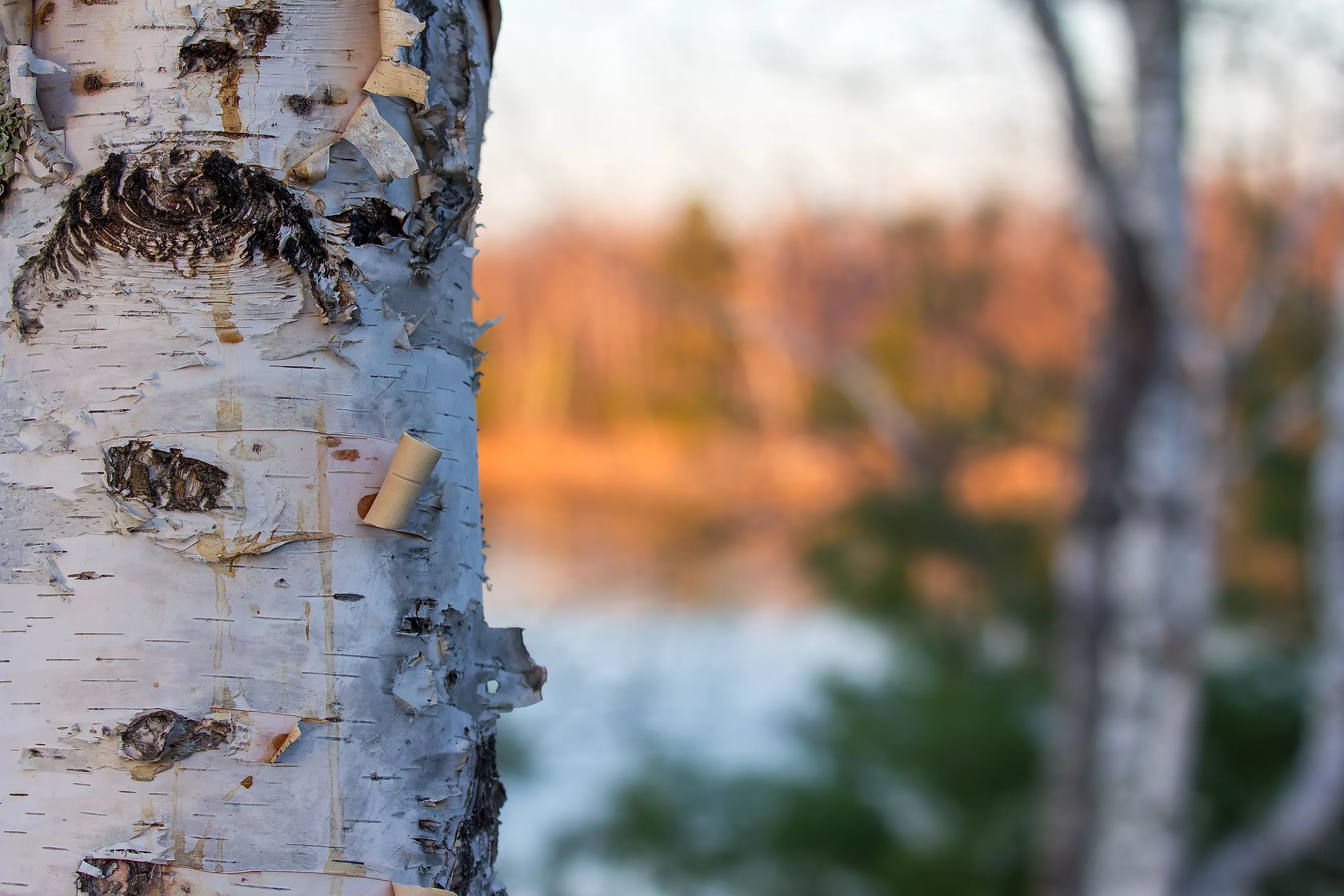
Paper birch's recognizable peeling, bright-white bark is found throughout the North Woods region that covers a portion of North America, including half of Canada and parts of the northern U.S.. The tree is naturally equipped for the cold of areas with long winters and cool summers, and it thrives in forests packed with other paper birches.
Outside of this range, paper birch trees face several threats that prevent them from thriving. The fast-growing tree struggles to survive in environments with prolonged summer heat, which brings other dangerous conditions such as pests, drought, and competition from other tree species.
High Temperatures Lead to Heat Stress

While paper birch is well adapted to extremely cold temperatures, the tree suffers in places that undergo long stretches of heat. In the harsh climate of the North Woods, which stretches across some of the coldest places in North America, paper birch can live in temperatures that dip as low as -40°F (-40°C) with moist, cool soil. It also flourishes in regions with cool summers, as evidenced by its presence at the upper elevations of mountains in Alaska.
Once removed from those cold conditions, paper birch is prone to heat stress. In forest landscapes where summer temperatures exceed 70°F (21°C) in peak months, paper birch struggles to cope with the increased heat. Heat stress can cause trees to drop their leaves, which carry out photosynthesis, early in an effort to save water and energy, especially during periods of drought that can accompany long stretches of high temperatures. It can also cause the leaves to shrivel and turn brown in response to excessively hot, dry conditions.
Heat Invites Pests

Higher temperatures also make paper birch more vulnerable to pests, particularly the bronze birch borer. The insect can infest several birch species, including paper birch, sweet birch, and yellow birch in the U.S. and Canada, using them as hosts to complete its life cycle.
Adult bronze birch borers emerge in the warmer weather of late May to early June. They typically attack paper birch trees that have reached maturity or trees weakened by heat stress. The borers feed on the tree's leaves for several weeks before mating and laying eggs in cracks in the bark. Larvae living under paper birch's thin bark pose the most serious threat, interfering with sap movement, the transport of nutrients and water the tree needs to grow and survive.
Other Trees Lead to Increased Competition

While heat is perhaps the largest threat to paper birch, another harmful element is too much shade. Environments that receive plenty of sunlight are essential to the survival of paper birch. Paper birch is often found growing in groups, and its seeds are carried to open areas with exposed soil that receive constant sunlight. This is characteristic of the species, since foresters classify it as shade-intolerant.
Being shade-intolerant is a disadvantage when wind carries paper birch seeds to areas dominated by other tree species. The fast-growing birch struggles to compete with shade-tolerant species that live longer and develop larger leaf canopies, which block the light it needs to create energy and support its growth. As a result, paper birch is limited to open or disturbed sites within its range, and is confined to places where it faces less competition for resources like sunlight.
Birch Dieback Outside the North Woods

The combined stress of these factors can cause paper birch to develop a decline called "birch dieback." As paper birch is under strain in hot weather and amid additional competition, parts of the tree become incapacitated and affect other parts. Roots in warmer, drier soil begin to shrivel and die from stress, so the tree absorbs less water and fewer nutrients from the ground. The decline progresses to the twigs and branches, which also die, until eventually the whole tree is no longer viable.
The Importance of Paper Birch Trees in the North Woods
Although paper birch is limited to cold climates, the tree has been a crucial resource for human inhabitants of the North Woods for thousands of years. Archaeological evidence suggests that wood and sap from paper birch were essential in building tools such as spears used to hunt large prey. The tree also helped humans thrive in the same harsh, cold climate it favors, providing wood for snowshoes, a waterproof covering for homes, and fuel for fires.