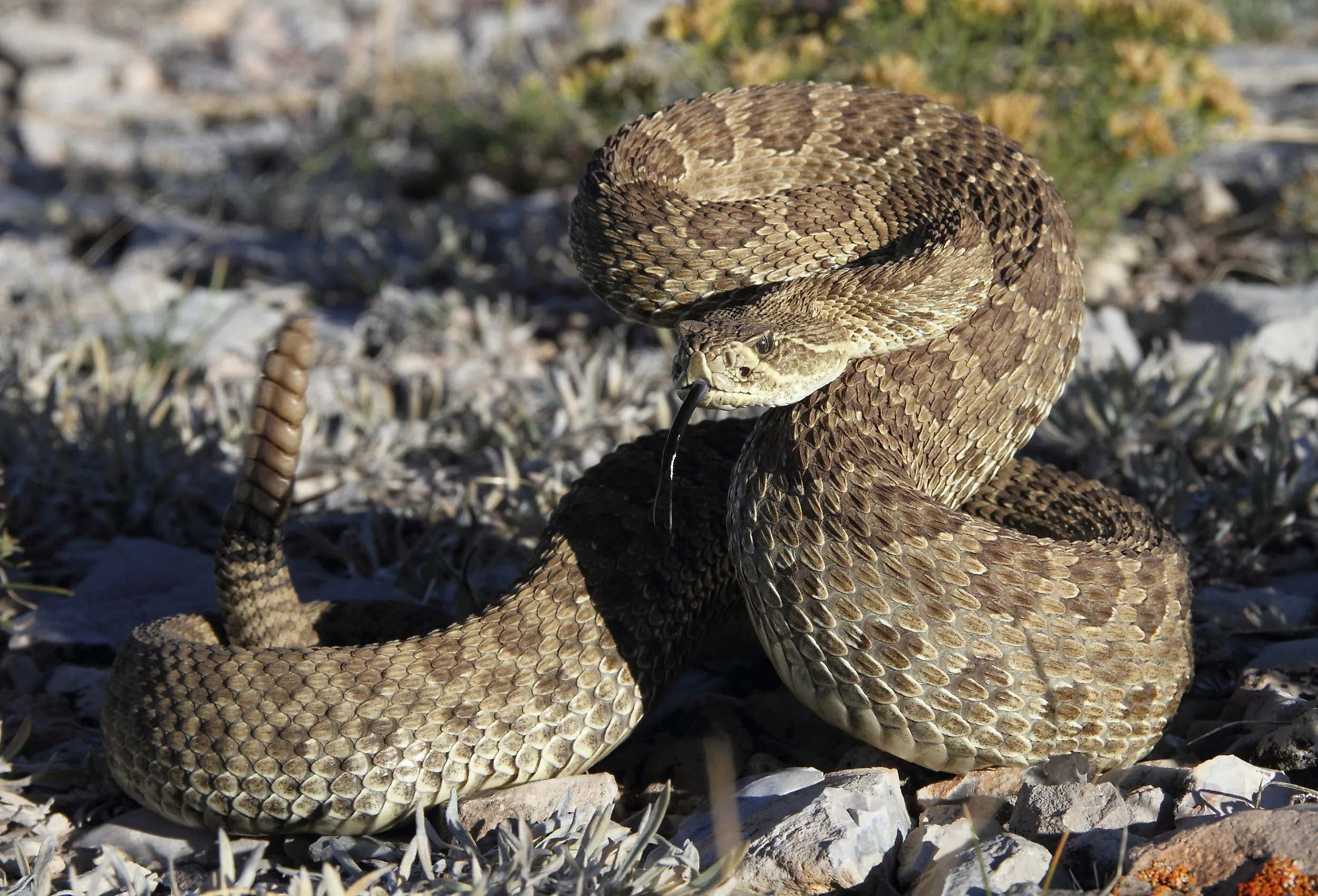
The Only Part Of Yellowstone Where Rattlesnakes Live
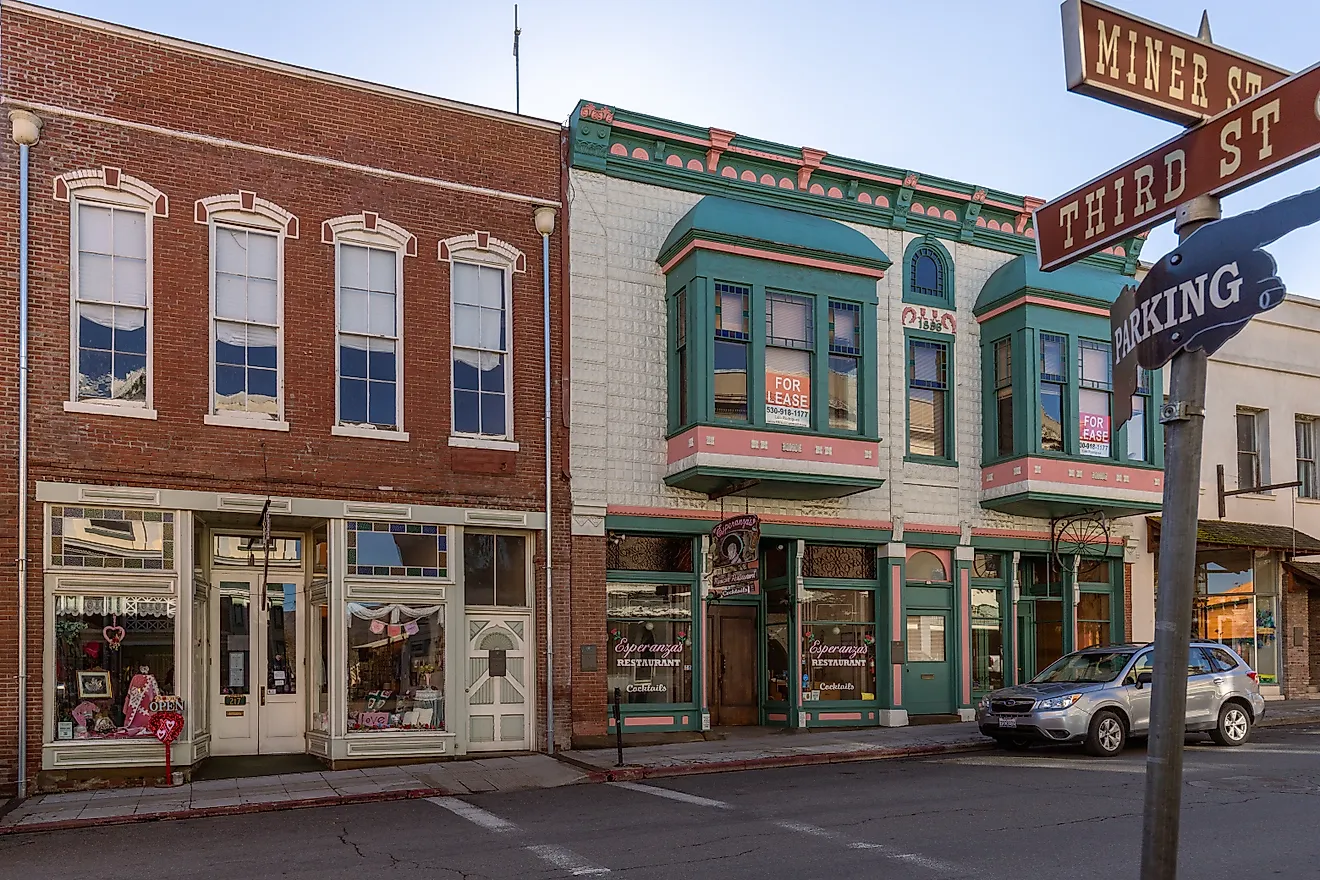
Most of Yellowstone National Park sits above 7,500 feet, on high volcanic plateaus. That is hard country for a cold-blooded animal, and only six kinds of reptiles live anywhere in the park. One of them is a rattlesnake. The prairie rattlesnake, the only dangerously venomous snake in Yellowstone, keeps to a single small corner: the lower Yellowstone River around Gardiner, Montana, at the park's North Entrance.
Gardiner is the park's gateway from the north, and Mammoth Hot Springs lies only five miles inside the North Entrance. A rattlesnake seems out of place in a park this high and cold, yet every site where Yellowstone's rattlesnakes are known to live sits along the river within a few miles of that town.
Rattlesnakes Live Along the Last Miles of the Yellowstone River Inside the Park

Below Gardiner, an old railroad bed follows the Yellowstone River downstream to the park's northern boundary at Reese Creek. Stephens Creek comes in along that stretch, about 2.4 miles from town. Upriver, Rattlesnake Butte rises near the Yellowstone, and hikers who climb it park at the Rescue Creek Trailhead.

Prairie rattlesnakes live in these lower Yellowstone River areas, including Reese Creek, Stephens Creek, and Rattlesnake Butte, where the habitat is drier and warmer than anywhere else in the park. Inside Yellowstone, the snake is restricted to these lower elevations in the northwest. The park's 2000 to 2003 amphibian and reptile inventory, reported in 2004 by Idaho State University herpetologists Debra Patla and Charles Peterson, documented a few specimens there.
Reese Creek Is the Lowest Ground in Yellowstone

A drive from the North Entrance to Yellowstone Lake, at 7,733 feet, gains about 2,450 feet, nearly half a mile. The road passes Mammoth Hot Springs at 6,239 feet early in that climb, and beyond it most of the park lies above 7,500 feet, topping out at 11,358 feet on Eagle Peak in the far southeast. The rattlesnakes live at the bottom of the climb, along the river below Gardiner, where Reese Creek, at 5,282 feet, is the lowest point in Yellowstone.
The Snakes' Ground Gets as Little as 10 Inches of Precipitation a Year

About 0.4 miles south of the North Entrance, a roadside exhibit names greasewood, prickly pear cactus, and rubber rabbitbrush among the plants on the flats around it. The soils there are salty and poorly aerated, and they resist root growth, so only a limited set of plants can grow in them. Plants of the Great Plains and the Great Basin mix with Rocky Mountain vegetation around Gardiner and Stephens Creek.
Precipitation near Gardiner falls to as little as 10 inches a year, against nearly 80 inches in Yellowstone's southwest corner. Range scientists class the needle-and-thread and blue grama grassland that runs along the boundary and up the Yellowstone River to the Black Canyon as the driest grassland type on the park's northern range. In Montana, prairie rattlesnakes favor open, arid country like this, and they are more likely to be encountered on south-facing slopes and around rock outcrops.
The Snakes Spend Winter Underground While Elk and Bison Graze the Basin

When snow covers the high country, the Gardiner Basin becomes an especially critical wintering area for elk, bison, and other hoofed animals. Thousands of them move across the park's northern range, one sagebrush type near Gardiner is heavily grazed in winter, and pronghorn winter on the open terrain above town and near Stephens Creek. In Montana, prairie rattlesnakes spend those months in communal dens, deep, protected spaces beneath rocks.
On sunny spring days, the snakes may come to the den entrance to warm themselves, but they do not fully emerge until temperatures rise and hold. Over the summer, a prairie rattlesnake can range up to 7 miles from its den, which is farther than the drive from the North Entrance to Mammoth Hot Springs. Along the way it hunts mice, ground squirrels, and rabbits, and an adult can grow to more than 48 inches long.
Late summer is the busy season. Mating runs from late July to early September, and pregnant females give birth to 4 to 21 young from late August into September. A female likely breeds only every other year.
Two Trails Drop Onto the Low, Dry Ground Near Gardiner

Hikers reach this corner of the park on foot from two directions. The Rescue Creek Trail runs about 8 miles from a trailhead on the road between Mammoth and Tower, and its last stretch descends 1,400 feet through forest onto sagebrush flats and a footbridge over the Gardner River, ending at a trailhead about a mile south of the North Entrance. The Yellowstone River Trail comes down the river through the Black Canyon and past Knowles Falls, then crosses treeless ground exposed to the summer sun between Rattlesnake Butte and the Rescue Creek Trailhead, followed by the south-facing last few miles above Gardiner.
Bites are rare. The Park Service knows of only two snakebites in Yellowstone's history and describes the prairie rattlesnake as usually defensive.
Cold Keeps Rattlesnakes Out of the Rest of Yellowstone

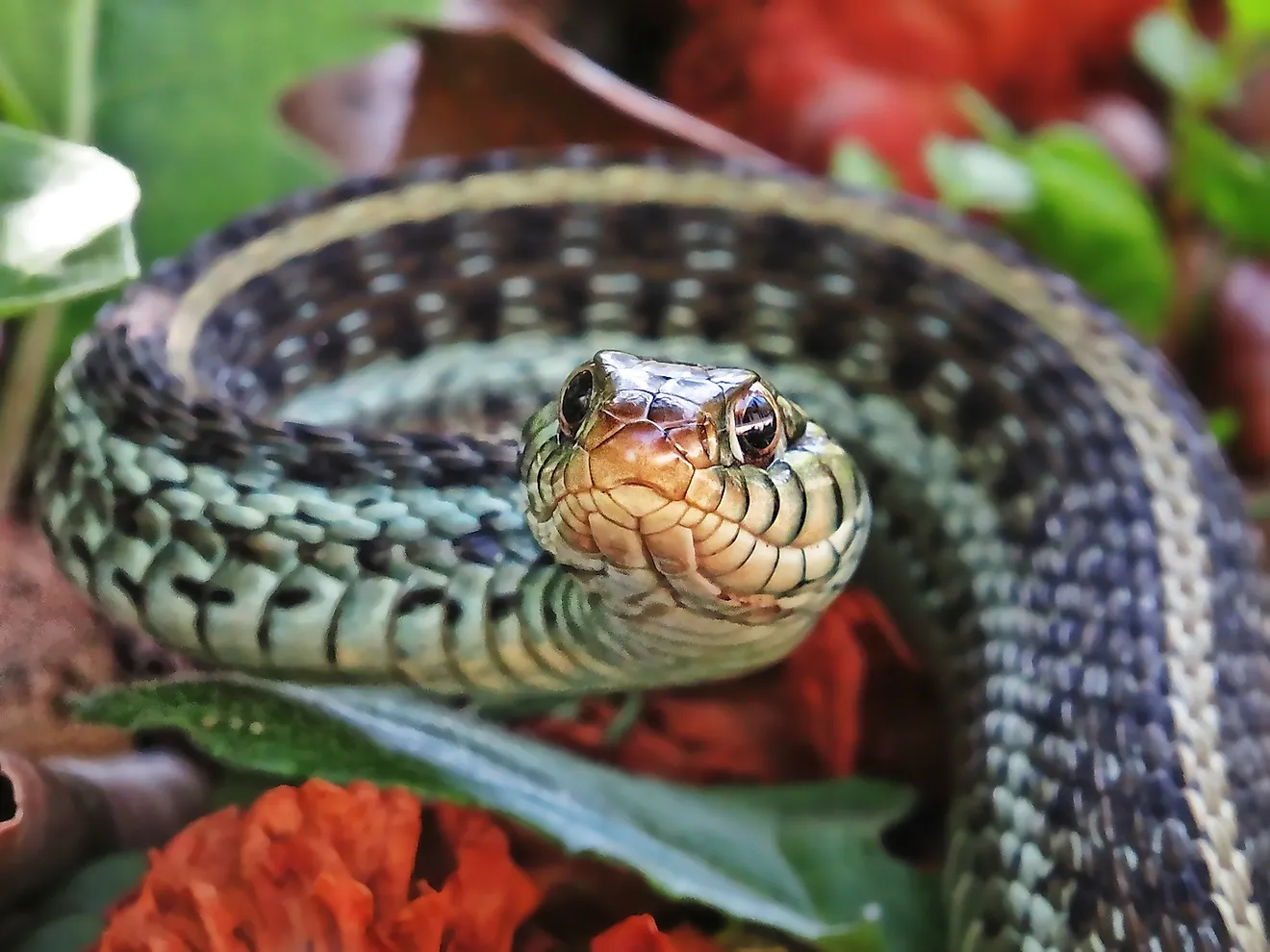
Five other reptiles share Yellowstone with the rattlesnake: the bullsnake, which is the largest of the six, the rubber boa, the sagebrush lizard, and the common and terrestrial gartersnakes. The sagebrush lizard is most common along the same lower stretch of the Yellowstone near Gardiner, but it also lives far higher, in Norris Geyser Basin, the Shoshone and Heart Lake geyser basins, and other hydrothermal areas. The rattlesnake is known only from the low ground. The Park Service has said glacial activity and today's cool, dry conditions likely explain the park's short reptile list, and across the Greater Yellowstone region, elevation and northern latitude allow for only one rattlesnake species.
Grand Teton National Park, to the south, has four reptiles, and none of its snakes is venomous. The Park Service says the park's cold climate limits the number of reptile species found there.
Yellowstone's rattlesnake country starts close enough to Gardiner that the old railroad bed leaving town runs through it all the way to the park boundary. Gardiner is in Montana, where the prairie rattlesnake is the only venomous snake among the state's 10 native species, and the park's rattlesnakes stay within a few miles of the town, on flats where greasewood and prickly pear grow in salty soil. A hiker finishing the Rescue Creek Trail drops 1,400 feet out of the forest onto those sagebrush flats at the Gardner River footbridge, a mile from the North Entrance, and steps into the lowest and driest corner of Yellowstone.