The National Parks That Were Stripped Of Their Status
National park designations in the United States are not always permanent. Since the late 19th century, several federally protected sites have lost their status through anything from congressional legislation to administrative changes, transfers to state governments, or changes in land use. Some were absorbed into larger national parks, while others were redesignated as wildlife refuges, recreation areas, or state parks. A few have lost federal protection altogether after their original conservation purposes became difficult to maintain. Regardless, these former nationally run parklands and monuments give interesting insight into how America's approach to protecting natural, historical, and geological landmarks has changed over time.
Mackinac National Park, Michigan (1875-1895)

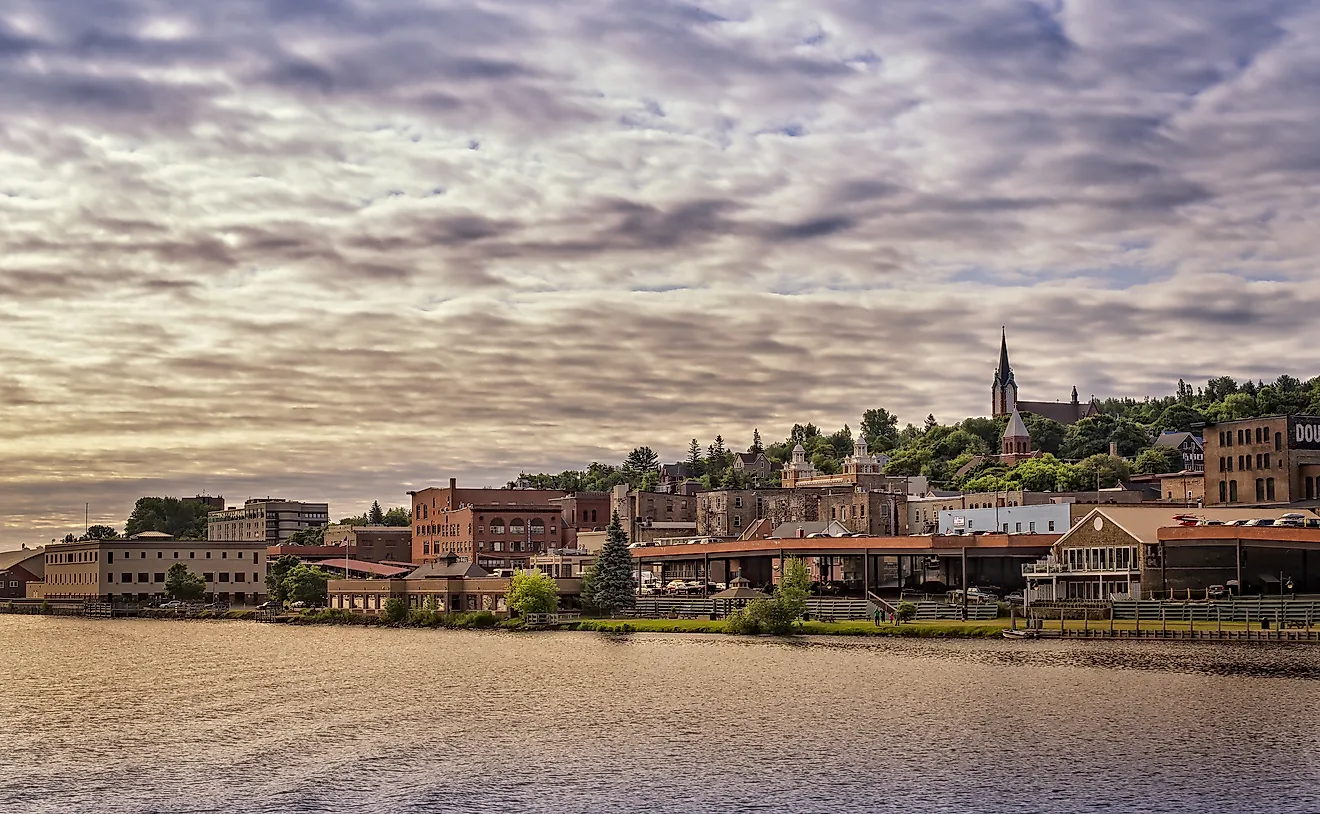
Mackinac National Park became America's second national park on March 3, 1875, just three years after Yellowstone. Established by President Ulysses S. Grant, it protected approximately 1,044 acres of Mackinac Island in Lake Huron, including several notable limestone formations, forests, and historic sites. Unlike modern national parks, Mackinac was administered by the U.S. Army, with soldiers stationed at Fort Mackinac responsible for maintaining its grounds.
The park lost its national designation in 1895 when the Army closed Fort Mackinac, leaving the federal government without personnel to manage the property. Rather than sell the land, Congress transferred it to the state of Michigan on the condition that it remain protected for public use. It later became "Mackinac Island State Park," Michigan's first state park. Today, it covers approximately 80% of the island, including landmarks like Arch Rock, Fort Mackinac, and more than 70 miles (113 km) of roads and trails.
General Grant National Park, California (1890-1940)

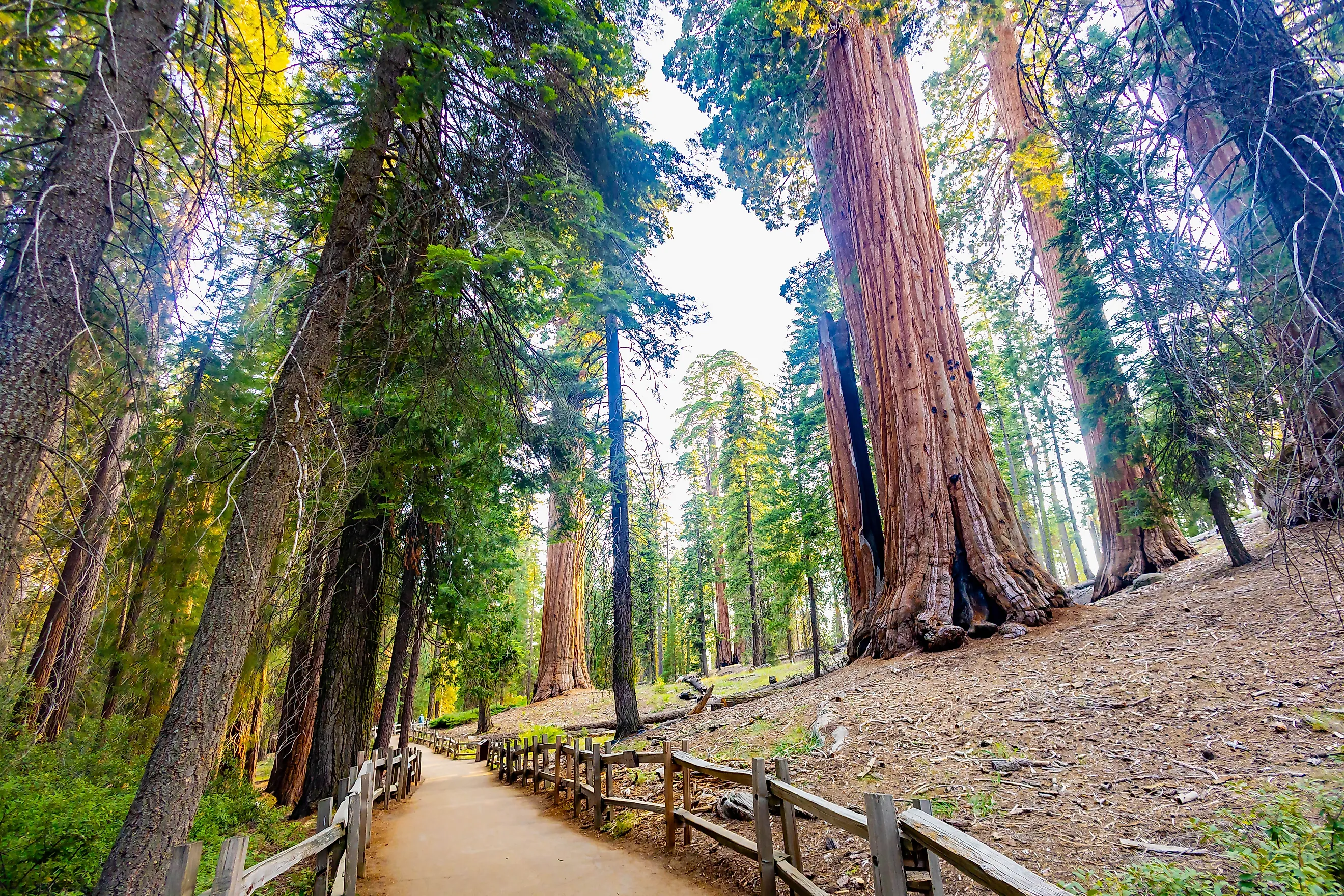
The General Grant Tree area in the Kings Canyon National Park.
Established on October 1, 1890, General Grant National Park watched over a relatively small section of California's Sierra Nevada, one that contained some of the world's largest giant sequoias. Covering 2,536 acres, it was named after the General Grant Tree, an enormous sequoia measuring over 268 feet (82 meters) tall.
The park was created primarily to protect these ancient trees from logging, which had already destroyed significant portions of the surrounding forests. But what mostly sets it apart from many other former national parks is the fact that General Grant did not lose its designation because of declining visitation or diminished natural significance. Instead, Congress abolished the park as a separate unit in 1940 and incorporated its territory into the newly established Kings Canyon National Park.
The former parkland is now part of Grant Grove, where you can still walk the General Grant Tree Trail and see the Fallen Monarch, a massive hollow sequoia trunk. The General Grant Tree was also designated the Nation's Christmas Tree in 1926.
Fossil Cycad National Monument, South Dakota (1922-1957)

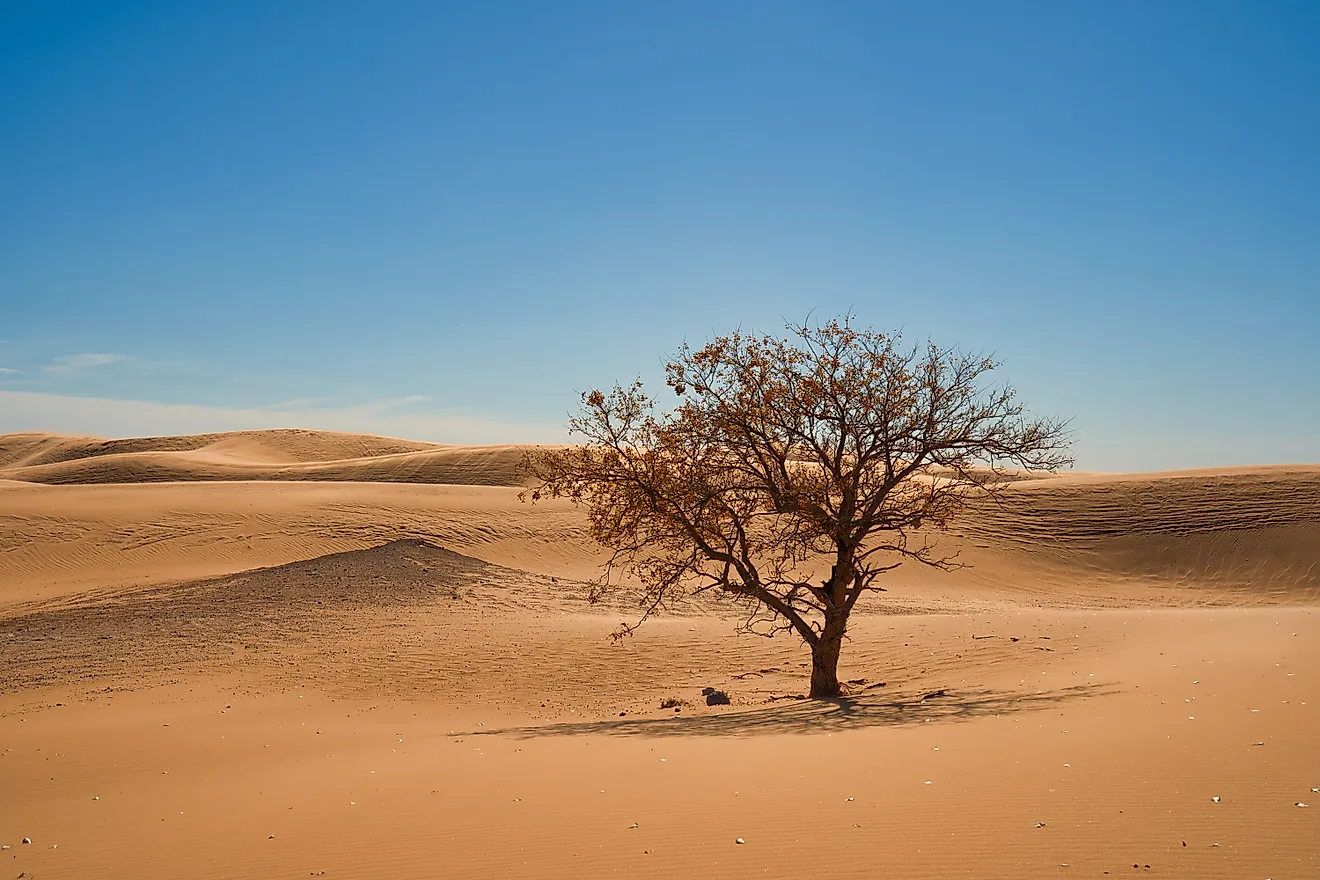
Fossil Cycad National Monument holds an unusual distinction in American conservation history, as it lost its protected status largely because the fossils it was created to preserve had disappeared. The 320-acre site in South Dakota's Black Hills contained an exceptional collection of fossilized cycadeoids, extinct plants dating back approximately 120 million years. Due to this, President Warren G. Harding designated the area a national monument in 1922 despite how extensive fossil collecting had already depleted much of its scientific value.
Museums, researchers, and private collectors removed thousands of specimens, leaving increasingly little for visitors to see. By the 1950s, virtually all exposed fossils were gone, and the National Park Service considered the monument no longer suitable for its original purpose. With that, Congress abolished its designation in 1956, with the change officially taking effect in 1957. Thankfully, the former monument later became an Area of Critical Environmental Concern in 2015, protecting remaining fossil deposits still buried beneath the surface.
Sullys Hill National Park, North Dakota (1904-1931)

Bison, elk, and white-tailed deer continue to roam the wooded hills and grasslands overlooking Devils Lake, where North Dakota once had its own national park. A well-known environmentalist, President Theodore Roosevelt established Sullys Hill National Park in 1904 on 960 acres of a former military reservation. Unlike Yellowstone or Yosemite, however, the park gradually developed into a more focused wildlife preserve rather than a destination focused primarily on sightseeing.
Federal officials introduced the bison, elk, and deer during the 1910s, while additional protections were established for breeding birds. This role in conservation eventually prompted Congress to transfer the property to the Department of Agriculture in 1931, ending its national park designation and creating what is now called Sullys Hill National Game Preserve.
The site was then renamed White Horse Hill National Game Preserve in 2019 to recognize its traditional Dakota name, and you're still able to venture around the preserve's various nature trails, observation points, and wildlife viewing areas along the southern shore of Devils Lake.
Platt National Park, Oklahoma (1906-1976)

Oklahoma once had a national park dedicated primarily to its mineral springs. Near the aptly named town of Sulphur, Platt National Park attracted tourists seeking the supposed therapeutic benefits of its mineral-rich waters, alongside the swimming, camping, and picnicking you'd normally get in other parklands too.
Its origins actually date back to 1902, when the federal government purchased land from the Chickasaw and Choctaw Nations to establish Sulphur Springs Reservation. The roughly 850-acre property became Platt National Park in 1906, named for Connecticut Senator Orville H. Platt. During the 1930s, Civilian Conservation Corps workers constructed much-needed infrastructure, namely stone bridges, spring pavilions, and recreational facilities that remain integral to the area's historic character.
Platt retained its national park designation until March 17, 1976, when Congress merged it with Arbuckle National Recreation Area to create Chickasaw National Recreation Area. The change expanded recreational offerings while keeping the original springs federally protected. Exploring the former park through the Platt Historic District continues to be possible, including Little Niagara Falls and Travertine Creek.
Shoshone Cavern National Monument, Wyoming (1909-1954)

High above the Shoshone River near Cody, Wyoming, a naturally formed limestone cave once attracted enough attention to receive federal protection from President William Howard Taft. Designated "Shoshone Cavern National Monument" in 1909, the 210-acre property contained underground chambers decorated with stalactites, stalagmites, and other mineral formations. However, reaching the cave required a difficult climb, and the National Park Service never fully developed it into a major tourist destination.
A rough automobile road was constructed in 1934, but improvements still failed to generate substantial visitation. Local officials eventually argued that Cody could manage the attraction more effectively on its own than the federal government. Congress then abolished the monument in 1954 and authorized its transfer to the city.
Tourism efforts remained somewhat unsuccessful, and Cody returned the property to federal ownership in 1977. Now known as "Spirit Mountain Cave," the site is managed by the Bureau of Land Management, with entry restricted to permitted visits.
Many of these Redesignated Parklands are Still Open for You to Enjoy
As you can see, the fate of these former national parks varied considerably. Mackinac became a state park, General Grant joined Kings Canyon, and Sullys Hill became a wildlife preserve. Others, including Fossil Cycad and Shoshone Cavern, faced more complicated futures. Although their original designations disappeared, most of these sites remain protected in some form, preserving important parts of America's natural heritage for you to enjoy and appreciate today.