The National Parks That Were Almost Never Protected
One thing that few know about National Parks is the struggle that many faced to become a national park. Another is how some did become national parks. But they later lost the status. Three that almost were never protected as National Parks are Grand Teton National Park in Wyoming, Grand Canyon National Park in Arizona, and Zion National Park in Utah. Three that lost their status are Sullys Hill National Park in North Dakota, Mackinac National Park in Michigan, and Platt National Park in Oklahoma.
Grand Teton National Park in Wyoming

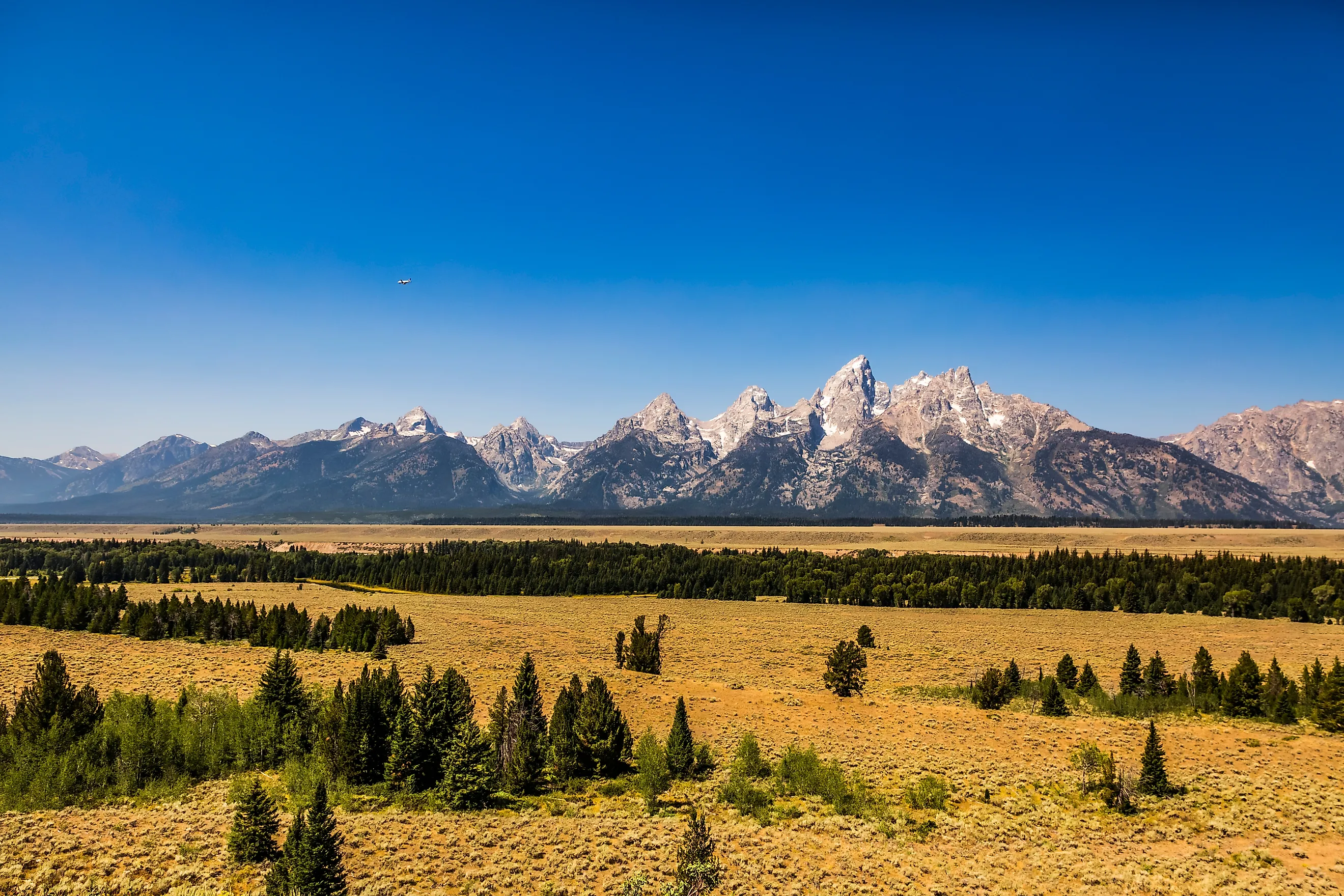
Not everyone embraces the idea of preserving land in a national park. It took 31 years of controversy before Grand Teton National Park became a reality. While many in the area loved the idea of conservation that federal control could provide, others feared potentially too much government interference in their recreational pursuits. The timeline to become a national park was long. First, as early as 1897, acting Yellowstone superintendent S.B.M. Young proposed extending the park south to protect the Tetons, though Congress did not act on it. That same year, President Grover Cleveland created the Teton Forest Reserve with 829,440 acres, a conservation measure that covered much of the land now within Grand Teton National Park. This area was expanded to 1,991,200 acres in 1908 by President Theodore Roosevelt. Next came President Woodrow Wilson's contribution. He placed veto power over development plans for 600,000 acres. In 1919, another attempt was made but while the bill cleared the House, it was defeated in the Senate. Continued issues regarding land usage and development concerns continued to pose a problem for a decade longer. Bill after bill failed. Finally, in 1929, Grand Teton National Park was established. Change came after that though. Rockefeller donated about 35,000 acres in 1949, and in 1950 those lands, the original 1929 park, and the 1943 Jackson Hole National Monument were consolidated into the present Grand Teton National Park. It will soon be this park's 100-year anniversary, so a visit in 2029 to Grand Teton National Park would be especially historic.
Grand Canyon National Park in Arizona

Grand Canyon National Park is 1,218,375 acres (1,904 square miles) and is home to more wildlife than you might imagine. For example, there are 91 species of mammals, 450 species of birds, and 1,443 species of invertebrates. It would seem an easy matter to get everyone on board to protect the Grand Canyon with all this diversity to defend, yet when Senator Benjamin Harrison tried to designate the land as federally protected in 1882, he got very little support. Other later bills in the 1910s also failed to make it a national park. This time, it wasn't as much the worry about government infringing on recreational endeavors as it was a battle with logging, mining, ranching, and territorial expansion interests. Conservation simply wasn't on the minds of enough people for the bills to gain any momentum. Even the government was more interested in western settlement and development than on preservation. It wasn't until February 26, 1919 that President Woodrow Wilson signed the bill, Senate Bill 390, that created Grand Canyon National Park. Prior to that, some protection had been afforded when President Harrison established the Grand Canyon Forest Reserve in 1893. In 1906, President Theodore Roosevelt also had a hand when he created the Grand Canyon Game Preserve and in 1908, he expanded it and designated it as a National Monument under the Antiquities Act.
Zion National Park in Utah
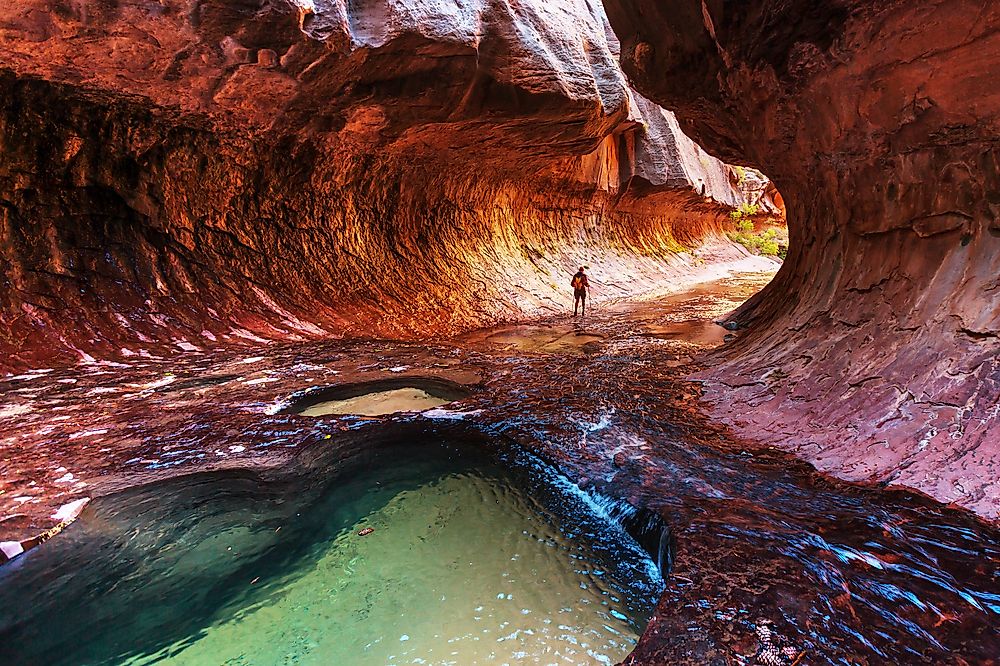
The challenges in creating Zion National Park went together with the challenges even establishing the National Park Service. Little was known at first why it might be necessary to protect certain areas of our country from commercial exploitation. Sometimes this meant taking things slowly, and in this case, the first step was getting President William Howard Taft to set aside 15,840 acres of the Little Zion Canyon in 1909 and designate it as Mukuntuweep National Monument. One of the challenges was accessibility. People understand preserving a park they can visit, but not so much if they can't get there. Surprisingly, the railroad was a key player when they developed an automotive route from Los Angeles to Salt Lake City, leaving the federal government only needing to build a five-mile road into the canyon. In 1918, President Woodrow Wilson extended the monument to 76,800 acres and changed the name to Zion National Monument. The next task was to elevate it to national park status. This was accomplished when in November 1919 Congress passed a bill by Senator Smoot establishing Zion National Park. It was dedicated on September 15, 1920.
Which Lost National Park Status?

There are three parks that unfortunately have lost their national park status. Namely Sullys Hill National Park in North Dakota, Mackinac National Park in Michigan, and Platt National Park in Oklahoma. Parks have lost their national park status for a range of reasons. Some were handed to state or other federal agencies, some were redesignated, and some were folded into larger units. Each of the three below followed its own path. Sullys Hill was first established in 1904, but it was a small site that never fit the national park standard, and in 1931 Congress transferred it to the Bureau of Biological Survey as a big game preserve. It became Sullys Hill National Game Preserve, known today as White Horse Hill National Game Preserve. Mackinac National Park was created in 1875 and was run by the U.S. Army from Fort Mackinac. When the Army closed the fort in 1895 as a cost-saving measure, no garrison remained to administer the park, so Congress transferred it to Michigan. It then became the Mackinac Island State Park instead. The park had stayed popular, so it was the fort's closure, not a lack of visitors, that ended its national park status. Platt was established as a national park in 1906 and was quite popular due to its mineral springs. Many things were attributed to its removal from national park status. In 1976, it was determined it didn't quite fit what many thought a national park should be. For one thing, it was quite small, just one square mile. It was surrounded by other recreational areas so it made more sense to pull it as a national park and merge it with the Arbuckle Recreation Area and create Chickasaw National Recreation Area. Thus, it was reclassified but still protected.
Keeping Vigilant
There is a definite fluidity when it comes to our cherished national parks. It is a complex issue as to what public land is chosen because of how many people can be affected, the costs involved, and the resources to be protected. One of the best ways to ensure your favorite national park remains protected is to visit it often and stay diligent about any pending changes so your voice can be heard. Had it not been for strong voices and huge sacrifices by both politicians and nonpoliticians, some of our national parks wouldn't exist. It has been many years since a national park lost its status, but vigilance is never a bad thing.