What Happens If A Wildfire Reaches A Giant Sequoia Grove
The question of what happens when a wildfire reaches a Giant Sequoia Grove has been answered in the past, and wildfires will continue to burn in the future. However, the results of what can happen when a wildfire reaches a Giant Sequoia Grove can vary. Near Sequoia and Kings Canyon National Parks in 2020 and 2021, large wildfires impacted Giant Sequoia Trees. From these fires, it is estimated that around 13 to 19 percent of the Sierra Nevada Giant Sequoia Tree population was killed. While these wildfires killed these trees, there are other wildfires that leave groves almost entirely unscathed. It is thanks to a combination of landscape, human intervention, and the trees themselves that can turn the tide on how wildfires impact a Giant Sequoia Grove.
Giant Sequoias

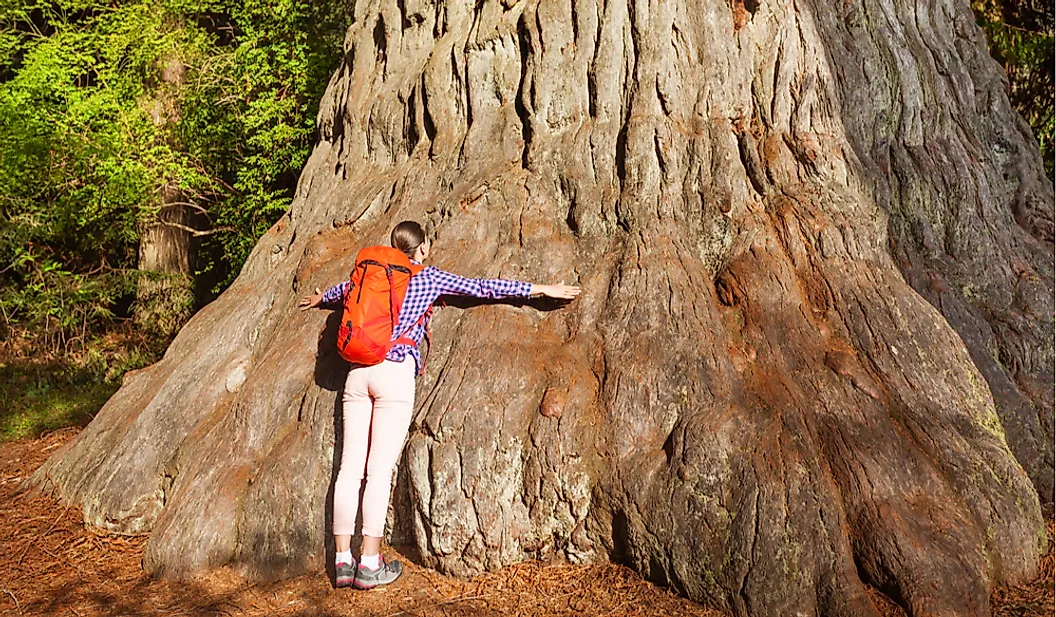
What are Giant Sequoia Trees? Giant Sequoia trees are the largest trees in the world that people visiting the United States National Parks have the opportunity to gaze at. The three National Parks they can be found in are Kings Canyon, Sequoia, and Yosemite. While standing beneath one of these trees, even the tallest of people can feel small. The oldest Giant Sequoias can reach ages up to 3,400 years, and they can grow to heights of about 250 to 300 feet.
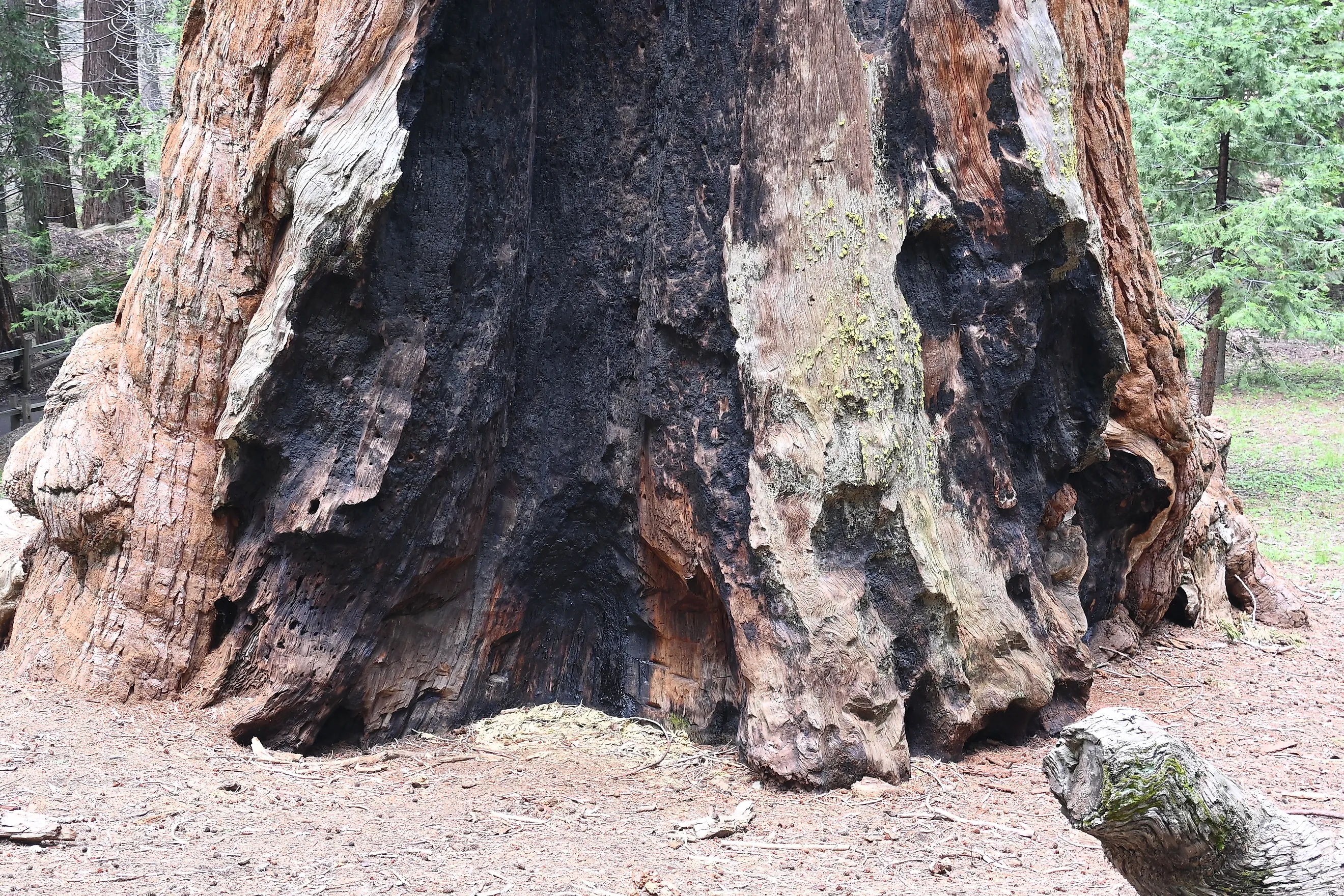
Giant Sequoias often face the threat of fire, and some even have fire scars on their tree rings that date back 2,000 years. These trees have faced fire in the region so frequently that they are adapted to periodic fires. The bark of the Sequoias can be up to 18 inches thick and fibrous, so it is able to not just protect the tree from the fire but also from the generated heat. This adaptation has saved many trees from wildfires.
Kings Canyon National Park

Wildfires have occurred in recent history in Kings Canyon National Park and have affected the Sequoia Groves. In July 2015, lightning sparked the Rough Fire that burned into old-growth Sequoias in Kings Canyon National Park. Luckily, due to prescribed burns in the past, the fire was not as severe. However, trees outside of the prescribed burn area were affected by the fire. Due to this fire, 27 large Sequoias were killed in the National Park in Grant Grove.
Sequoia National Park

Wildfires have also occurred in Sequoia National Park. On August 19, 2020, a fire dubbed the Castle Fire was caused by a lightning strike and started in Sequoia National Forest and then spread to burn in the southern portion of Sequoia National Park. This fire burned 12 giant Sequoia groves. The groves that were located on the drier southern side faced a large death of Sequoias. Meanwhile, in the wetter northern groves, the fire was not as severe. After the fire was contained, it was estimated to have burned 171,000 acres, and around 369 large Sequoias within Sequoia National Park were destroyed.
In Sequoia National Park on September 9, 2021, lightning is believed to have ignited three fires. While one of these fires was contained, the other two managed to rage, and then by September 17, they merged into one large fire. It took until December 16 for the fire to become fully contained. The fire had burned 16 Sequoia groves, and an estimated 1,330 to 2,380 large Sequoias had been killed or would die within the next three to five years.
Yosemite National Park

Yosemite National Park has had a long history with fire. In fact, prescribed burns have been a part of Yosemite's history for centuries. People native to the area had set fires to promote the growth of plant life, but when Euro-Americans began living in the Yosemite area in the 1850s, these practices stopped. However, in stopping the prescribed burns, this raised the risk of a larger, more dangerous fire occurring. Because of this, in the 1970s, prescribed burns were reestablished.
In 2022, the Washburn fire began burning in California, but due to the prescribed burns in the area, the Mariposa Grove of Sequoias in Yosemite was spared. This was because the prescribed burns done in the past cleared much of the fuel that the fire needed to spread.
Fire Benefits
It may be difficult to believe, but fire can prove to be a benefit to Sequoia Trees. A benefit that fire brings is that it prepares the soil for Sequoia seeds to germinate, helping to pave the path for new life through the fires' destruction. This is why prescribed fires are used so that young trees can grow.
Another large benefit of prescribed burns that has been demonstrated with the recent wildfires is that these smaller burns can protect Sequoia Groves from larger, more dangerous fires. With prescribed burns clearing debris that would have fueled a wildfire, the Sequoias' already natural resistance can stand a better chance at survival when a wildfire rages unexpectedly. In fact, a study funded by NASA revealed that Giant Sequoias were nearly four times more likely to survive extreme wildfires where prescribed burns occurred.
Wildfires in Sequoia Groves
Wildfires are a part of nature. However, wildfire activity has more than doubled worldwide. This is thought to be due to several factors, including climate change. As temperatures get hotter and wildfires become more prevalent, it is more important now for continued efforts to protect our National Parks and the Sequoia Groves within them. While the trees are sturdy enough to survive smaller fires, large hot wildfires have and can continue to cause a massive loss of Sequoia trees. With care and prescribed burns, the National Park Service can continue to protect these trees for future visitors to be able to admire for years to come.