Are Some Of The Earth's Glaciers Actually Becoming Larger?
A glacier is a slow-moving river of ice, and like any block of ice it shrinks when the surrounding air stays above freezing. That sensitivity makes glaciers among the clearest indicators of a warming climate, the canaries in the coal mine that scientists watch most closely. The overwhelming majority are now retreating, on the order of 90 percent worldwide, with the loss running fastest across the Arctic. A small number spent recent decades doing the opposite, holding steady or even advancing. In almost every case the cause was not cooling but extra snow.
A warmer atmosphere holds more moisture, and where that moisture fell as winter snow it could pile up faster than the summer melted it. That is also how a glacier forms in the first place: snow survives the summer year after year until its own weight presses it into ice that flows downhill. For a while, a handful of glaciers gained more snow at the top than they lost at the snout, and they grew.
Those gains were never built to last, and for several of the glaciers below they already haven't. Mount Shasta's ice expanded into the 2000s and has since reversed into steep retreat. Argentina's Perito Moreno held its ground for fifty years before tipping into rapid thinning after 2019. Even the Karakoram, the one region that genuinely defied the global trend, is beginning to fade. A few advancers do remain, for reasons that owe more to their size and shape than to the weather, and here is where each one stands today.
Mount Shasta, California

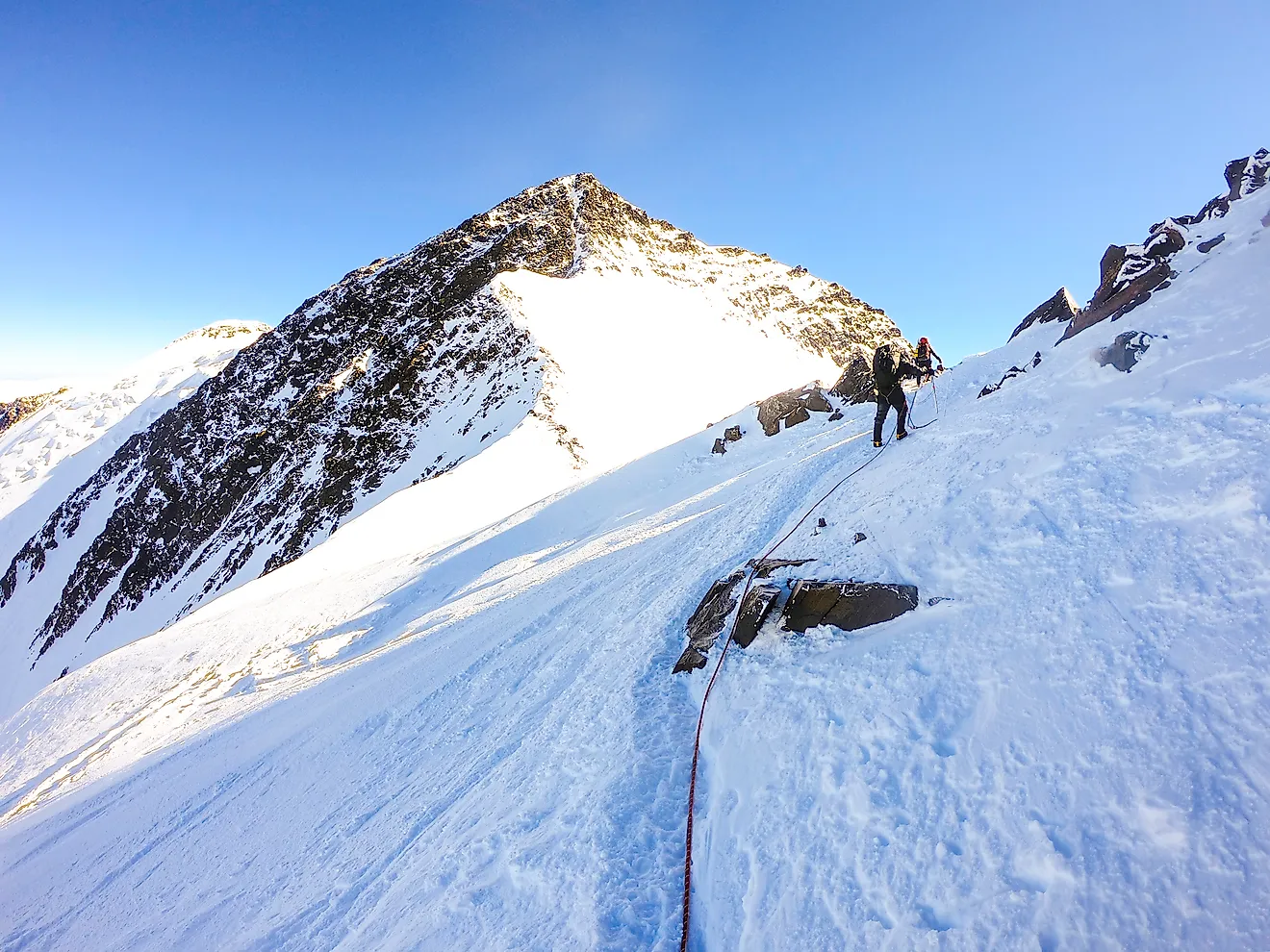
Mount Shasta rises 14,179 feet (4,322 meters) as the second-highest peak in the Cascade Range and the fifth-highest in California, a large stratovolcano carrying seven named glaciers. In 2002, the first detailed survey in half a century found something remarkable: all seven had grown since 1951, with the Hotlum and Wintun glaciers nearly doubling. The same Pacific moisture that feeds the coastal redwoods was reaching the mountain as roughly 40 percent more snowfall than melted off it each year.
That era is over. Since the mid-2010s, drought and rising summer temperatures have flipped the trend hard. The Whitney Glacier, the longest in California, has lost roughly a quarter to half of its length since 2005 and has begun separating into pieces. Glaciologists who once cited Shasta as the exception now track it as one more mountain losing its ice. The growth was real but temporary, exactly as the original researchers cautioned it might be.
Mount St. Helens, Washington

Mount St. Helens is best known for the eruption of May 18, 1980, which blew about 1,300 feet off its summit and left a mile-wide crater open to the north. What grew inside that crater is the surprise. Snow avalanching off the steep crater walls collected on the shaded floor, shielded from the volcano's heat by a thick layer of rock and ash, and slowly compacted into ice.
The result, officially named Crater Glacier in 2006, is one of the youngest glaciers on Earth. It has since wrapped almost entirely around the lava domes that have built up since the eruption. What sustains it is not heavy snowfall, since St. Helens gets less than neighboring Rainier, but shade, insulating debris, and a steady supply of avalanche snow. Unlike Shasta's ice, it owes its existence to a sheltered setting rather than to the climate.
Hubbard Glacier, Alaska

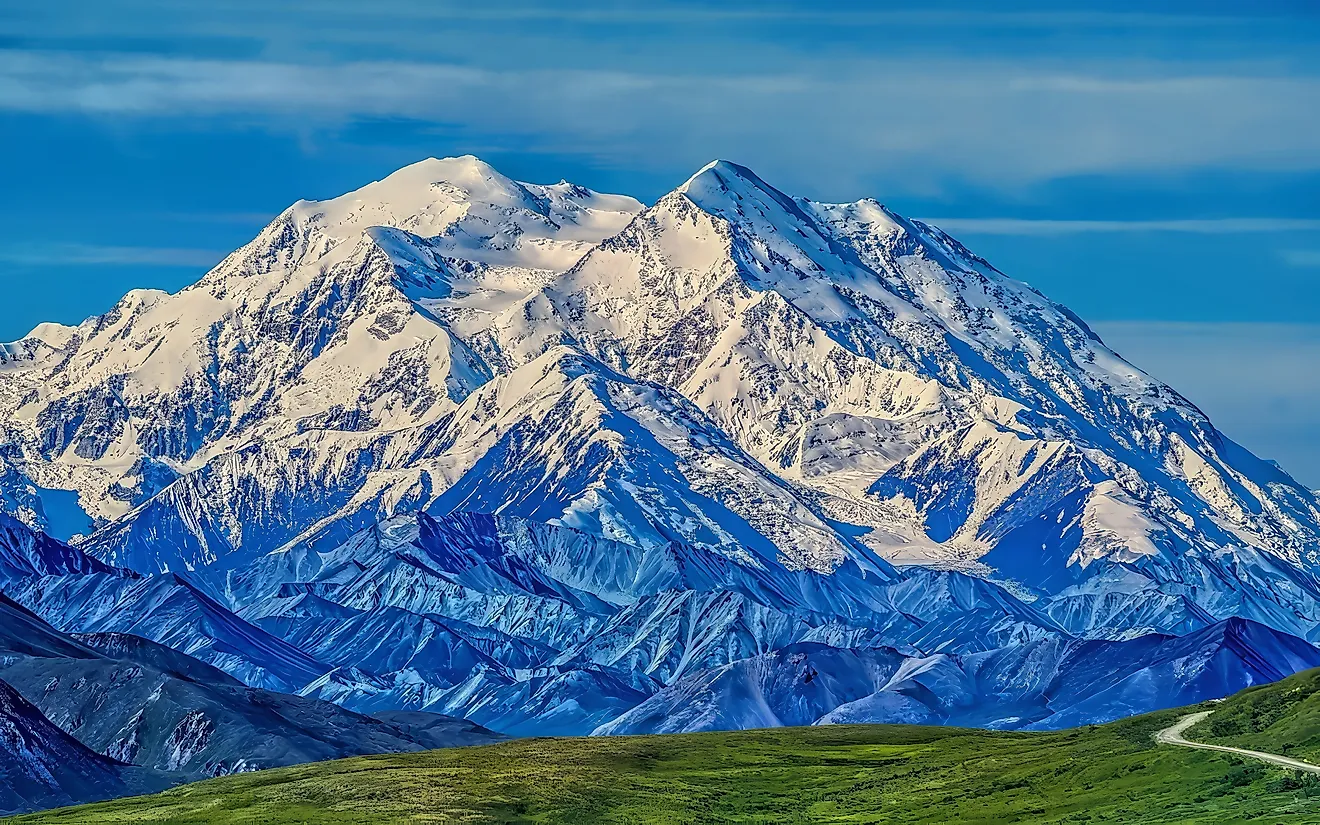
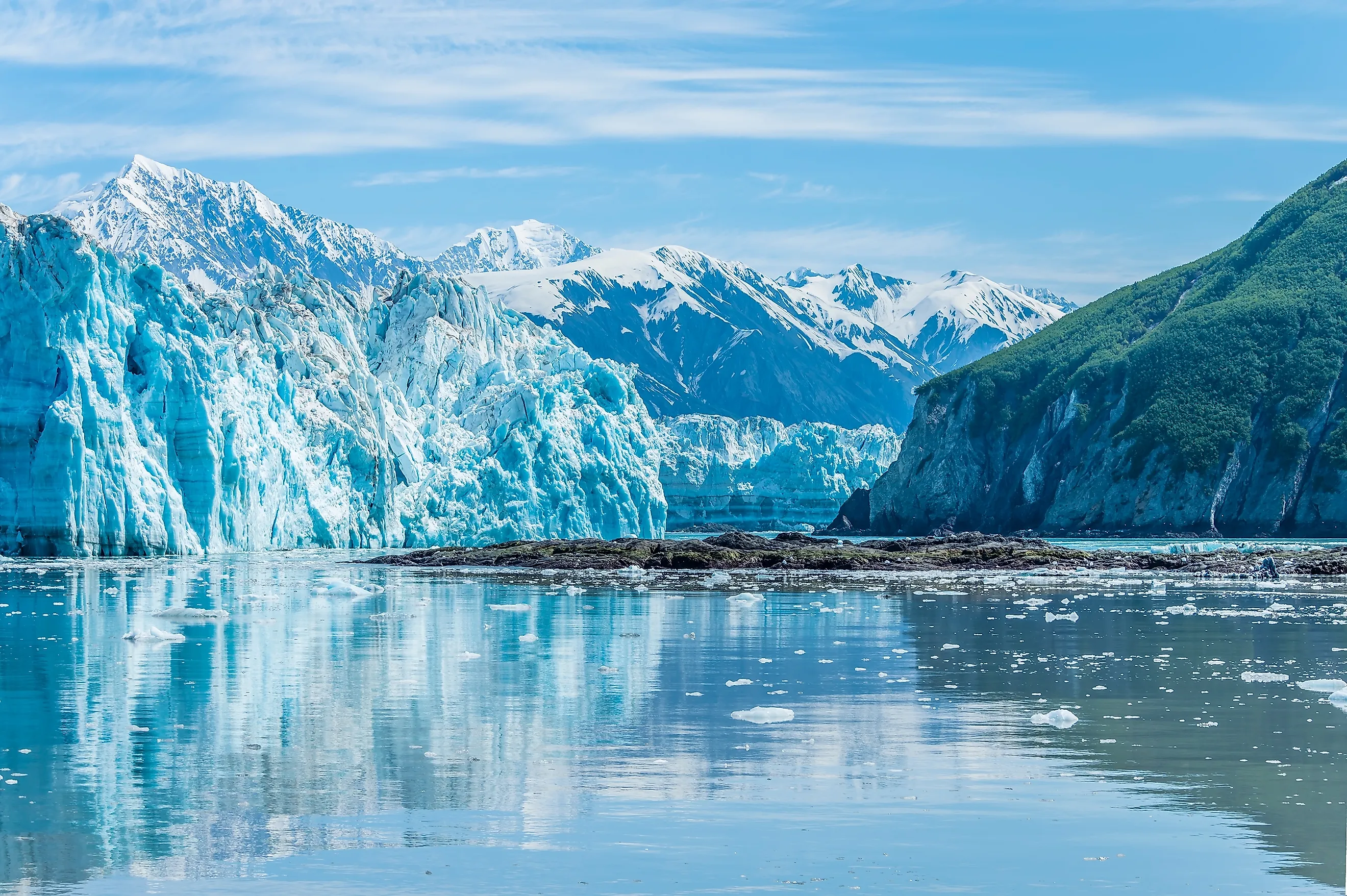
Hubbard Glacier flows roughly 76 miles out of the Saint Elias Mountains into Disenchantment Bay, near Yakutat in the United States, and is the largest tidewater glacier in North America. It has been thickening and advancing since measurements began in 1895, which makes it a genuine outlier. The reason is its enormous accumulation basin reaching far up into the mountains. So much snow feeds the upper glacier that the terminus keeps pushing seaward even while neighboring glaciers retreat.
Twice that advance has shoved a dam of sediment across the mouth of Russell Fjord, in 1986 and again in 2002, turning the fjord into a rising lake before the ice dam failed and released it in one of the largest glacial outburst floods on record. The 1986 closure raised the trapped lake about 82 feet (25 meters) before it broke. A future closure could flood the salmon streams around Yakutat, which is why the glacier is monitored so closely. Its advance, though, is driven by ice dynamics rather than climate, and tidewater glaciers like it make poor barometers of either.
Brüggen And Perito Moreno Glaciers, Patagonia

The Southern Patagonian Icefield is losing ice overall, but two of its largest glaciers long stood apart. Brüggen, also called Pío XI, is the case that still holds. At about 41 miles (66 kilometers) it is the longest glacier in the Southern Hemisphere outside Antarctica, the main western outflow of the icefield, and it continues to advance.
Perito Moreno, roughly 19 miles long on the Argentine side within Los Glaciares National Park, was the more famous example. For about fifty years the "White Giant" held its position, advancing across Lago Argentino fast enough, around two meters a day, to periodically dam one arm of the lake and rupture it again in front of crowds at the viewing platforms. That stability ended after 2019. A 2025 study found its thinning rate had jumped more than sixteenfold and its front had pulled back over 800 meters, concluding the glacier had passed a turning point into rapid and likely irreversible retreat.
The Karakoram, Pakistan, India, And China

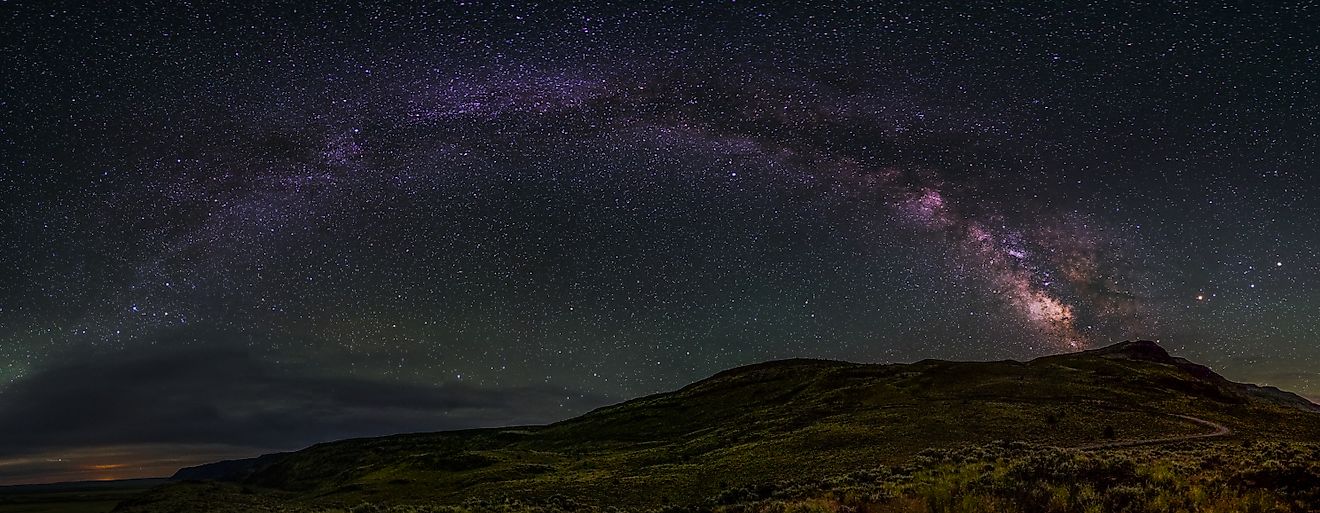
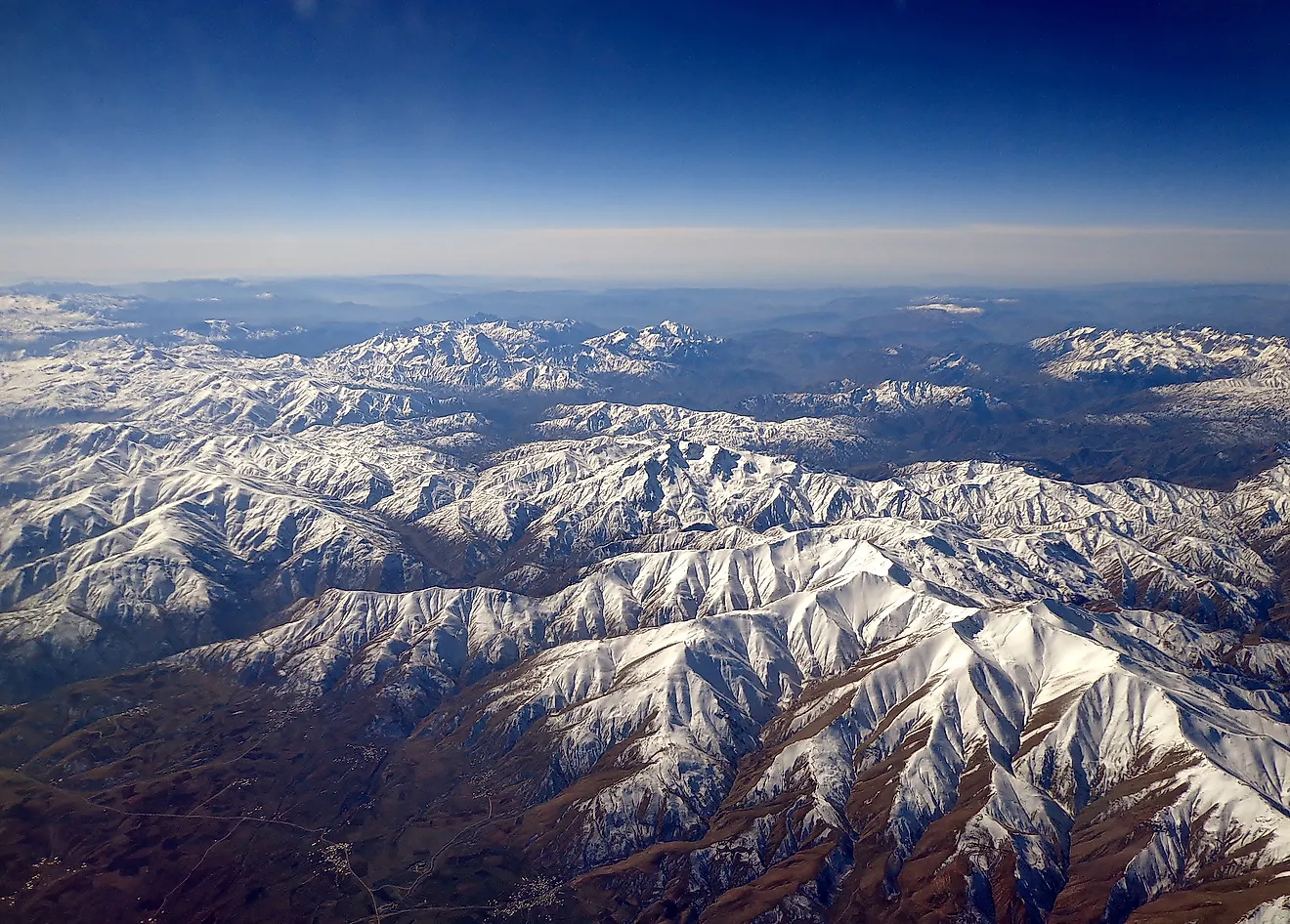
The Karakoram is the most heavily glaciated place on Earth outside the polar regions, with more than 13,000 glaciers covering over 20,000 square kilometers across the range that straddles Pakistan, India, and China. For years it was the clearest exception to global glacier loss. While the neighboring Himalaya thinned, Karakoram glaciers held steady or even gained mass, a pattern researchers named the Karakoram anomaly and tied to heavy winter snowfall and cooler summers.
The range still holds extraordinary ice. Siachen, at about 47 miles, is among the longest glaciers outside the poles, and these mountains pack in more peaks above 8,000 meters than anywhere else, crowned by K2. But the anomaly is fading. Recent satellite studies show the Karakoram tipping into measurable mass loss between 2018 and 2023, with the last pocket of stability shifting east into the neighboring Kunlun. Here too, the warming is catching up.
Will Any Of Them Keep Growing?
The honest answer is a few, for a while. Hubbard and Brüggen should keep advancing as long as their size and tidewater dynamics outrun the warming, because those advances were never really about temperature in the first place. The snowfall-driven gains were always the fragile ones, and Shasta, Perito Moreno, and the Karakoram show how fast they reverse once heat wins out. The 2015 Paris Agreement, signed by 195 nations, set the framework for cutting the emissions behind that heat, and the European Union has since raised its own 2030 target to at least 55 percent below 1990 levels. Whether any of that arrives in time to save these particular glaciers is the open question. For now a handful are still growing, but the trend they sit inside runs hard the other way.