How Are Canyons Formed?
- A canyon is a deep cleft between escarpments or cliffs, often formed by rivers, weathering, erosion or tectonic activity.
- Smaller, steeper valleys of similar appearance to canyons are called gorges.
- The Grand Canyon is being eroded deeper at a rate of 1 foot every 200 years
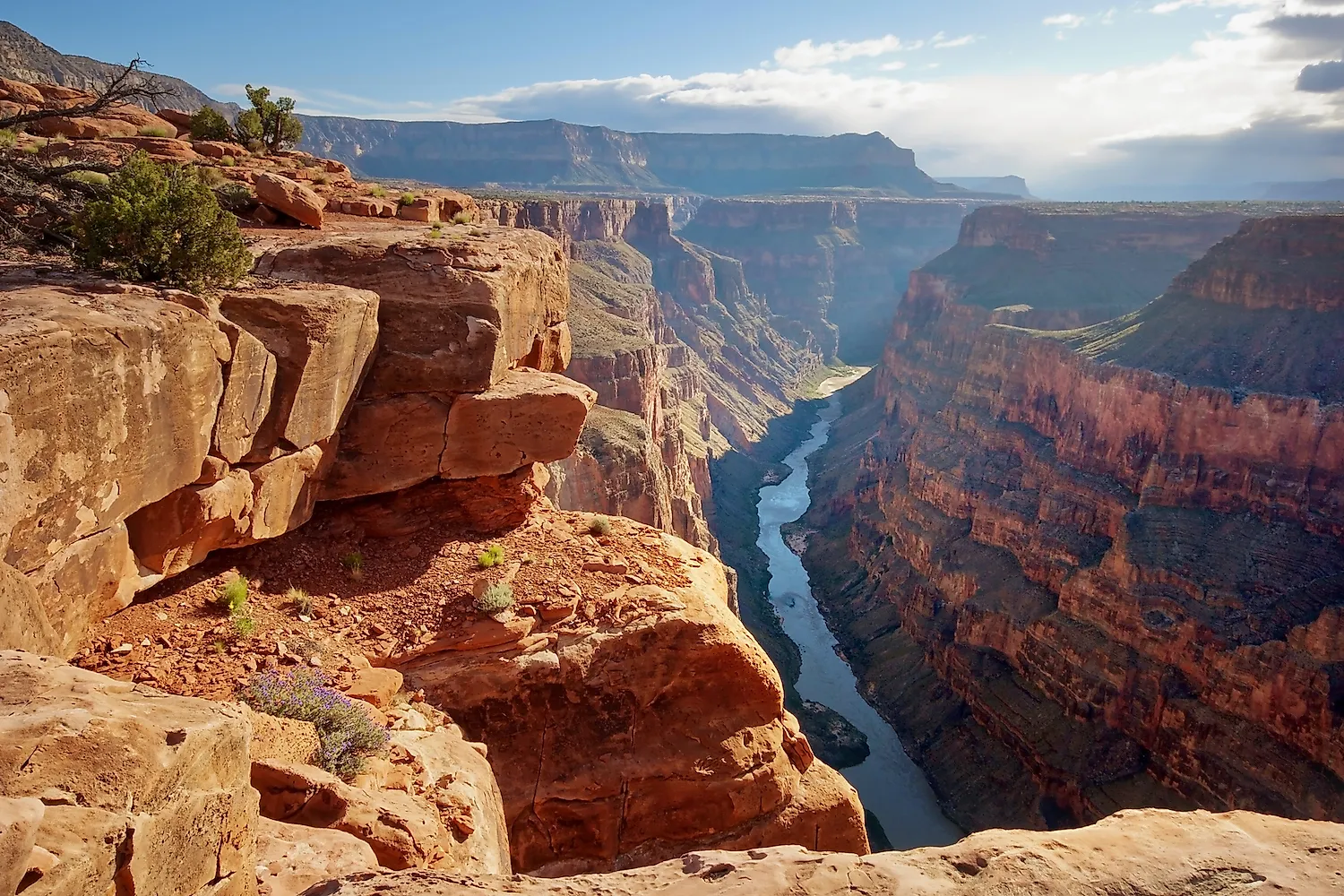
A canyon is one of those landscapes nobody forgets: sheer cliff walls dropping away into a deep, narrow valley. Few are as famous as the Grand Canyon in the US state of Arizona, which covers nearly 2,000 square miles. It runs about 277 miles long, stretches up to 18 miles across at its widest, and drops more than a mile straight down in places.
So how does a river, given enough time, saw a hole that deep into solid rock? The answer is mostly water, patience, and a little help from the planet itself.
Where The Word Canyon Comes From
The word canyon comes from the Spanish cañon, meaning tube or pipe, which fits neatly: a canyon is essentially a channel that running water has drilled into the ground. Over thousands, even millions, of years, a river erodes and cuts down into its own bed, deepening the groove until the walls tower overhead. Very narrow, steep versions of the same feature are often called gorges, a term best saved for the tighter valleys that are deeper than they are wide.
How Most Canyons Are Carved

The biggest and most famous canyons are almost all the work of moving water. It happens most often in arid and semiarid country, where rivers are fed by rain and snowmelt draining in from wetter highlands upstream. Dry land is actually the key. With little rainfall to weather and soften the canyon walls, the sides stay steep and angular while the river keeps knifing downward through the center.
The river does two jobs at once. It grinds into the rock beneath it, and it hauls the loosened sediment downstream, leaving behind the deep, narrow channel a canyon is known for. How far down it can cut comes down to base level, the elevation of whatever the river finally drains into, usually the sea. When a river's headwaters sit far higher than its mouth, the water has a long way to fall and carves hard getting there. The rock keeps wearing away until the riverbed nears that base level and the cutting slows.
Southeastern Tibet's Yarlung Tsangpo Grand Canyon shows what a few million years of this can do. Carved by the Yarlung Tsangpo River and steepened by the tectonic uplift of the Himalayas, it is the deepest canyon on Earth, plunging roughly 19,714 feet (6,009 m) at its lowest point and running about 313 miles (505 km) long, deeper and longer than the Grand Canyon. Not every canyon still holds a river, either; plenty run bone dry.
Other Ways Canyons Take Shape

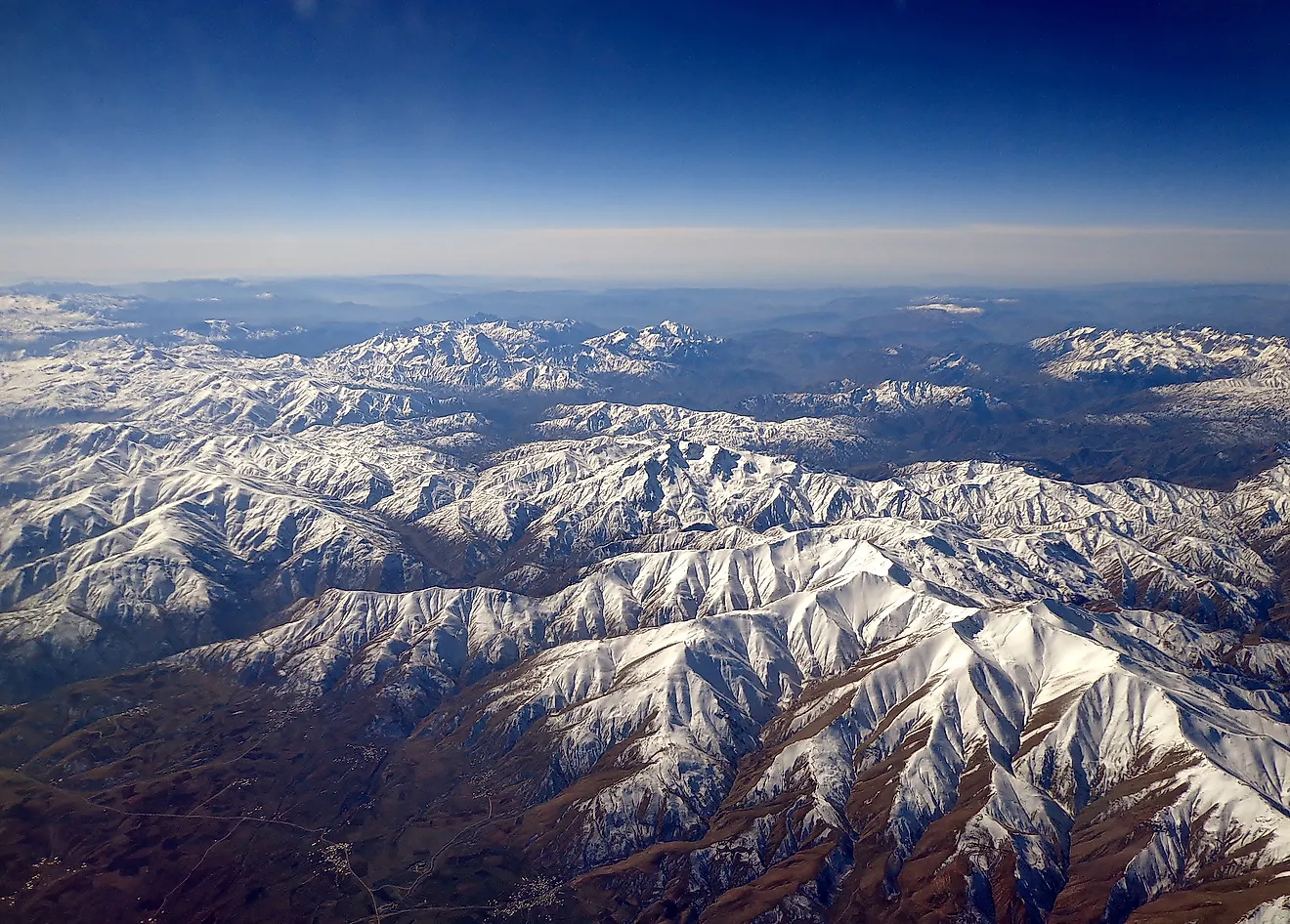
Water is not the only sculptor. Some canyons open as splits between mountain peaks, the kind that thread through the Rocky Mountains, the Alps, and the Himalayas, where a river or stream usually does the final carving between the summits. A canyon walled on three sides, with just one way in and out, is called a box canyon.
Others hide underwater. Submarine canyons cut across the continental shelf and down the continental slope, entirely out of sight beneath the ocean. Many began as ordinary river canyons during past ice ages, when sea level sat hundreds of feet lower and rivers ran across land that is now seabed. Their deeper reaches stay carved by turbidity currents, dense sediment-choked flows that periodically avalanche down the slope like underwater landslides.

Weathering widens what water begins. Rain seeps into cracks in the rock, and where it freezes it expands as ice and pries those cracks wider, a process called frost wedging; heavy rains then wash the loosened debris away. As the rock crumbles and sloughs off, a canyon often ends up wider at the rim than at the floor. Concentrate that process in a tight channel and you get a slot canyon, sometimes under three feet wide but hundreds of feet deep.
Finally, the ground itself can do the lifting. Where tectonic plates collide, they shove whole landmasses upward, and rivers then slice down through the raised rock to open new canyons. The Grand Canyon is the classic case: the Colorado River did the cutting, but only after the land it crosses was hoisted high enough to give the water something to bite into.
It Comes Down To Water, Rock, And Time
Strip away the variety and every canyon tells the same story: a difference in elevation, a steady supply of water or ice, and enough time for erosion to win. Give a river a steep enough drop and a few million years, and it will carve a valley deep enough to swallow a mountain. The Grand Canyon, and the far deeper Yarlung Tsangpo, are simply the most dramatic receipts for that slow, relentless arithmetic.