Tears Of The Turtle Is America's Deepest Limestone Cave
Somewhere beneath Turtlehead Mountain, deep in Montana's Bob Marshall Wilderness, a fissure in the rock often no wider than two or three feet drops nearly half a mile straight into the dark. This is Tears of the Turtle, the deepest known limestone cave in the United States. As of the most recent full expedition, in 2024, cavers had followed it down to 2,477 feet (755 meters) below the surface and traced its length to about 1.88 miles (3,030 meters). Here is the catch, though: nobody actually knows how deep it goes. Every time a team thinks it has reached the end, the cave keeps dropping. So how far down does it really run? Let's climb in and find out.
Where On Earth Is It?

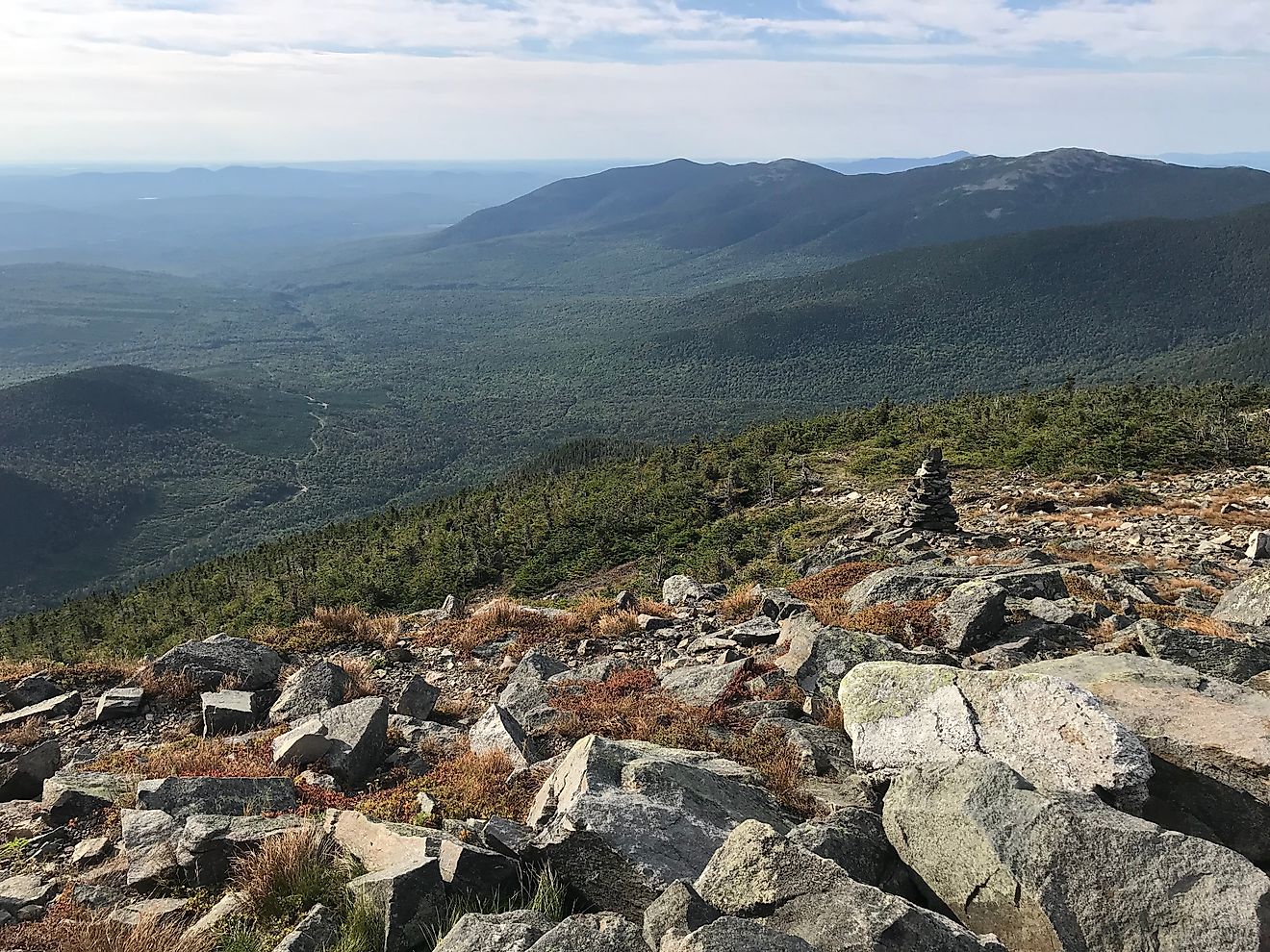
Tears of the Turtle sits near the foot of Turtlehead Mountain, right in the heart of the Bob Marshall Wilderness in western Montana. The Bob, as locals call it, covers roughly a million acres (about 4,000 square kilometers) of peaks, meadows, and river valleys, with summits between about 3,900 and 9,000 feet (1,200 to 2,750 meters). The cave's entrance opens near the lower end of that range, one of more than twenty caves the region hides around Turtlehead Mountain. The opening itself is tiny, a slot roughly two to three feet (24 to 36 inches) across that you could walk right past without noticing.

Getting to that entrance is its own expedition. There are no roads, no marked trailheads, and no cell service anywhere close. The nearest community, Condon, sits about twenty miles away through raw backcountry, and reaching the cave means a long hike, usually with horses or mules hauling the gear. When the 2024 team finished, they packed out partway by animal and then floated the rest of the way down the South Fork of the Flathead River. That kind of remoteness is a big reason the cave sees no tourists and only a tiny handful of visitors in any given year.
The Long Hunt For The Bottom

Jason Ballensky and Hans Bodenhamer found the narrow entrance in 2006, and almost every trip since has been driven by the same question: where does it end? The early years were humbling. Single-day trips could only reach about 400 feet (120 meters) before cavers ran out of time and had to turn back. The real breakthrough came in 2014, when Ballensky led the first multi-day expedition, nine cavers hauling ropes and packs down through the squeezes. After 72 grueling hours underground, they reached roughly 1,629 feet (497 meters), edging past New Mexico's Lechuguilla Cave and its 1,604-foot mark to make Tears of the Turtle the deepest known limestone cave in the country. Then the trip ended the way so many do here, at an impassable, water-filled dead end.

But the cave kept teasing them deeper. Expeditions in 2016 and 2019 pushed the record further still, and by August 2022 the team had reached about 2,052 feet (625 meters), stopping only when the way forward disappeared under water at a spot they nicknamed Camp Dangle. On the 2024 trip, they came back for a hole they had spotted in the wall above that flooded sump, rigged their ropes, and climbed into a high, dry passage no one had ever set foot in. That is how the cave reached its current known depth of 2,477 feet (755 meters), down roughly 50 rope drops from the surface. And even then, they still had not found the bottom.
A Cave That Never Warms Up
One thing never changes down there: the cold. Tears of the Turtle holds a mean temperature of about 37 F (3 C) year-round, and it does not care what the calendar says. Up on the surface, the Bob Marshall swings between roughly 12 F and 82 F (-11 C to 28 C) across the seasons, but deep in the rock the air sits just above freezing every single day. Cavers spend up to three days at a stretch soaked, muddy, and chilled to the bone, which is exactly as miserable as it sounds, and one more reason so few people ever make the trip.
How The Cave Even Formed
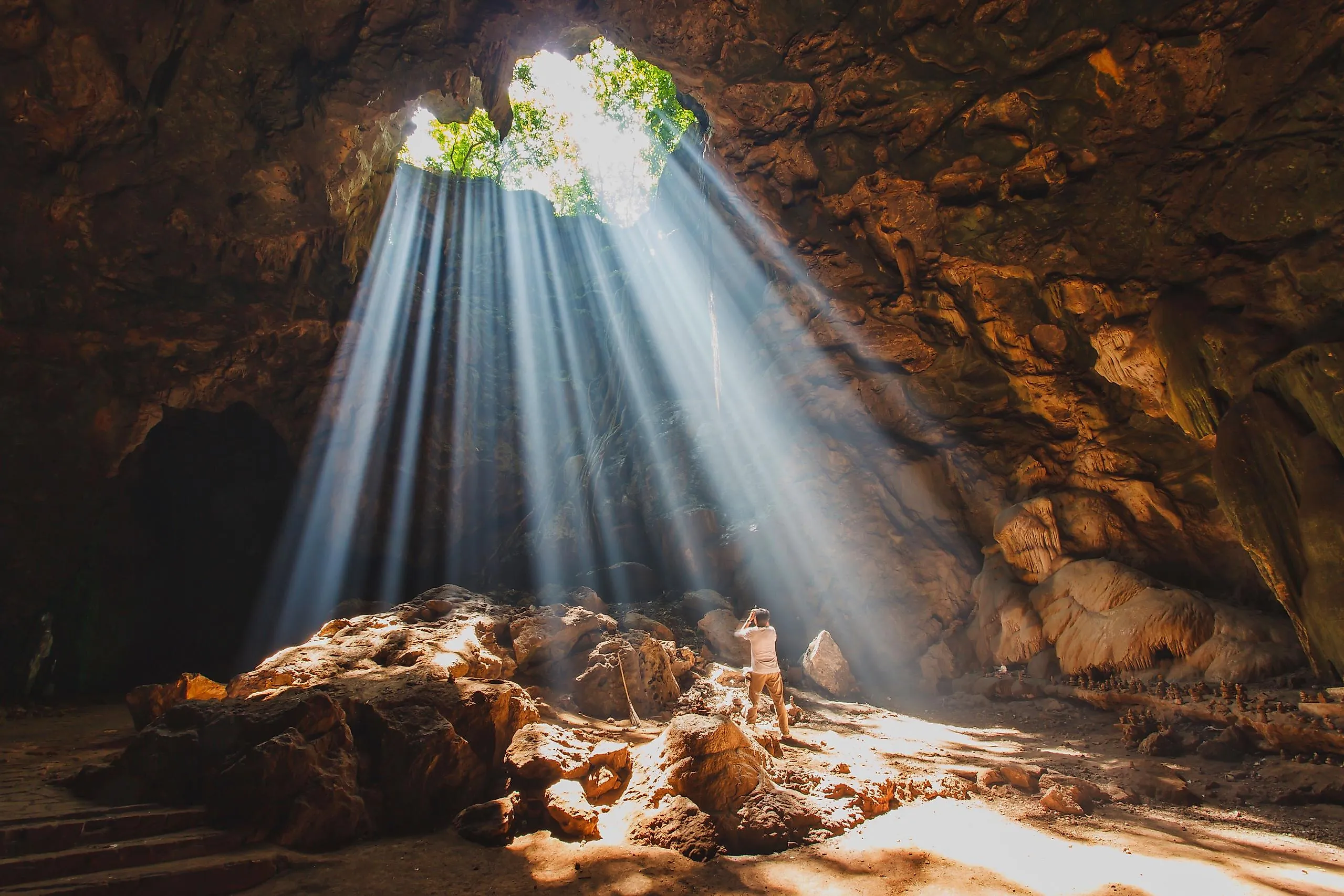
So why is there a half-mile fissure under this one mountain? The rock is the answer. Tears of the Turtle formed in Cambrian Pagoda limestone, part of a classic karst landscape, the kind of soluble stone that slowly dissolves under water to create caves, sinkholes, and hidden passages. For hundreds of thousands of years, rain and snowmelt trickled down through the bedding planes, eating away the limestone grain by grain until they carved out the thin, vertical slot cavers wriggle through today. Do not expect the dripping stalactites or glittering chambers of a show cave, though. Tears of the Turtle is famously plain, a cold, muddy, seemingly endless crack, although the limestone does preserve the fossils of trilobites from a time when this rock lay at the bottom of an ancient sea.
So, Can You Actually Visit?

For almost everyone, the honest answer is no. There are no tours, no walkways, and no public access of any kind. Exploration runs through the Caves of Montana Project, an official project of the National Speleological Society, under an agreement with the US Forest Service, and even permitted teams are kept small. Reaching the bottom means days underground, dozens of rope drops, and squeezing through gaps two to three feet wide while cold mud coats everything you carry. This is the domain of seasoned, technical cavers, and even they describe it as brutal.
And yet they keep going back. The next expedition is planned for 2026, and the cavers who know the rock best believe there is more cave waiting below, perhaps another 200 feet or so, following a downward fold in the ancient limestone. For years, people liked to point out that more humans had stood on the surface of the moon than had ever reached the bottom of Tears of the Turtle. Whether or not that is still true, the pull of the place has not changed. Somewhere down in that cold Montana dark, the deepest limestone cave in America is still asking the same question it always has: just how much deeper does it go?