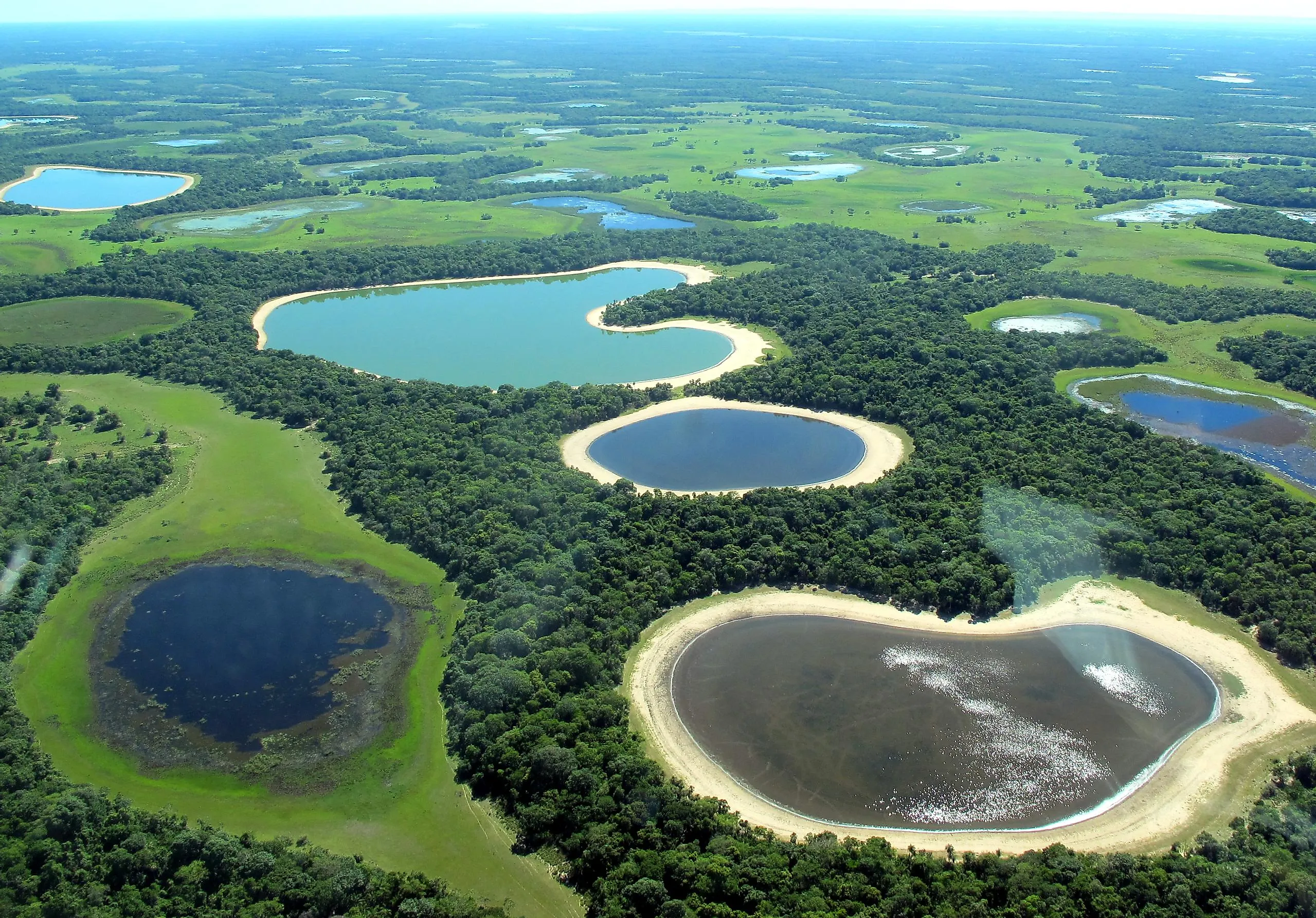
Which Country Has The Most Lakes In The World?
- Most areas or countries with high lake densities are located in the northern parts of the Northern Hemisphere.
- Of the 1.42 million lakes around the world with a size of over 0.1 sq. km, Canada is home to a whopping 62% of them.
- Alaska has the most lakes in the United States, the country with the third highest number of lakes in the world.
Lakes play a vital role in influencing the weather patterns and ecology of an area. All the world's lakes together, more than a million of them, also have a significant effect on the global climate. According to a scientific study, the total shoreline length of all the world's lakes is about four times longer than the total coastline of the global ocean. Scientists are also worried that climate change will have a serious impact on the lakes of the world. In some places, lakes will dry up, while in others, new lakes will form. Such changes might have knock-on effects for the global climate. For this reason, scientists feel that an inventory of the current status of the world's lakes needs to be created to monitor the changes and study their impact on the environment around us.
Counting the number of lakes in different countries is important too, since knowing their numbers helps in monitoring them more efficiently. Geographers from McGill University in Canada conducted a study on the world's lakes and prepared a list of the 10 countries with the largest number of lakes. Only lakes that are 0.1 sq. km (10 hectares) or larger were taken into account. The study was published in Nature Communications in 2016.
According to the study, the 10 countries with the most lakes in the world are:
- Canada - 879,800
- Russia - 201,200
- USA - 102,500
- China - 23,800
- Sweden - 22,600
- Brazil - 20,900
- Norway - 20,000
- Argentina - 13,600
- Kazakhstan - 12,400
- Australia - 11,400
Where Are The World's Lakes Concentrated?
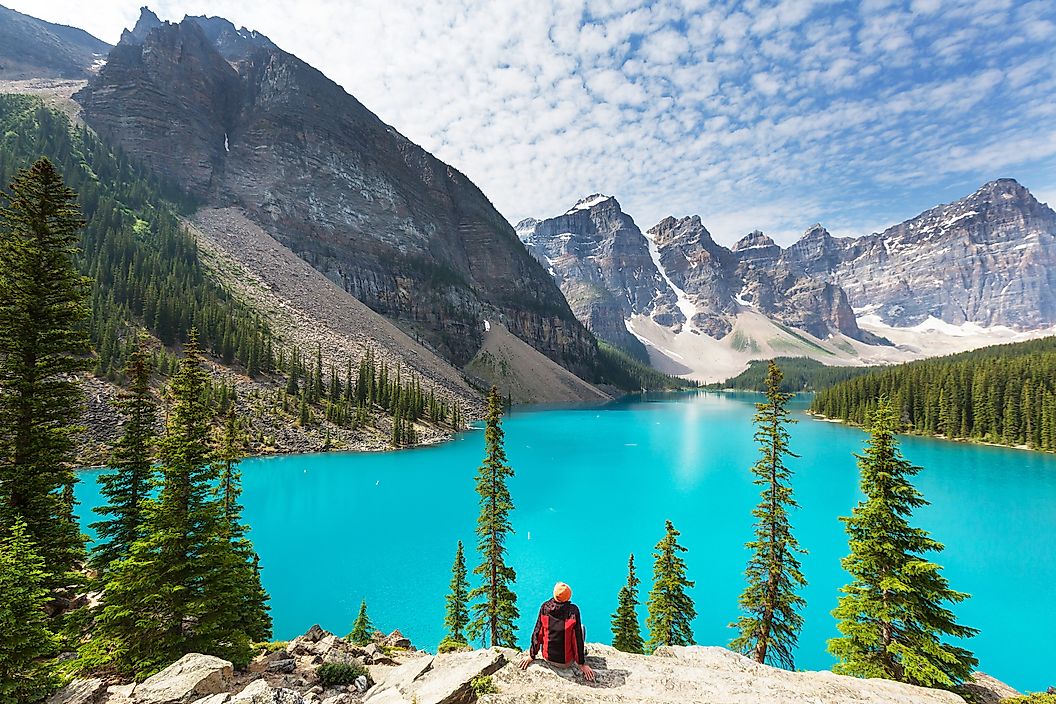
The study showed that most of the areas with high lake densities lie in the northern parts of the Northern Hemisphere, including northern Canada, Scandinavia, Russia, and Alaska. These areas were covered by massive ice sheets during the last Ice Age. The retreat of those glaciers at the end of the Ice Age left behind the hundreds of thousands of lakes we see today.
Lakes are also concentrated in the alpine areas of the Himalayas, Rockies, and Andes, where glacial action and tectonic shifts create them. The large floodplains of rivers such as the Amazon in Brazil and the coastal rivers of China also produce numerous lakes. Divergent plate boundaries, like the one in the African Rift Valley, host deep lakes in significant densities as well.
Canada, The Country With The Most Lakes

According to the study, Canada is home to the largest number of lakes in the world. Of the 1.42 million lakes larger than 0.1 sq. km, Canada holds about 62%. These lakes play a very significant role in shaping the water cycle of the country, yet very little is known about most of them. The researchers warn that lakes in Canada's north could be severely affected by fast-melting glaciers as the climate warms. Old lakes might drain away and new ones form, which is why studying them in detail has become necessary.
The US States With The Most Lakes

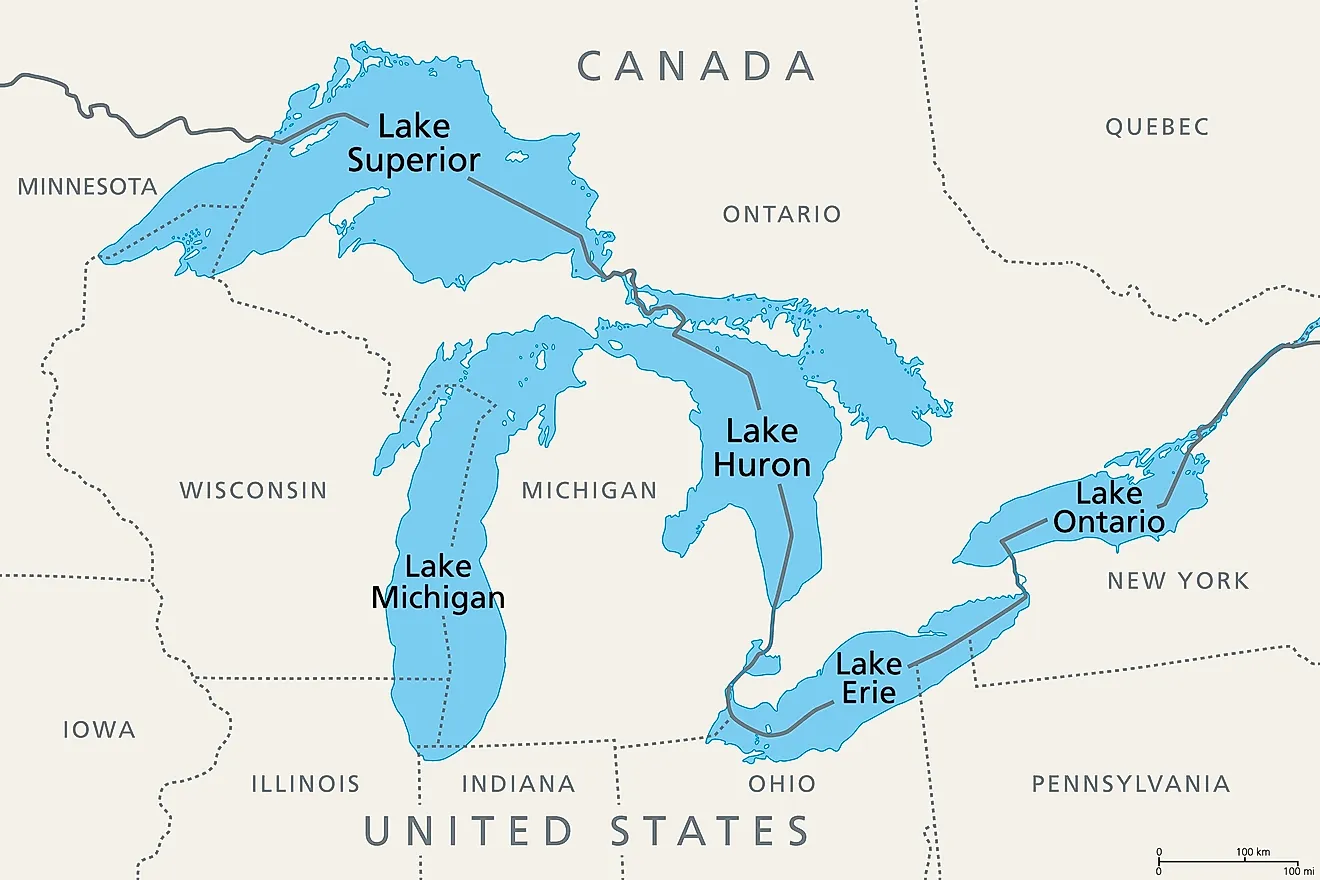
Most of the US states with the greatest number of lakes lie in the northern part of the country, the part that experienced the most glacial activity in the recent geological past. Alaska has the most lakes of any state by far, though many of them remain unnamed. Minnesota has the most named lakes in the country.
The Case Of Finland, The "Land Of A Thousand Lakes"

As the study counts them, Finland does not feature on the list of the top 10 countries with the most lakes. Even so, many articles state that Finland has 187,888 lakes, which would make it the country with the most lakes relative to its size. By some counts, that works out to roughly one lake for every 30 people. While that is true to a degree, it must be remembered that the definition of a lake varies widely around the world. There is no single, unambiguous standard for the size a water body must reach to be classified as a lake.
Finland's 187,888 lakes include all water bodies larger than 500 sq. m, just a little larger than a basketball court. The list in the study, however, counted only lakes over 0.1 sq. km, or 100,000 sq. m, which is roughly the size of 18 football fields. That far higher size threshold is why Finland does not appear on this particular list.
Which Country Has The Most Lakes?
| Rank | Country | Number of Lakes (0.1 sq km or larger) |
|---|---|---|
| 1 | Canada | 879,800 |
| 2 | Russia | 201,200 |
| 3 | USA | 102,500 |
| 4 | China | 23,800 |
| 5 | Sweden | 22,600 |
| 6 | Brazil | 20,900 |
| 7 | Norway | 20,000 |
| 8 | Argentina | 13,600 |
| 9 | Kazakhstan | 12,400 |
| 10 | Australia | 11,400 |