The US Reservoirs Closest To Being Refilled
For years, the story of American water has been one long drought headline: Lake Mead hitting record lows, Lake Powell circling the drain, bathtub rings and cracked lakebeds everywhere you look. But that is only half the picture. Across large parts of the country, reservoirs have done the exact opposite, refilling after a run of wet winters until some are practically spilling over the top. So which ones are actually closest to full right now? Here are the US reservoirs that have staged the most complete comeback, along with the famous holdouts that are still nowhere near it. Levels shift with the seasons, so these reflect recent 2026 readings.
Lake Oroville, California

No reservoir tells the refill story better than Lake Oroville, the centerpiece of California's State Water Project. As of spring 2026, it sat at about 99 percent of capacity, roughly 122 percent of its historical average for the date, essentially as full as managers will safely allow it to get. What makes that remarkable is where it came from. During the depths of the 2021 drought, Oroville dropped to around a quarter of its capacity, exposing vast mud flats and forcing its hydroelectric plant to shut down for the first time ever. Since then, a parade of atmospheric river storms has completely turned it around, and it has now filled to capacity three years in a row, something that had never happened before in the reservoir's history.
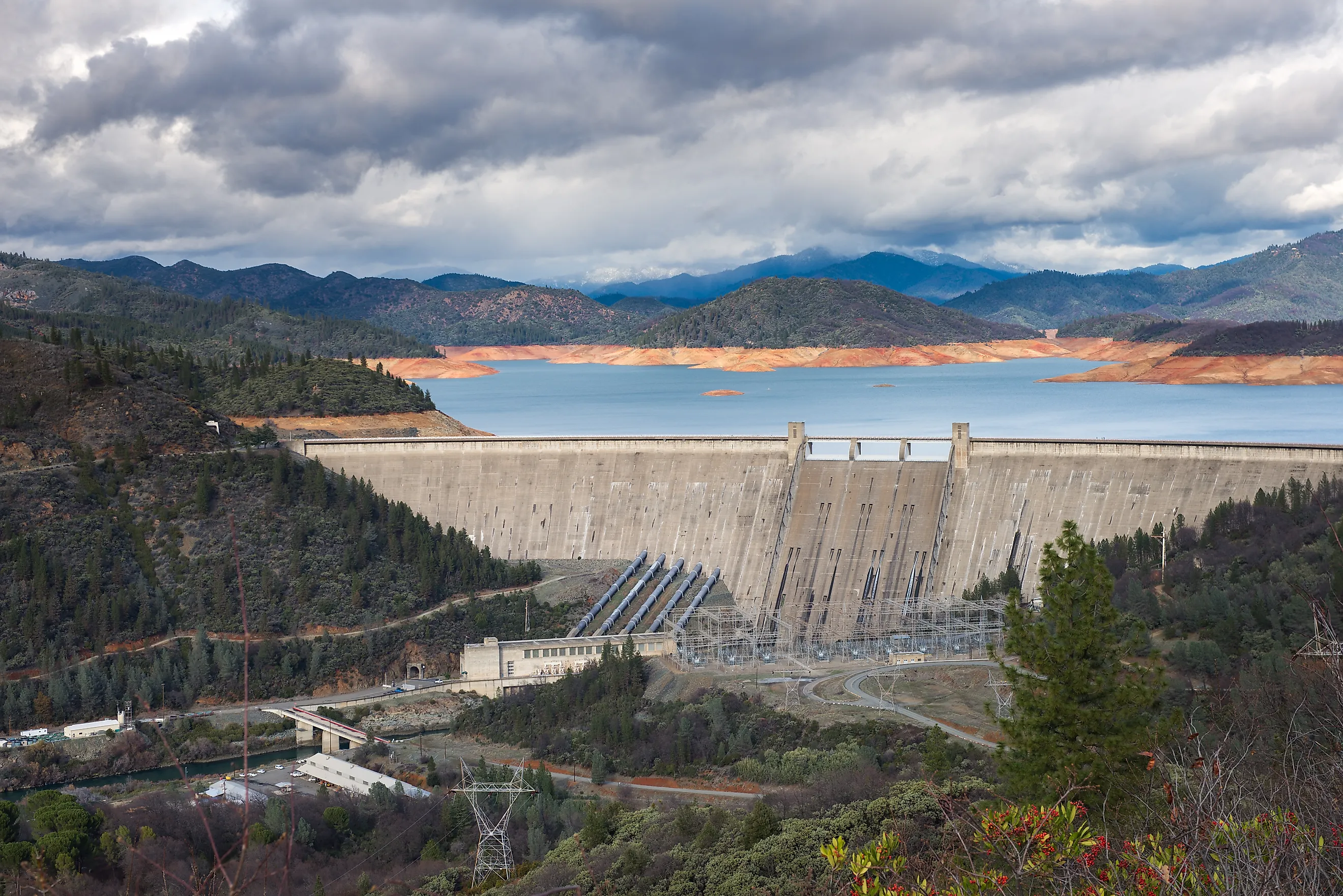
Shasta Lake, California

California's biggest reservoir has followed the same script. Shasta Lake, the 35-mile-long giant near Redding that anchors the federal Central Valley Project, has also filled to capacity three years running, a streak it had not managed since 2012. The rebound was dramatic: NASA satellite images captured Shasta at just 31 percent of capacity in November 2022, then back up to 98 percent by the following May. In early 2026, a single three-week burst of storms raised the lake by dozens of feet. For a reservoir that irrigates a huge share of the nation's fruits and vegetables and helps hold back saltwater from the Sacramento Delta, that is very good news indeed.
California's Broader Comeback

Oroville and Shasta are the headliners, but they are far from alone. After a string of reasonably wet winters, California's reservoir system as a whole has been running well above normal, at times around 118 percent of average storage statewide. Folsom Lake, Trinity Lake, San Luis Reservoir, Don Pedro, Diamond Valley Lake, and New Melones have all climbed comfortably above their historical averages, with New Melones at one point sitting at an eye-catching 126 percent of average. The recovery has not been perfectly even, since Northern California has generally fared better than the drier southern and central parts of the state, but taken together it is one of the most complete reservoir turnarounds the West has seen in decades.
The Upper Missouri Giants

The comeback is not just a California story. Up in the northern Great Plains, the enormous reservoirs of the upper Missouri River are also in strong shape, generally holding above 80 percent of capacity. Lake Oahe, which stretches from South Dakota into North Dakota, along with Lake Sakakawea behind Garrison Dam and Fort Peck Lake in Montana, together store a staggering amount of water, and all three have stayed comfortably full. These reservoirs rarely make national news because they are not in crisis, which is precisely the point. Some of the country's largest bodies of stored water are sitting near the top of their range while the spotlight stays fixed on the drought farther south.
The Ones Still Waiting

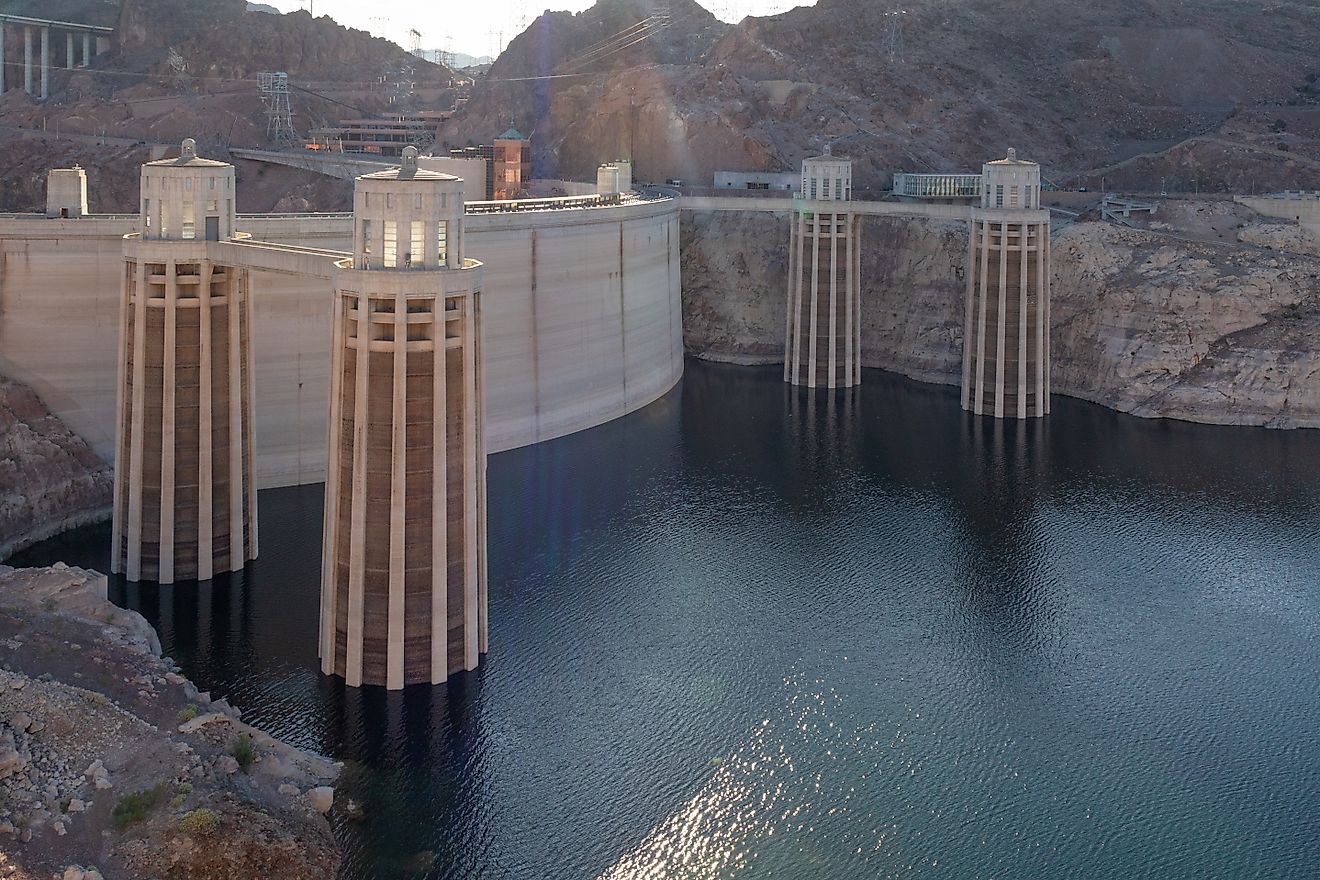
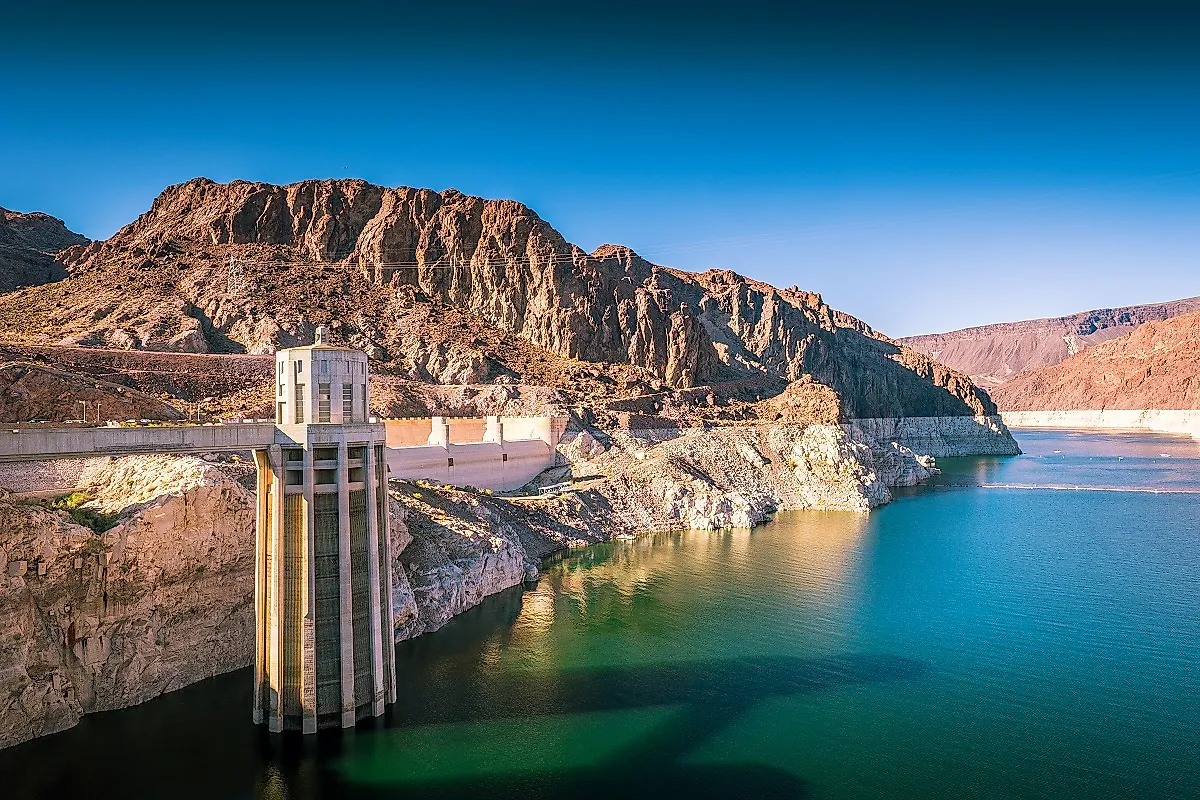
Now for the crucial asterisk. The reservoirs everyone worries about are still the ones that need the most help. Lake Powell and Lake Mead, the two largest reservoirs in the country and the backbone of the Colorado River system, remain stuck at roughly a quarter of capacity, around 23 and 26 percent respectively. Because those two hold nearly a fifth of all US reservoir capacity between them, they drag the national storage figure down to about 65 percent even in a good year. On the Rio Grande, New Mexico's Elephant Butte is in even rougher shape, hovering near 7 percent. The lesson is that America's water recovery is intensely regional. A wet winter can refill California and the northern Plains in a couple of years, but the Colorado and Rio Grande basins face a deeper, structural gap between how much water people draw and how much the rivers actually deliver. You can read more about that uphill battle in our look at how long it would take to refill Lake Powell.
So the honest answer is that some of the country's biggest reservoirs are essentially full, while others may not fully recover for a generation, if ever. Full today does not mean safe forever, either, since reservoirs get drawn down for flood control and the next dry stretch is always coming. But right now, if you want to see American reservoirs brimming rather than shrinking, look to Oroville, Shasta, and the quiet giants of the northern Missouri.