The Model T Fords Bootleggers Left Under Lake St. Clair
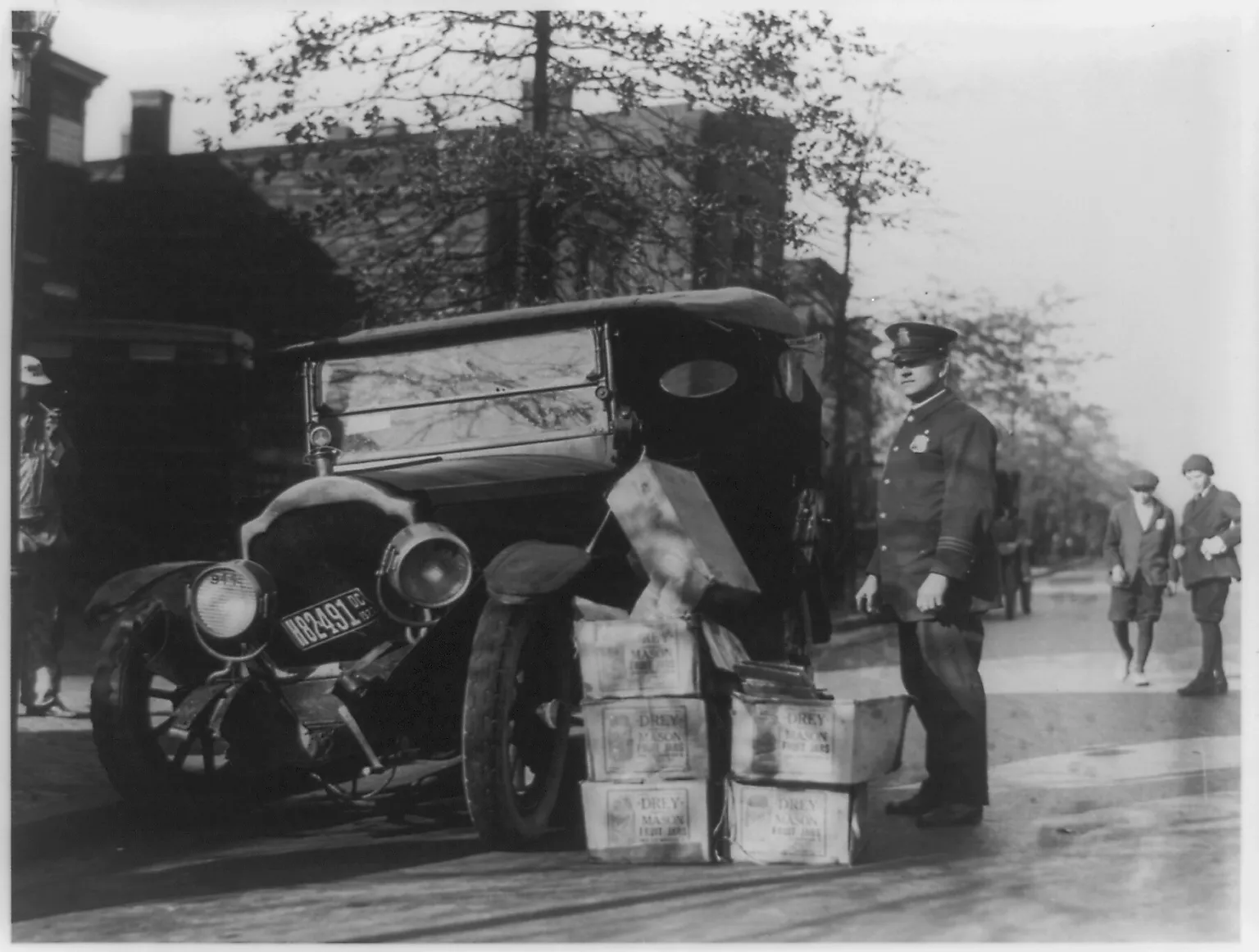
During Prohibition there were no bridges over the Detroit River and no tunnels under it. When the water froze, bootleggers simply drove across. Seventy-five percent of all the alcohol smuggled into the United States came through this corridor of Lake St. Clair, the Detroit River and the St. Clair River, and the cars carrying it were loaded well past what the ice could bear. Some of them are still down there.
A Diver Found One

The rumor circulated among local divers for years before anybody confirmed it.
A diving instructor named Zuidema located the remains of a 1920s Model T Ford in the Detroit River near Windsor, close to the site of a Canadian Club plant. It sat with a trailer still behind it, facing upriver.
Divers had long talked about a Model T with a trailer at that spot. The car is thought to have gone through the ice under the weight of its load.
Three Quarters Of Everything Came Through Here

The scale of the traffic explains why losses were inevitable.
Seventy-five percent of all alcohol smuggled into the United States during Prohibition crossed the border at what became known as the Windsor-Detroit Funnel. Canadian historian Daniel Francis estimated that 80 percent of the liquor manufactured in Canada during the period entered Detroit from Windsor.
Most of it moved along a 35-mile stretch running from Lake Erie up to the St. Clair River.
Canada Made It Legal To Export

The entire trade existed because of a gap between two sets of laws.
Ontario had its own prohibition under the Ontario Temperance Act from 1916 to 1927, but manufacturing and exporting alcohol remained legal. Distilleries kept producing, and selling across the river was somebody else's crime.
Michigan had gone dry on 1 May 1917, ahead of the national Volstead Act in January 1920. Bootlegging networks formed within hours.
Winter Was The Busy Season

Freezing water made the crossing easier rather than harder, which is the part people get backwards.
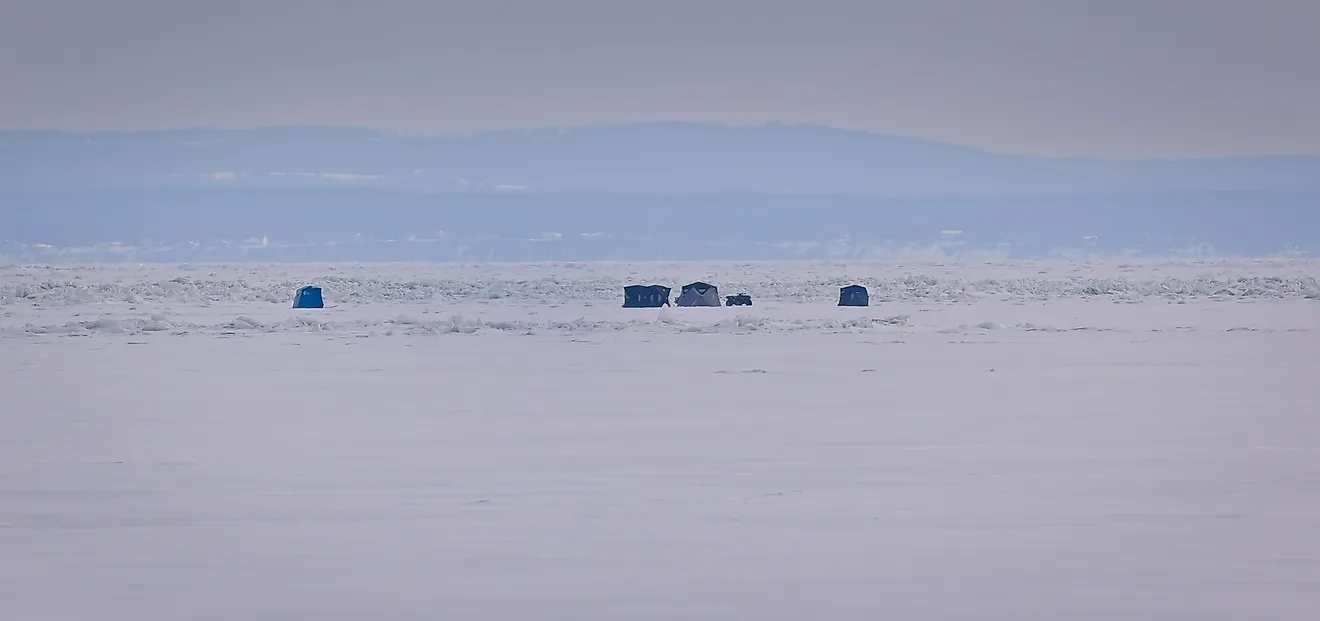
In summer the contraband went by boat. When the rivers and lakes froze, smugglers drove across, skated across dragging sleds full of whiskey, or used iceboats with ski runners nailed to the hulls.
One smuggler known as King Canada described it as being like a highway out there, cars going back and forth with no one to stop you, and said winter made them very hard to catch.
Overloading Is What Sank Them

The failures were not usually bad luck. They were arithmetic.
Overloaded vehicles were known to have fallen through the ice. A car on the St. Clair River bed was described as the victim of an attempt to drive across ice not quite thick enough to hold its weight.
Modern guidance puts the threshold for a car or small pickup at 8 to 12 inches of clear ice. A Model T loaded with cases of whiskey and towing a trailer was well beyond what the drivers were judging by eye.
They Used The Lightest Cars They Could

Vehicle choice was a calculated response to the risk.
Rum runners took lighter cars with smaller engines onto the ice. The Purple Gang favored a lightweight vehicle they called a whiskey six, and the rule was to drive slowly.
One account puts the attitude plainly: the Model T could be replaced. The cargo and the driver were the valuable parts.
It Was Detroit's Second Industry

The money involved puts the risk-taking in context.
By 1929 rum running was described as Detroit's second largest industry, netting 215 million dollars a year. In 1922 alone at least 35 million dollars of liquor came through the 70 miles of river and lakefront.
The city was rumored to hold 25,000 speakeasies. Losing a car through the ice was a cost of doing business.
Police Protection Made It Safe
Enforcement was the weakest link in the chain.
Rum runners did not get caught often, because the political and police protection available made Detroit the principal port of entry for liquor from Canada.
At one point Windsor's police cells were so full of bootleggers that prisoners had to be held in nearby towns, which pushed some of the traffic north to the St. Clair River instead.
The Ice Was The Real Enemy
Runners themselves said so, in a quote that has survived.
Asked what they feared, one rum runner answered that what they were really afraid of was the ice. Not the Coast Guard, not rival gangs, not the police.
A prolonged cold spell in January and February 1930 produced thick and inviting ice on upper Lake Erie and the Detroit River, which drew more traffic onto it than usual.
Shallow Water Is Why They Survive
Lake St. Clair averages around 11 feet deep, which cuts both ways.
Shallow water froze more readily, which is why the crossing worked at all. It also means anything that went through sits within reach of a recreational diver rather than hundreds of feet down.
Cold fresh water does the rest. Steel that would have vanished in salt water survives on a Great Lakes bottom for a century.
The Short Answer

Bootleggers drove loaded cars across the frozen Lake St. Clair and Detroit River corridor because 75 percent of all liquor entering Prohibition America came that way and there was no bridge. Overloaded vehicles went through the ice regularly enough to be unremarkable at the time.
One confirmed example was found by a diver near Windsor: a 1920s Model T still facing upriver with its trailer attached, in the shallow cold water that preserved it for a century.