The Invasive Species Costing US Lakes The Most Money
Keeping invasive species out of a lake is one thing. Paying for them after they arrive is another. All over the United States, some invaders are forcing utilities to clean clogged water systems, lake associations to fund repeated weed treatments, and fisheries managers to spend millions removing unwanted fish. The biggest bills do not always come from the biggest species, either. Tiny mussels can foul infrastructure across entire regions, while fast-growing aquatic plants can make routine lake management a yearly expense. The species below stand out because researchers and government agencies have attached real costs to controlling them or repairing the damage they cause.
Zebra And Quagga Mussels

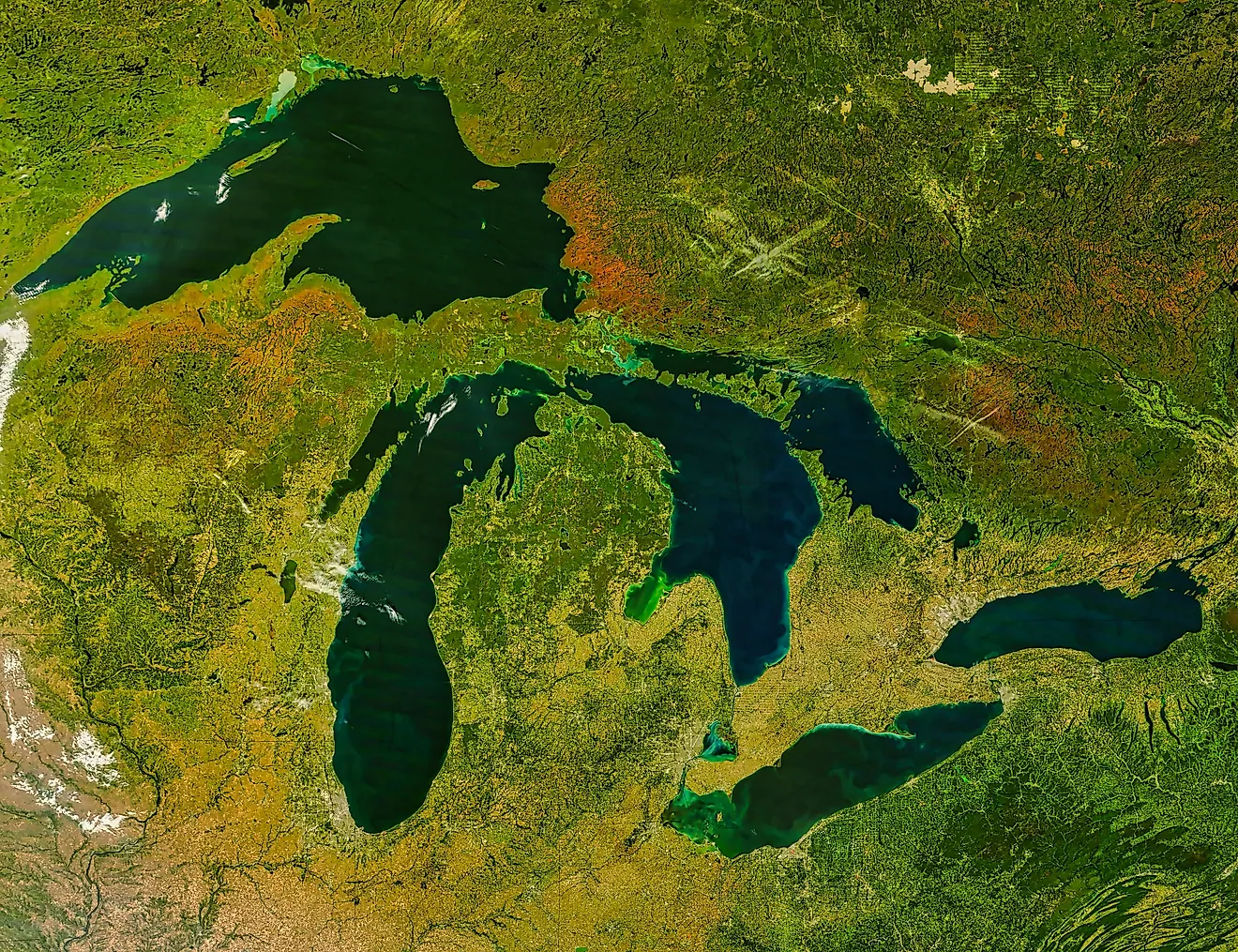
At a drinking-water plant, a fingernail-sized mussel becomes a serious maintenance problem when millions settle on the same equipment. Zebra and quagga mussels attach to intake pipes, screens, cooling systems, docks, boats, and other hard underwater surfaces. The U.S. Geological Survey has cited economic impacts reaching $1 billion a year in the Great Lakes and Mississippi River basins, much of it from cleaning and repairing pipes and equipment that move water.
The mussels also affect the lakes themselves. They filter huge volumes of water, move nutrients toward the lake bottom, and can cover native freshwater mussels so heavily that feeding and movement become difficult. Around the Great Lakes, utilities may be removing mussels from equipment while biologists track changes in food webs, native mussels, and aquatic vegetation. One invasion therefore has two very different consequences: repair bills inside a municipal water plant, and major ecological changes several miles offshore.
Asian Clam

Asian clams can accumulate by the thousands inside water systems. They settle in pipes, condensers, cooling systems, canals, and other infrastructure that depends on a steady flow of freshwater. Dense populations can restrict that flow, fill equipment with shells, and force extra cleaning or shutdowns. A 2024 review in the journal Toxics noted that U.S. control costs have long been estimated at more than $1 billion annually, while cautioning that the true current national total is uncertain because the widely cited figure comes from older assessments. The underlying problem is well documented. Asian clams reproduce quickly, can reach very high densities, and are difficult to remove once established. They now occur in lakes, reservoirs, rivers, and water systems across much of the United States. Most of the expense comes from recurring maintenance, blocked equipment, and repairs at facilities where interruptions to water flow are costly.
Eurasian Watermilfoil

By midsummer, Eurasian watermilfoil can fill shallow coves with stems reaching the surface. Boat propellers catch it, swimmers encounter it near shore, and thick growth can restrict access around docks. The U.S. Geological Survey reports that Michigan waterfront property owners spend an estimated $20 million each year controlling invasive aquatic plants, with Eurasian watermilfoil and curly-leaf pondweed among the main targets.
Researchers have also measured a hit to property prices. A study of 1,258 lakefront home sales around 41 lakes in King County, Washington, found that homes on milfoil-infested lakes sold for about $94,385 less on average after accounting for other house and lake characteristics. That was roughly 19% of the mean sale price.
The same researchers estimated an annual economic loss of about $377,542 when milfoil invaded one additional lake in their study area. On top of that loss, lake associations may pay for herbicides, harvesting, surveys, and repeated treatment to keep shallow water usable.
Sea Lamprey

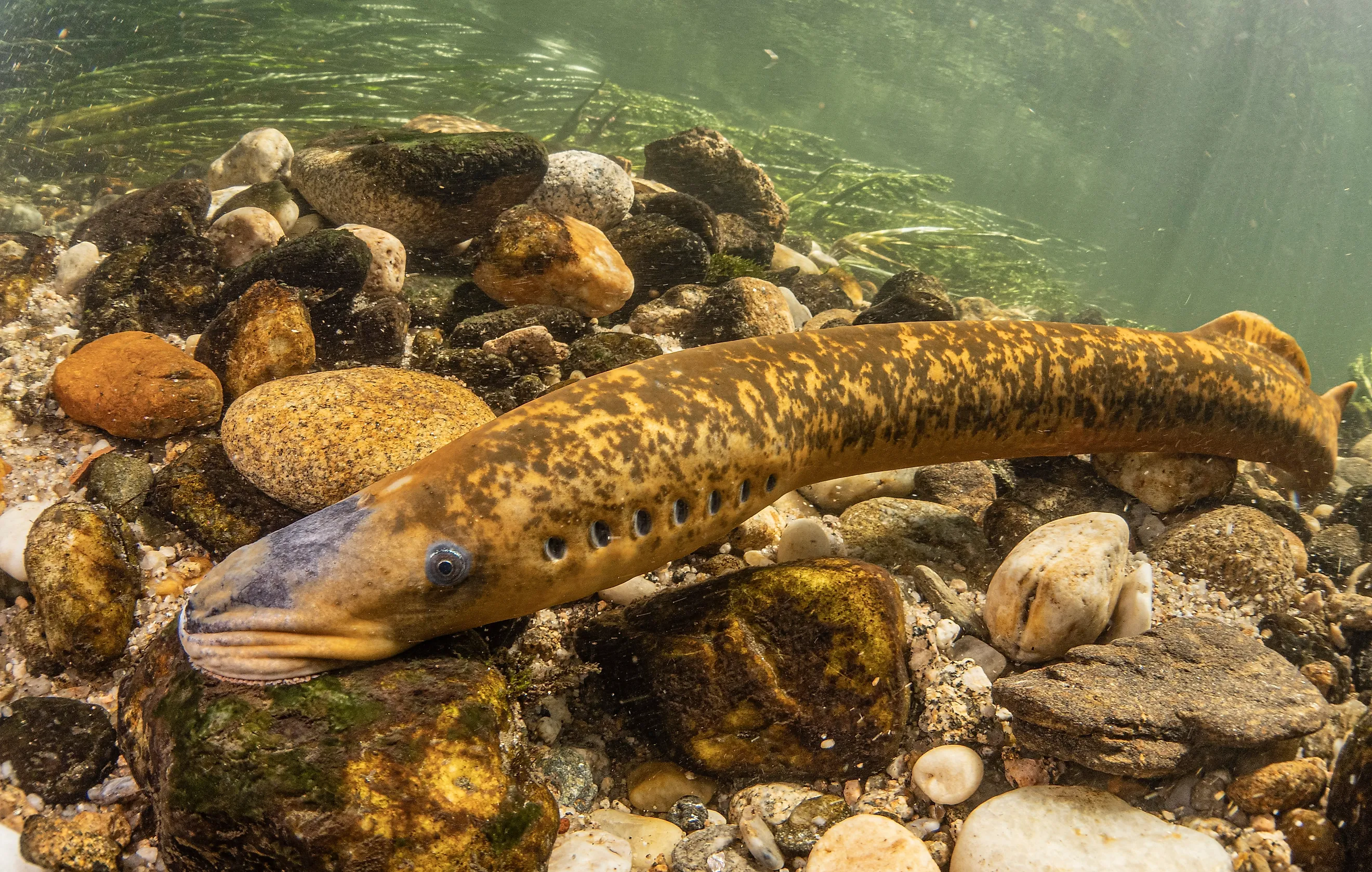
About $25 million goes into sea lamprey control around the Great Lakes each year, according to a 2025 review in BioScience. Crews use traps, barriers, surveys, and lampricides, chemicals designed to kill young lampreys before they reach the lakes. Those efforts have reduced sea lamprey numbers by about 90% from historic peaks.
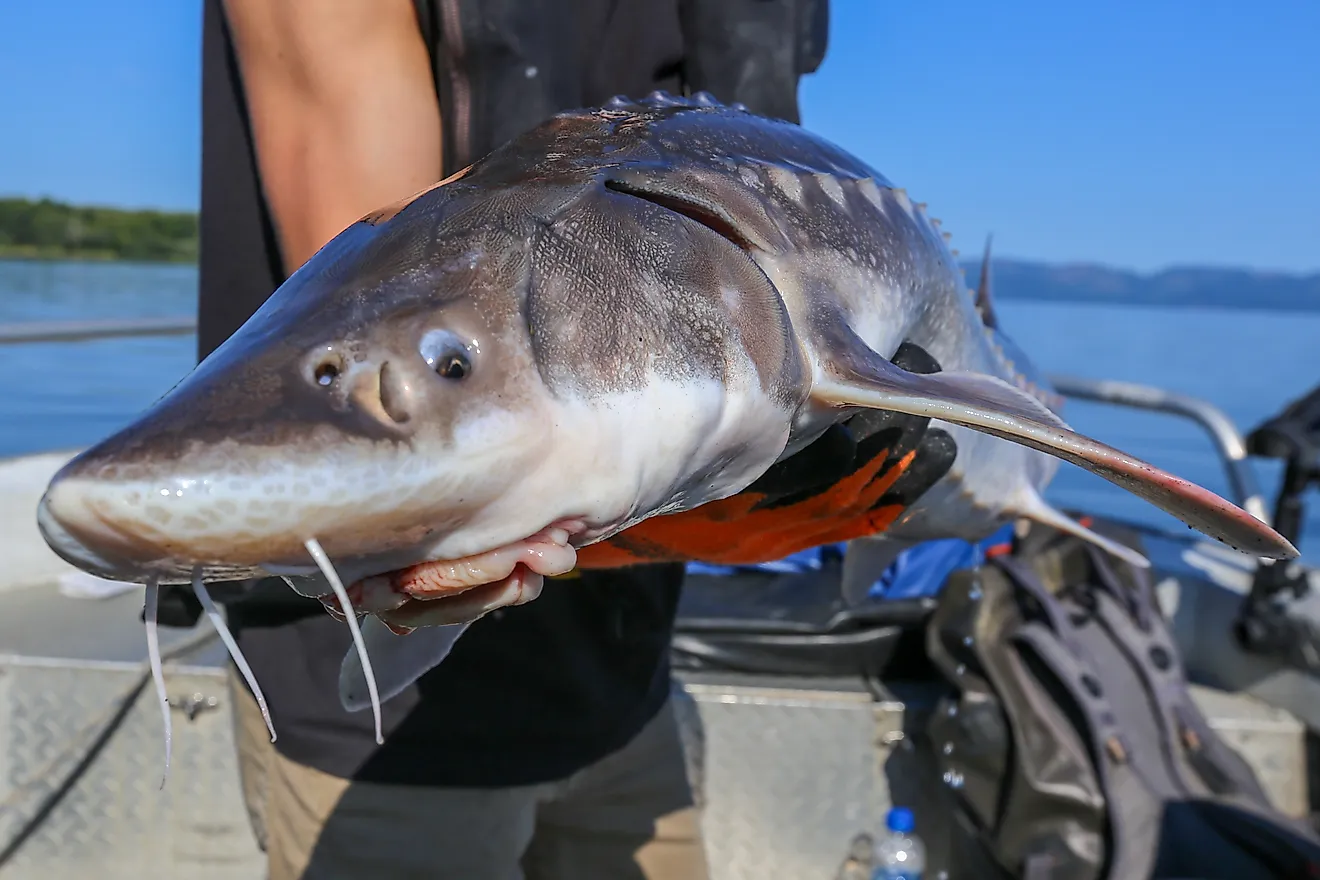
Adult sea lampreys attach to large fish with a suction-cup mouth, cut through the skin, and feed on blood and body fluids. Lake trout were hit especially hard after lampreys spread through the upper Great Lakes during the twentieth century. When some control work was interrupted during the COVID-19 pandemic, researchers got a rare look at what happened with less treatment. A 2025 study in Fisheries found that adult lamprey numbers increased across the basin afterward. The $25 million annual program protects a Great Lakes recreational fishery that the BioScience review valued at about $5.1 billion a year.
Hydrilla

Florida's hydrilla spending is documented down to the dollar. During fiscal year 2023-24, the state spent $11,889,162 treating 15,527 acres of hydrilla-infested water, according to the U.S. Geological Survey's Nonindigenous Aquatic Species database. The submerged plant can form dense growth near the surface, blocking boat traffic and interfering with fishing, swimming, and water movement. Crews use herbicides and other control methods, but removing the visible stems does not necessarily clear the infestation. Hydrilla produces underground tubers that can survive after the leafy growth disappears, and broken fragments can establish new patches. In Florida's long warm season, hydrilla grows for months in lakes and reservoirs. Crews therefore have to treat thousands of acres to keep boat lanes, shorelines, fishing areas, and other parts of the water that people regularly use.
Water Hyacinth

A heavy water-hyacinth infestation can cover open water with a dense mat of floating leaves and roots. In Louisiana, the plant has required decades of treatment across lakes, bayous, canals, wetlands, and other connected waters.
A peer-reviewed economic study covering 1975 through 2013 calculated about $124 million in Louisiana spending on water-hyacinth research and management. Roughly $115 million went to herbicide application. Researchers also examined fishing, waterfowl hunting, boating businesses, and drinking-water operations that depended on keeping affected waterways usable.
They estimated about $4.2 billion in benefits from control during the study period, measured in 2013 dollars. That is not a direct $4.2 billion damage bill. It represents fishing, hunting, boating-related business, and water services that researchers estimated would have suffered greater losses without treatment. The harder number is the $124 million Louisiana actually spent managing one invasive aquatic plant over 38 years.
Lake Trout In Yellowstone Lake

Crews removed about 264,000 lake trout from Yellowstone Lake in 2024. This was invasive-species control inside Yellowstone National Park, not a commercial harvest. Lake trout are native elsewhere in North America, but they were discovered in Yellowstone Lake in 1994, where they prey on native Yellowstone cutthroat trout. The U.S. Geological Survey has reported suppression costs of about $2 million a year, with large-scale gillnetting responsible for much of the removal.
The number of mature, predatory lake trout has fallen by roughly 90% from its peak, which has eased the pressure on native cutthroat. Cutthroat trout also matter beyond the lake because they move into shallow streams, where birds and mammals can catch them. Lake trout generally remain in deeper water and are less available to those predators. The work on Yellowstone Lake has consequently involved years of intensive netting, monitoring, and removal. Even with mature lake trout down sharply, a single recent season still put more than a quarter-million fish in the nets.
Curly-Leaf Pondweed

Curly-leaf pondweed begins growing while many native aquatic plants are still dormant, allowing dense stands to develop early in the season. The growth can interfere with swimming, fishing, boating, and access to docks. Large patches often die back in summer, leaving plant material that can release nutrients as it decomposes and contribute to low oxygen and algal growth. The clearest U.S. cost figure is from Michigan. The U.S. Geological Survey reports that waterfront property owners there spend about $20 million each year controlling invasive aquatic plants, principally Eurasian watermilfoil and curly-leaf pondweed. The full $20 million cannot be assigned to pondweed because the estimate covers more than one species. Much of this spending is done by lake associations and individual waterfront communities, which pay for treatment in shallow water around homes, docks, swimming areas, and boating routes.
The Case For Prevention
Once an invasive species becomes established in a lake, the cost rarely ends with one cleanup. Mussels keep recolonizing pipes, aquatic plants grow back, and fish-control programs may have to run for decades. That is why prevention matters so much: stopping a species before it spreads is usually far cheaper than paying to manage it year after year.