How Invasive Species Spread From One Lake To Another
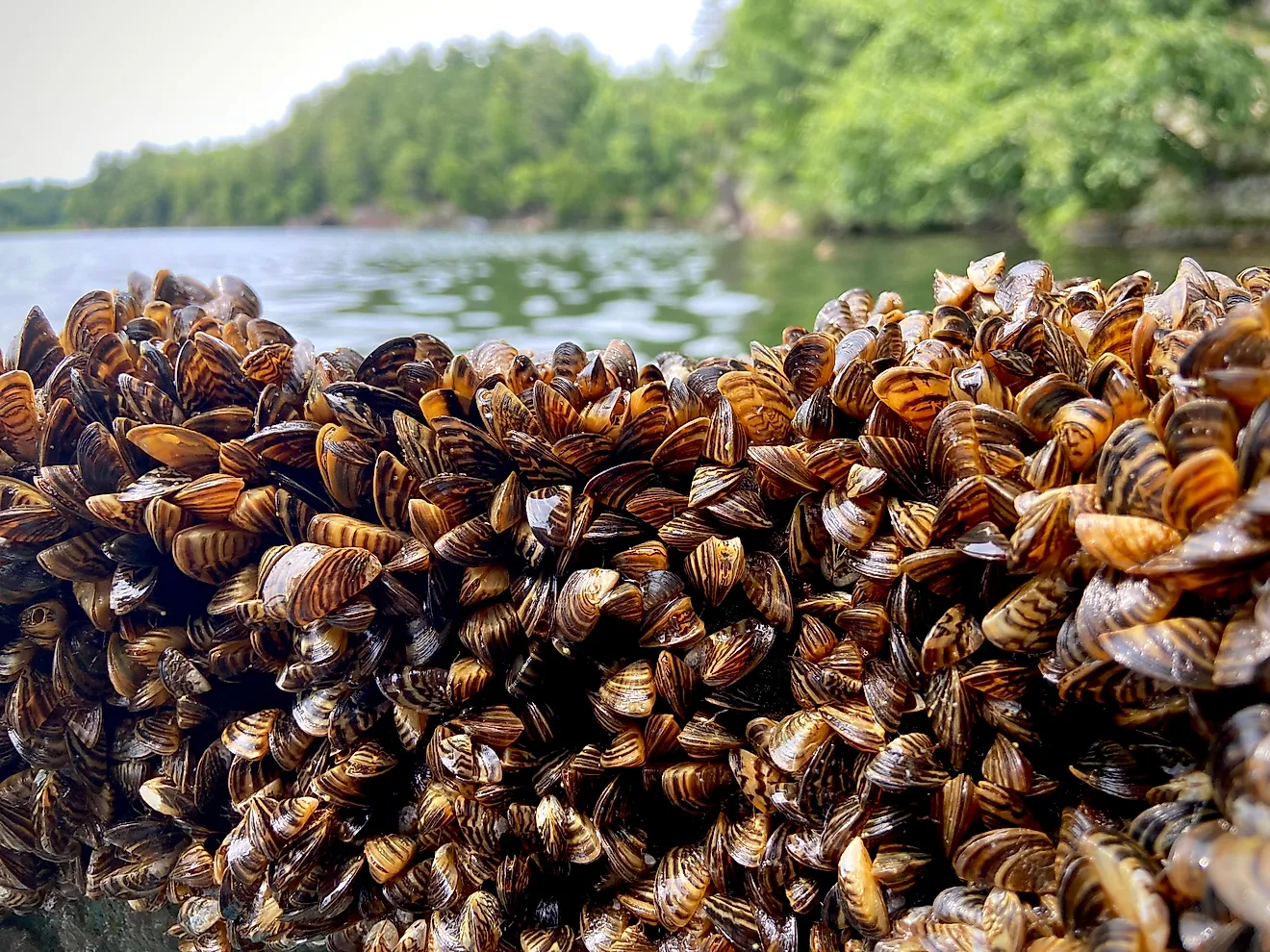
Here is a puzzle. A lake is basically an island of water, sealed off from the next lake by miles of dry land. A mussel cannot walk. A fish cannot hike overland. And yet a thumbnail-sized mussel native to the Black Sea has somehow colonized lakes from the Great Lakes to the Arizona desert. So how do invasive species pull off the impossible and leap from one isolated lake to another? Once you see the answer, you will never look at a boat ramp the same way again. Almost every time, the culprit is us.
Lakes Are Islands, Which Should Make This Hard

Think about what a lake actually is: a bowl of water with no natural connection to the lake down the road. For most of history, that isolation was a feature. The plants and animals in each lake evolved in their own little bubble, and a species from far away had no way to get in. That is exactly why invasions are so unnatural. A creature like the round goby or the zebra mussel has no legs, no wings, and no ability to travel over dry land. Left to nature, it would stay put forever. To jump from lake to lake, it needs a vehicle, and modern humans have handed it a whole fleet of them.
Culprit Number One: The Boat

By far the biggest culprit is the trailered boat. When you pull a boat out of an infested lake and drive it to a new one, you can carry the invaders with you in several ways at once. Adult mussels and clumps of aquatic weeds cling directly to the hull, the trailer, and the motor. Meanwhile, the truly dangerous stuff is invisible: mussel larvae, called veligers, are microscopic and float in any water left behind in the bilge, the live well, the engine, or a bait bucket. Zebra and quagga mussels can survive several days out of water, which is plenty of time for a weekend road trip. This is how tiny, unconnected inland lakes with no rivers or canals still end up infested, and how mussels from the Great Lakes marched all the way to Lake Mead and the reservoirs of the desert Southwest.
Never Dump the Bait Bucket

The second great pathway is a well-meaning angler at the end of the day. Tipping a leftover bait bucket into the water seems harmless, but that bucket can contain far more than a few minnows. Dumped bait has spread invasive fish, crayfish, tiny predatory zooplankton like the spiny waterflea, and even fish diseases such as viral hemorrhagic septicemia from one water body to the next. The bait water itself is enough to carry larvae and pathogens. It is why "do not dump your bait" is a rule at boat ramps across the country, and why the same warning extends to releasing unwanted aquarium pets and water-garden plants, which is another surprisingly common way new invaders get their start.
The Man-Made Shortcuts: Canals

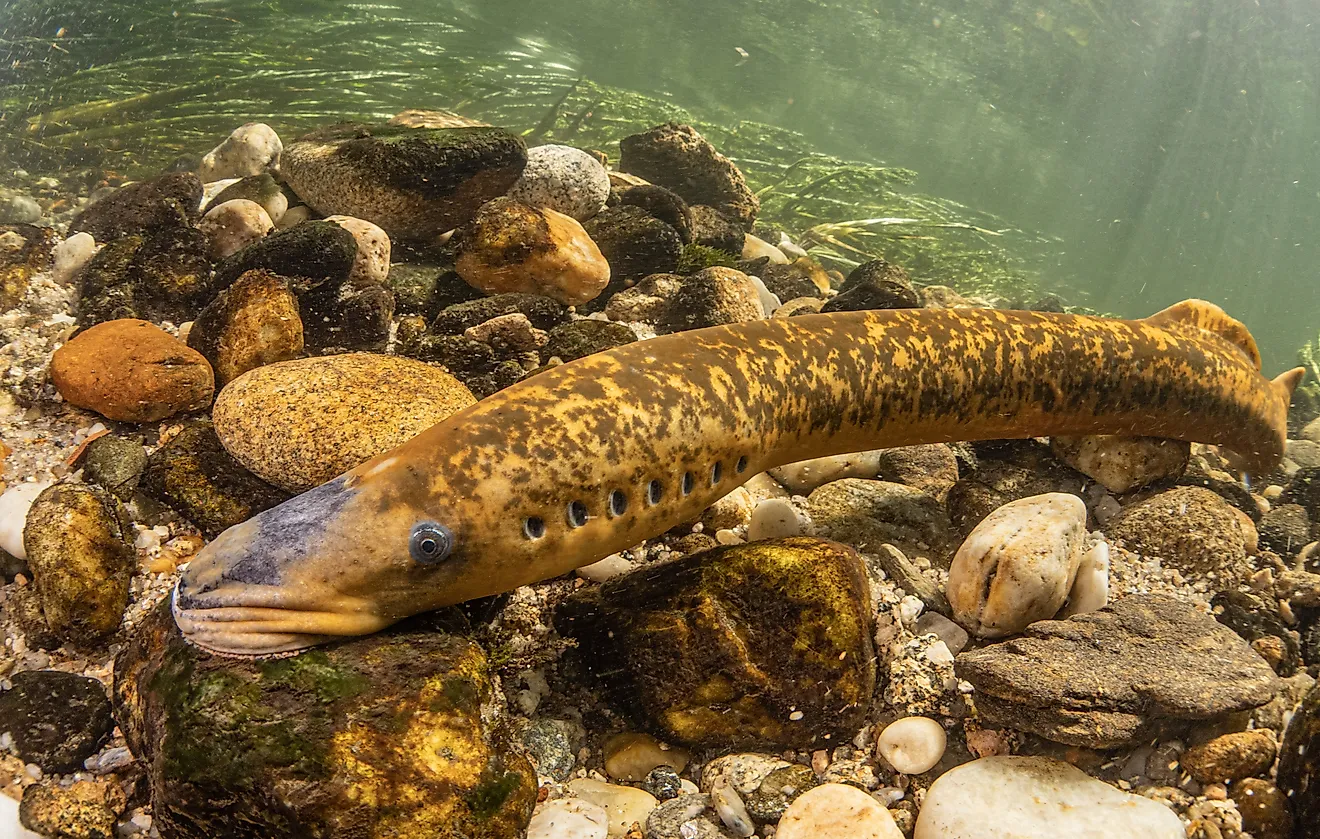
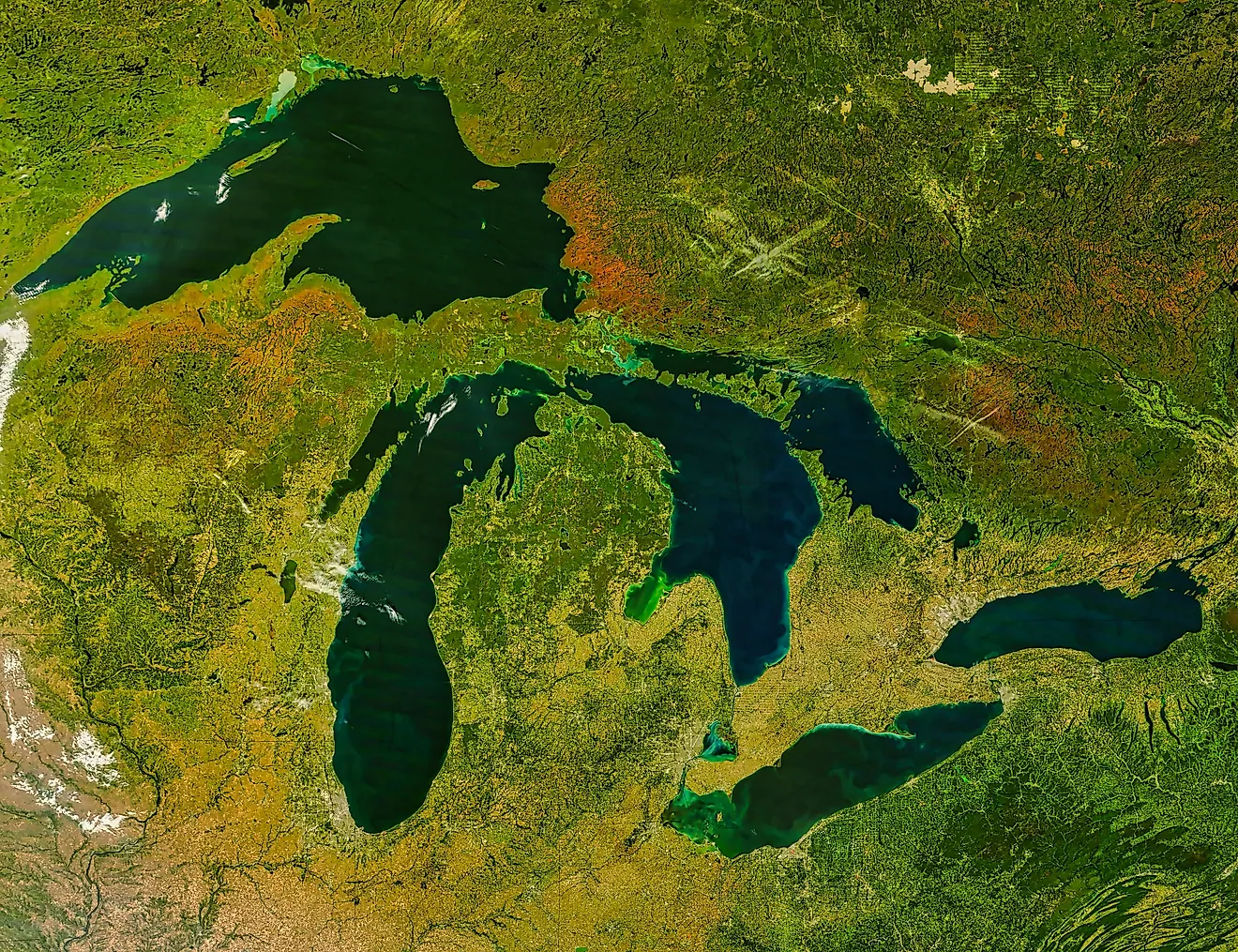
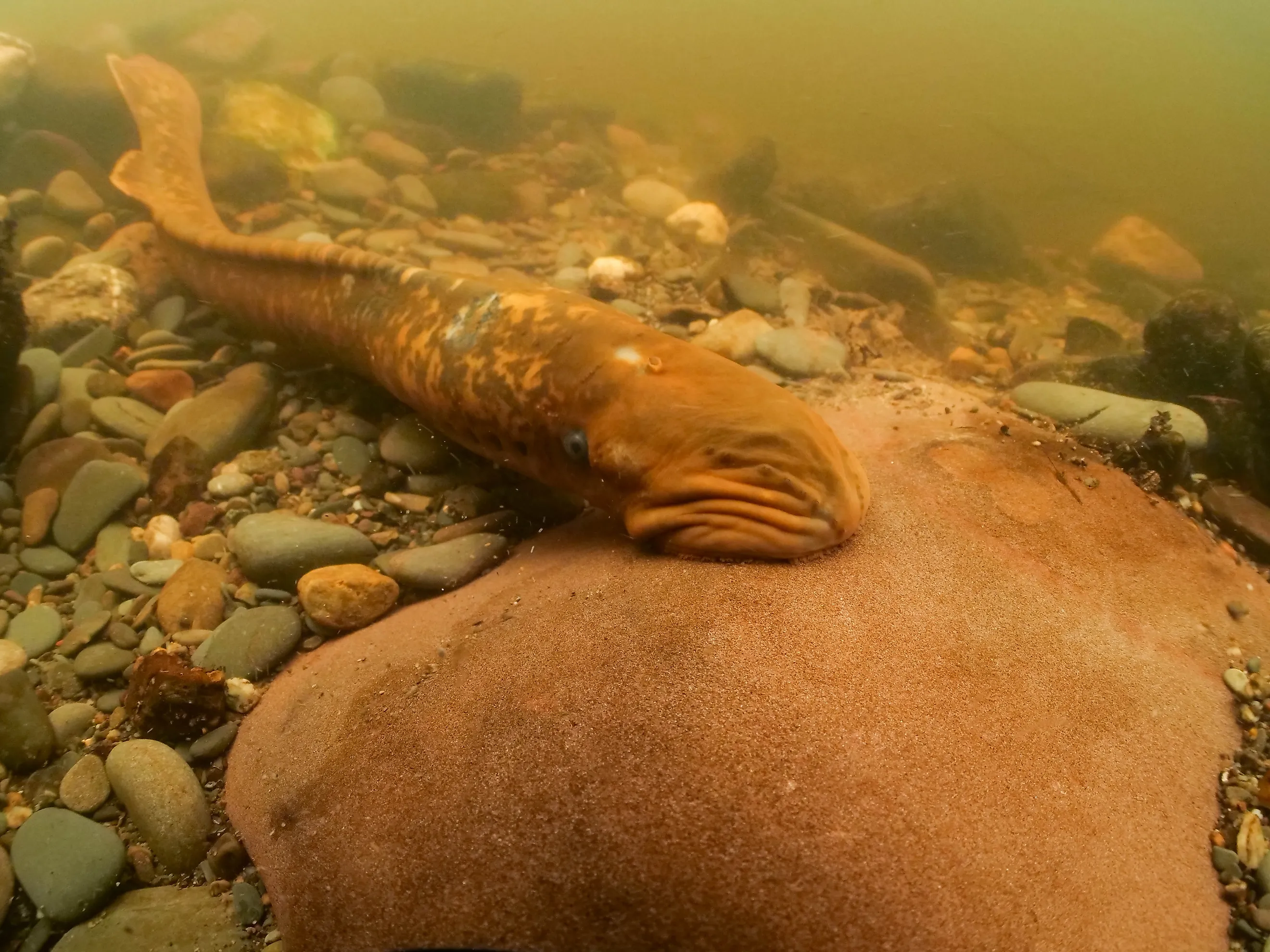
Sometimes we do not just give invaders a lift, we build them a permanent highway. Canals and shipping locks link water bodies that nature kept separate, and invasive species happily swim right through. The classic example is the sea lamprey, a blood-sucking parasite that used the Welland Canal to bypass the natural roadblock of Niagara Falls, slip from Lake Ontario into Lake Erie, and then spread through all the upper Great Lakes, devastating the native fish. The Erie Canal opened another door back in 1825. Today the great fear is the Chicago Area Waterway System, an artificial link between the Mississippi basin and Lake Michigan, which is why engineers maintain a set of electric barriers there to keep invasive carp out of the lakes.
How the Invaders Arrived: Ballast Water

To understand lake-to-lake spread, it helps to know how these species reached North America in the first place, and the answer is ballast water. Big cargo ships take on water for stability, then dump it at their destination, and for decades that water was a floating aquarium of foreign life. After the St. Lawrence Seaway opened the Great Lakes to ocean freighters in 1959, an estimated 65 percent of the region's invaders, including zebra mussels, quagga mussels, and the round goby, arrived this way from the Black and Caspian Sea regions. Once a single ballast dump established them in one lake, the recreational boats and canals took over and carried them everywhere else. Ballast rules are far stricter now, but the damage was long done.
A Single Fragment Is All It Takes

Invasive plants play an even sneakier game, because they do not need a whole plant to invade, just a scrap. Species like Eurasian watermilfoil and hydrilla can grow an entirely new colony from a single broken fragment, so one stray piece tangled on a propeller, a trailer axle, or an anchor is enough to seed a brand-new lake. The same goes for fishing gear: waders, nets, and kayaks can ferry plant fragments, mud, snails, and even a slimy nuisance algae nicknamed "rock snot" from one river or lake to another. It is a humbling reminder that the vehicle does not have to be a boat. Sometimes it is just a muddy boot.
Why We Cannot Just Clean It Up

Here is the sobering part. Once an invasive species is established in a lake, it is almost impossible to remove, which is why the entire game is prevention. That is the thinking behind the roughly $600 million spent fighting invasive carp, the electric barriers outside Chicago, the boat inspection and decontamination stations popping up at popular ramps, and the eDNA surveillance that lets scientists detect an invader from a water sample before anyone ever sees it. For boaters and anglers, the front line comes down to three simple words repeated everywhere: clean, drain, dry. Clean off every plant and animal, drain every drop of water, and let your gear dry completely before you visit the next lake. It is a small ritual, but it is the single best defense a lake has.