The Fastest-Warming Lakes in the United States
Not every lake makes swimmers wait until peak season to take a dip. Depth, elevation, latitude, and how much shade a shoreline gets all determine how quickly a lake climbs out of winter cold and into swimmable territory, generally considered to start around 70 degrees Fahrenheit (21 degrees Celsius) by lifeguard and public health standards. Shallow water heats through its entire depth instead of just a thin surface layer, low-elevation desert basins trap heat efficiently, and lakes fed by warm runoff rather than snowmelt get a head start so that mountain lakes can never catch up. The eight lakes below are ranked by the earliest point in the calendar year each one typically reaches swimmable temperatures, drawing on seasonal water-temperature data and official park and tourism guidance. The list runs from a Florida lake that stays swimmable nearly year-round to a Southern California lake that doesn't hit its stride until early summer, giving swimmers, boaters, and paddlers around the country a rough sense of when their nearest warm-water lake opens for the season.
Lake Okeechobee

Lake Okeechobee, Florida's largest lake at roughly 730 square miles (1,890 square kilometers), gets a head start on warming that few other U.S. lakes can match. Because it averages only about 9 feet (2.7 meters) deep, the entire water column heats quickly once winter cold fronts stop moving through. Surface temperatures typically climb from the upper 60s in February into the low 70s by March. The lake sits at the northern edge of the Everglades, held in place by the Herbert Hoover Dike, and towns like Clewiston and Pahokee ring its southern shore with marinas and boat ramps. Formal swimming beaches are limited, since much of the shoreline is dike, marsh, or boat ramp rather than sand, and local advisories occasionally flag algae blooms or water-quality concerns, so boaters and anglers make up more of the early-season crowd here than swimmers. Still, for anyone chasing the first warm water of the year, Okeechobee gets there before almost anywhere else in the country. The lake is also one of the premier bass fisheries in the United States, drawing anglers who fish its grass flats for largemouth bass and speckled perch.
Lake Havasu

Straddling the Arizona-California border along the Colorado River, Lake Havasu typically reaches comfortable swimming temperatures by April, months ahead of most reservoirs at a similar latitude. Sitting barely 450 feet (137 meters) above sea level in one of the hottest stretches of the Mojave Desert, the lake benefits from a moderate depth that lets sunlight warm the entire water mass rather than just the surface, plus desert rock along the shoreline that absorbs heat and radiates it back into the water overnight. The relocated London Bridge, moved stone by stone from England in the early 1970s, now arches over water warm enough for swimming well before Memorial Day. Lake Havasu State Park and city-run beaches like Rotary Park give visitors easy access to the shoreline, and the lake's swim season typically runs from April through October, one of the longest of any lake in the country.
Lake Travis

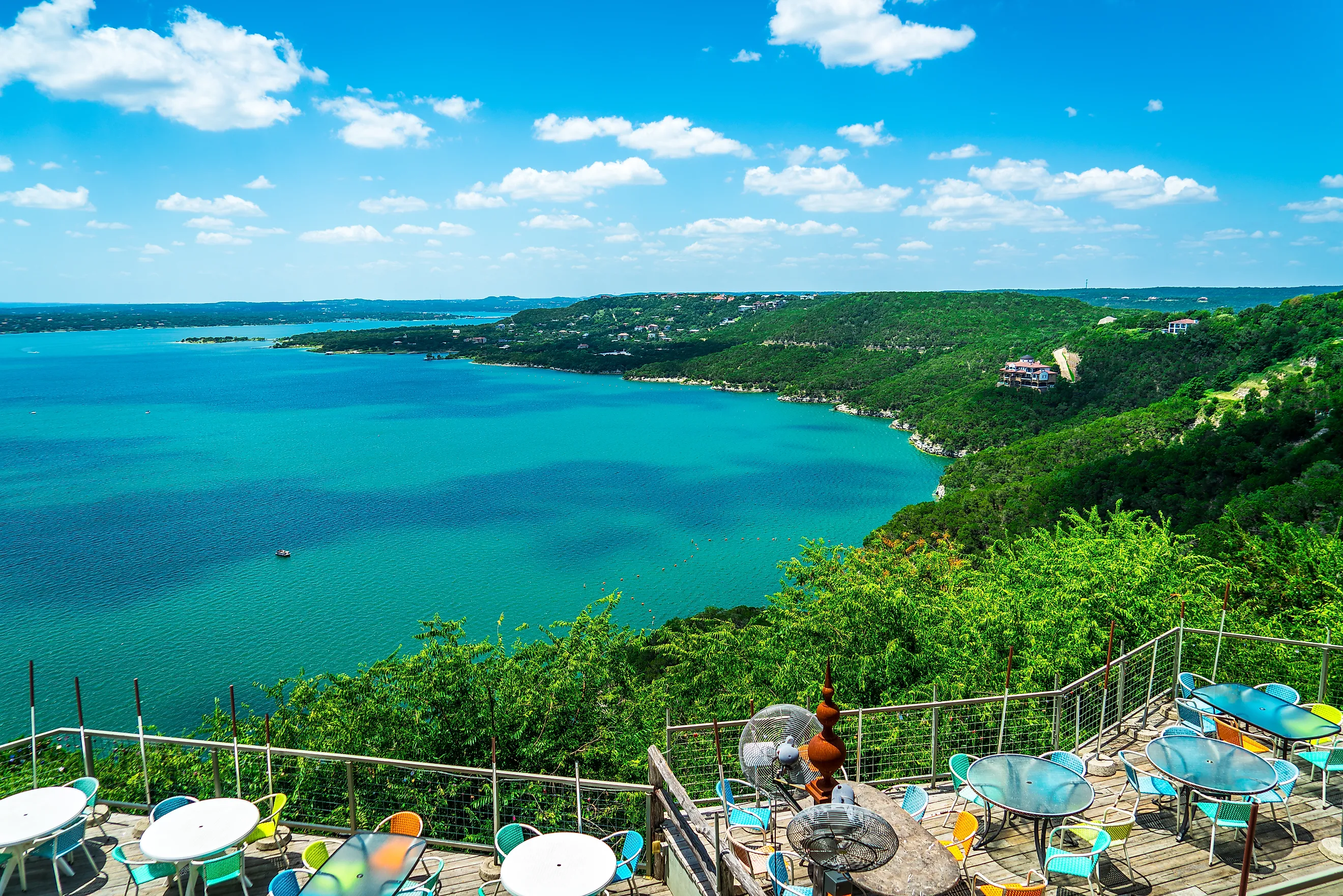
Part of the Texas Hill Country's Highland Lakes chain, Lake Travis generally becomes comfortable for swimming by late April, as spring highs in central Texas push into the 80s well before summer officially begins. Built by the Mansfield Dam on the Colorado River, Travis stretches roughly 64 miles (103 kilometers) and is the largest of the seven Highland Lakes by capacity, known for its clear water and dramatic limestone cliffs. Parks like Pace Bend Park and Windy Point Park offer public access to the shoreline, while marinas around the lake rent everything from pontoon boats to jet skis once the water warms. Because Travis lies far enough south and low enough in elevation to avoid the lingering spring chill that affects lakes farther north, swimmers here typically get several extra weeks of warm water compared to reservoirs in the northern half of the state.
Patagonia Lake

Tucked into Arizona's grassland country south of Tucson, Patagonia Lake defies its elevation of 3,786 feet (1,154 meters), a height typically associated with cooler mountain conditions, by warming to swimmable temperatures by late April. The secret is depth, or the lack of it. This 265-acre state park reservoir reaches only 120 feet (37 meters) at its deepest point, and most of the lake runs far shallower, allowing sunlight to heat the water from top to bottom rather than just the surface. The surrounding grasslands offer essentially no shade, and the area sees sunshine more than 300 days a year, both of which help the lake warm quickly once spring arrives. Patagonia Lake State Park offers a designated swim beach, campground, and boat rentals, and the swim season here typically runs from late April through October, longer than most lakes at a comparable elevation.
Lake Mead

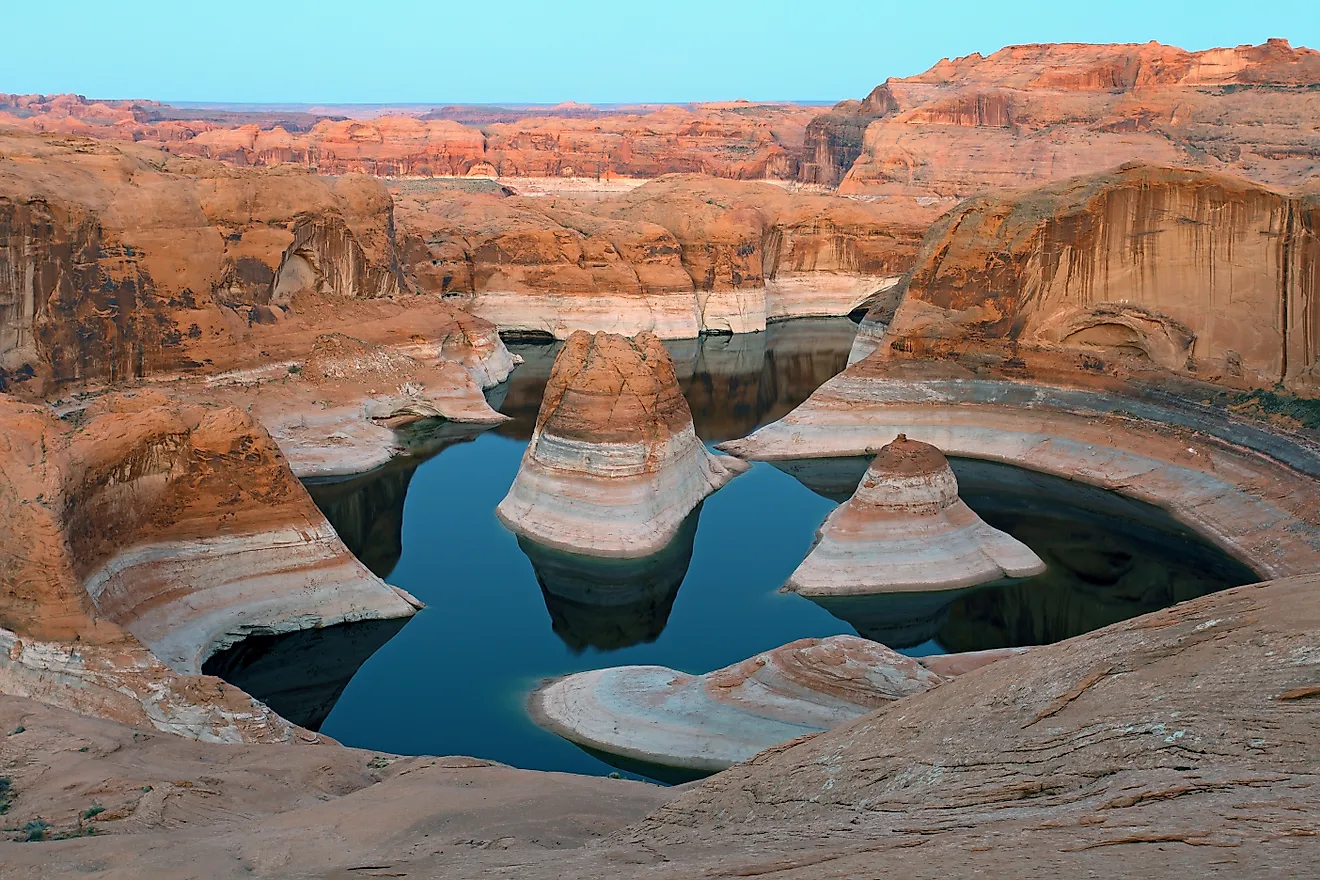
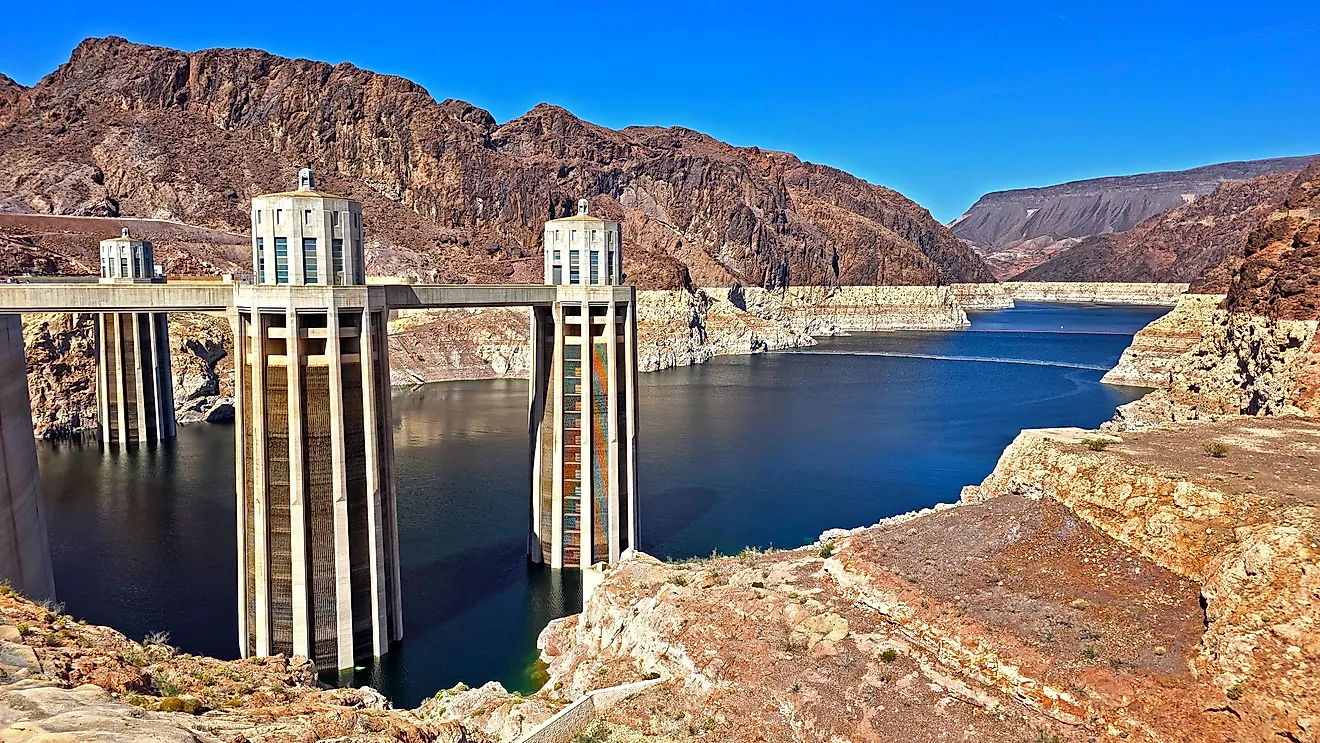
The largest reservoir in the United States by volume, Lake Mead sprawls across 247 square miles (640 square kilometers) of the Mojave Desert behind the Hoover Dam, and typically becomes swimmable by May. Spring water temperatures at the lake climb from the high 50s in March into the low 70s by May, according to park-adjacent tourism resources, as desert air temperatures that regularly exceed 100 degrees Fahrenheit (38 degrees Celsius) heat the shallow coves and bays fastest. The lake's massive size means conditions vary considerably by location, with protected, sun-facing coves along the southern shore warming well ahead of the deeper main basin. Drought has shrunk the reservoir considerably since 2000, exposing wide mineral-stained bands along the canyon walls, but the water that remains still warms reliably each spring, drawing boaters and swimmers out from nearby Las Vegas and Boulder City.
Lake Martin

Set among the forested hills of east-central Alabama, Lake Martin usually becomes comfortable for swimming by late May. The lake was formed by Martin Dam on the Tallapoosa River, completed in 1926 and, at the time, the largest human-made body of water in the world. Today it covers roughly 44,000 acres (178 square kilometers) with more than 750 miles (1,200 kilometers) of wooded shoreline, much of it dotted with coves, islands, and public parks. Because the reservoir is deeper and more shaded by surrounding forest than the desert lakes farther west, it takes an extra month or so to reach comparable temperatures, but its clear water and clean shoreline make it one of the most popular swimming lakes in the Southeast once the season gets underway. Public beaches near Dadeville and Alexander City offer easy shoreline access for families.
Lake Of The Ozarks

One of Missouri's largest reservoirs, Lake of the Ozarks typically crosses into swimmable territory around Memorial Day weekend in late May, a milestone the region treats as the unofficial start of the lake season. Formed in 1931 by Bagnell Dam on the Osage River, the lake winds through the Ozark Mountains with roughly 1,100 miles (1,770 kilometers) of shoreline, more than the California coastline, spread across a narrow, curving basin rather than a single open body of water. Average water temperatures climb from the upper 60s in May into the high 70s by June, as the shallow coves that line much of the shoreline warm faster than the lake's deeper main channel. Resorts and marinas throughout the Lake Ozark and Osage Beach areas mark Memorial Day with fireworks and the first big boating weekend of the year, and swimmers can expect comfortably warm water from late May into September.
Lake Elsinore

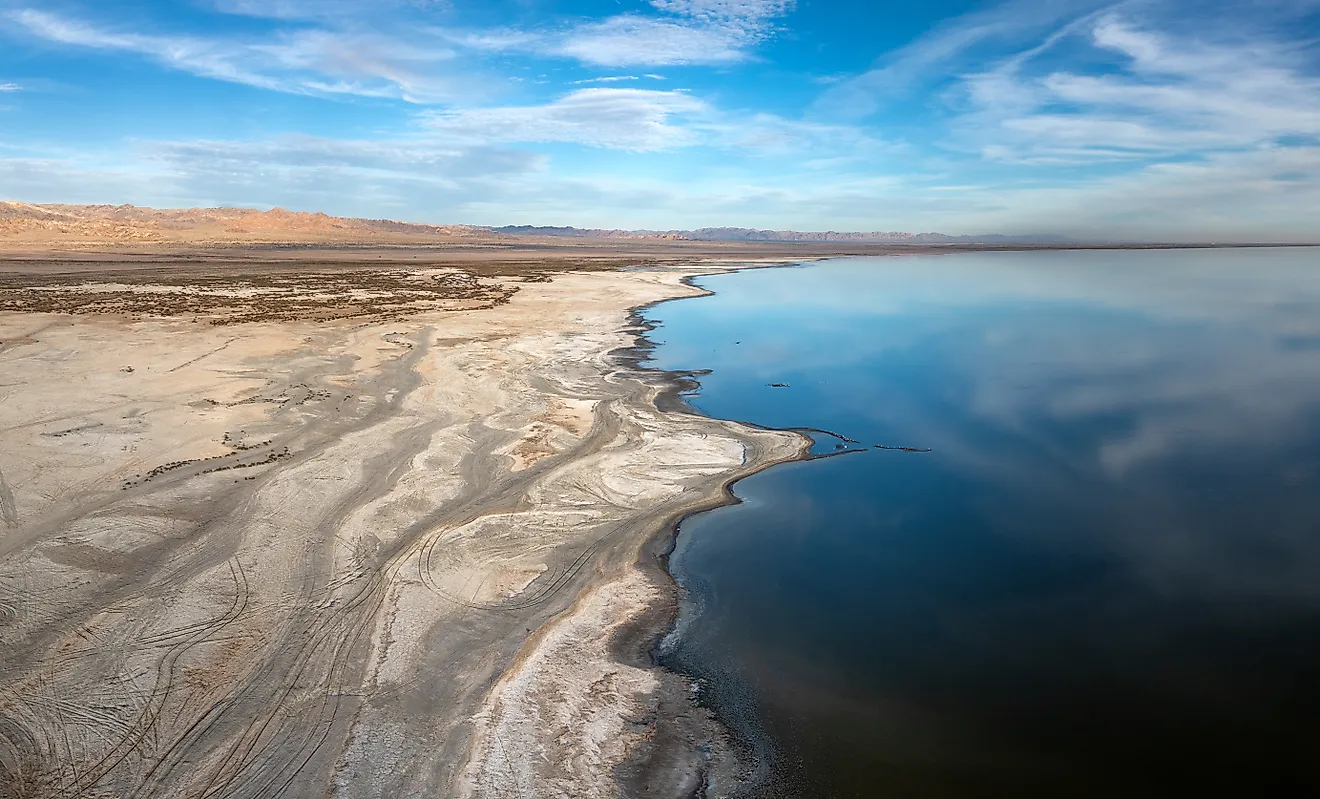
The largest natural freshwater lake in Southern California, Lake Elsinore generally doesn't reach comfortable swimming temperatures until June, later than every other lake on this list. Despite its Riverside County location in a warm, semi-arid climate, the lake sits at a higher elevation than the desert reservoirs farther east, and its water lags several weeks behind regional air temperatures, staying in the 55 to 70 degree Fahrenheit (13 to 21 degree Celsius) range through much of spring. The lake occupies the lowest point of the San Jacinto River watershed and has fluctuated dramatically in size over the decades, from near-dry basin during droughts to flooding that once threatened nearby homes. City-run Lake Elsinore Recreation Area offers boating, fishing, and picnicking, and local officials monitor the lake through a program called Lake Watch for the algae blooms and low oxygen levels that can develop once the water fully warms in the hotter months.
Planning Around The Warm-Water Calendar
Taken together, these eight lakes trace a rough warm-water calendar that stretches from late winter in Florida to early summer in Southern California. Depth does more work than latitude in determining which lakes warm up fastest. Shallow desert reservoirs like Havasu and Patagonia Lake beat out reservoirs at similar latitudes simply because there's less water for the sun to heat. For swimmers and boaters planning a spring trip, checking a specific lake's current water temperature before heading out remains the safest bet, since drought, cold snaps, and unusually wet winters can all shift these general patterns by a few weeks in either direction.