The Most Alligator-Filled Swamps In The United States
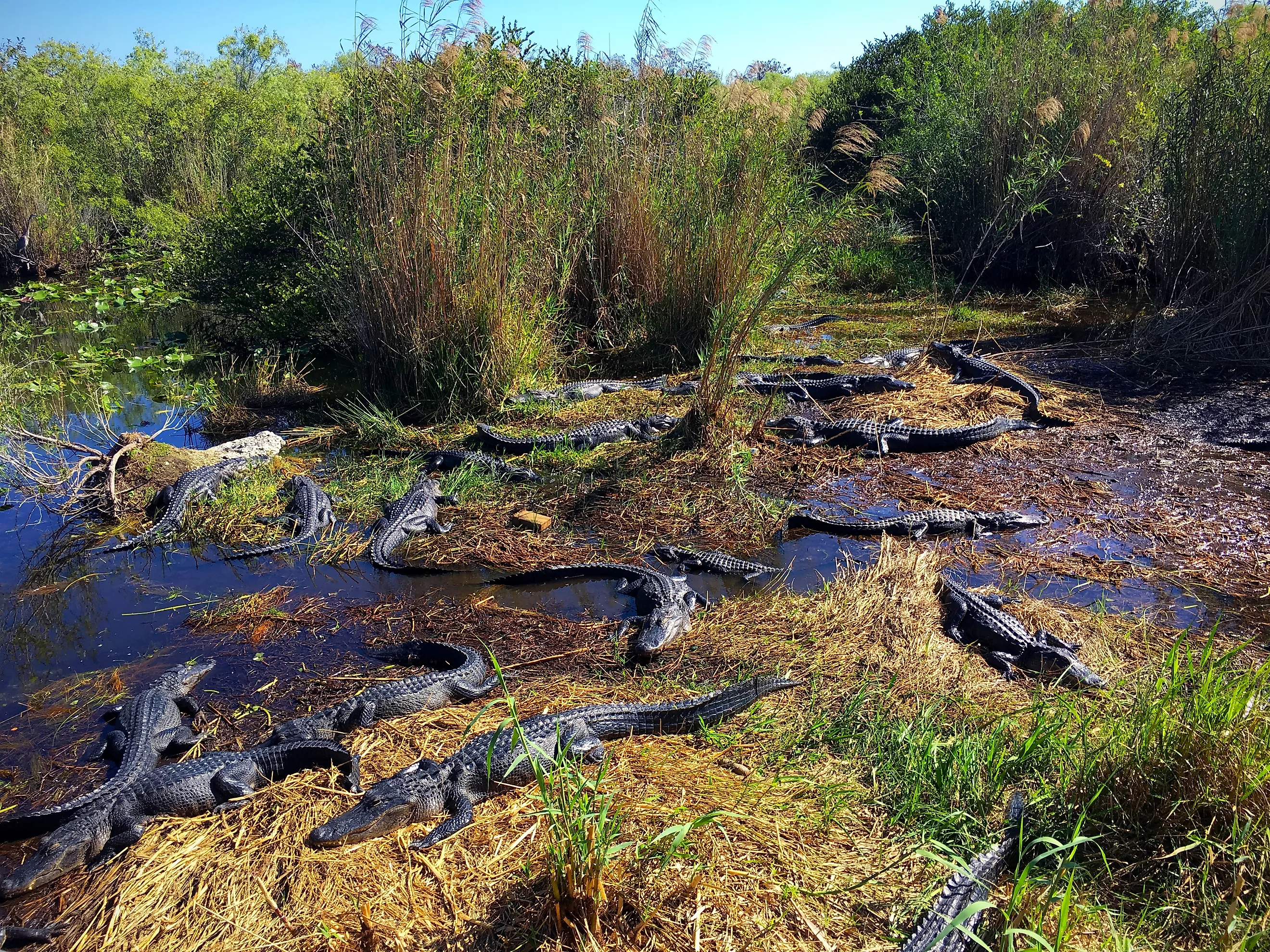
The most famous alligator habitat in America is not a swamp. The Everglades is a freshwater marsh, a river of grass, and marshes are defined by grasses while swamps are defined by trees. That distinction matters here, because it changes the list entirely. Rank actual swamps, meaning permanently saturated wetlands dominated by woody vegetation, and Louisiana takes the top of the table from Florida.
Atchafalaya Basin, Louisiana

The largest river swamp in the United States is also the strongest candidate for the most alligators in one.
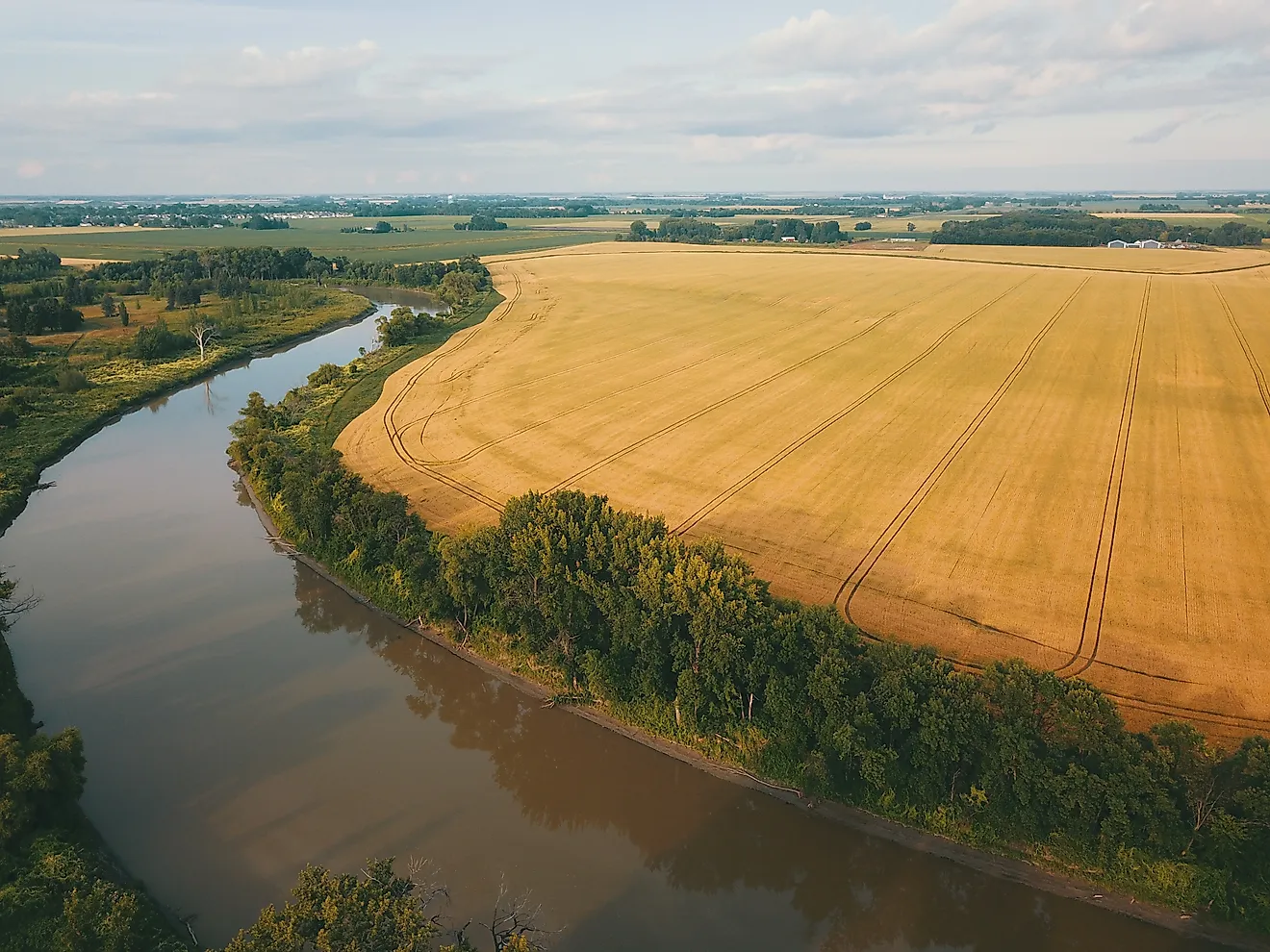
The basin covers around one million acres of bottomland forest, cypress-tupelo swamp and backwater lakes. Louisiana holds an estimated two to three million alligators statewide, and the Atchafalaya is described as a core stronghold housing a large share of them.
Surveys by the Louisiana Department of Wildlife and Fisheries routinely document thousands during annual nest counts. In productive swamp-lake margins, densities commonly exceed one adult per acre.
Okefenokee Swamp, Georgia

The largest blackwater swamp in North America holds the biggest alligator population outside the Gulf states.
Okefenokee spans roughly 438,000 acres of peat-filled wilderness along the Georgia and Florida line. Georgia's statewide population runs to an estimated 200,000 to 250,000, and the swamp is the single largest concentration.
Peat is the defining feature. The name translates roughly as trembling earth, because floating peat islands shift underfoot.
Honey Island Swamp, Louisiana

One of the least altered river swamps in the country sits an hour from New Orleans.
Honey Island covers roughly 70,000 acres along the Pearl River near Slidell, much of it permanently protected and largely unchanged by development. Alligators are abundant enough that swamp tours effectively guarantee sightings.
Local legend adds a hairy humanoid to the species list. No human has been attacked at Honey Island, which is more than the legend deserves.
Lake Martin And Cypress Island, Louisiana

Density rather than area is what puts this one on the list.
Alligators are so prevalent at Lake Martin that nesting grounds can be seen from Rookery Road, without leaving the car. The preserve holds some of the oldest cypress in Louisiana, which gives the population cover.
A swamp where you can watch nests from a public road is doing something few others manage.
Big Cypress National Preserve, Florida

Florida's entry on a swamp list is the preserve north of the Everglades rather than the Everglades itself.
Big Cypress covers more than 729,000 acres of cypress swamp and pineland wetlands. Unlike the sawgrass marsh to the south, this is genuinely forested wetland.
Florida holds roughly 1.3 million alligators statewide, and Big Cypress is where a meaningful share of them live among trees rather than grass.
Caddo Lake, Texas And Louisiana

The western edge of serious alligator country is a flooded cypress forest straddling a state line.
Caddo Lake is the largest natural lake in the South and effectively a maze of cypress-studded bayous rather than open water. It supports alligators at the far western margin of the species' core range.
Texas holds a substantially smaller population than Louisiana, and Caddo is where the two states' swamps meet.
Barataria Preserve, Louisiana

Proximity to a major city makes this one unusual among serious alligator habitat.
Barataria sits within Jean Lafitte National Historical Park south of New Orleans, covering bayous, marshes and hardwood forest. Boardwalk trails run directly over water that holds alligators.
Most swamps on this list need a boat. This one needs a car park.
The Density Figures Are Striking

Population totals are easier to find than density, and density is what actually describes a swamp.
Across the southeastern United States, local alligator communities can exceed one or more adults per acre during peak conditions. Published figures for peak density zones in Florida's lake country and Louisiana's coastal parishes run considerably higher.
These are concentrations rather than averages. A swamp is not uniformly populated, and the numbers cluster where food and basking sites do.
Louisiana Holds More Than Everyone Else

The state-level numbers explain why this list leans so heavily one way.
Louisiana's alligator population is estimated at two million or more, against Florida's 1.3 million and Georgia's 200,000 to 250,000. The southeastern total runs to roughly five million.
Louisiana also runs the largest alligator management program in the world, with a wild harvest quota alongside extensive commercial farming.
The Recovery Is The Real Story

None of these numbers would have been possible within living memory.
The American alligator was on the brink when it received federal protection in 1967. It now numbers approximately five million across the southeastern United States, a recovery that took about three decades.
Swamps that today guarantee a sighting on a tour boat held almost nothing within the lifetime of people still running those boats.
The Short Answer

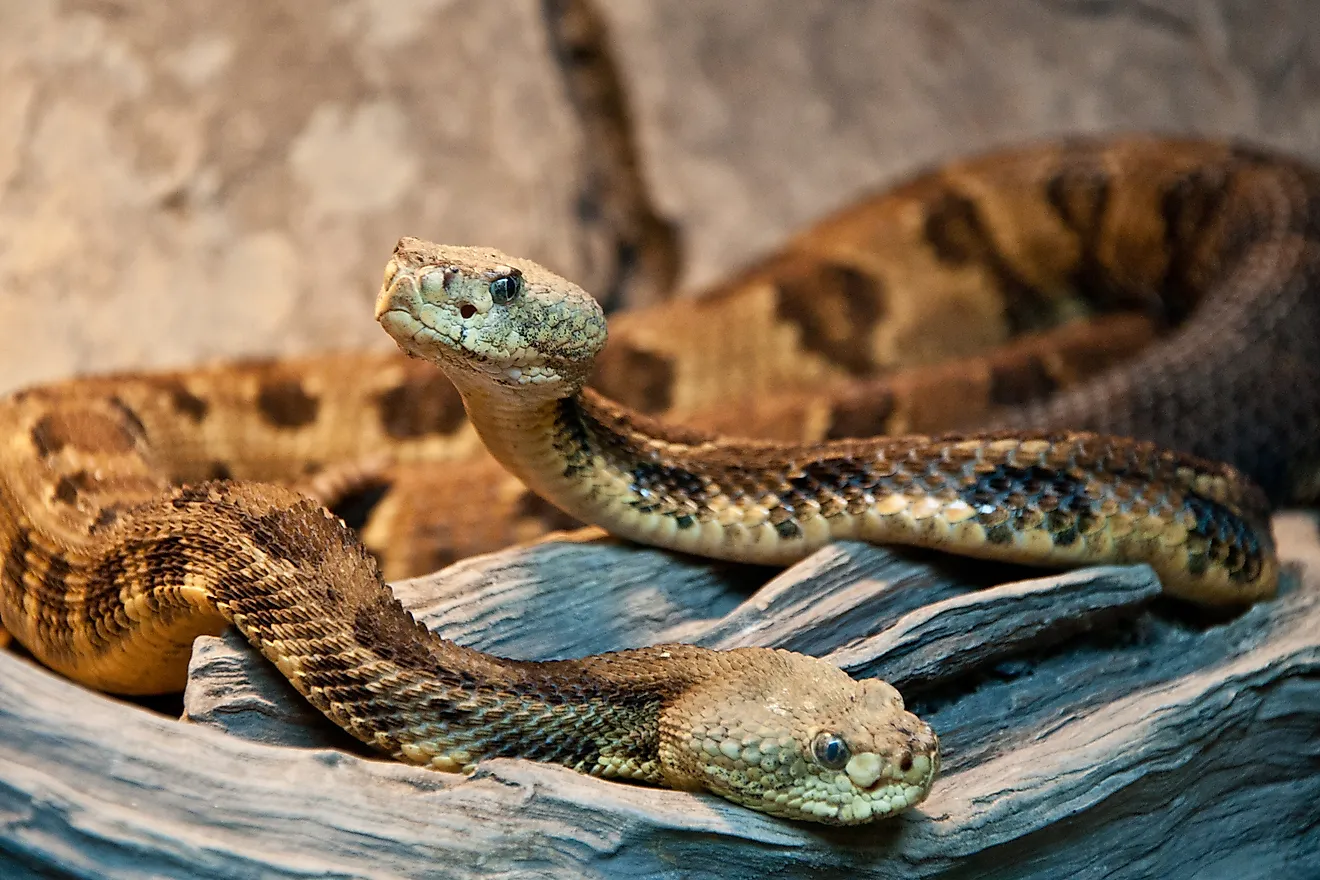
The Atchafalaya Basin holds the most alligators of any true swamp in the country, across a million acres of cypress-tupelo forest in a state with two to three million of them. Okefenokee is the largest concentration outside the Gulf, Big Cypress is Florida's forested answer to the Everglades, and Honey Island, Lake Martin, Caddo and Barataria fill in beneath them.
The Everglades has more alligators than any of them at around 200,000. It is also a marsh, which is why it does not appear on a list of swamps, and why the honest ranking runs through Louisiana rather than Florida.