The Western Towns Competing With Data Centers For Water
Google used 355 million gallons of water in The Dalles, Oregon in 2021. The city has about 16,000 residents, and that figure came to roughly a quarter of everything the town drew that year.
The number only became public after a thirteen-month legal fight, during which the city argued in court that its own water records were a trade secret. Google funded the city's side of that case. That is the shape of the argument now playing out across the West, one county at a time.
The Dalles, Oregon

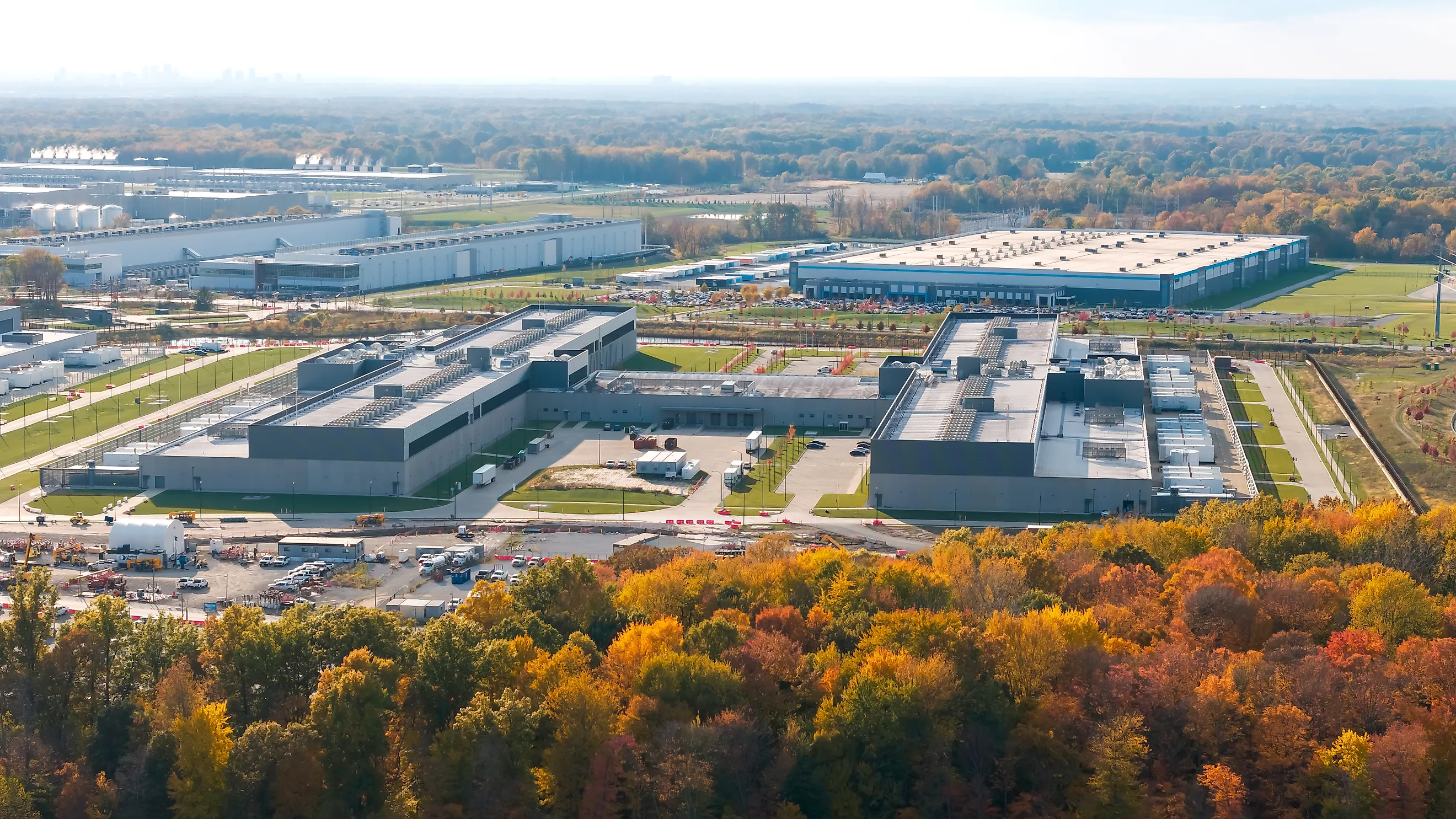
Google switched on its first data center here in 2006 and now runs several, with a total investment reported above $1.8 billion. Between 2017 and 2021 its water use tripled.
When The Oregonian filed a public records request for the figures, the city refused, and the resulting litigation ran more than a year before Google and The Dalles gave way. The disclosed total was 355 million gallons for 2021, falling to around 305 million by 2023.
Oregon has since changed the rules. Since 2024 large data centers in the state face mandatory water use disclosure, which means the next town will not have to sue anyone to find out.
Tucson, Arizona

On 6 August 2025 the Tucson City Council voted unanimously to end the city's involvement with Project Blue, a data center campus that would have become the largest customer of both Tucson Water and Tucson Electric Power. Residents had spent months turning up to object.
The project did not stop. The developer, Beale Infrastructure, continued building just outside the city limits, and the state subsequently approved its wells under existing grandfathered groundwater rights. Those wells are permitted for 96.5 acre-feet a year, though the company says it expects to use about a fifth of that.
Then came an awkward detail. A resident asked a city staffer where the dust-control water at the site was coming from, which triggered an investigation. The city found a contractor had obtained a construction meter inside Tucson's service area and trucked roughly 650,000 gallons out to the Project Blue site without authorisation. The city shut the meter off immediately.
Chandler And Marana, Arizona

Chandler got there first. A 2015 policy restricts water-intensive businesses unless they fit the city's economic development plan, and caps data centers specifically at 115 gallons per day per thousand square feet. Anything above that, the operator has to source elsewhere.
It was an early example of a city declining to subsidise water for an industry that uses a great deal of it and employs relatively few people. Phoenix's deputy city manager has put the objection plainly: data centers take a lot of land but do not provide enough jobs for the infrastructure investment.
Marana, twenty miles northwest of Tucson, went further in late 2024 and prohibited its water department from supplying data centers with potable water at all. No data centers currently operate in its service area, which is rather the point of passing the ordinance now.
How Much Water Is Actually At Stake

A medium-sized data center consumes something like 110 million gallons a year for cooling, roughly the annual household use of a thousand homes. The largest facilities can draw up to five million gallons a day, which the Environmental and Energy Study Institute compares to a town of between 10,000 and 50,000 people.
Arizona data centers used an estimated 905 million gallons in 2025. Across the West as a whole the figure runs to billions of gallons a year, in a region where snowpack has hit record lows and the reservoirs are not refilling.
Nationally, though, data centers still account for only about 0.2 percent of US water use. Both things are true at once, and that is exactly why the fight is local. The national share is trivial. The share of one small city's supply is not.
Why Seniority Decides It

Any Colorado River water an Arizona data center uses comes out of Arizona's allocation, no matter where the company is headquartered. That puts it in direct competition with farms and households already absorbing shortage cuts.
Western water law ranks users by seniority, and those rankings were written long before anyone was cooling a server. Tucson tried to put Project Blue last in line and found it could not, because the project's wells carry grandfathered rights that predate the city's objection.
Groundwater is often the loophole. A city can refuse to sell municipal water and still watch a facility pump from beneath the same ground under rights granted decades ago.
The Industry Is Moving, Slowly

Some of it is genuine. CyrusOne's eight-building campus in Chandler uses no water for cooling at all, drawing about 180,000 gallons a year purely for humidification, and the company says every facility built from 2024 onward will use zero-water cooling. After Tucson's rejection, Project Blue's developer committed to the same approach.
In Oregon, Meta and Amazon have been storing Columbia River water underground to expand summer supply for the whole Hermiston community, which is the kind of arrangement that makes a water-positive pledge mean something.
The catch is that zero-water cooling is not free. It shifts the burden onto electricity, and the power plants behind these campuses have cooling requirements of their own. The water does not vanish from the ledger. It moves to a different line, usually one the host town is not reading.