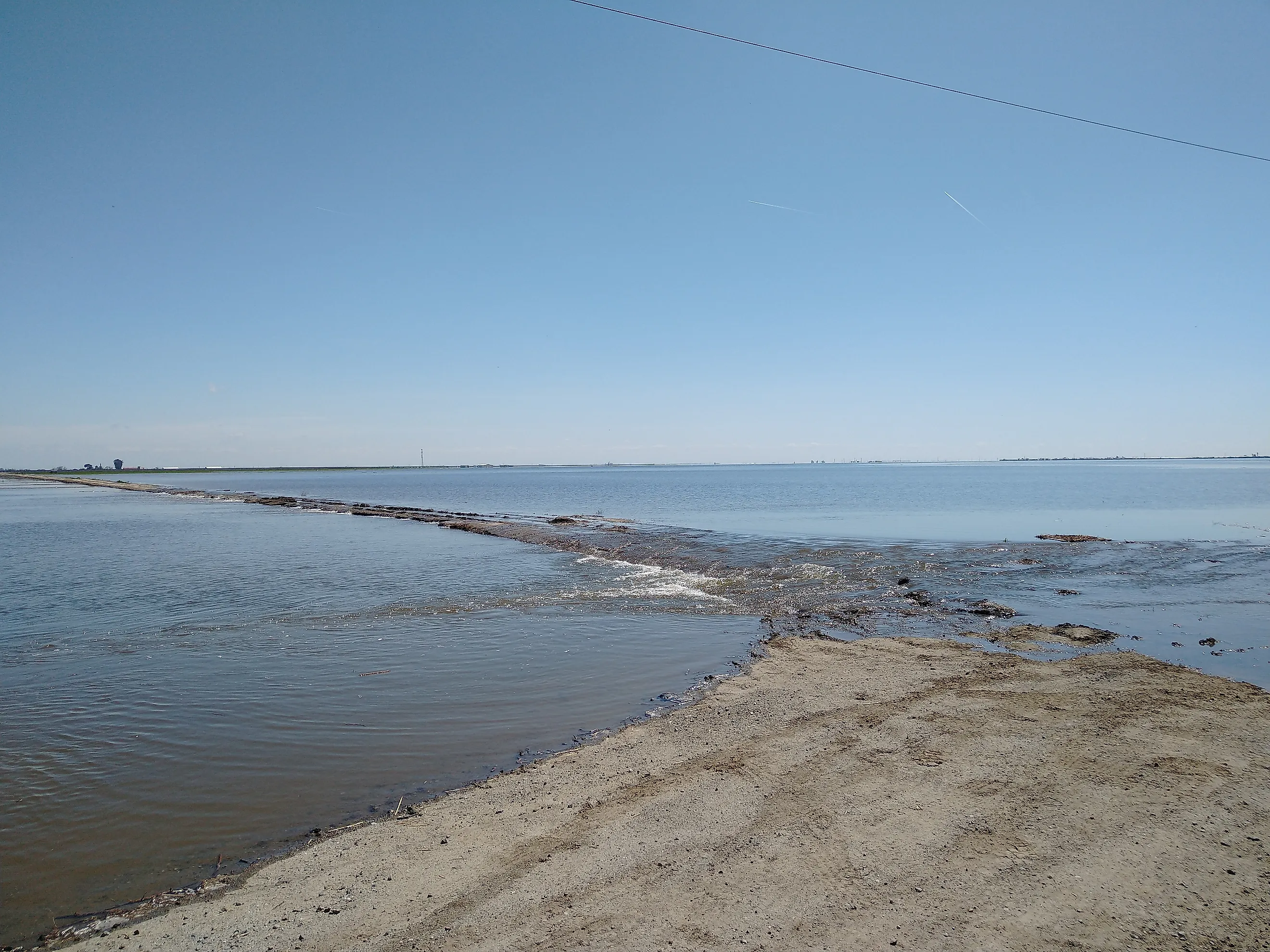
How Tulare Lake Came Back From The Dead In 2023
As quickly as a lake can dry out, it can come back to life. When Mother Nature has other plans, lakes can arise from their beds decades after they've dried. Sometimes it takes only one wet winter to bring a lost lake roaring back. In 2023, Tulare Lake followed this pattern and sprang back to life. With a mixture of rainfall and snow melt, even a dry lake can feel life again.
What is an Ephemeral Lake?

Tulare Lake in San Joaquin Valley, California, is a prime example of what is called an "ephemeral lake". 'Ephēmeros,' in ancient Greek, means "only lasting a day." Albeit a bit exaggeratory, these bodies of water are true to their name, and are usually caught in cycles of discharge and recharge due to heavy rains and flooding. Prolonged exposure to rain is usually a crucial component to lakes forming, but an ephemeral lake's existence depends on if flooding continues. When there is not enough water to keep the basin regularly topped off, the lake shrinks until there is nothing left, only for time to pass and for the basin to suddenly be flooded once again.
Ephemeral lakes of all shapes and sizes exist, but Tulare Lake is a special and more renowned example for its well-documented, erratic changes.
An Unstable History

The lake's name comes from the massive tule plants that once grew around its edges in the 18th century when it was first discovered by the Spanish. During its heyday, the lake was once considered the largest freshwater lake west of the great Mississippi River. Fed by waters from the High Sierras, it was estimated that Tulare Lake was over 690 square miles (1,787 km²). Unfortunately, the lake's water was diverted for agricultural use in the early 20th century, and Tulare Lake vanished and reappeared several times since, but never again achieved its impressive depth and size. Its deepest point was said to be around 41 feet.
While the lake has been revered by indigenous people such as the Tachi Yokut since ancient times, modernity has allowed it to gain attention out of its sheer persistence. The aforementioned vanishing act of the lake has lasted generations, with the lake being revived in 1938, 1969, 1983, and 1997.
Back From the Dead

The story of Tulare Lake is not finished, however. Luckily, rainwater and snow melt from the Sierra Nevada Mountains in 2023 allowed the lake to raise itself from the dead with vim and vigor. Until its latest recharge, the lake was bone-dry for a quarter of a century. It was then fitting when The Guardian called it a 'zombie lake,' for that same year, it grew to nearly 100,000 acres of water.
Tulare Lake has managed to stick around well into 2026, but it has already shown signs of waning.
An Ephemeral Wonder
With the most recent recharge, many Californians and tourists were enjoying the spoils of the reanimated lake. Old timers who saw the lake come and go in the 80s and 90s were enjoying their time lakeside. In 2024, however, eyebrows were raised about the lake shrinking as the shoreline became harder to find. The concerns about a total disappearance of the lake are justified, but the lake wouldn't be ephemeral if it did not vanish as soon as it reappeared. While the lake may dissipate, all it would take is a year of heavy snow and rainfall for the famous zombie lake to revive once again. The only problem is that it's not predictable. It could take 2, 10, or even 30 years before the conditions are ripe for its return.
That, however, is the ephemeral wonder of bodies of water like Tulare Lake. They almost have a will of their own, and with the prospect of parting with it again, Californians and tourists alike best enjoy the time they have with it now.